Sukiyaki is easy to make sound unusual and intriguing.
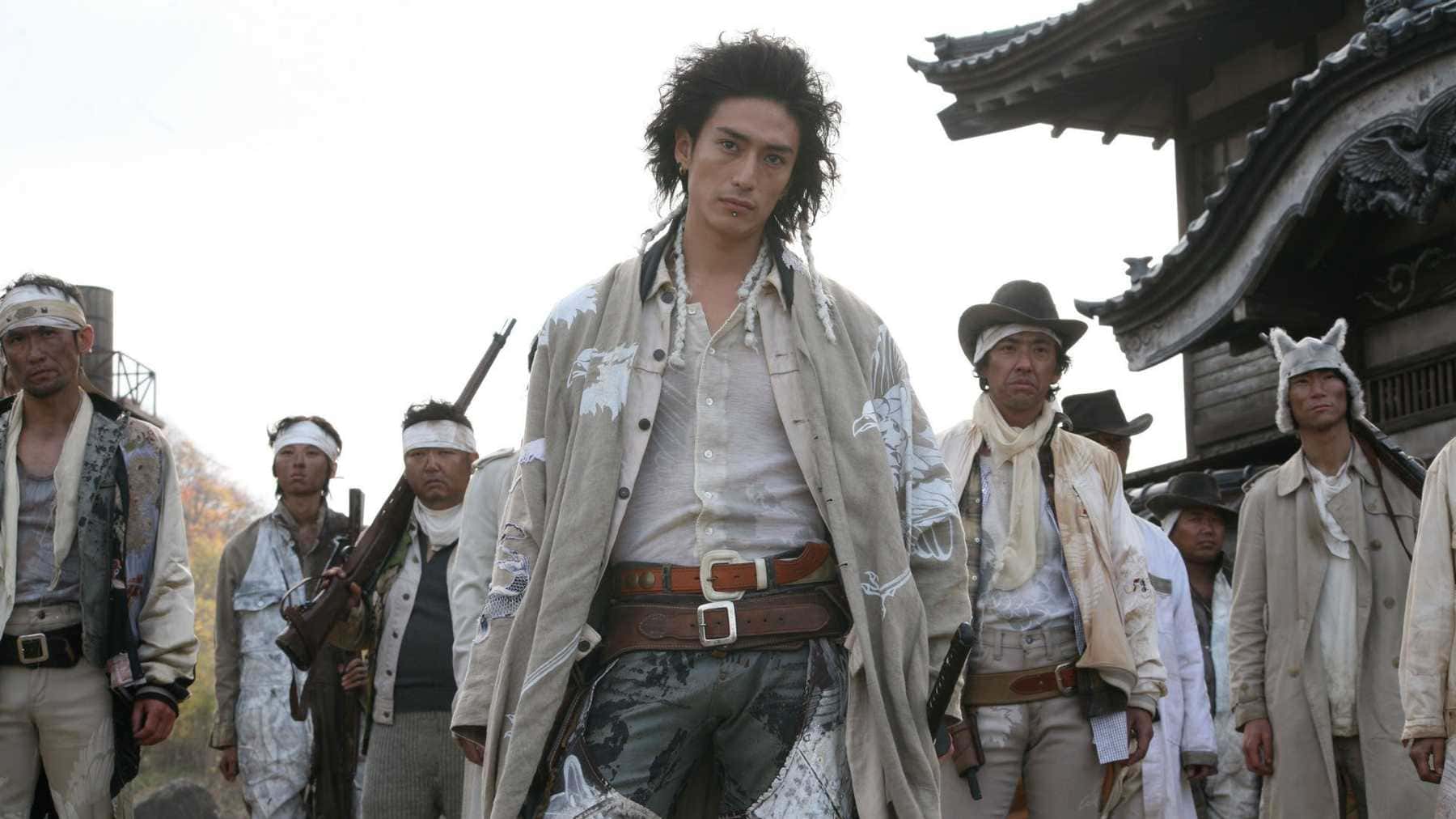

Sukiyaki is easy to make sound unusual and intriguing.
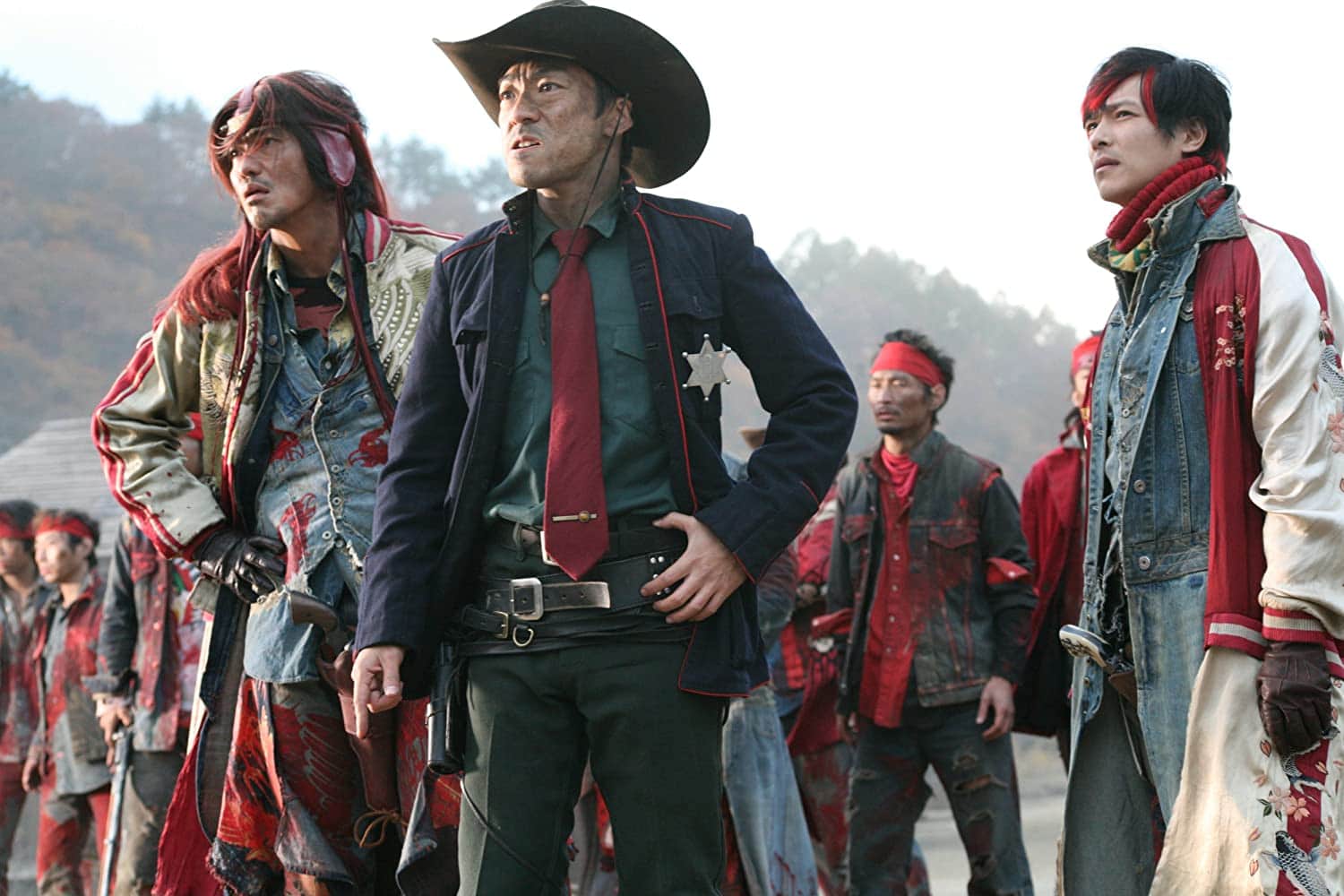
Miike’s appeal is taking source material, whether it be traditional or even a name brand, and running wild with it.

I’ve heard this a lot lately; I suppose you have too. We may have said it ourselves on occasion.

Jiří Menzel’s return to the cinema after 15 years of directing theater drags both of my pet peeves to the forefront, and then some.

Cruising is not nearly as ambiguous as William Friedkin thinks.

One of the unsung strengths of the original Neon Genesis Evangelion is its masterful sense of visual composition.
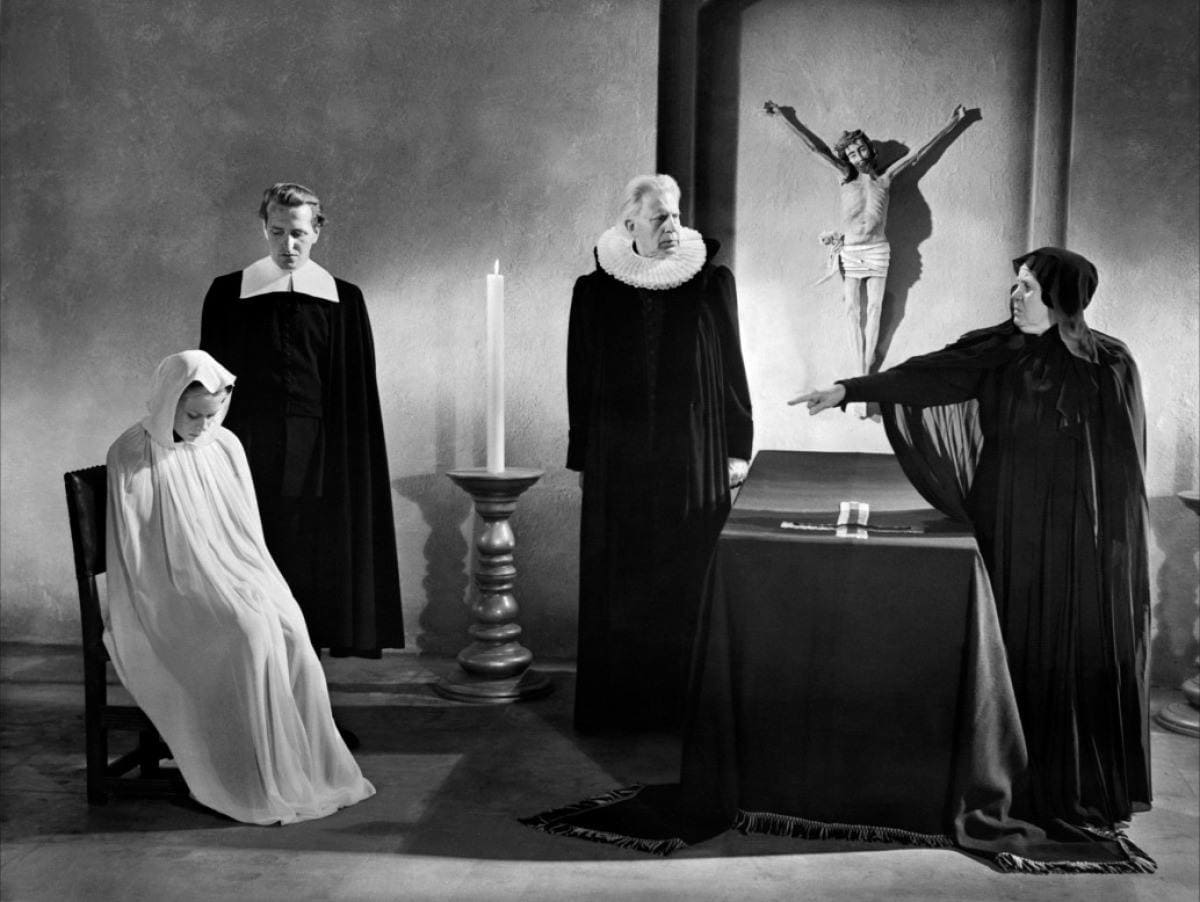
Watching Day of Wrath for the second time at age 35, I now see much more E.T. than Schindler’s List.

As I dig into these notes, I feel it’s important to say I’m an outsider, politically.

This is a first-rate addition to one of my favorite genres, the thriller on a train.
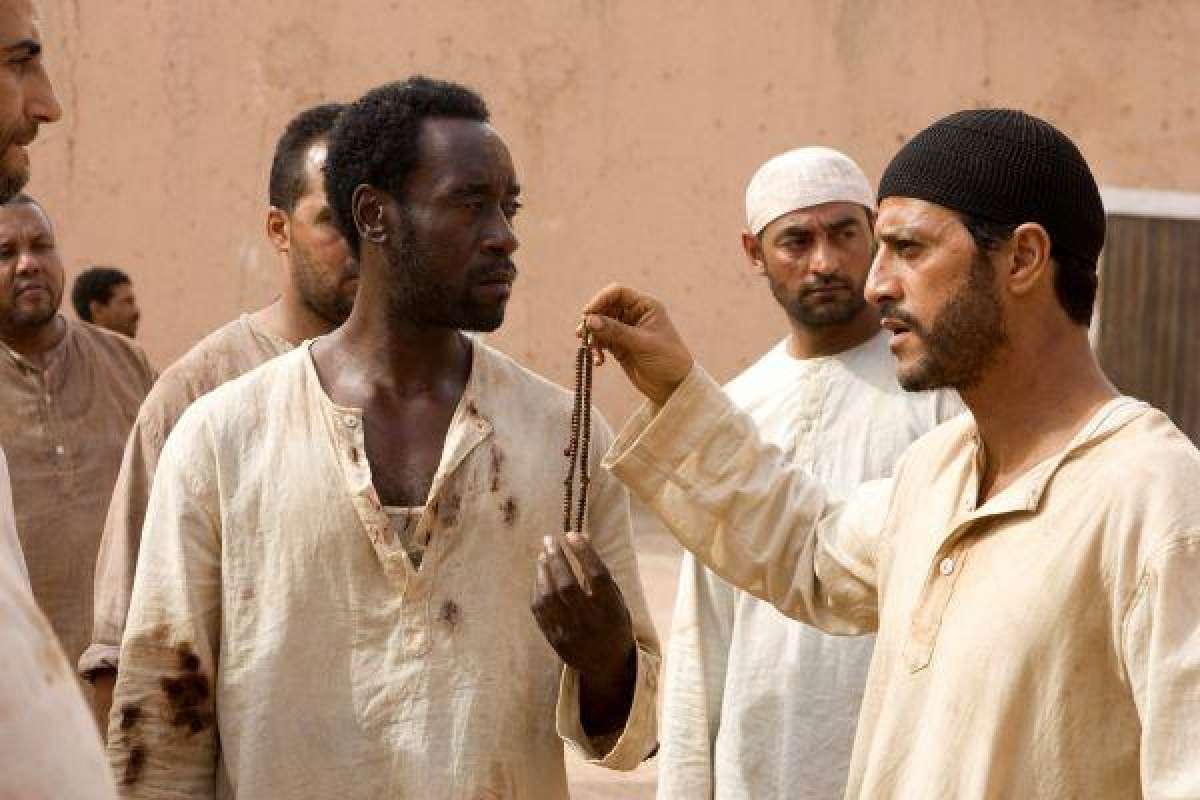
Traitor is a movie about some of the most terrifying and inescapable facts of our times, and I walked out of it whistling and chewing gum.

Sometimes doing what you think is the right thing just ain’t good enough.

Like most popular videos, “Got Money” bounces between a performance part and a plot/narrative.

Once again, there’s plenty of ambiguity about Don’s menschiness.

I suppose there’s some relief in wrapping up a series I thought wasn’t particularly great, for reasons I attempted to outline in each recap.
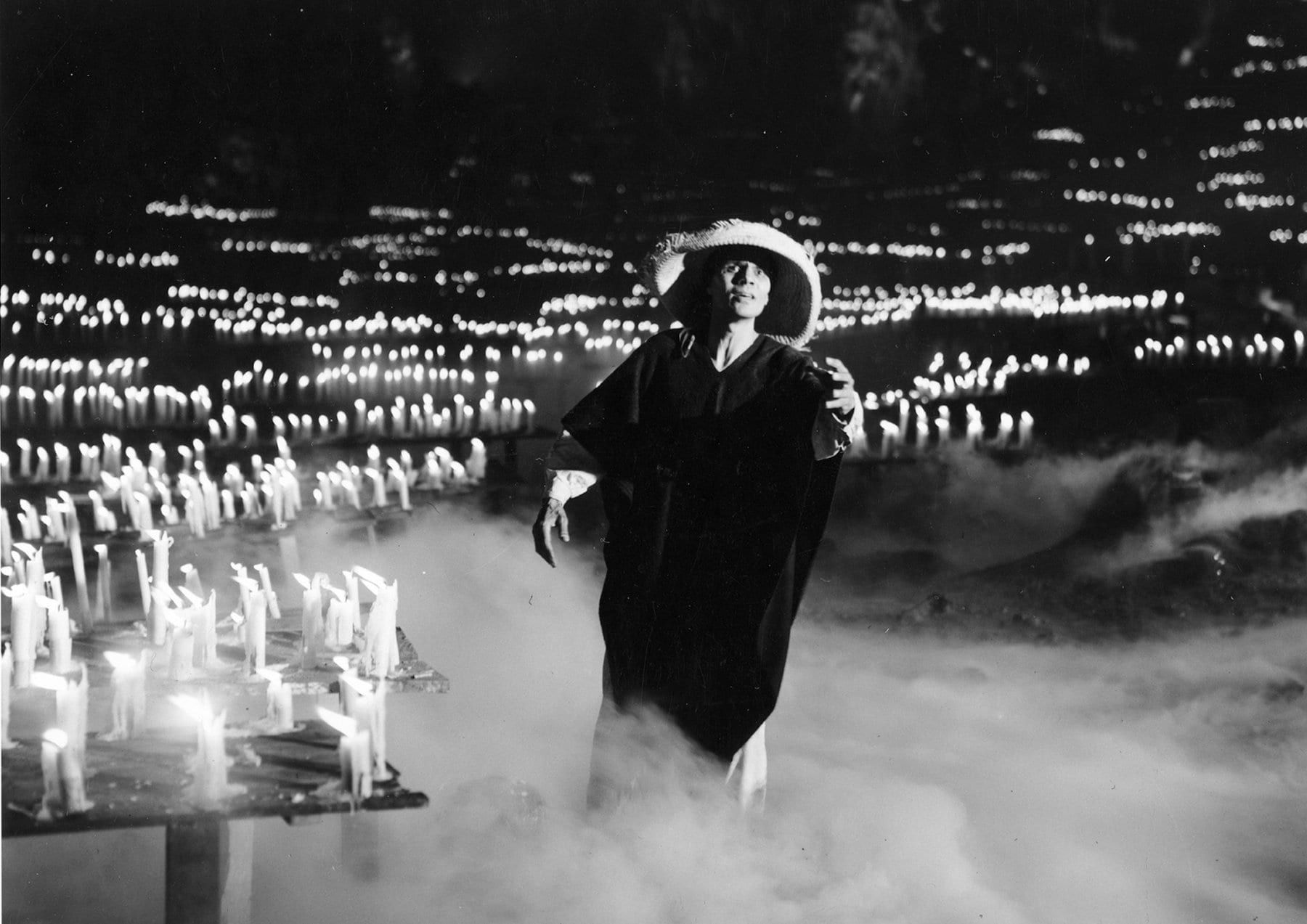
Macario is a landmark in Mexican cinema.

The question here is whether it’s a good idea for filmmakers to appropriate as their own the original scores of previous movies.

In Wall·E, Pixar has returned its focus onto character and story.

This week’s episode is longer on housekeeping than any in season two.

In my insistence in wanting to like the show, I’ve found myself trying to step outside the box a little.

The following interview is definitive proof that sometimes it does indeed pay to dream.