Cult director Monte Hellman lets the motors do the talking in Two-Lane Blacktop.
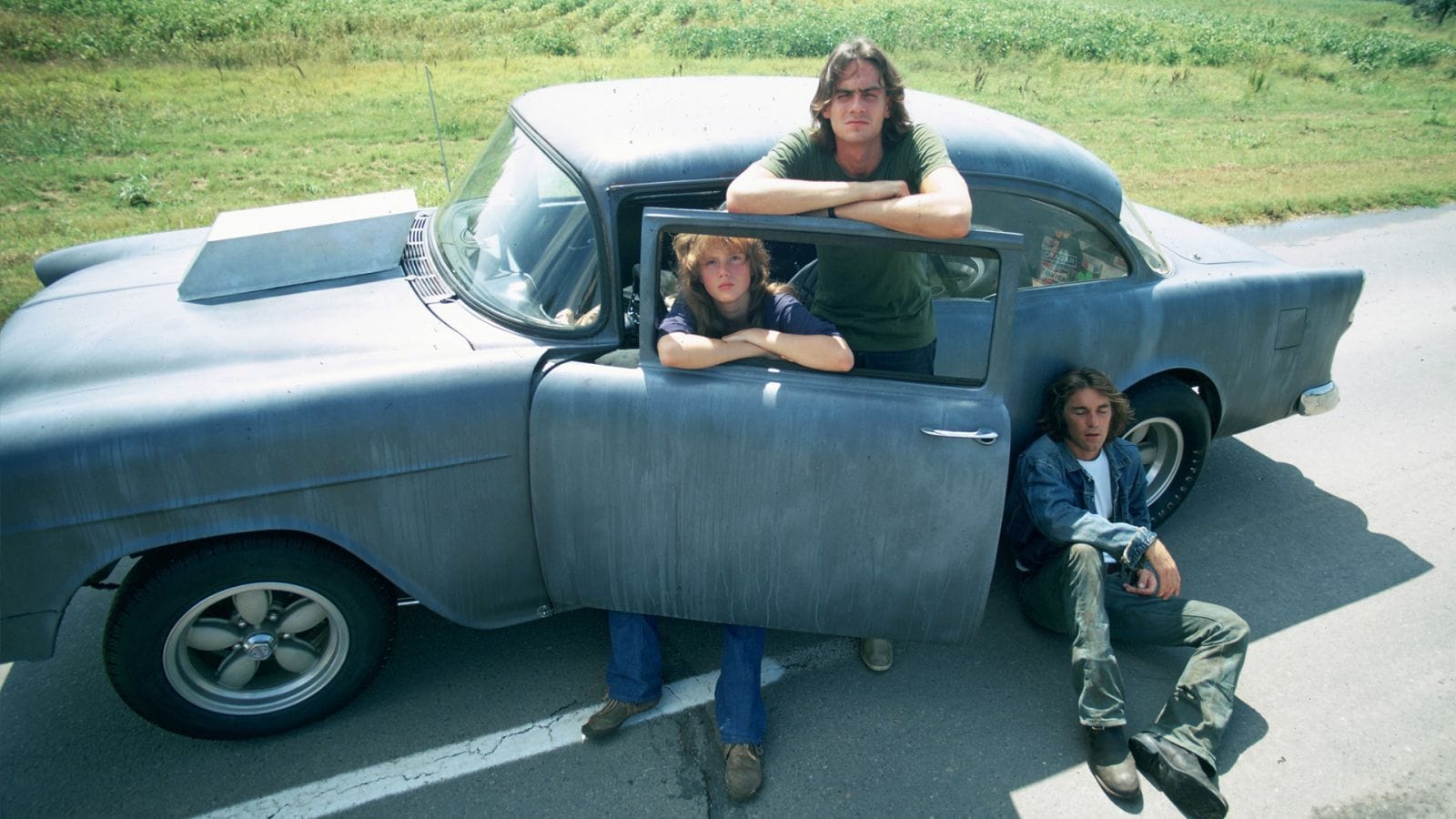

Cult director Monte Hellman lets the motors do the talking in Two-Lane Blacktop.

Father issues are to the Lost flashback what cancer is to a diagnosis on House.

Honigmann’s mastery of craft is abundantly clear in the fixed and methodical camerawork.

Ondi Timoner is fascinated by troubled men of extraordinary insight, calling them “delusional visionaries.”

“Peekaboo” asks a question that’s been hovering around the periphery of the series since it began and asks it fairly directly.
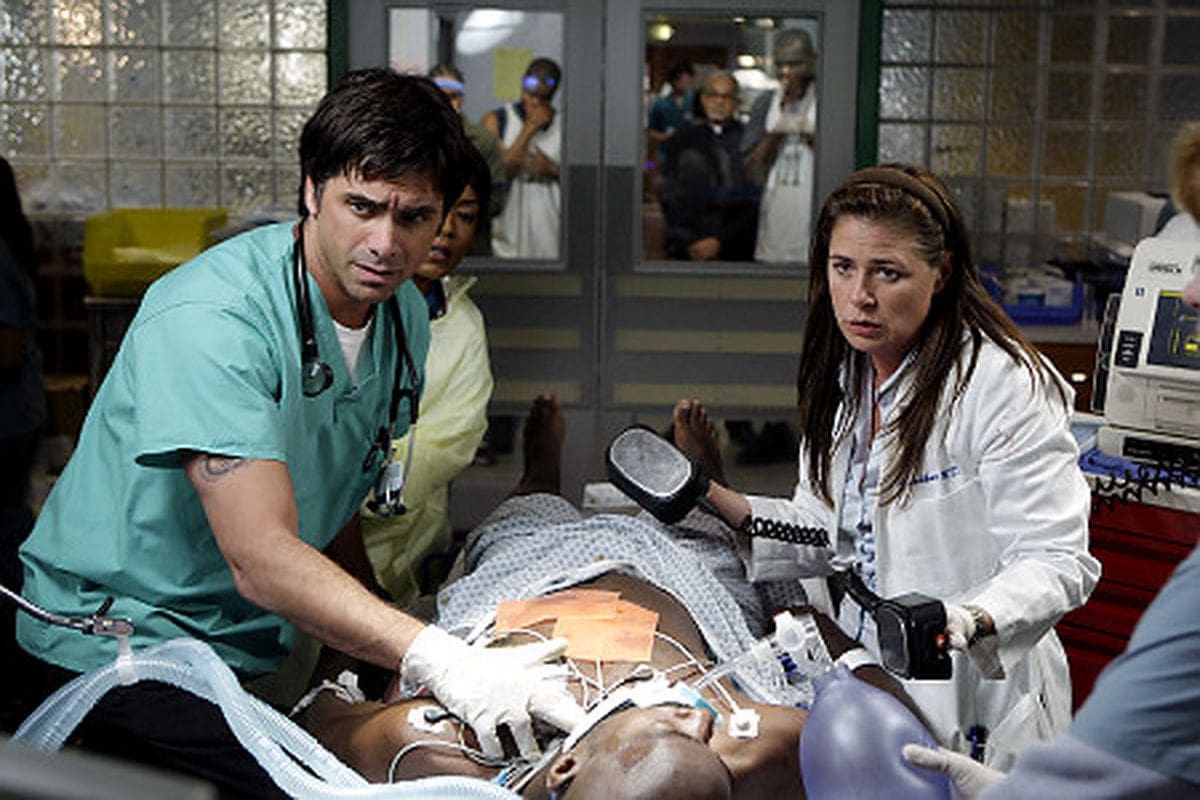
This series finale episode will probably not go down in TV history as one of the great series finales.

The redistricting situation of a few episodes ago finally shows up again, as the proposition will be met with a vote from the board.
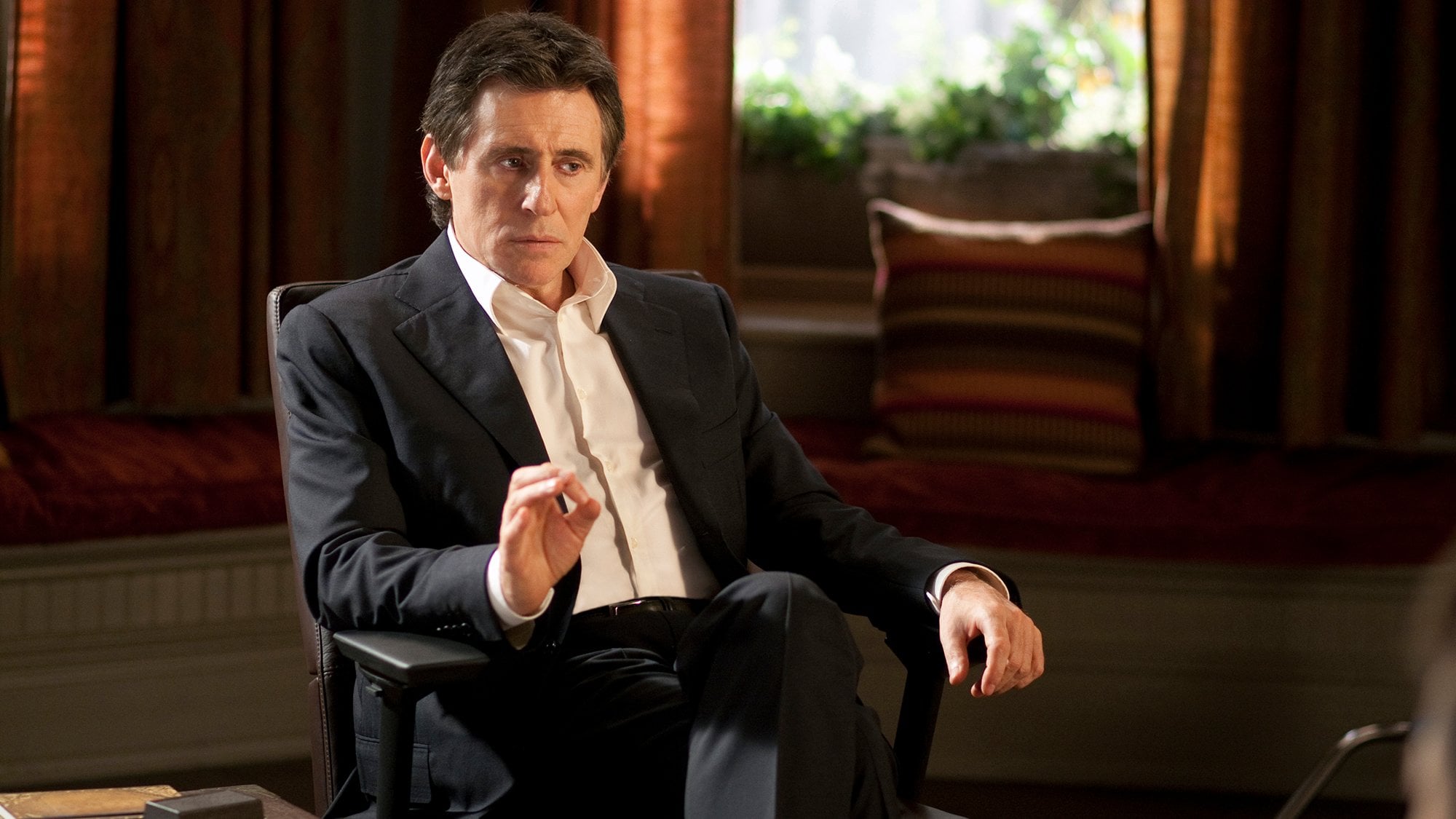
The more things change, the more they stay the same.
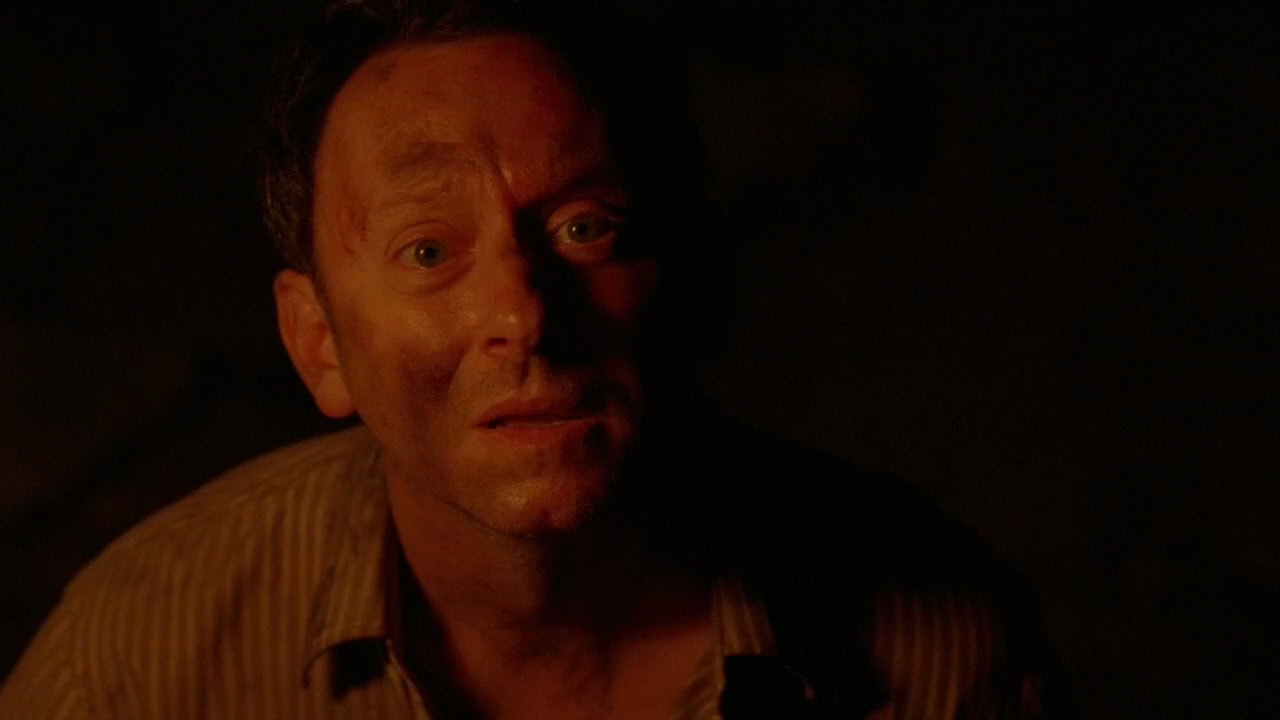
Michael Emerson maybe has the trickiest part to play on Lost.
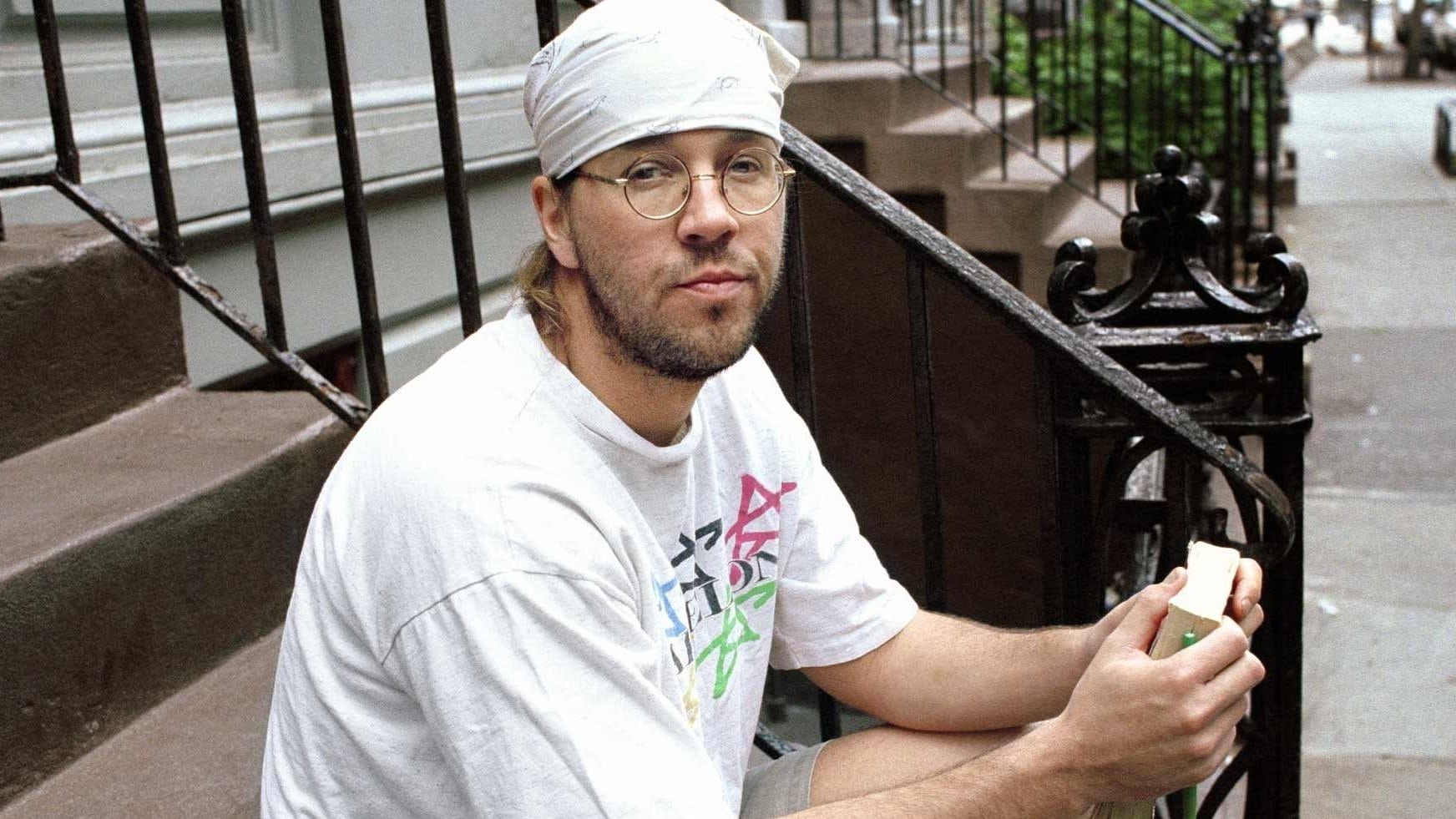
Wallace wrote for Premiere in the mid-to-late 1990s, about subjects as diverse as David Lynch, Terminator 2, and the Adult Video News Awards.

There’s a lot going on in “Breakage,” even if the pace remains as deliberate as the rest of the season has.

George Orwell’s work cuts across the political spectrum.
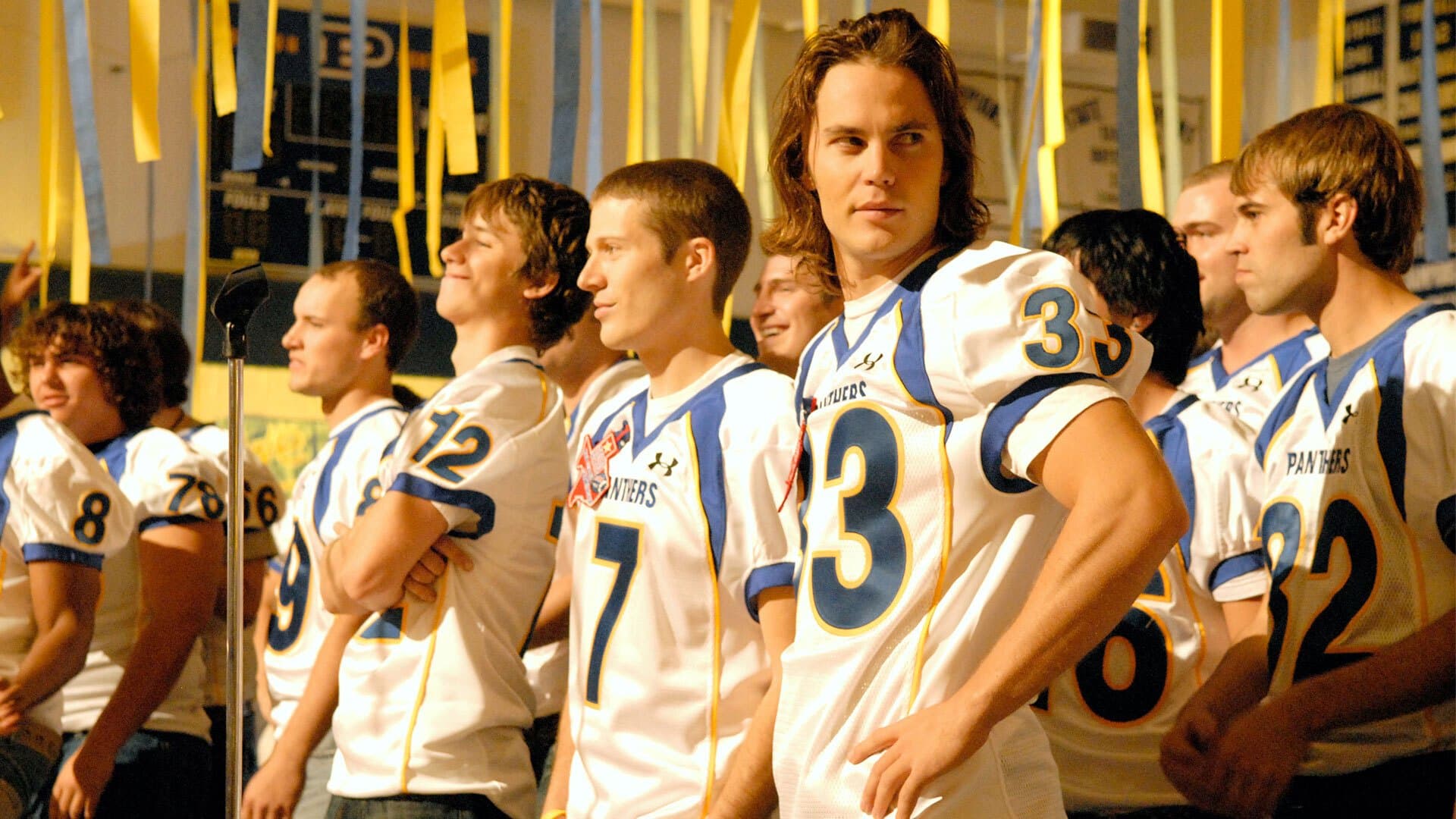
“Underdogs” is the kind of hour of television that defines shows like this, taking old ideas and making them better, making them new.
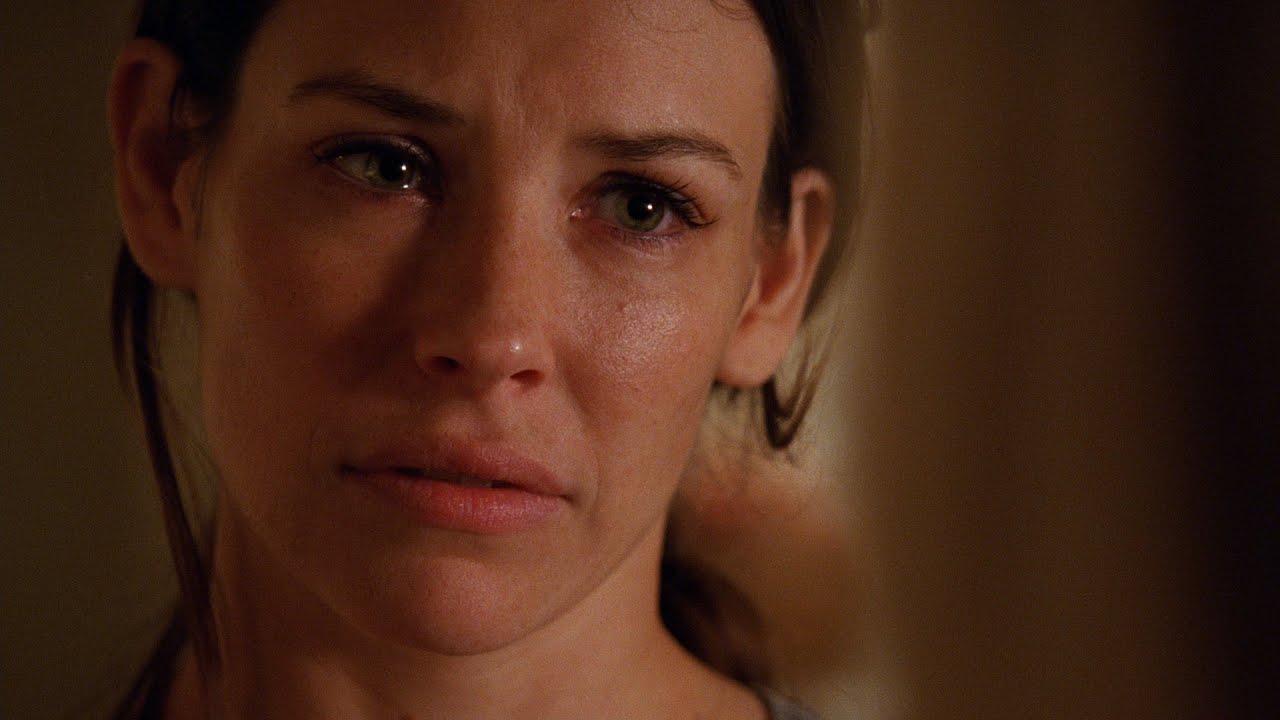
What is the formula that drives most TV series but a pleasant form of inevitability.
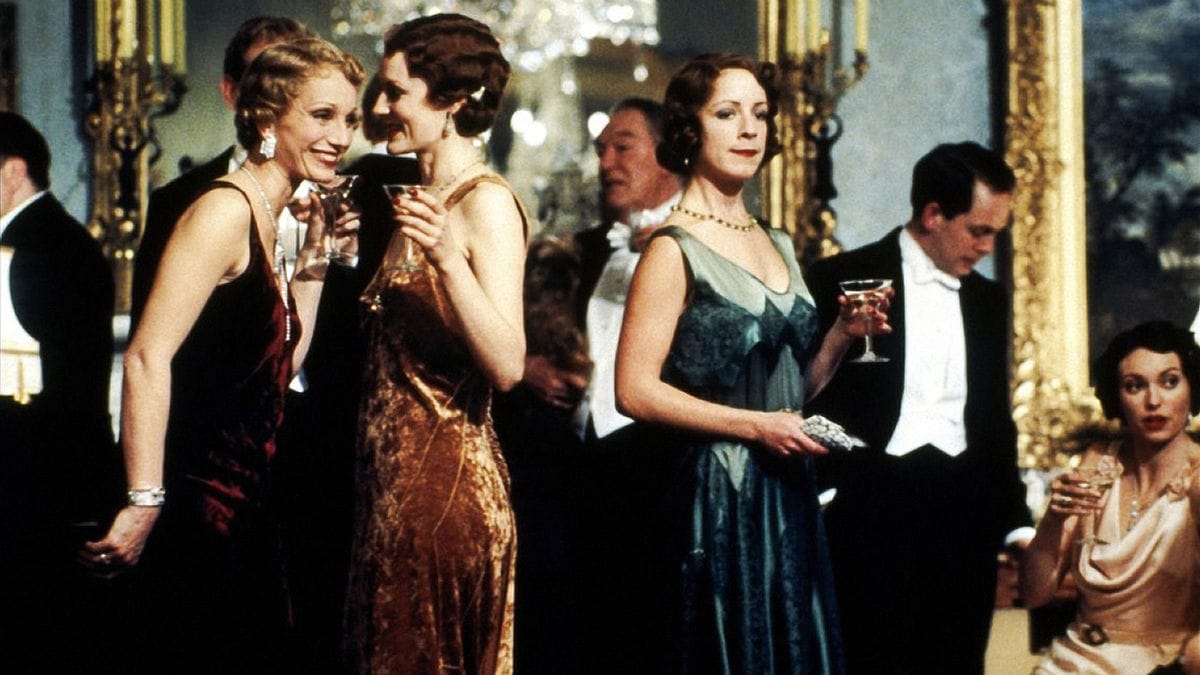
While Lord knows the last thing the Oscar telecast needs is to be longer, one category I would love to see added to the proceedings is best ensemble.

Adventureland is a sweet-hearted study of romance among college grads coping with their new independence in the summer of 1987.
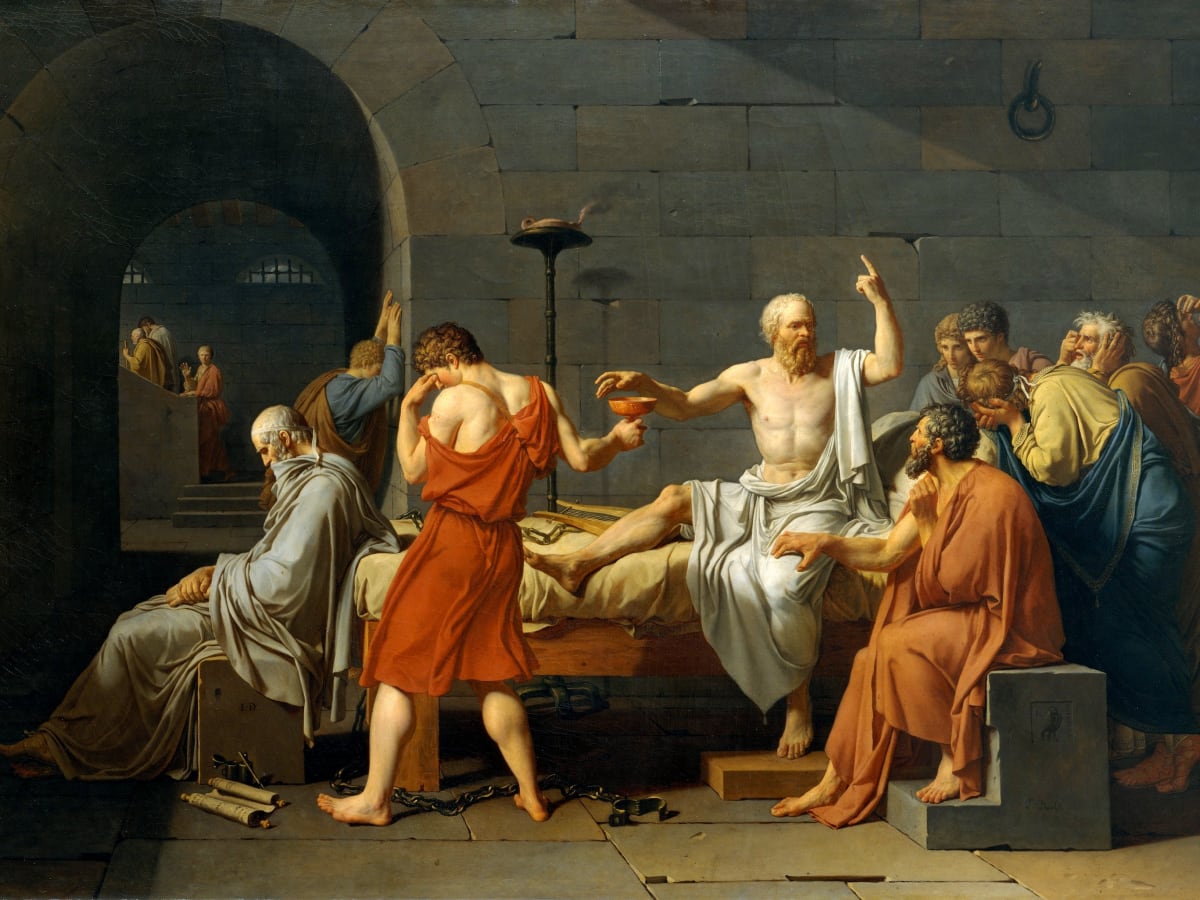
When we started recording these, they were a joke.

Dreyer was committed to the idea of romantic and sexual love between two people as the living embodiment of God on earth.

If the United States makes it easy to follow a certain path to some form of success, it also makes it a little too easy for someone to get lost.