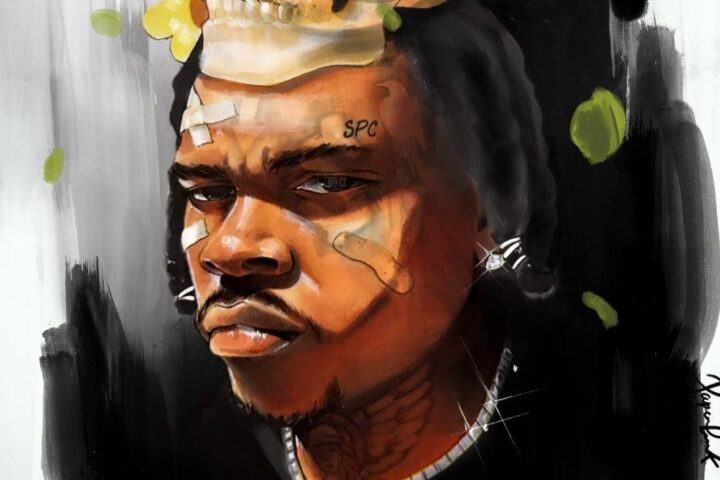
Many of the artists who appear on this list no longer seem content to just break down old barriers, as they also seek to shatter interpersonal and emotional ones as well. The oft-cited isolation of modern living, heavily exacerbated by the pandemic, has compelled some to turn inward and scrape out the depths of their psyches. From Ryuichi Sakamoto’s painstaking, abstract documentation of his treatment for the cancer that ultimately took his life, to the women of Boygenius baring their souls to each other as if no one else was listening, to Wednesday’s Karly Hartzman daring to reveal the “worst” of her past—we’ll be unpacking these dense and rewarding albums for the rest of the year and beyond. Jeremy Winograd

100 gecs, 10,000 gecs
Like 1000 gecs before it, 10,000 gecs finds inventive ways to cover a lot of stylistic ground across its concise 27 minutes. This ranges from the likes of Limp Bizkit-inspired nü-metal on “Billy Knows Jamie” to “The Most Wanted Person in the United States,” which suggests Beck’s “Loser” if it were loaded with cartoonish “boing” sound effects and lyrics about Red Hot Chili Peppers frontman Anthony Kiedis “suckin’ on my penis.” But these descriptions hardly convey the impressive amount of micro-idiosyncrasies the songs, which are frequently as disorienting as they are oddly tuneful, are able to slip in. But mischievous masterminds Dylan Brady and Laura Les can still cram in a lot of insanely catchy melodies into these erratic assortments of noises. Tracks such as “Hollywood Baby,” “Doritos & Fritos,” and “MeMeMe” are all euphoria-filled rides that drill deep into the recesses of your subconscious, and rank as some of the best singles the group has released yet. Paul Attard
Boygenius, The Record
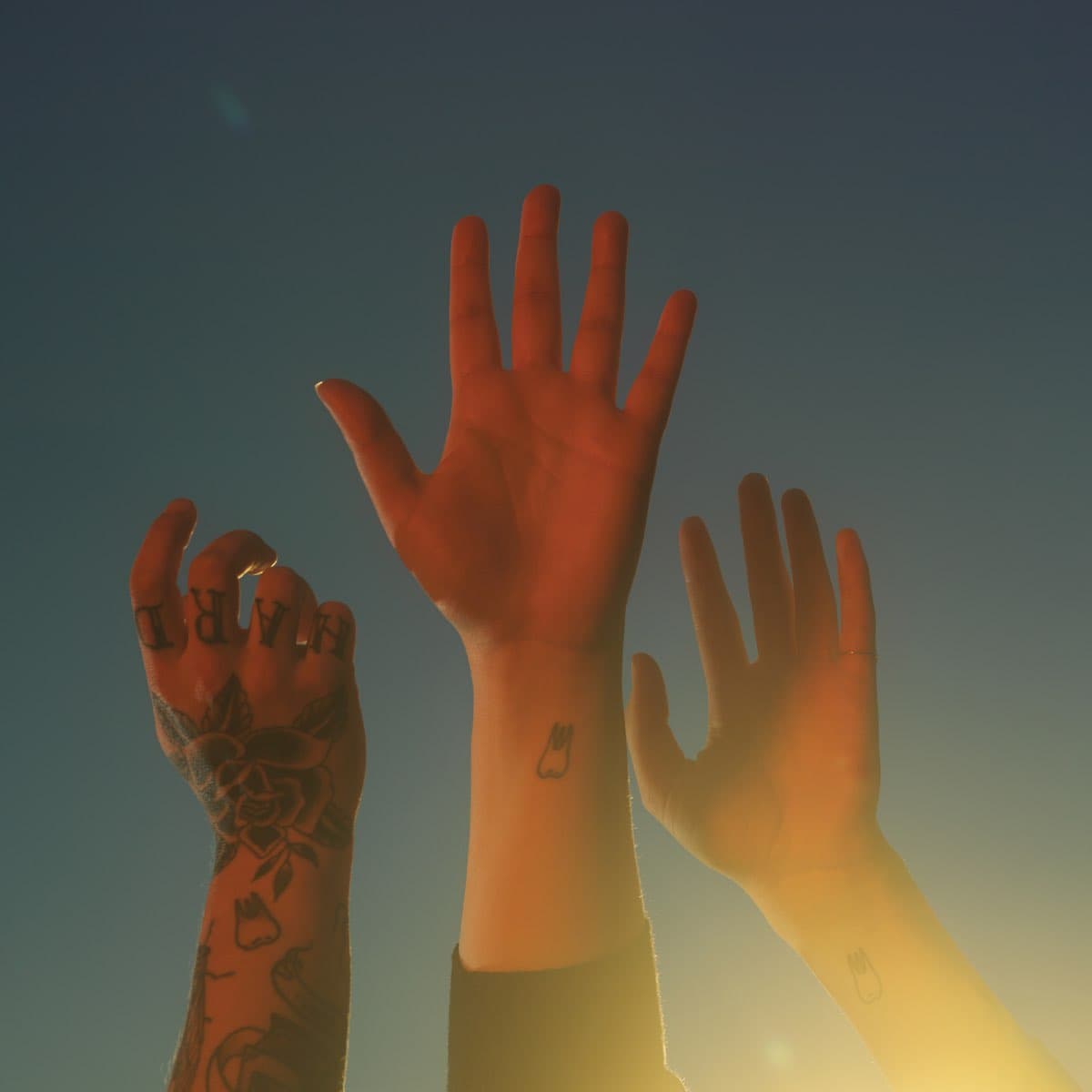
In many ways, Boygenius represents the antithesis of the male-dominated, ego-driven tradition wherein “supergroup” may as well be a euphemism for “dick-measuring contest.” On their first full-length album as a trio, Julien Baker, Phoebe Bridgers, and Lucy Daucus present a collection of intense platonic love songs on which the singer-songwriters seem intent on subsuming, rather than competing with, each other. “It feels good to be known so well/I can’t hide from you like I hide from myself,” Daucus proclaims on “True Blue,” encapsulating why they decided to make The Record in the first place. Musical exploration seems almost secondary, and as complementary as their songwriting is—Baker’s rattling rockers “$20” and “Satanist” are perfect counterpoints for Daucus’s tender and prayerful “Leonard Cohen” and Bridgers’s “Emily I’m Sorry”—only the surprisingly punchy country-pop of “Not Strong Enough” feels like new territory for any of them. Rather, these songs, so personal and so specific, seem as though they were written primarily in pursuit of deepening the band’s friendship. This is an album that the women of Boygenius didn’t make for anyone but themselves, which is why it feels like a privilege for the rest of us. Winograd
Christine and the Queens, Paranoïa, Angels, True Love
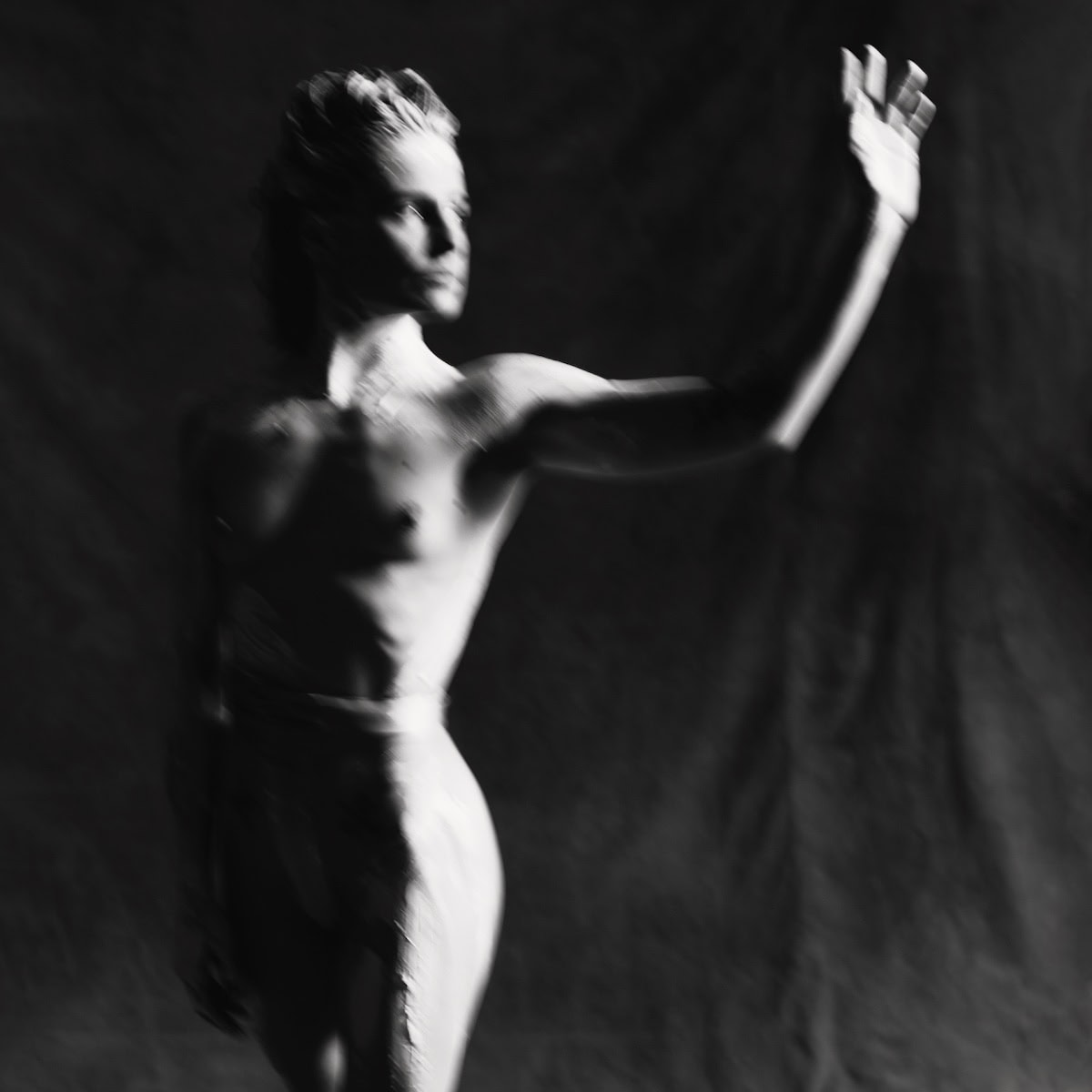
A multifaceted and occasionally unwieldy manifesto for disaffected lovers, Christine and the Queens’s Paranoïa, Angels, True Love is the culmination of the increasingly ambitious approach to pop that the French singer displayed on past releases like 2018’s Chris. The album offers a glut of songs about yearning like “I Met an Angel,” which opens with a Madonna reference—“Open your heart, my love/Don’t let it die”—before the Queen of Pop herself makes an appearance to deliver a spoken-word bridge: “Do you suffer from loneliness?” she asks, already knowing the answer. Paranoïa, Angels, True Love’s apex, “Lick the Light Out,” is rousing not only because of its explosive clatter of drums and electronic guitars, but also because it’s the payoff to a long period of self-examination that we’ve experienced alongside him. Chris leaves us by affirming that his mourning and desire aren’t simply burdens, but manifestations of his greatest strength: love. Eric Mason
Lana Del Rey, Did You Know That There’s a Tunnel Under Ocean Blvd
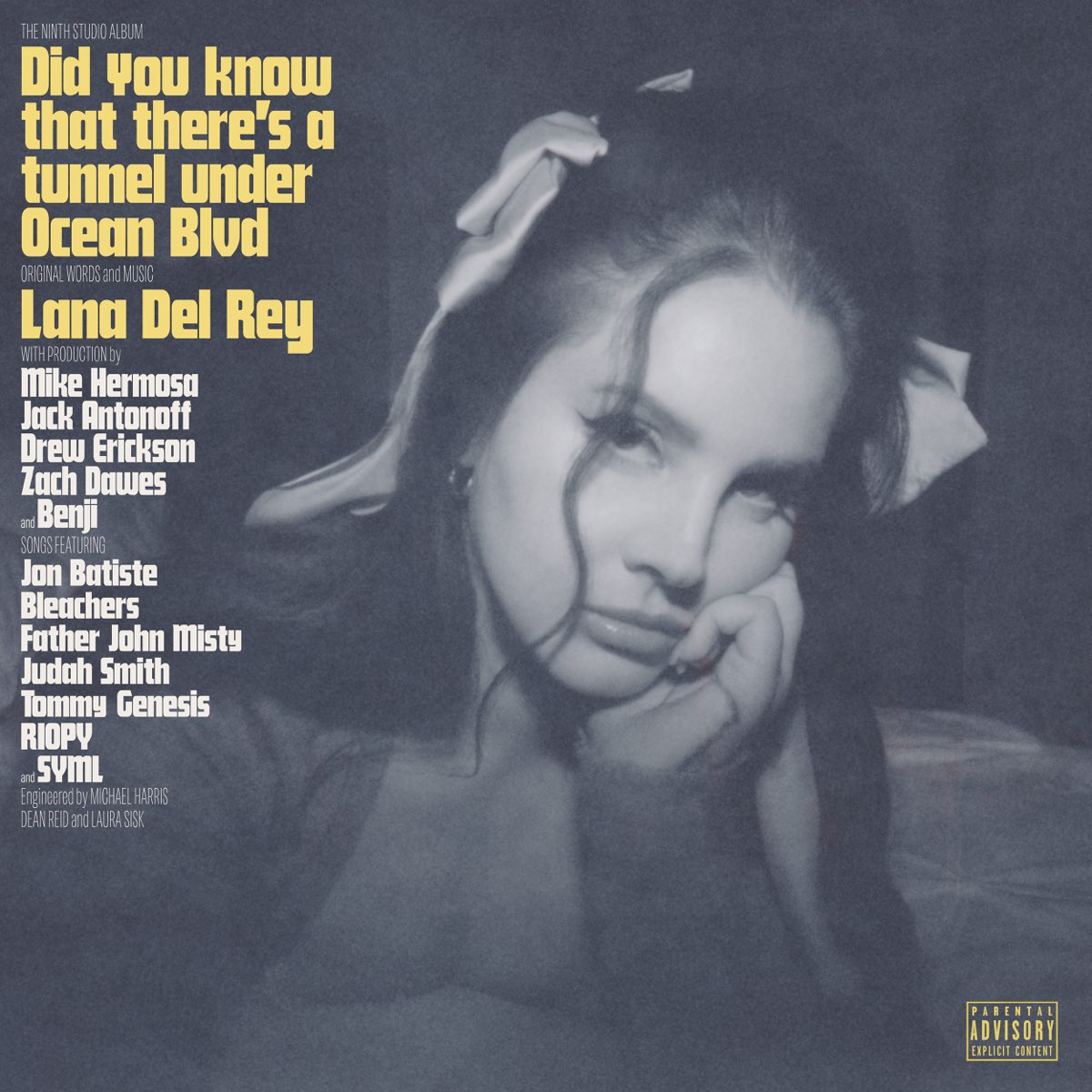
Lana Del Rey spent the early days of her career folding American iconography into her precisely penned and lavishly orchestrated stories of tortured love. Gradually, she came to embody America’s deep-running contradictions, promise, and troubled history. In recent years, her imagery has become less symbolic and more specific, her songs populated by hidden Southern California locales and vivid discussions of her personal life. Did You Know There’s a Tunnel Under Ocean Blvd captures Del Rey’s omnivorous stylistic influences and mixed feelings about family and fame. On what other artist’s album could “Peppers,” a hazy, surf-rock-sampling trap-pop banger, coexist with “Fingertips,” a loosely constructed, deeply devastating slowcore song about mortality and suicide? Ocean Blvd’s centerpiece, “A&W,” can stand in metonymically for the entire album as it morphs from a sullen, self-excoriating folk song investigating rape culture to a sneering playground taunt. The song, like the album, is expansive, internally conflicted, and a testament not only to Del Rey’s multifacetedness, but to her staying power as a visionary pop autobiographer. Mason
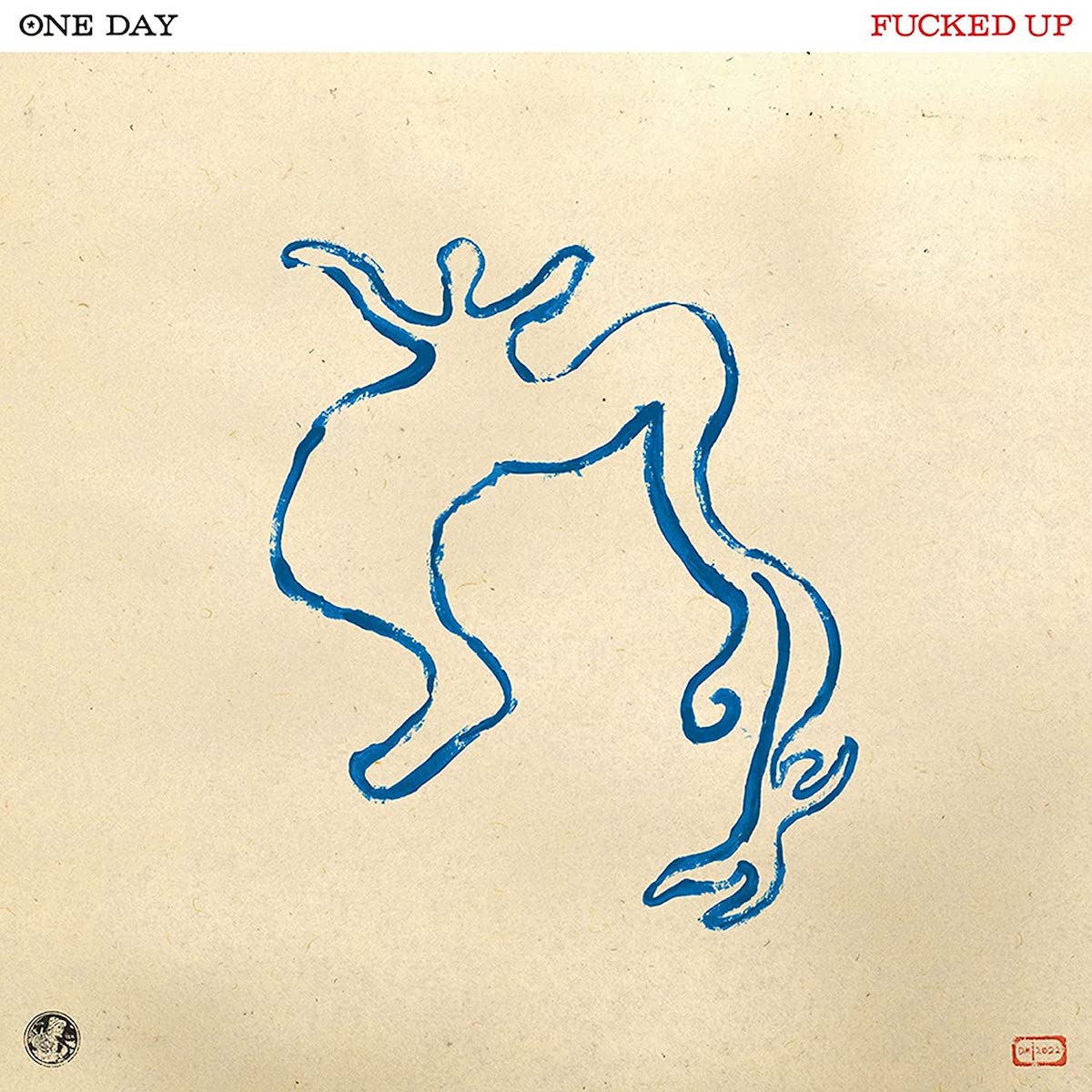
Fucked Up, One Day
In spite, or perhaps because of, their first-thought-best-thought process, Fucked Up manages to fit a surprising amount of stylistic variety into One Day, their shortest album to date. “I Think I Might Be Weird” bounces with noodly glam-rock guitars and extravagant string staccatos, while “Broken Little Boys” blares like the artsy indie punk of Titus Andronicus. One Day is rife with the pain of moving on, its thunderous refrains often carrying somber undertones. “Cicada” is a particularly sorrowful look at loss: Sung by lead guitarist Mike Haliechuk, the track marks both the album’s most melancholic and melodic moment, with Haliechuk’s contemplative, Low Barlow-esque vocals offering a welcome contrast to Abraham’s raucous hardcore yelps. The album amalgamates its disparate lyrical and musical ideas, as well as the confidence of its performances and compositions, into a novel, thrilling 40 minutes. Fred Barrett
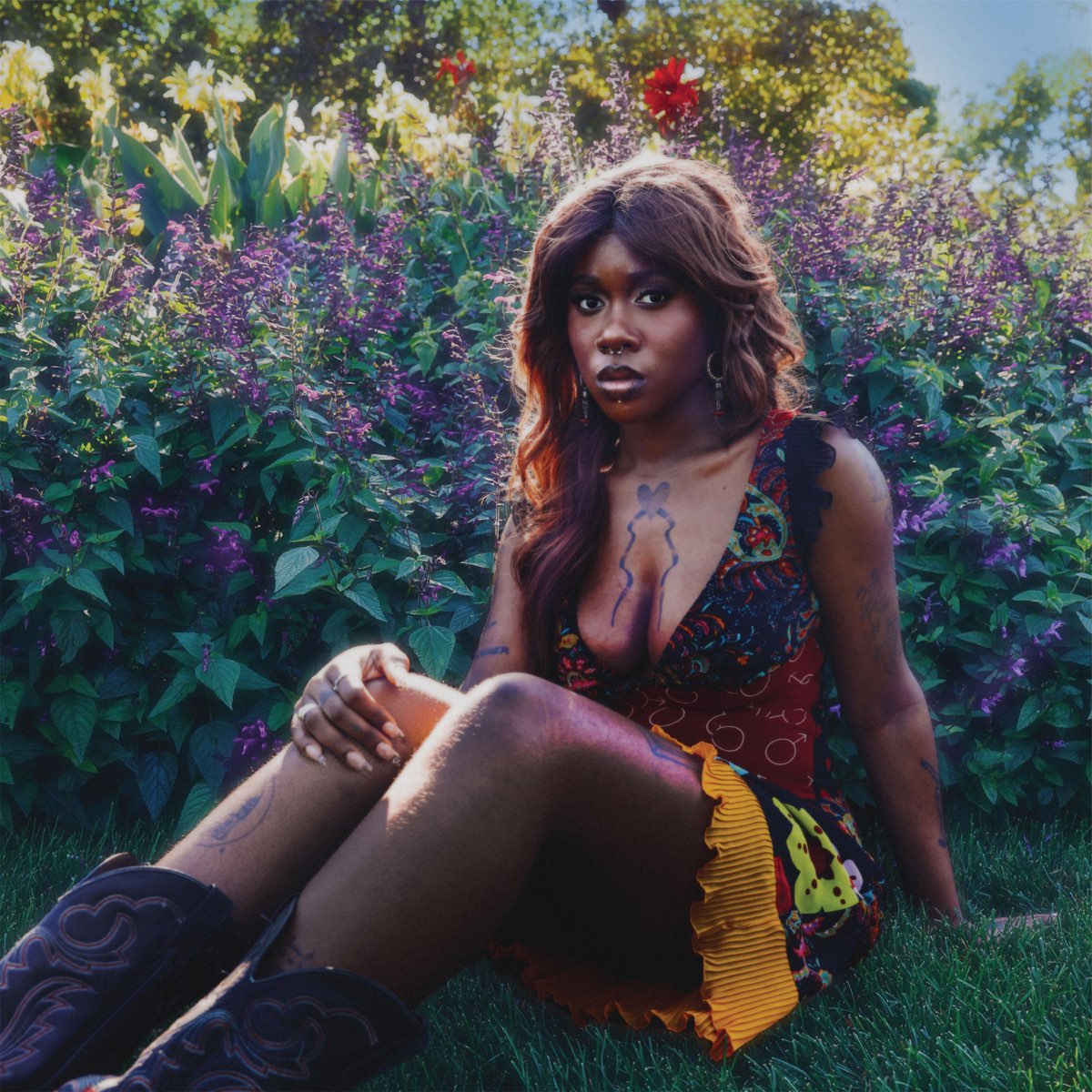
Kara Jackson, Why Does the Earth Give Us People to Love?
Kara Jackson’s debut studio album, Why Does the Earth Give Us People to Love?, is full of ghosts. The poet and singer-songwriter’s characters struggle with feelings of worthlessness (“Dickhead Blues”), ruminate on lost loves (“No Fun/Party” and “Lily”), or question death’s place in the broader context of their lives (as on the title track). Jackson’s voice is deep and weary, as if the act of singing these songs has drained her of her energy. But the one-time National Youth Poet Laureate imbues her songs with a rawness and sense of pathos that cuts against the more conventional sounds of mainstream popular music. Thomas Bedenbaugh

Kelela, Raven
Kelela’s Raven finds the genre-fusing artist approaching dance music in a roundabout and deliberately counterintuitive fashion. In fact, the album’s opening song, “Washed Away,” eschews pop structure almost entirely. Most of the remainder of the album is stacked with breakbeats and even some resounding bass hits, with production assistance on five tracks from LSDXOXO. Kelela maintains a conflicted, frictional energy throughout, especially on the more club-minded cuts. Her stunning vocals frequently drag and drift, with sentences drawn out over multiple stanzas, paying no mind to when the verse is technically over. The effect, rather than undercutting the impact or momentum of the music, registers as a statement of purpose. No matter the tempo or setting, Raven is fully aware of how the body can both entrap and liberate. It’s an innovative use of music as a vessel to capture both. Charles Lyons-Burt
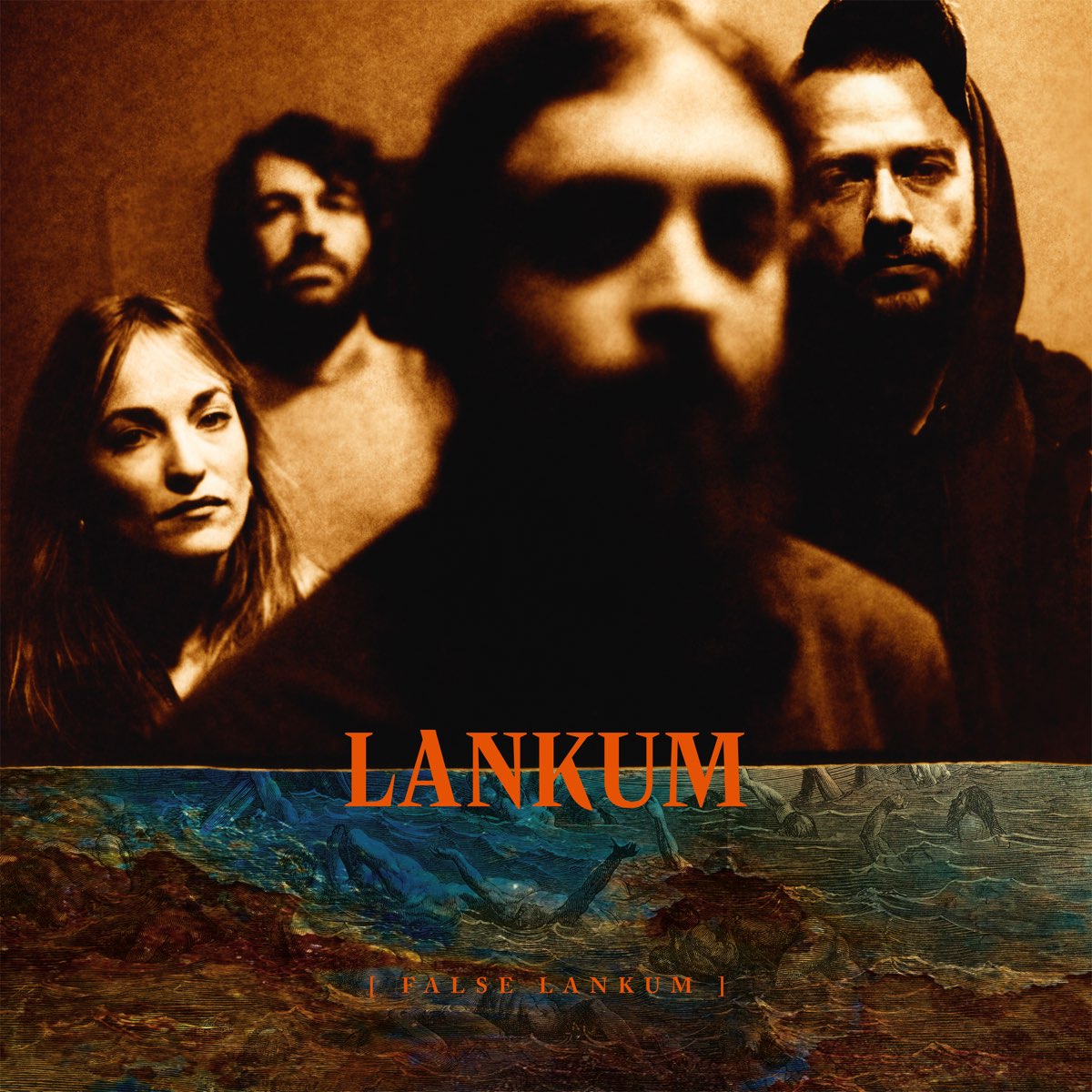
Lankum, False Lankum
On False Lankum, Lankum reworks Irish folk as avant-garde drone, using harmonium, concertina, and hurdy-gurdy as distortion and fuzz pedals. The songs are long and slow (“The Turn” grinds away for 13 minutes), displaying a command of mood and color. Many of them suddenly increase the intensity halfway through, where a rock band might place a guitar solo, by adding layers of noise. Comparisons to the Pogues might be lazy, but they’re also understandable. Both bands perform rock-informed versions of Irish folk music, but Lankum’s music is actually closer to the gothic mystery of Nico’s The Marble Index and Desertshore. False Lankum does wonders with a weary mood, but the album includes just enough lightness to make its anxiety feel exciting. Steve Erickson
Liv.e, Girl in the Half Pearl
Olivia Williams specializes in deconstructing the sounds and genre conventions of R&B and mashing them together with whatever strikes her fancy. Everything from woozy psychedelia, spaced-out ambient, frenetic drum ‘n’ bass, and fragmented song structures a la L’Rain or Blood Orange all find their way onto the artist’s sophomore effort, Girl in the Half Pearl. But eclectic influences alone don’t make an album worthwhile, and Williams fills hers with gorgeous, occasionally haunting melodies that are as infectious as they are ephemeral. Bedenbaugh

Kate NV, Wow
Kate NV’s Wow is the sonic equivalent of opening a toy box, sticking your hand in, and discovering a new, unexpected trinket each time. At any given moment, you’re just as likely to hear a honking car horn as you are traditional brass, or the twangs of a vibrating xylophone arpeggio right after a series of stray notes from a creaky glockenspiel or violin. But while the album can certainly feel random, it’s a clever bait-and-switch, given how carefully NV has arranged these tracks and how many mightily deceptive melodies she’s able to sneak into what at first sounds like total disorder. There’s also a strong sense of unity in how each song eventually comes together, and the album as a whole cohesively flows from one impressive moment to the next, ebbing and flowing between states of serenity and chaos. Attard
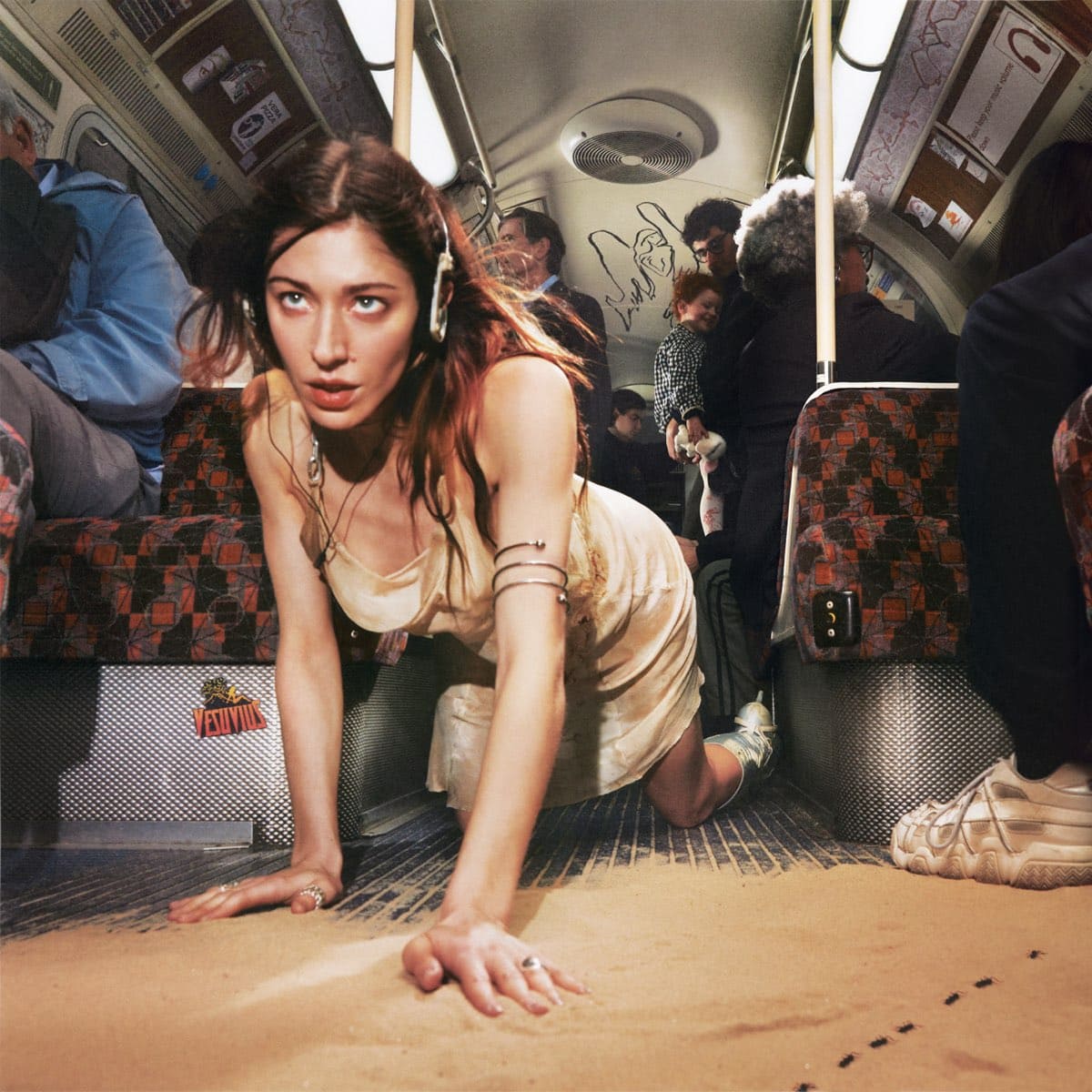
Caroline Polachek, Desire, I Want to Turn Into You
Caroline Polachek doesn’t just investigate desire, she explores what it means to become it. Plunging headfirst into a dreamlike realm that’s distinctively hers, Desire, I Want to Turn into You is pop music at its most phantasmagorical. Sounds take on synesthetic qualities as Polachek’s voice soars through octaves, yodels with an operatic clarity, and dips into lower registers with a cavernous resonance. Lyrically, the album scrutinizes life’s mundane realities, illuminating their often-overlooked intricacies. On “Pretty in Possible,” Polachek mourns the fleeting lives of mayflies; on “Blood and Butter,” she yearns to melt into her partner like a tattoo; and on “Sunset,” she finds the antidote to her mental spirals in a warm embrace. This intricate dance between the transient and the enduring underpins Polachek’s music. She doesn’t just imagine her creative vision—she becomes it. Jackson Rickun

Ryuichi Sakamoto, 12
Ryuichi Sakamoto wrote and produced his 15th studio album, 12, during a year-long recovery from cancer treatment. It’s a starkly intimate affair where, on some songs, the Japanese composer and pianist’s heavy breathing can clearly be heard in the mix, a conscious decision that underscores the corporal cost of his current musical efforts. Sakamoto has likened 12 to a diary of sorts, with each of the album’s dozen minimalist tracks named after the day on which they were recorded. Its ever-shifting tenor and timbre mirrors the traditional grieving process, starting with a heightened sense of isolation from the outside world that eventually develops into feelings of frustration, agony, and, finally, acceptance. Attard

Susanne Sundfør, Blómi
Susanne Sundfør’s Blómi is a spacious, ambient-folk meditation on optimism and purpose with a widescreen perspective of humanity. The album lacks both the drama and catchiness of the Norwegian singer-songwriter’s past efforts, but her goals here are decidedly different. Blómi revolves around inspiration, edification, and comfort, all befitting of the title—which means “to bloom” in Norwegian—and serving as a marked departure from earlier songs such as the urgent “Accelerate” and lovelorn “Undercover.” The album’s overarching theme that love is essential to the human condition is both life-affirming and predictable: “From the ashes of sorrow/We will rise again,” Sundfør sings on the title track. But Blómi’s unflagging optimism and embrace of new age ambience are joyously therapeutic. Mason

Kali Uchis, Red Moon in Venus
On Red Moon in Venus, Kali Uchis feels it all. Like a song cycle of love and heartbreak in fast-forward, the album finds the Colombian singer moving fluidly from track to track, a chronicler of the human heart. She whips up lush word paintings set to a sexy mix of Latin pop, R&B, and psychedelic soul. Beneath the luscious veneer, though, she’s more mercurial. Lyrically, her emotions shape-shift from acceptance to revenge on the tracks like the haunting “I Wish You Roses,” a serene surrender to the tumultuous throes of a love lost, while on “Deserve Me,” she delivers a raw, defiant sneer: “I like it better when you’re gone.” Uchis writes with surgical precision, demonstrating a textured understanding of the push and pull of love. She possesses an uncanny knowledge of when to allow herself to feel heartbreak, when to retreat into solitude, when to surrender to love’s intoxicating agony, and when to scoff at it with an acerbic, dismissive laugh. Rickun

Jessie Ware, That! Feels Good!
When U.K. soul singer Jessie Ware reinvented herself as a disco diva for 2020’s euphoric What’s Your Pleasure?, it seemed like it might be a pandemic-induced passing fancy—like baking or Zoom happy hours. That! Feels Good!, though, doubles down on its predecessor’s mission statement, answering the titular query with an enthusiastic exclamation. The album is horn-ier and, if possible, hornier, opening with a moan and a bass groove that leaves no doubt about where things are headed. “Remember, pleasure is a right,” Ware declares on “That! Feels Good!” The album’s emphasis on pleasure is neither ironic nor glib, but rather genuine, if partly aspirational. That! Feels Good! both embraces a past where cellphones don’t exist and a present (and future) where dance floors are wide open and where we can at least indulge in the fantasy of feeling good. Sal Cinquemani
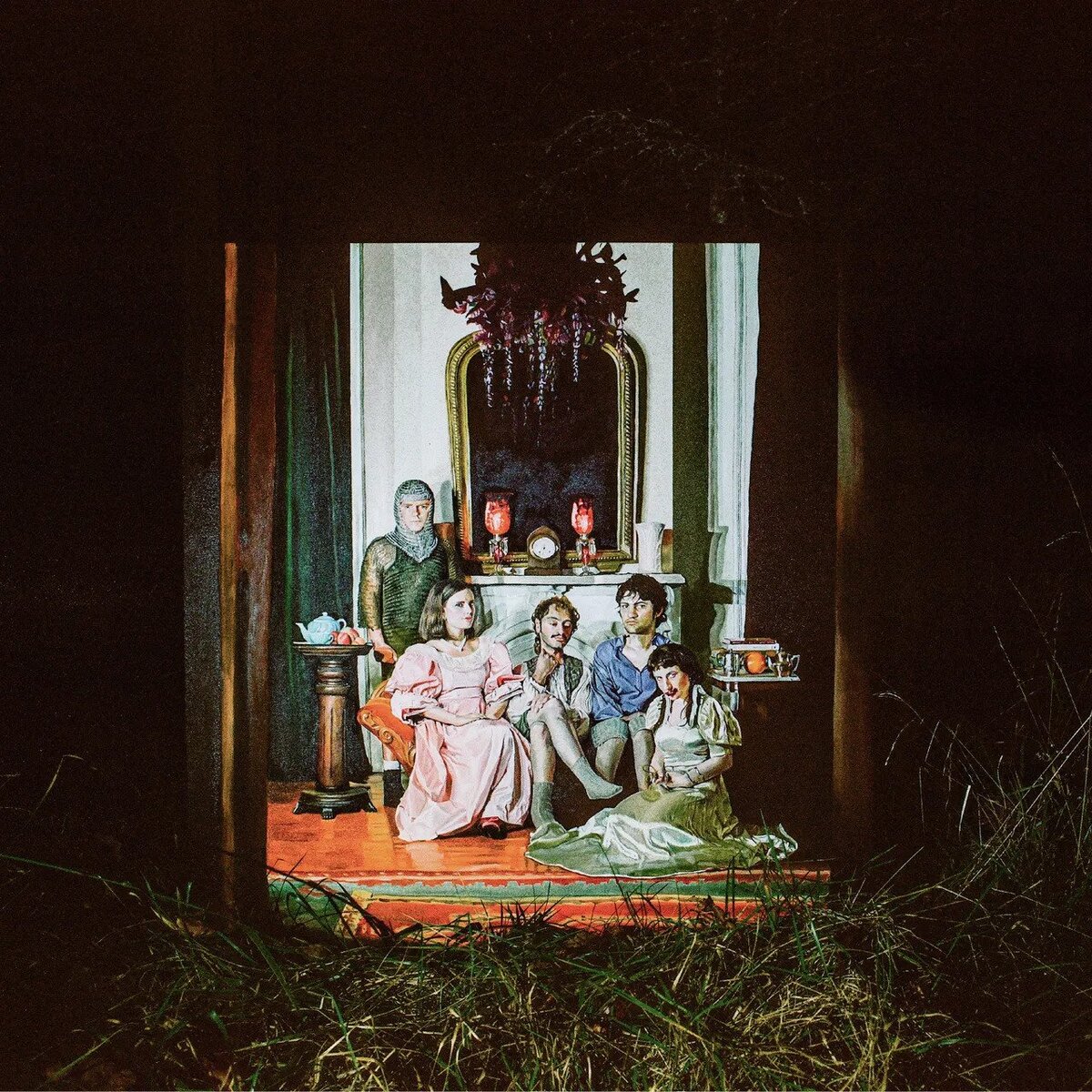
Wednesday, Rat Saw God
Wednesday’s vividly expressive Rat Saw God veers almost constantly between extremes: soft and loud, fast and slow, mundane and extraordinary. The Ashville band’s songs can be gentle and melodic at one moment, and aggressive and even violent in the next, cycling through an eclectic range of influences, from grunge to shoegaze to country-style balladry. Singer Karly Hartzman takes a similarly collage-like approach to her lyrics, largely eschewing conventional narrative in favor of quilting together memories and images from her past: “I went to school about three days out of the week/Watered down all the liquor/And then pissed outside in the street,” she confesses on “Chosen to Deserve.” You’ve heard plenty of noisy rock songs about teen angst, and probably even more twangy tunes about life on the road, but rarely do the two mix so freely as they do throughout the album. Winograd

Billy Woods and Kenny Segal, Maps
Throughout Maps, Billy Woods’s lyrics are dense and cryptic without succumbing to word salad. The rapper and indie label head has something in mind every time he speaks, even if it takes a few listens to figure out just what that is. The album captures a life spent mostly on the road, as Woods admits, “I actually took a $300 Uber to a show,” atop producer Kenny Segal’s chopped-up jazz samples. He feels the pressure to please his fans, worrying that he might forget his own lyrics. On “NYC Tapwater,” Woods returns home to an increasingly gentrified New York and doesn’t quite find the solace he seeks. The hip-hop equivalent of TV shows like Atlanta and Reservation Dogs, Maps is disorienting and surreal, presenting an artist who’s at once relatable and enigmatic. Erickson

Yaeji, With a Hammer
At the heart of Yaeji’s debut studio album, With a Hammer, lies an exploration of the link between creation and destruction. Recorded in New York and Seoul during the pandemic, the album finds the Brooklyn-based, Korean-American producer and singer deftly deconstructing white-hot breakbeat, trip-hop, and vocal sampling into a mosaic of unpredictable textures. And as With a Hammer unfolds, it becomes clear that the push and pull of chaos and order, of melody and discord, permeates not just the soundscapes, but also the emotional core of Yaeji’s lyrics. Breaking becomes a radical act of healing, enabling a transformation that paves the way for new beginnings. The chaos of shattered glass, splintered wood, and broken concrete might seem like the result of destruction, but With a Hammer suggests that they’re metaphors for the fragments of the pain we carry. In Yaeji’s world, when life hands you a hammer, you break shit down. Rickun
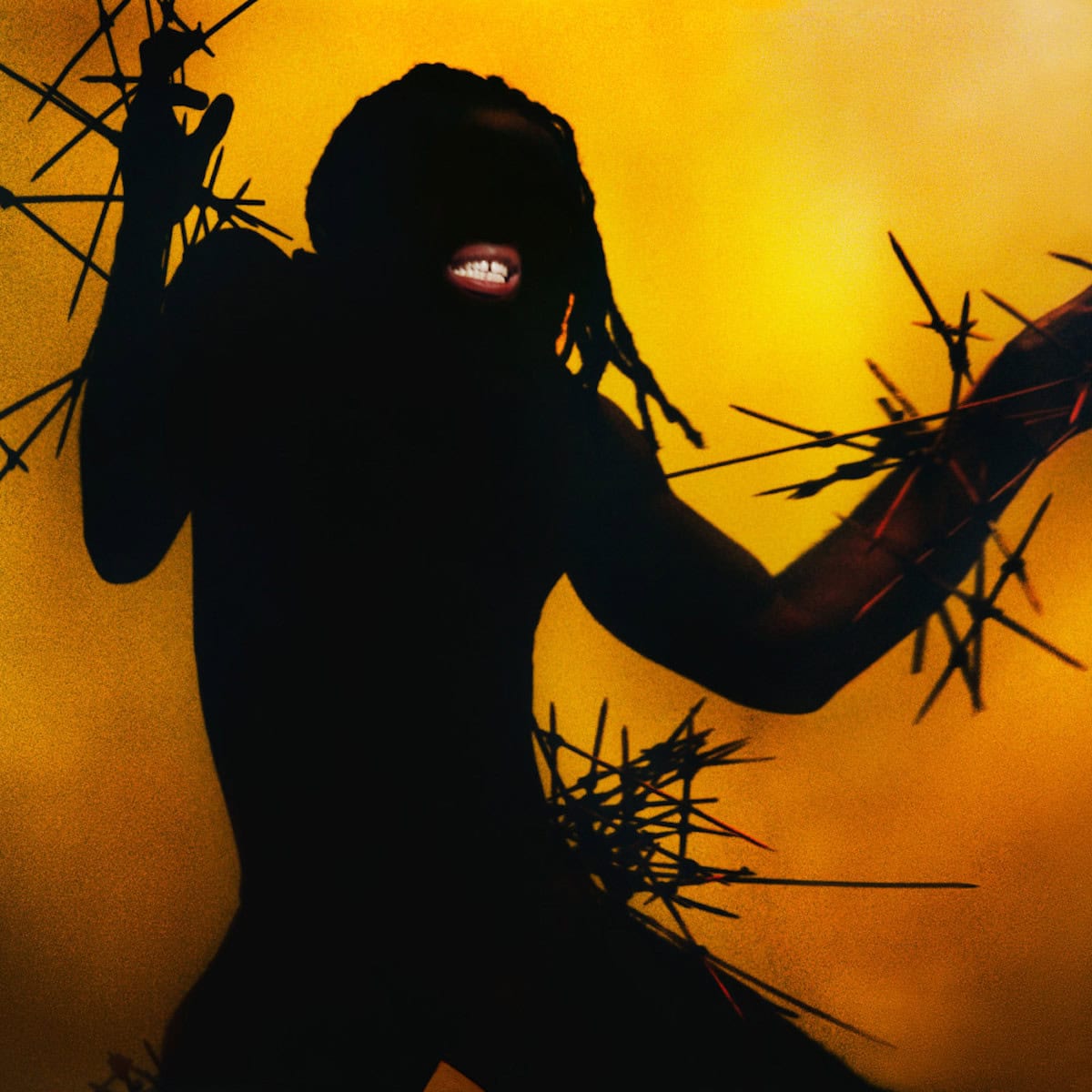
Young Fathers, Heavy Heavy
After three albums of soulful, rap-infused art-pop, Young Fathers unleash the full force of their collective passion for music on Heavy Heavy. Informed by experiences of traveling through Africa, the Scottish trio’s fourth album is a spiral of psychedelic pop and Pan-African influences that radiates both rowdy joy and the looseness of a friendly jam session. Opener “Rice” has the foot-stomping fervency of a spiritual, and “Sink or Swim” dials up the intensity even further with guttural grunts and waves of noise. Even the slower-paced cuts, such as the wistful “Geronimo” and cavernous “Shoot Me Down,” are imbued with a sense of urgency by their globally minded instrumentation and lyrics. Mason

Yves Tumor, Praise a Lord Who Chews But Which Does Not Consume…
With Praise a Lord Who Chews but Which Does Not Consume; (Or Simply, Hot Between Worlds), Yves Tumor dials back their earlier explorations of rock and soul. All but three of the album’s 12 tracks clock in at around three-and-a-half minutes, with Tumor seeking to find a more tangible balance between the more conventional styles that dominated their recent releases with the everything-but-the-kitchen-sink approach to instrumentation that’s become their hallmark. The final product is an album steeped in emotional anxiety and dejection that finds emotional power in its varied sonic palettes and searching lyricism. Throughout, the atmosphere of fear is punctuated or balanced by catchy, memorable melodies and lyrics that convey a striving for inner peace while struggling with existential dread. Bedenbaugh
Since 2001, we've brought you uncompromising, candid takes on the world of film, music, television, video games, theater, and more. Independently owned and operated publications like Slant have been hit hard in recent years, but we’re committed to keeping our content free and accessible—meaning no paywalls or fees.
If you like what we do, please consider subscribing to our Patreon or making a donation.