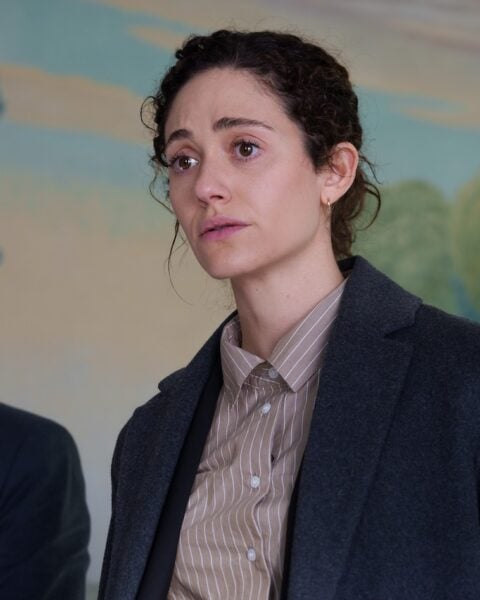
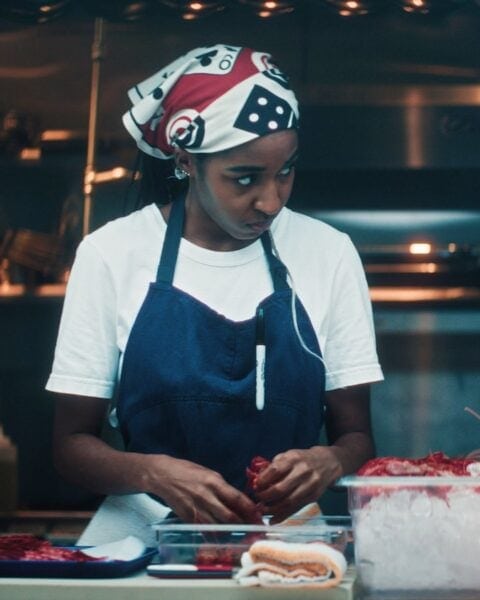
These shows prove the marathon-watching juggernaut’s concern for both quantity and quality.
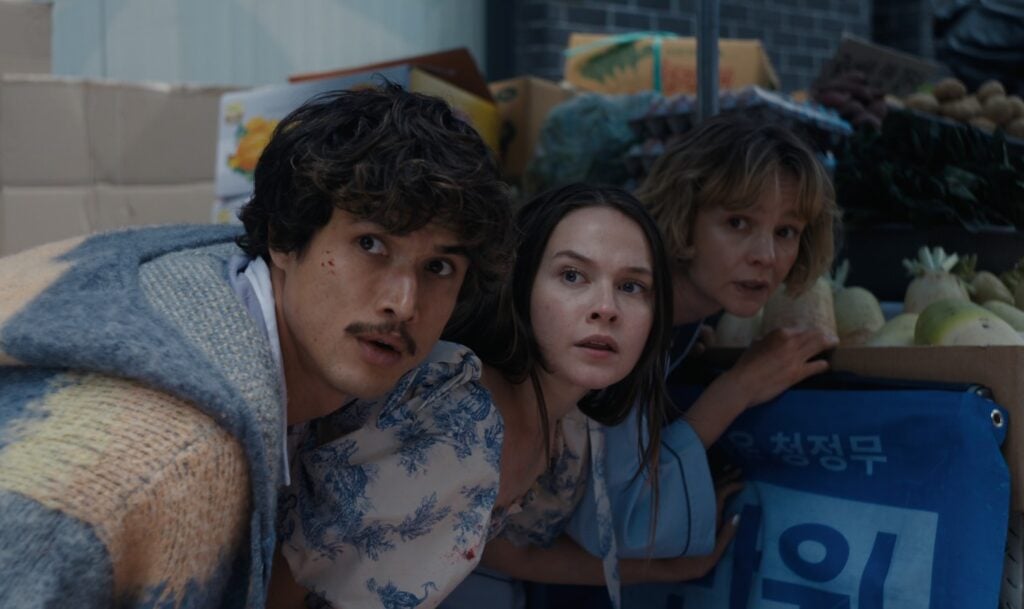

These shows prove the marathon-watching juggernaut’s concern for both quantity and quality.

Model Shop served as a stern reaffirmation that you can’t go home again, and much of “Field Trip” revolves around an inability to notice that resilient adage.

Orphan Black often cloaks the clearest statement of an episode’s theme in an otherwise inconsequential moment.

It dulls the satirical bite of its predecessor with stock characters and a standard episodic arc.

Showrunner Matthew Weiner and company crafted an episode riddled with allusions to business as a love affair.

The Sansa/Cersei contrast sets the tone of the episode, which focuses on women more than any other hour of the series to date.

On Orphan Black, Tatiana Maslany runs the show, and the episode wrings ample excitements from her incomparable performance.

True to the more muted tone of the premiere, the second episode offers minimal indication that anything is wrong.

The purgatorial mood that Matthew Weiner and his crew conjure here sets the stage for Don and company’s final season-long cocktail hour.

The most irksome flaw, and there are many, of the show’s final season is a vein of self-congratulation.
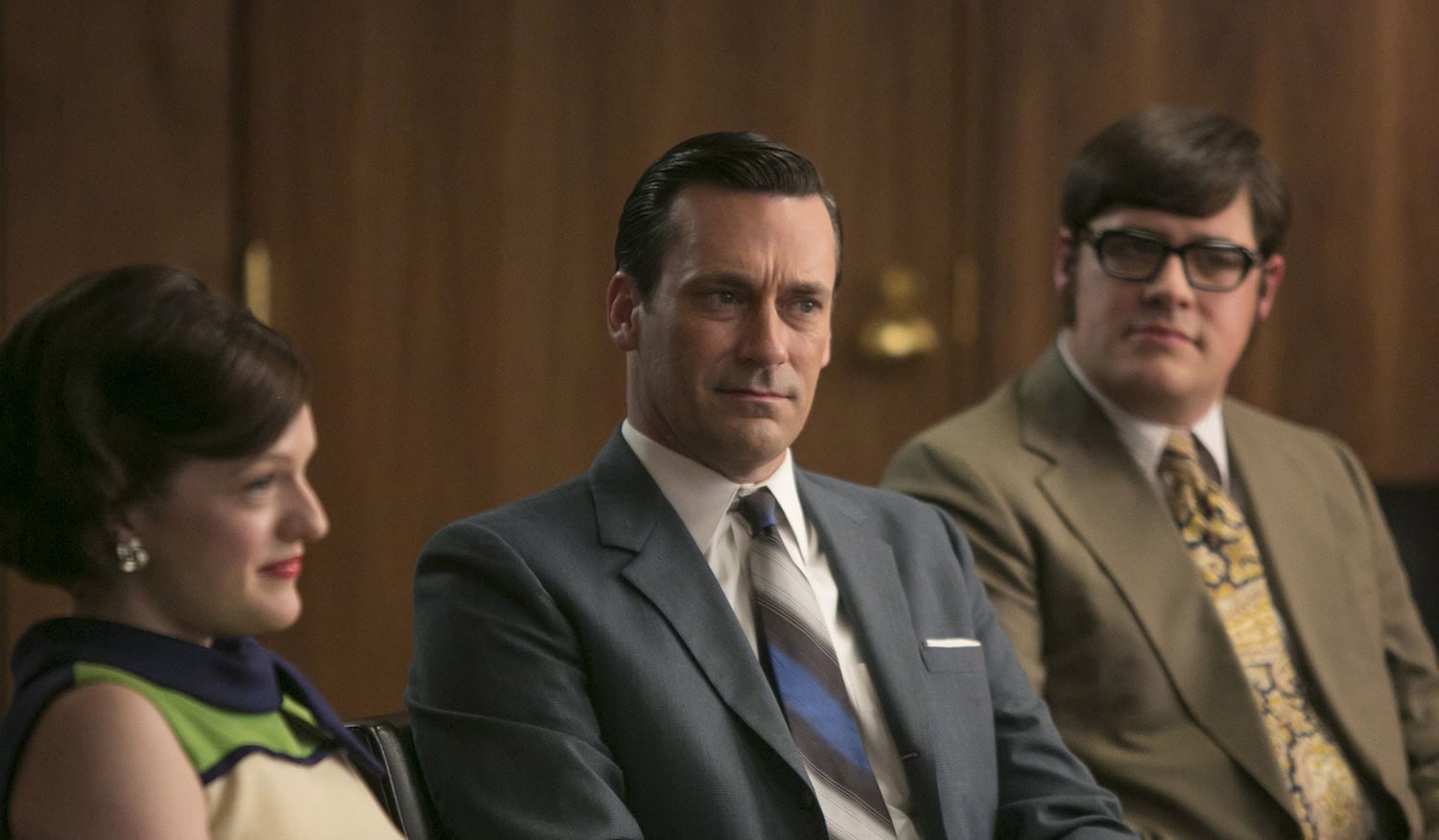
Wherever its American saga is taking us, the getting there is likely to be as exhilarating and thoughtfully rendered as it can be.

The inter-scene cutting here slightly lingers on every place the camera visits, now searching for someone who appears to know where to go next.
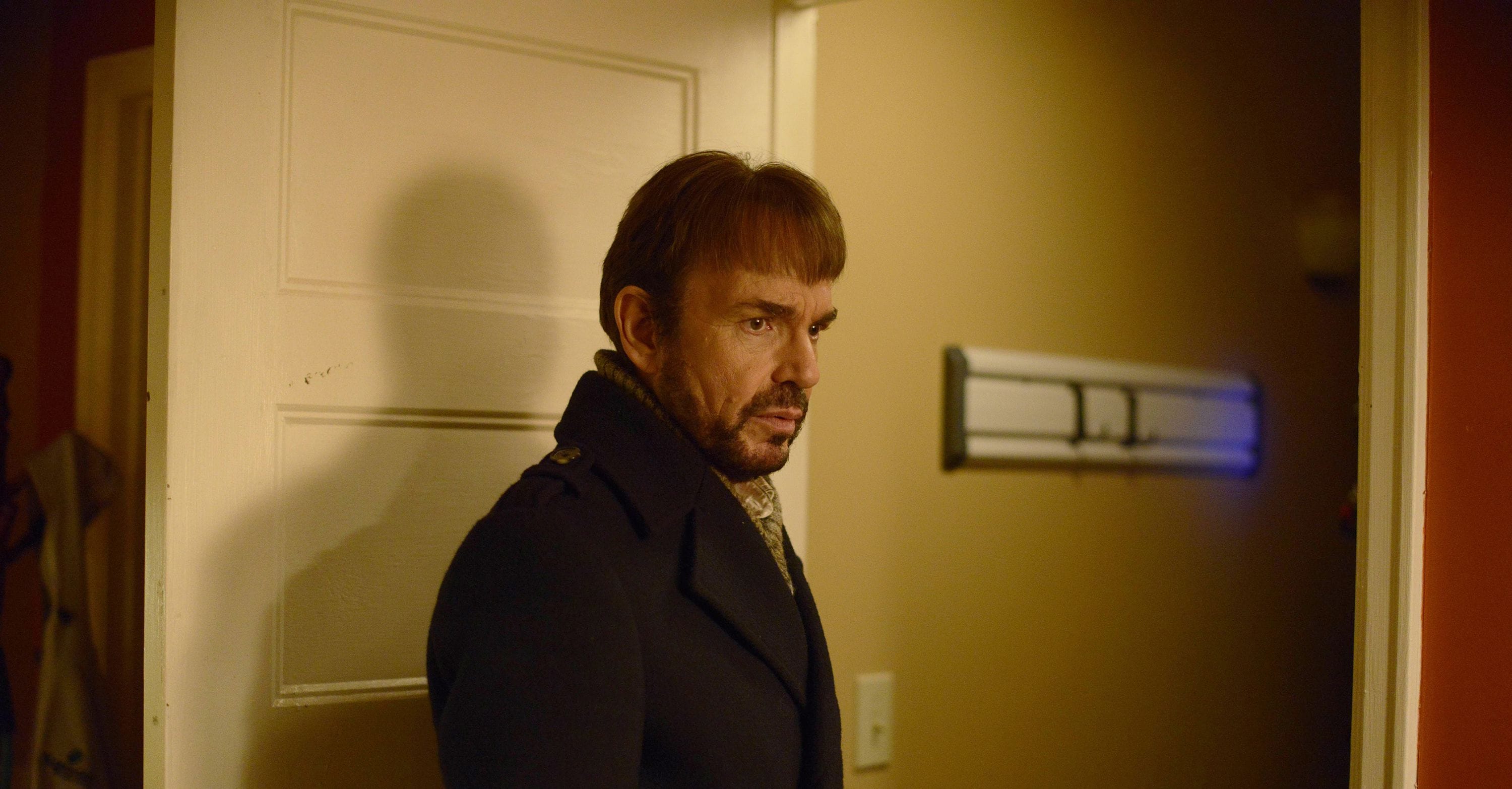
It often suggests an alternate world that exists parallel, or perhaps perpendicular, to the dimensions of the film on which it’s based.

Game of Thrones finally feels liberated from its own extensive mythology and now moves with thrilling fury and purpose.

It seems to suggest that political life is so all-consuming that no happy, well-adjusted person would ever choose to be a part of it.

It’s driven by an outrage that acknowledges that our culture is being reshaped, with terrifying rapidity, by opportunistic horndogs.

The episode offers insight into why Rick drifted into the background of the show’s main story.

When it directs its crazed energy at imagining all the ways Norman Bates and his mother will end up losing, Bates Motel sings.

Negotiation is a recurring theme in “Us,” the penultimate episode of The Walking Dead’s fourth season.
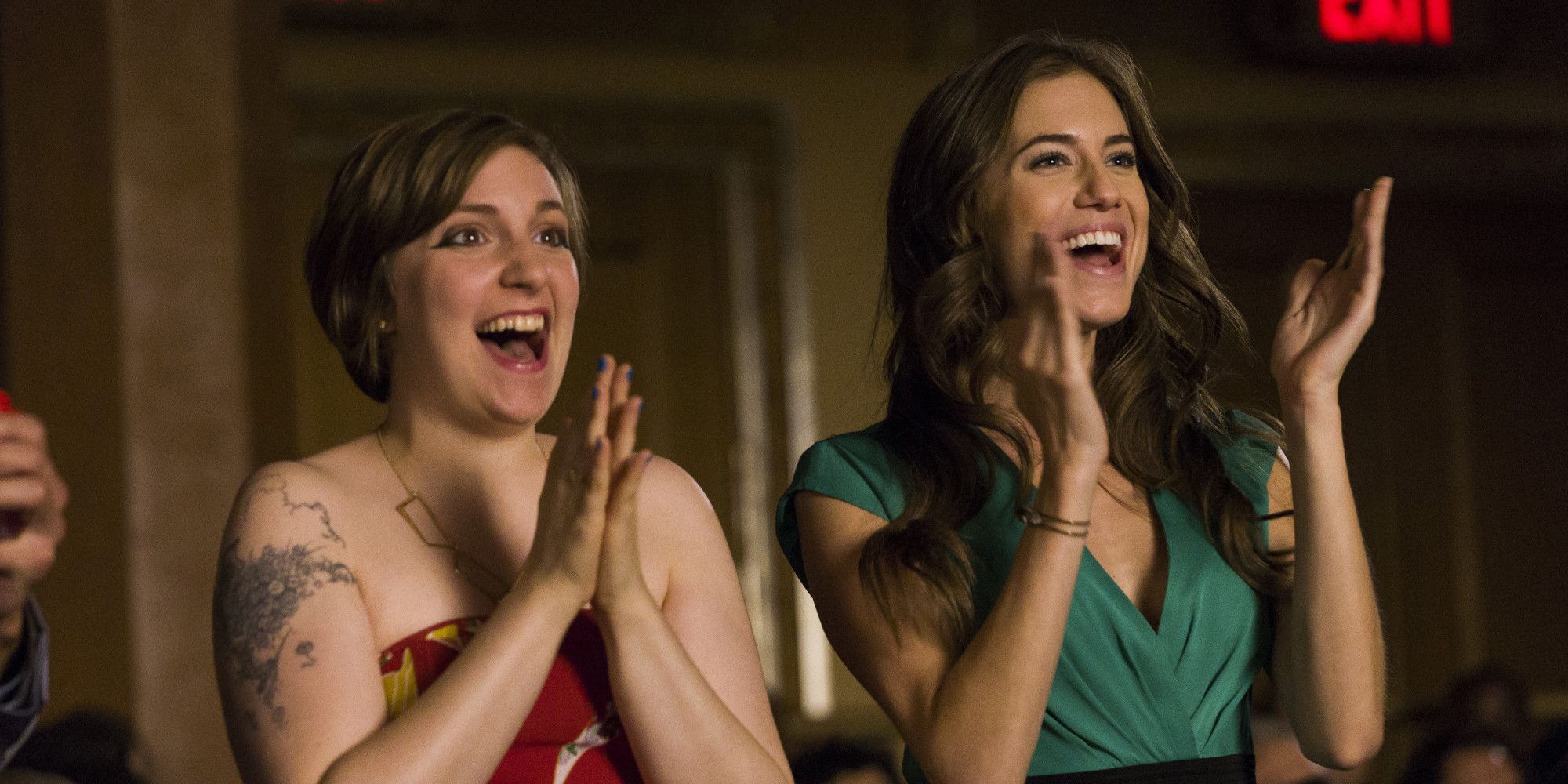
It more or less resolves the season’s narrative concerns while simultaneously reminding us that such convenient closure is ultimately an illusion.

The chasm that exists between being a working actress and being a household name is central to the drama.