These shows prove the marathon-watching juggernaut’s concern for both quantity and quality.

These shows prove the marathon-watching juggernaut’s concern for both quantity and quality.
The book is an exciting new addition to the canon of critical race studies.

“Only Child” serves as a succinct primer on all that’s currently right and wrong with Girls.

“The Seven Wonders” finds Coven largely tending, predictably for the most part, to a final bit of plot bookkeeping.

There are enough references to Ian Fleming’s penchant for embellishment that he can only be viewed as an unreliable narrator of his own story.
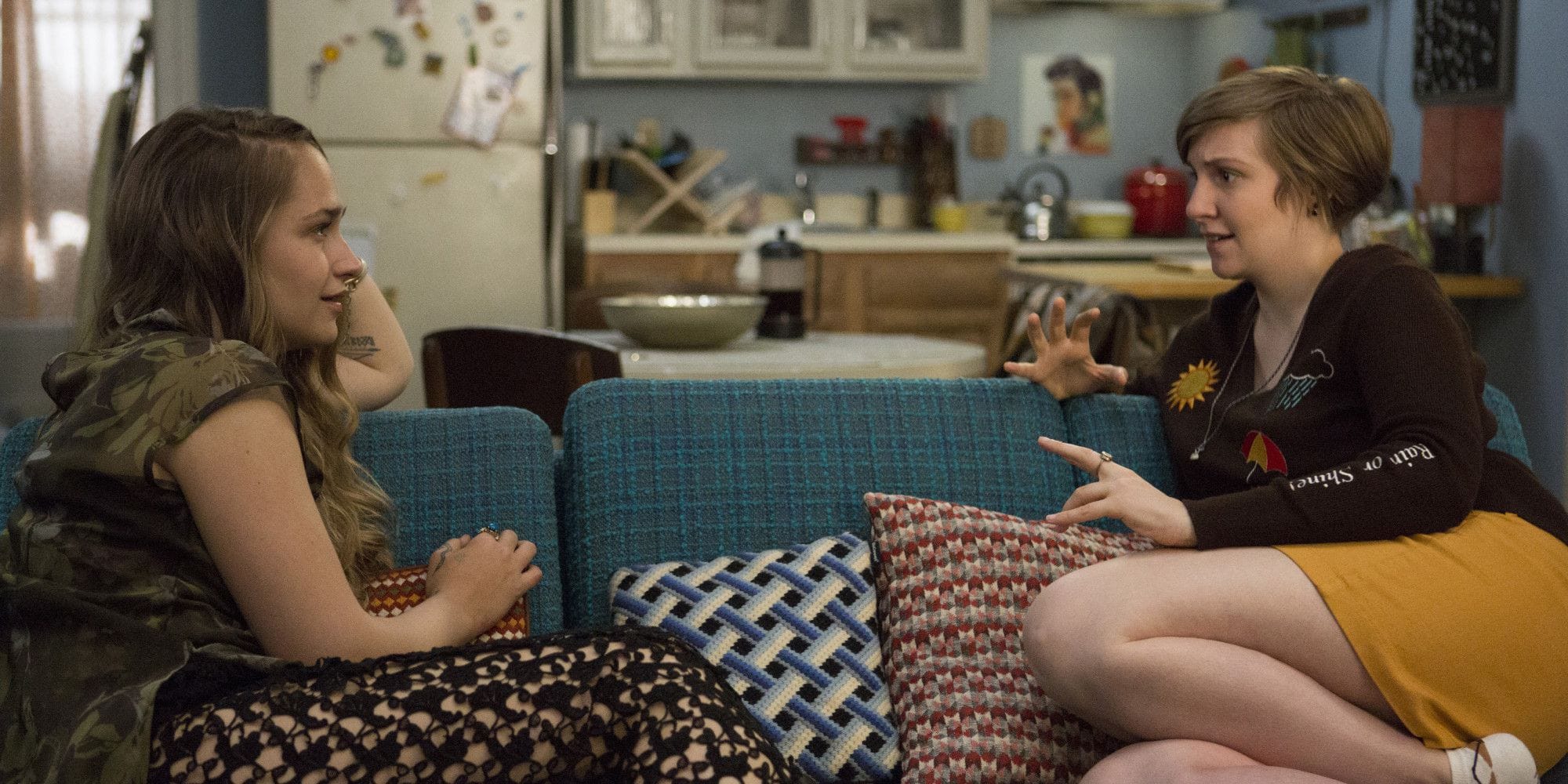
It finds Girls addressing the Biggest Subject without losing its sense of oxymoronic comedy that’s rooted in contained rootlessness.
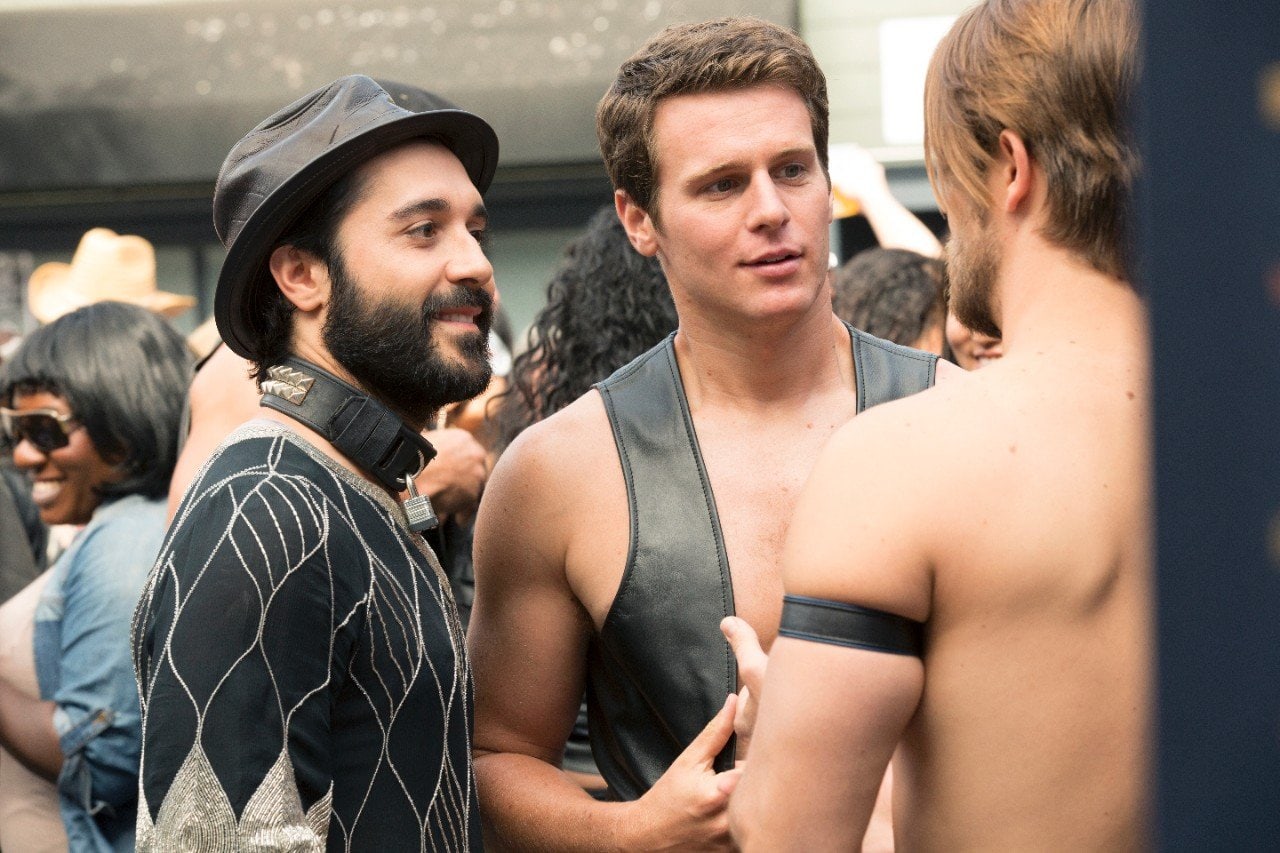
With the premiere of Looking, Andrew Haigh finds himself at a new standstill.

The penultimate episode of Coven finds the series still desperately scrambling to introduce busy conceits.

It suggests that Girls may be undergoing a tricky transition that somewhat accounts for last week’s growing pains.
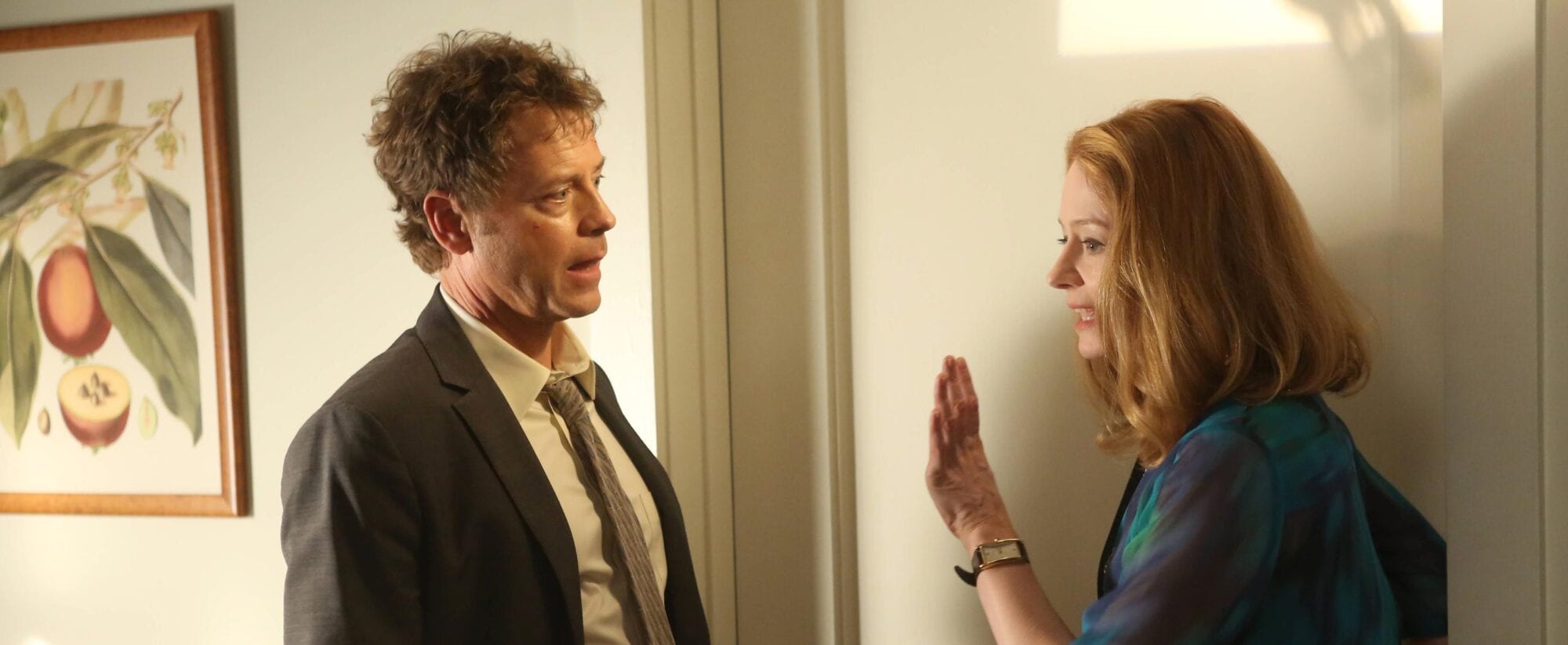
The generally diverting Rake often recalls the one-damn-thing-after-another eccentricity of Carl Hiaasen’s comic crime novels.

It emerges as a dramedy exploring how gay men clumsily negotiate the appropriate distance to place between the words “friends” and “benefits.”

In its second season, The Following remains trash that doesn’t even have the common courtesy to be self-consciously trashy.
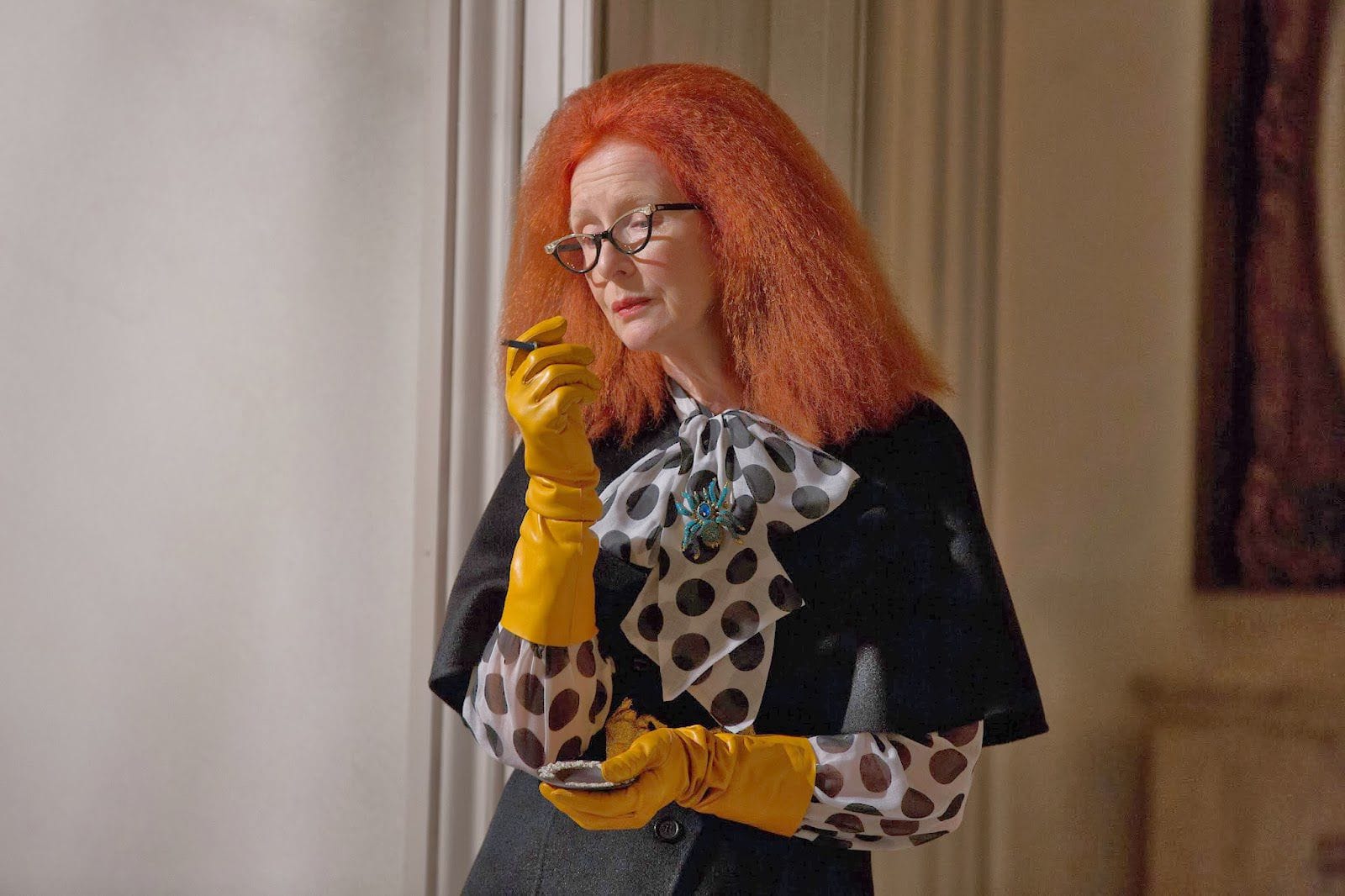
It’s fair to say that Coven has evolved in a fashion opposite to that of the prior Asylum.
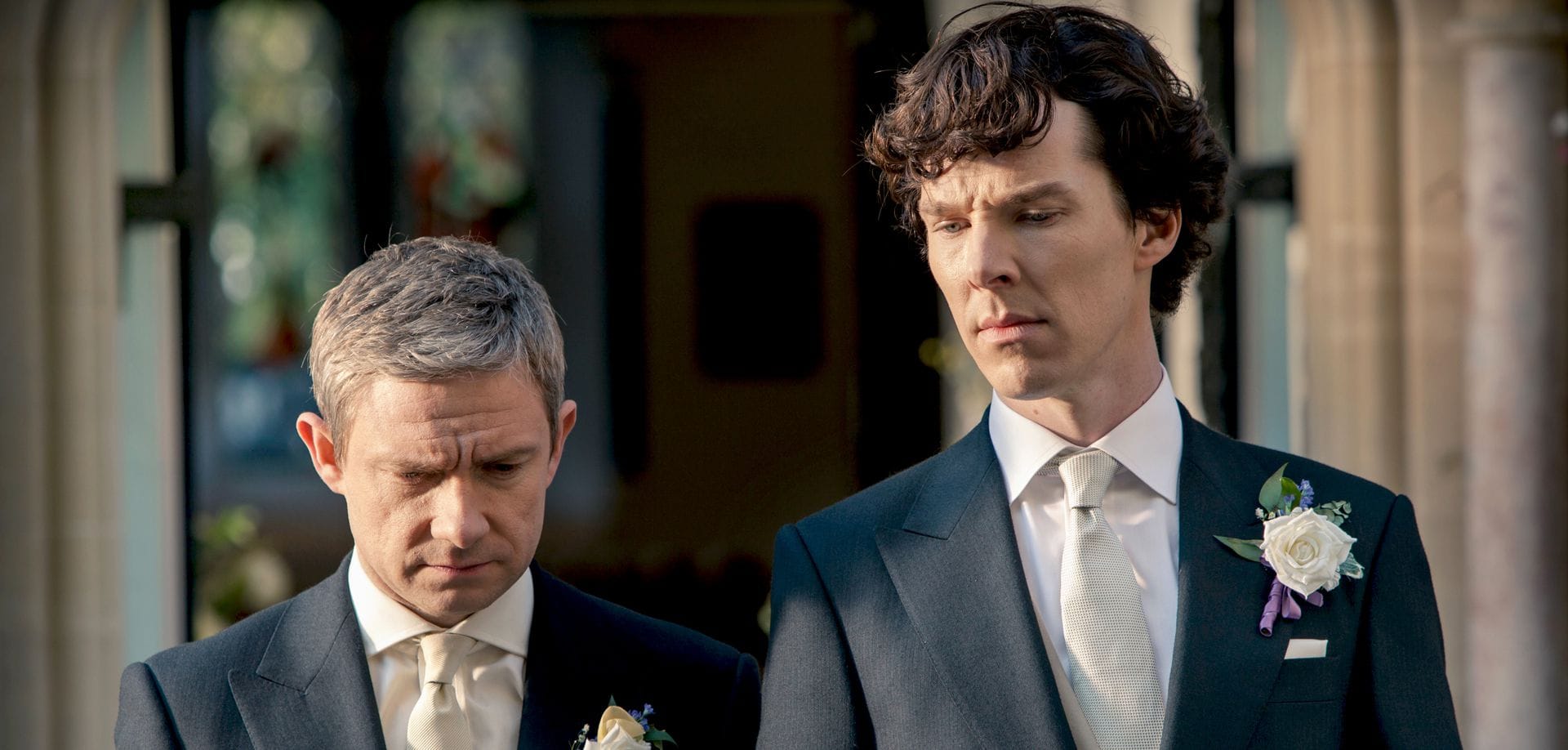
Following the gradually revealed deeper shades to the pair’s relationship in the first two seasons, the emotional canvas fully materializes here.
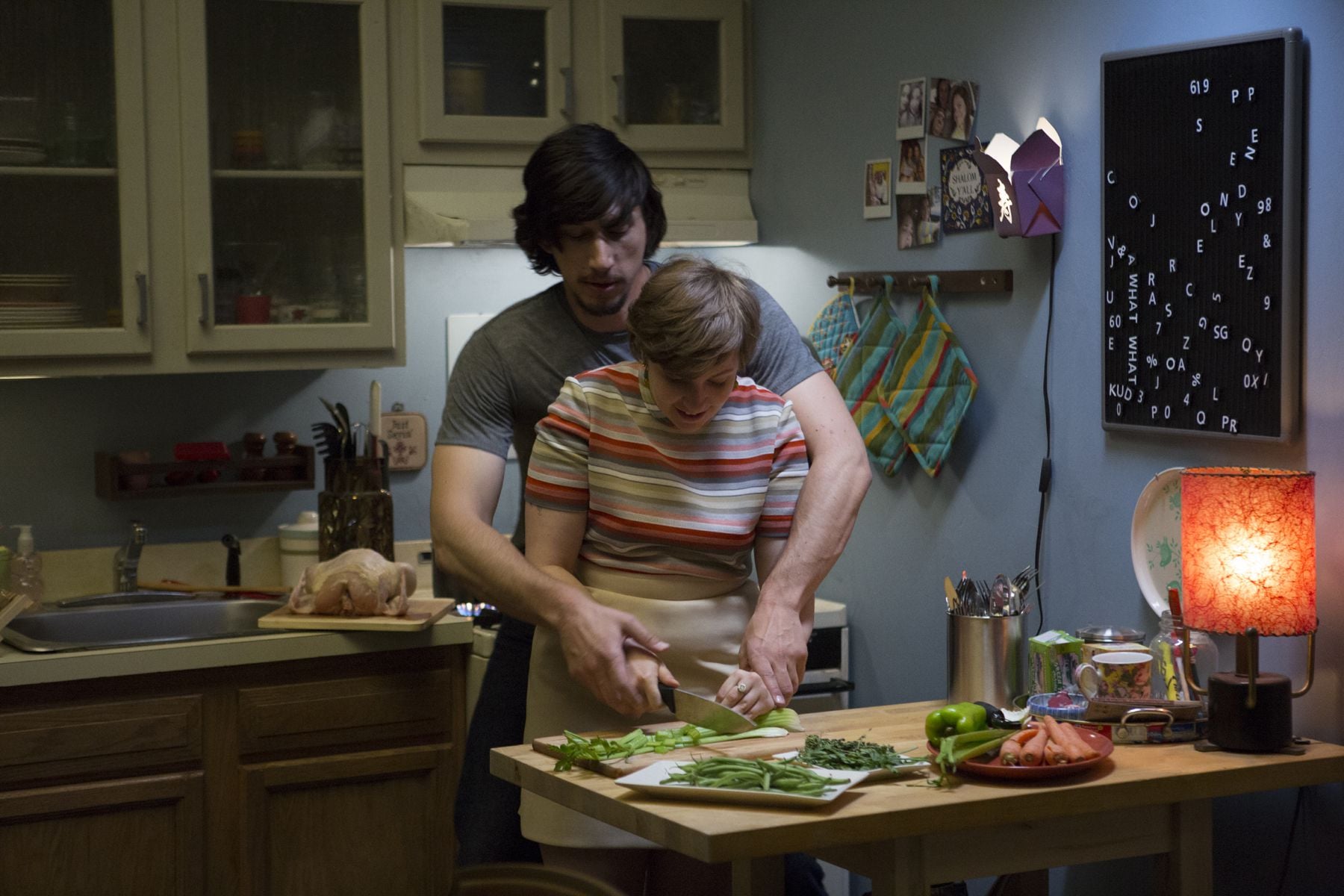
The opening pair of episodes, both directed by Lena Dunham, pointedly denies the titular foursome of much of anything resembling sympathy.

Believe it or not, we know exactly what’s going to happen at Sunday’s Golden Globe Awards.

It behaves as the TV equivalent of what Quentin Tarantino once deemed a “hang out movie.”

True Detective tickles a kind of hard-boiled hysteria, but it never dives headfirst into madness.

It’s dada high-wire act presided over by quasi-satirical nutters, and the chaos they invoke is oddly life-affirming.
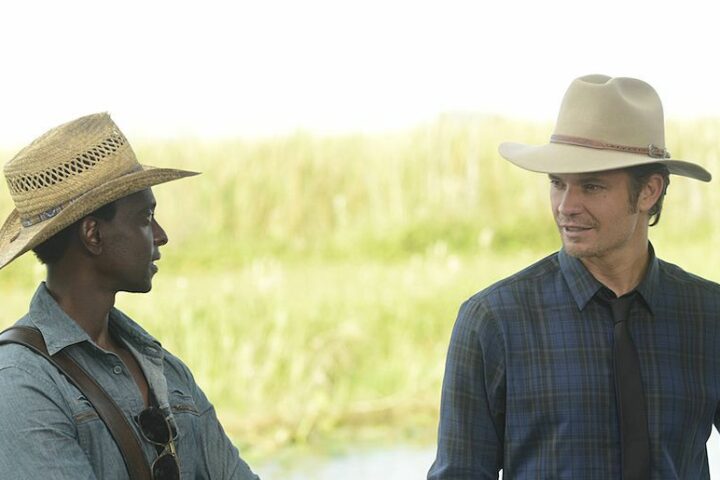
Justified’s characters skirt familiar archetypes, but the writing and performances consistently subvert accepted lowlife caricatures.
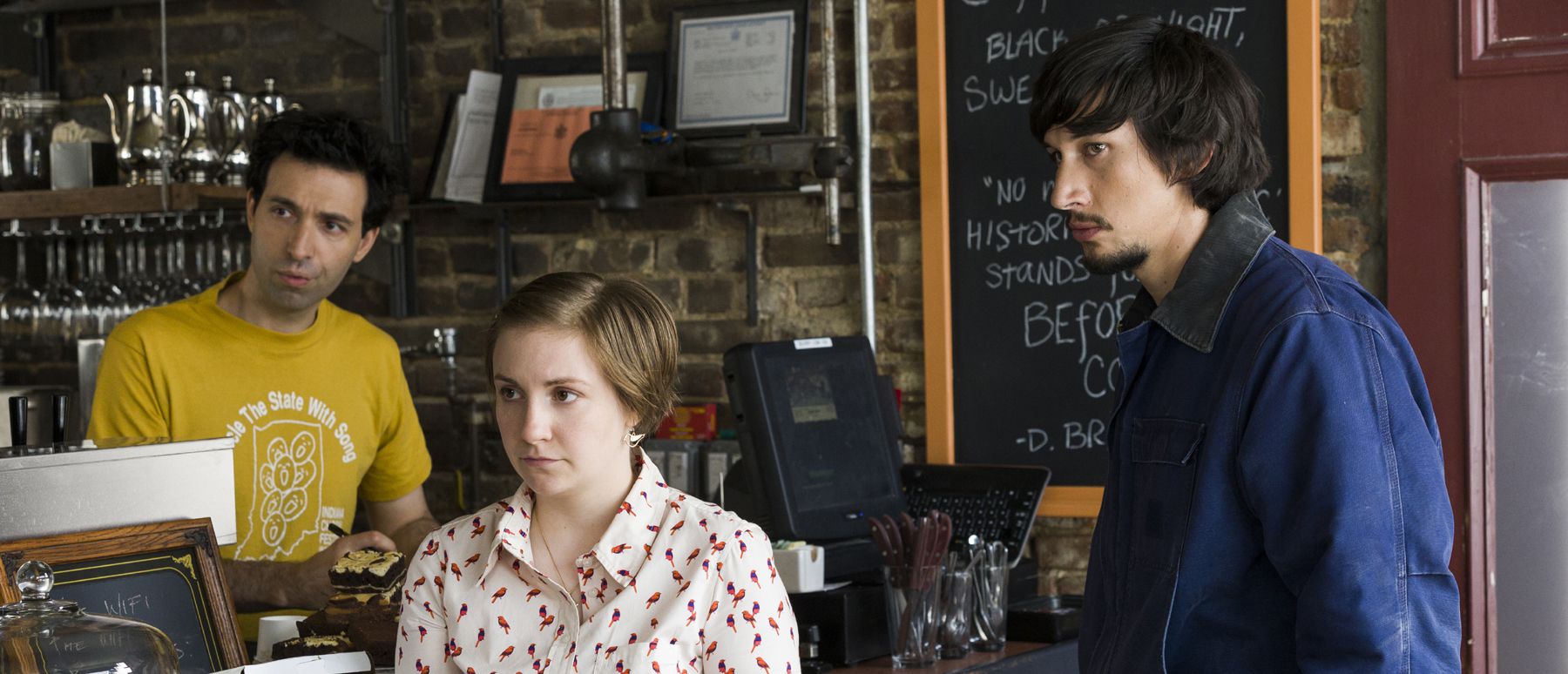
Girls eventually gets around to reminding us that these characters can be talented and charming, and thus capable and worthy of great things.