These shows prove the marathon-watching juggernaut’s concern for both quantity and quality.


These shows prove the marathon-watching juggernaut’s concern for both quantity and quality.
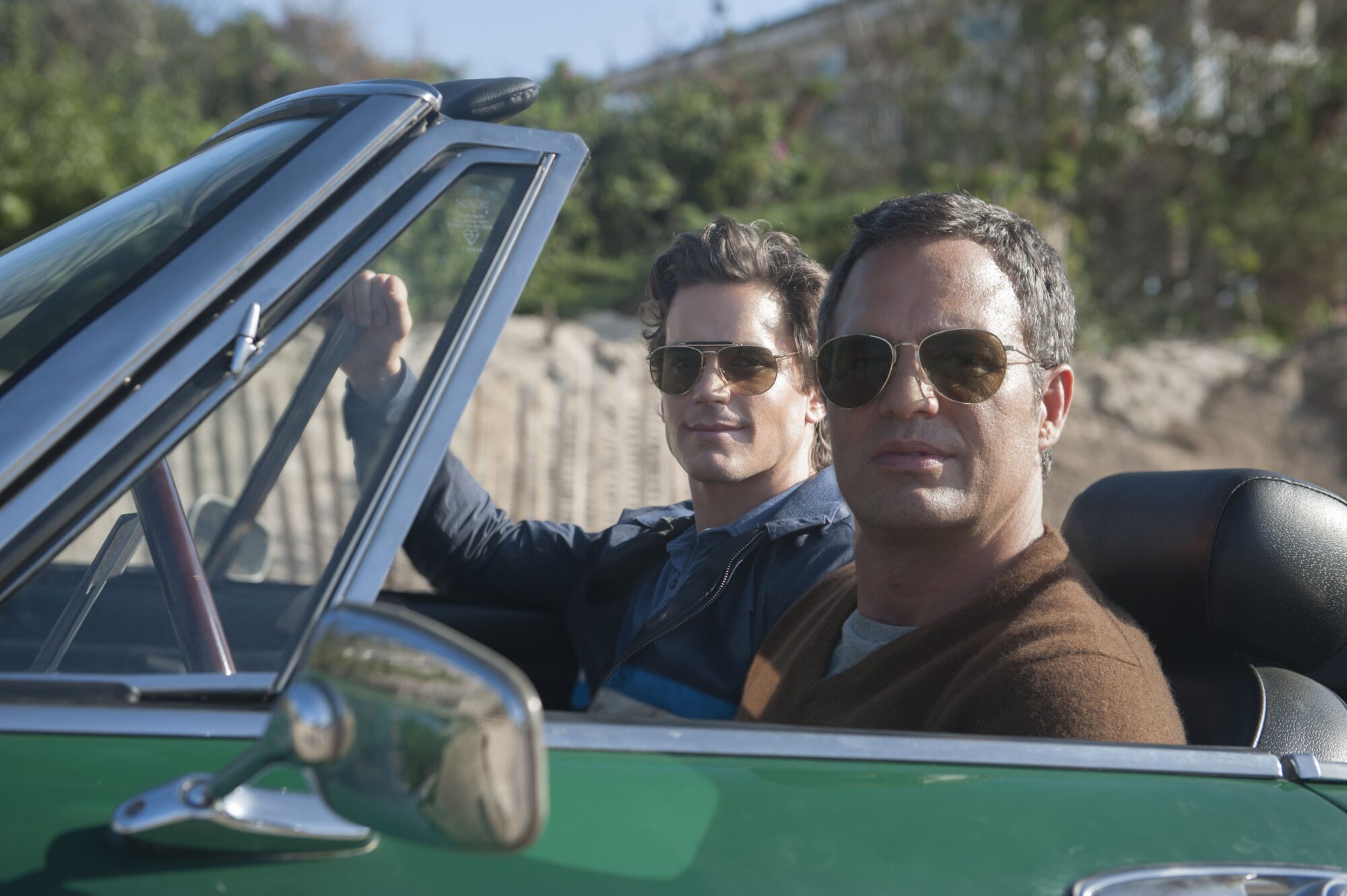
Flawed but terrifically moving, The Normal Heart is a boldly corporeal expression of gay political consciousness.
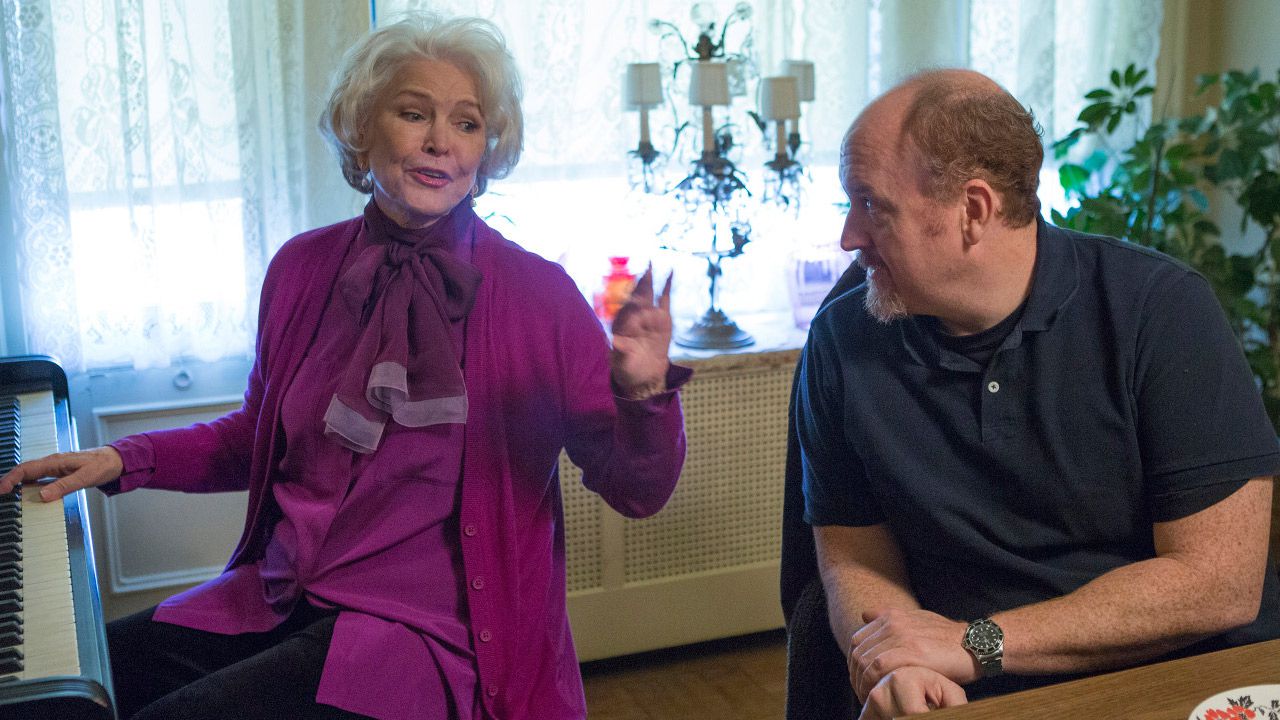
“Elevator Part 3” finds Louie displaying darker facets of his personality.

The more overwhelming intimation of the title is the idea of making plans in general, and the unwavering fallibility of said activity.

The episode’s saving grace lies in the contrast that the series continues to develop between the two young women of the Stark family.

“Ipsa Scientia Potestas Est” is a rollicking mid-season wallop that counts among Orphan Black’s best episodes
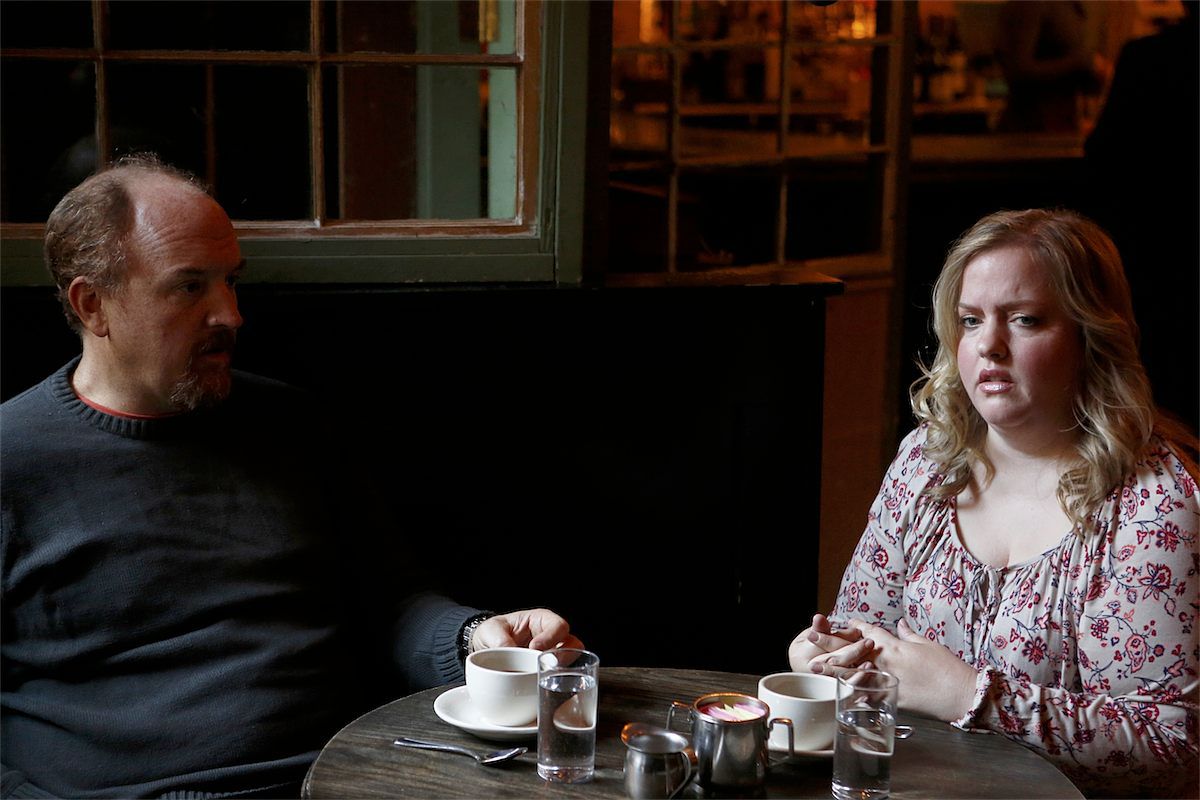
Louie offers a chance to reconnect with Louis C.K.’s roots as a more modest performer.

It’s easy enough to say that this is the most substantial and refreshingly untamed episode of Mad Men’s seventh season so far.

The unifying element of “The Laws of God and Men” may be the profound silence of the show’s architecture.
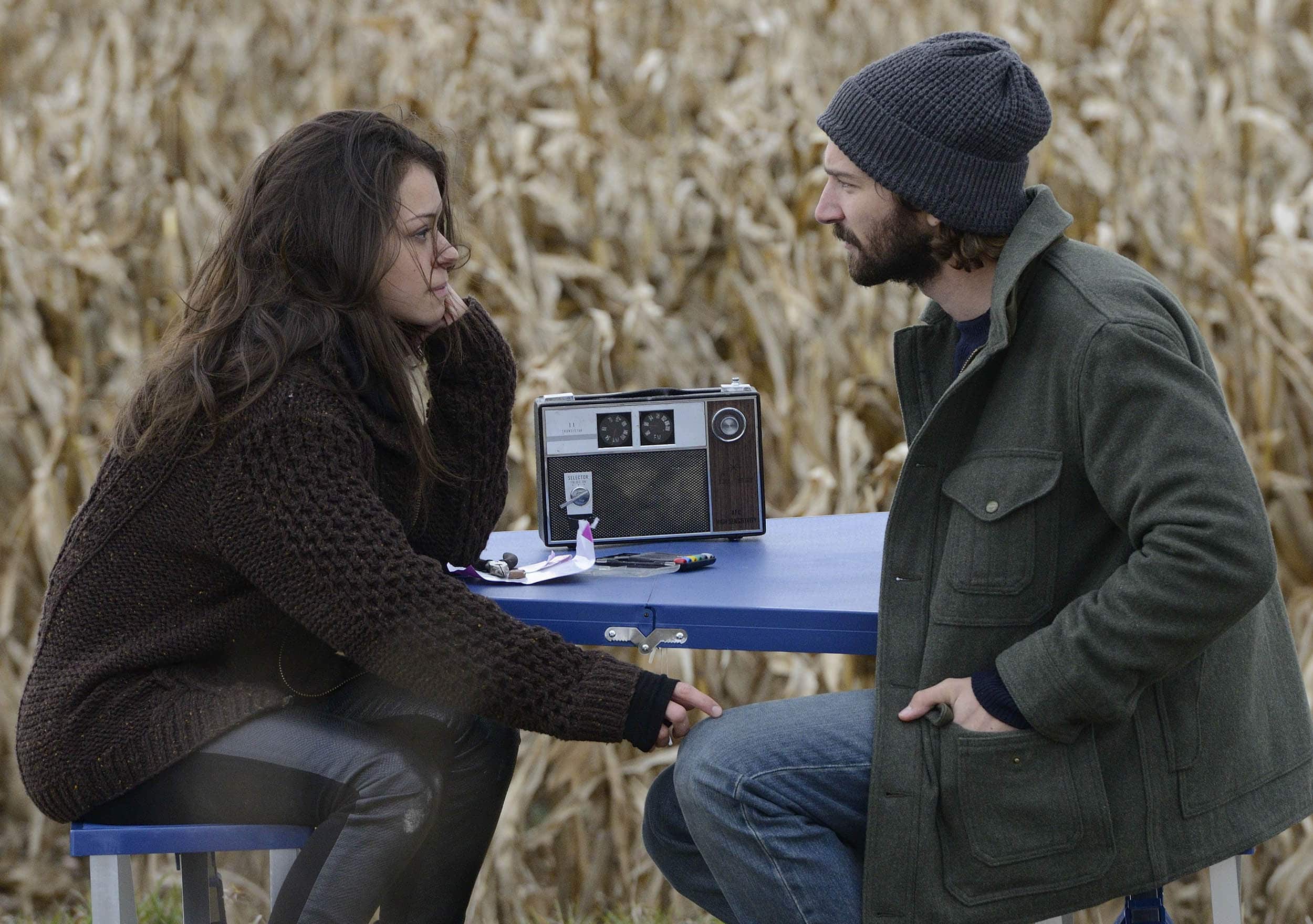
Narrative perturbations abound in the latest episode of Orphan Black.

The sole redeeming quality may be the subconscious running commentary it offers about its own pointlessness.

It’s too neat, too tasteful and narcotizing, for a work that’s full of diseases and serial killers and classist atrocity.

The title of the season-four premiere is possibly a wry acknowledgment of Louie’s return after a year-and-a-half hiatus.

It’s not only not a real talk show, it’s a whimsical inversion of the very idea of what a talk show is supposed to be.

The first episode since “Time Zones” where the narrative constantly felt busy with story rather than depending on symbolic acts and pauses.

Only Michelle MacLaren’s brilliantly composed coda with the White Walkers sticks in the memory.

The concluding montage of clips from “the next Orphan Black” makes clear that she survives, but the episode assumes a somber tone nonetheless.

Louie is akin to Seinfeld in its view of a privileged life constantly swayed by the particulars of Manhattan geography.

It portrays a war against self-pity that’s unusually resonant for its willingness to plumb the legitimately pitiful.
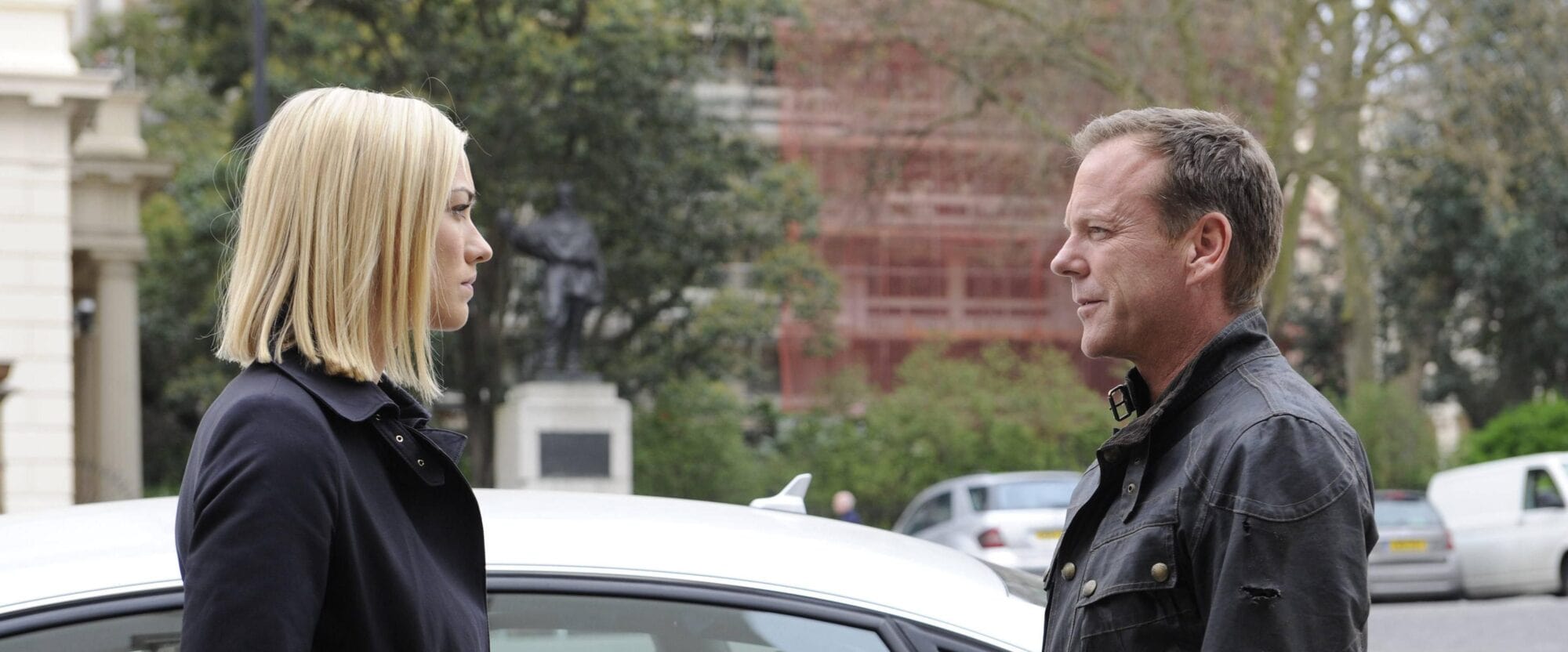
In Live Another Day, time is allowed to pass between some episodes, resulting in a tighter, more action-packed storyline.

As with any episode of television that bears Michelle MacLaren’s directing credit, “Oathkeeper” does not merely look good.