These shows prove the marathon-watching juggernaut’s concern for both quantity and quality.

These shows prove the marathon-watching juggernaut’s concern for both quantity and quality.

The Knick remains one hell of a panoramic contraption, and Clive Owen’s starring turn as Dr. John Thackery is one of the show’s major draws.

“Cairo” sees the residents of Mapleton tested in the same way God tested Abraham, and more than a few are found wanting.

The lurking anti-subtlety of The Knick’s pilot picks right back up in “Mr. Paris Shoes.”

Glancing over this year’s Emmy nominations is to marvel again at just how much the television landscape has changed in 20 years.

It pauses to establish the constellation of conflicts driving the first season of The Leftovers to its conclusion.
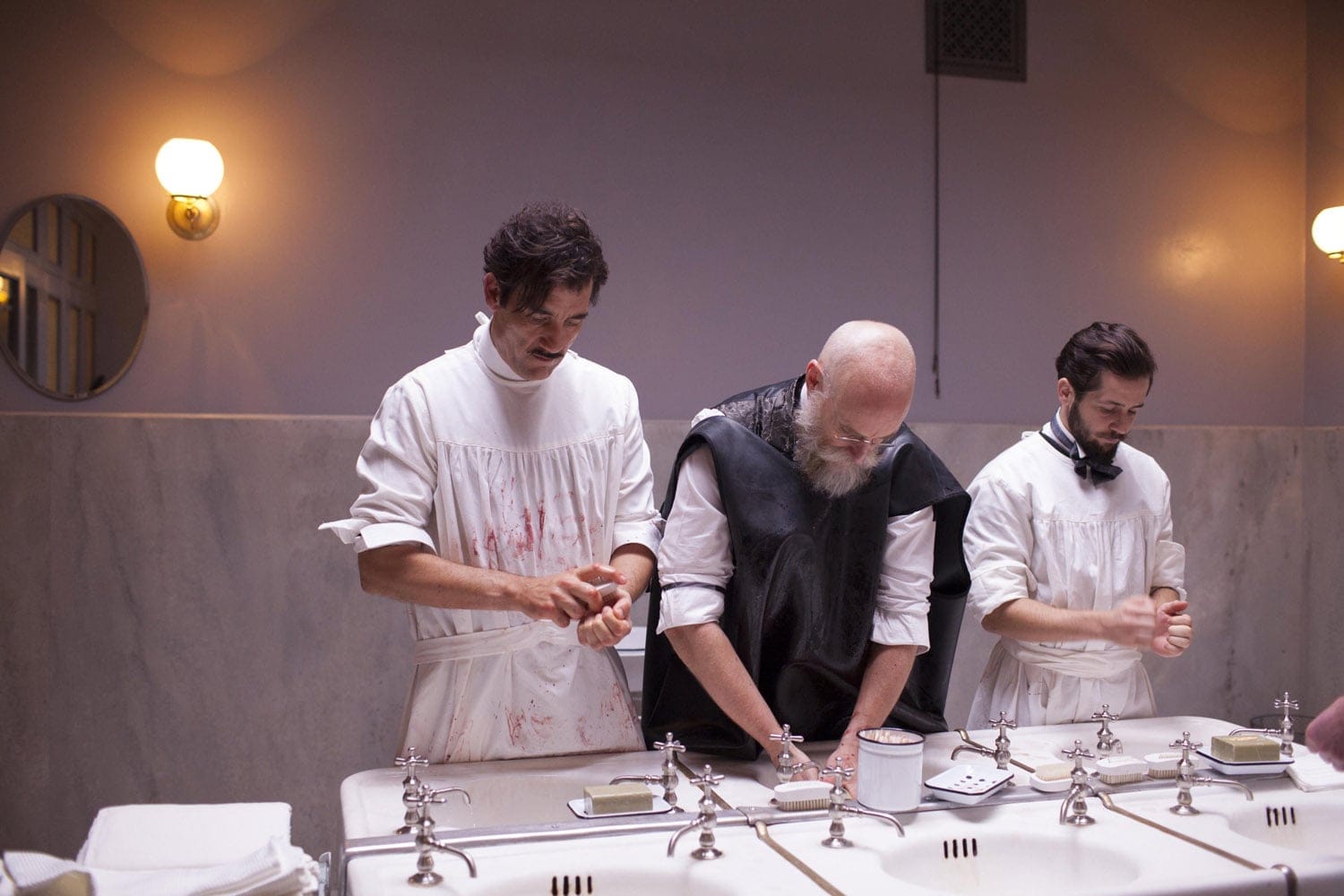
A decidedly 21st-century tension drives The Knick: the murky interstice between recorded and unrecorded history.

With “Guest,” The Leftovers whittles away Nora’s placid exterior until all that’s left is the abraded soul inside.
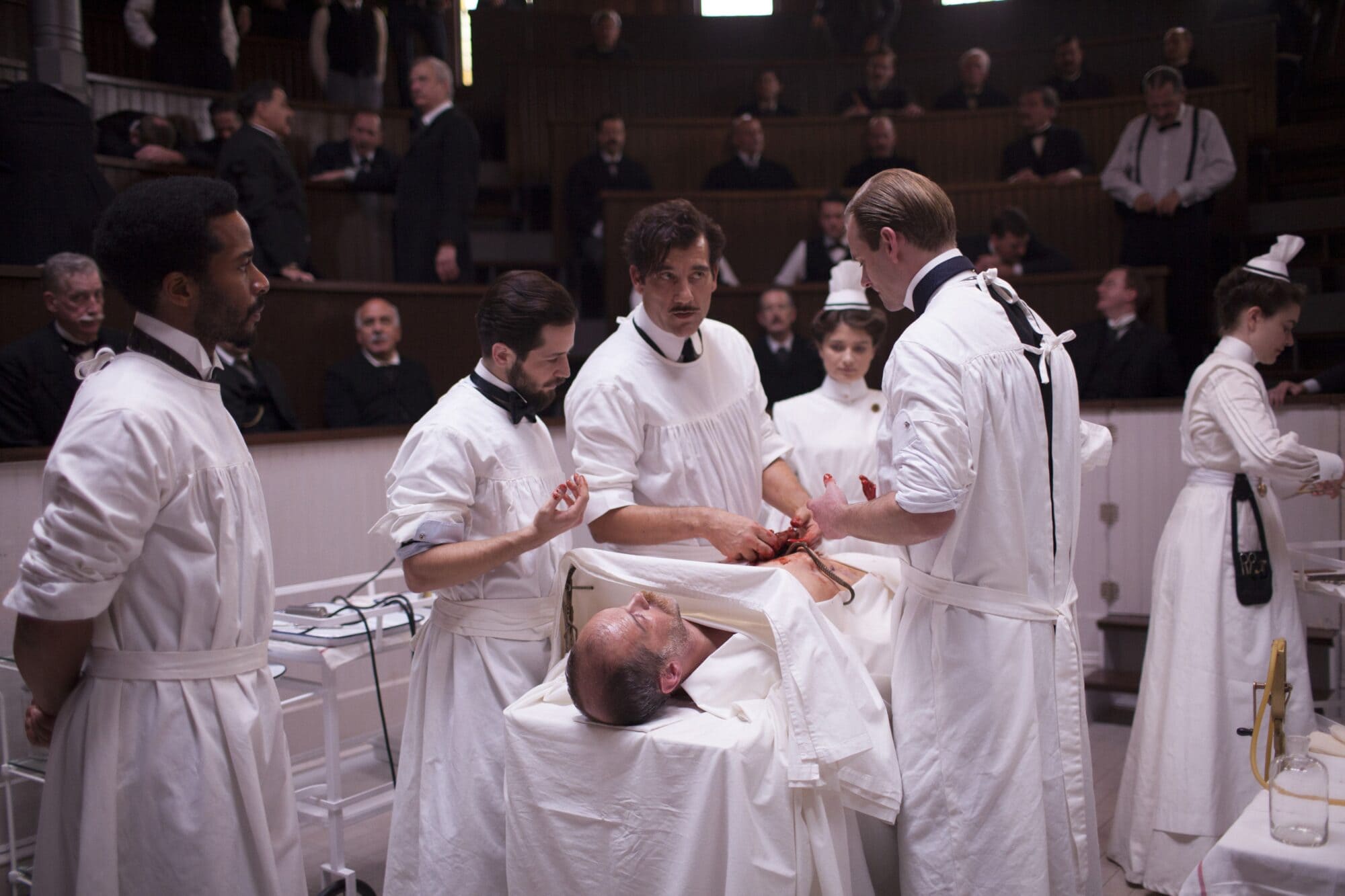
Steven Soderbergh’s The Knick is informed by a hypnotic sense of old newness that’s reminiscent of Deadwood.
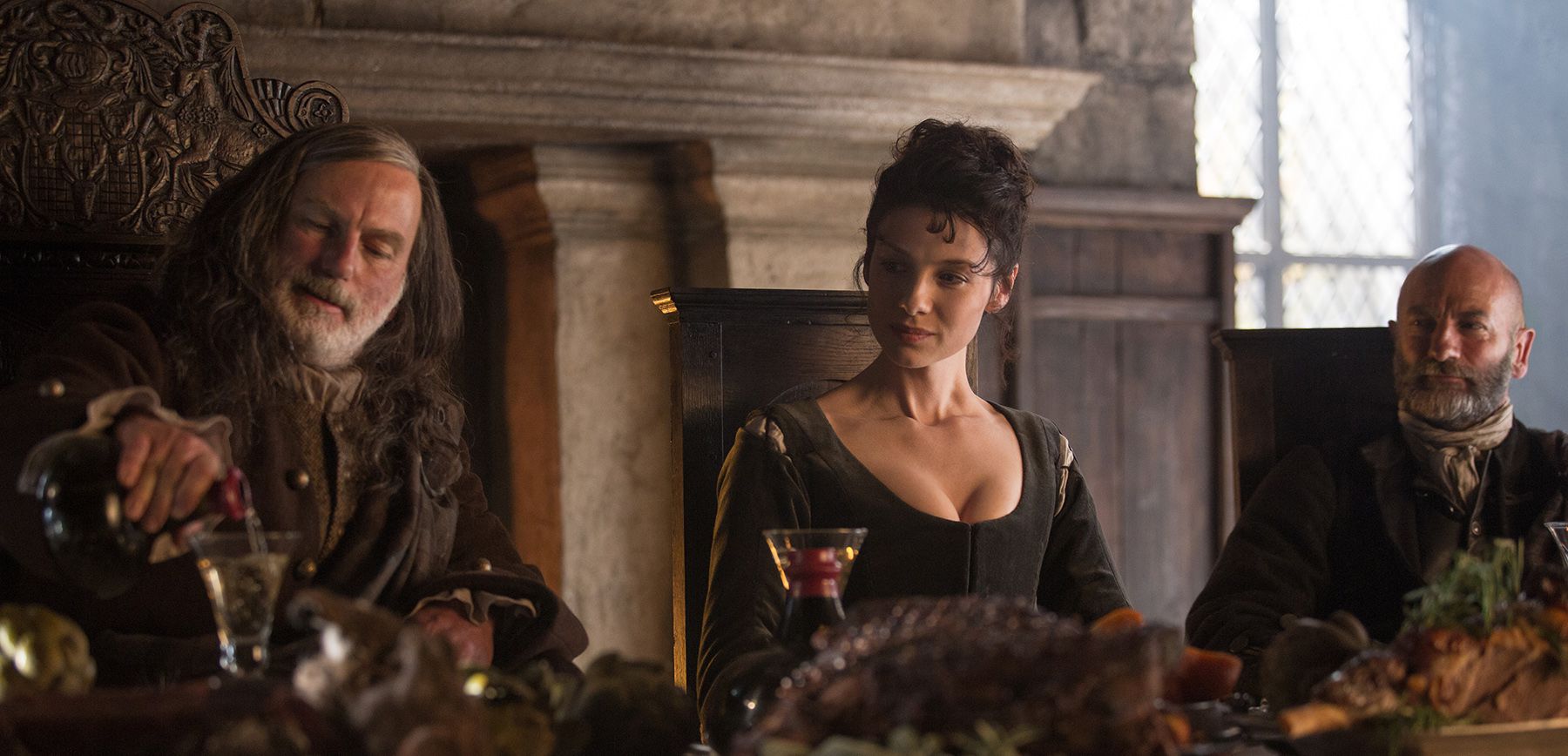
It wants to use feudal highland politics as a place to comment on contemporary issues, but so far the series only hints at this potential.

Besides a number of instances of clunky, clichéd writing, Pascale has a tendency to summarize and explain every movie and episode she references.

For a series that had to switch networks to provide closure for the open-ended third season, there’s no grand expressive sense of ending.
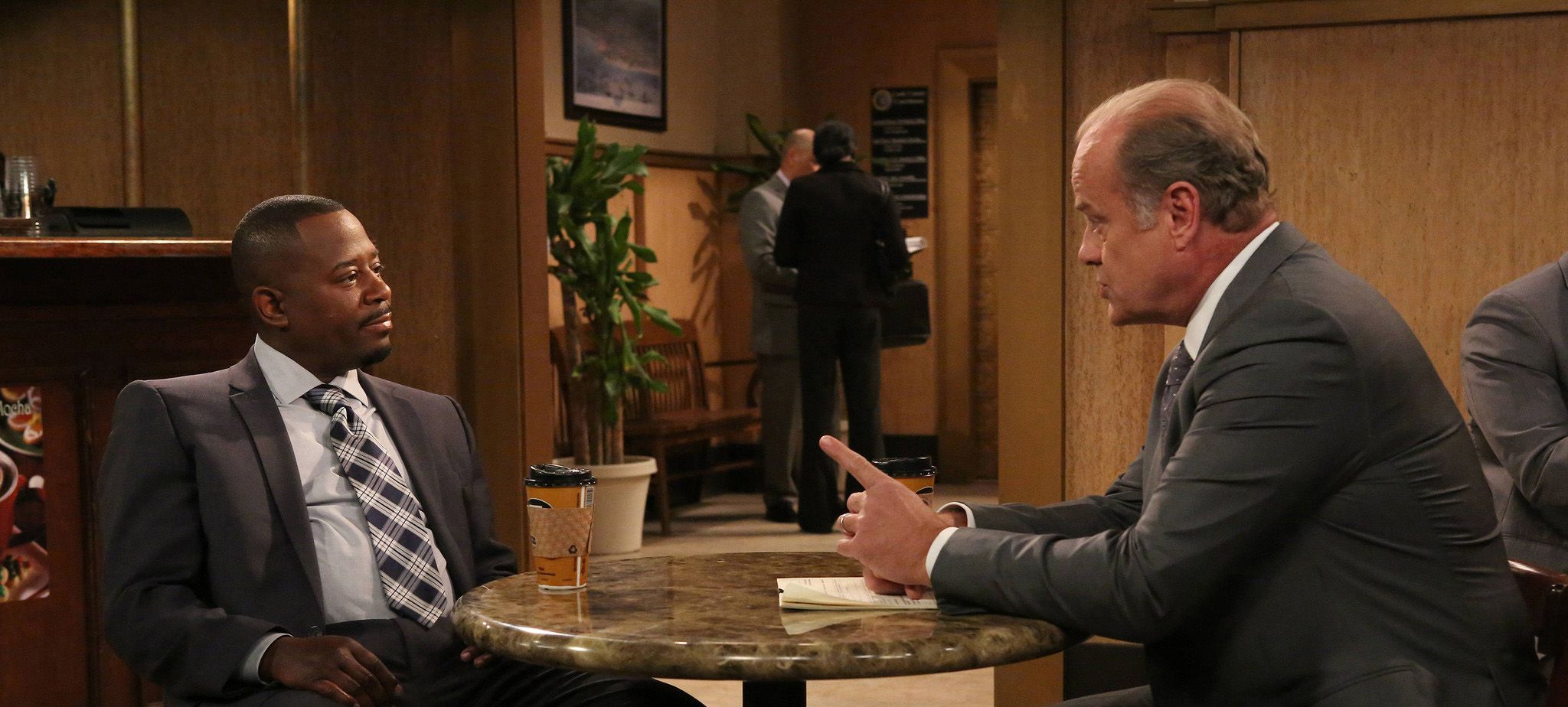
Partners is bad even by most lawyer-joke standards, and the writing’s falseness and laziness carries over to the performances.

An enthralling portrait of what happens when the urge to move on collides with the persistence of grief.
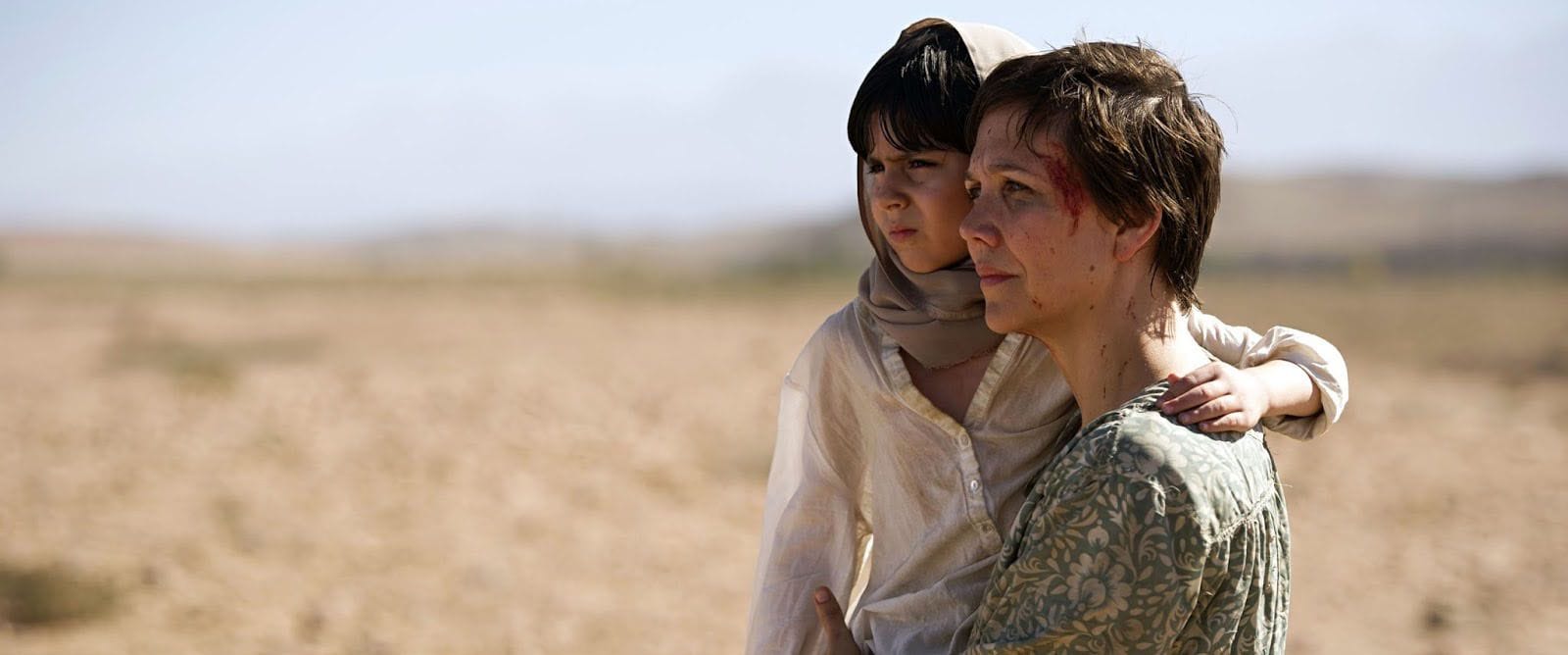
Resolutely timely, it spins a series of nested mysteries around that most impenetrable of subjects: the Middle East.

I’m excited by its proficiency with an unorthodox brand of suburban drama, part Left Behind and part Leave It to Beaver.

It’s hard to know where to situate “Two Boats and a Helicopter,” the stellar third episode of The Leftovers, within the HBO drama’s still-elusive arc.

The Strain knows it’s a fantasy, and embraces poetic hyperbole in an aesthetic fashion similar to the more sophisticated Hannibal.

The show no longer suffers from lethargic pacing, but it’s also been scrubbed free of any residual weirdness.

Its second season is no more or less disappointing than a grand seduction that concludes with a minute-long roll in the hay.

Compared to “Pilot,” “Penguins One, Us Zero” is more focused, but the ambivalence it provokes remains the same.