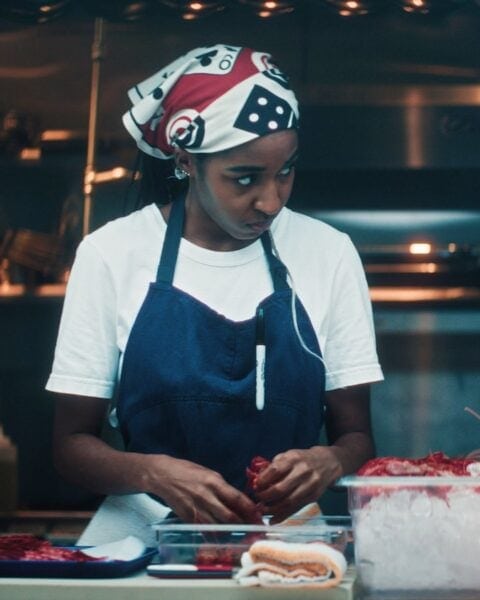
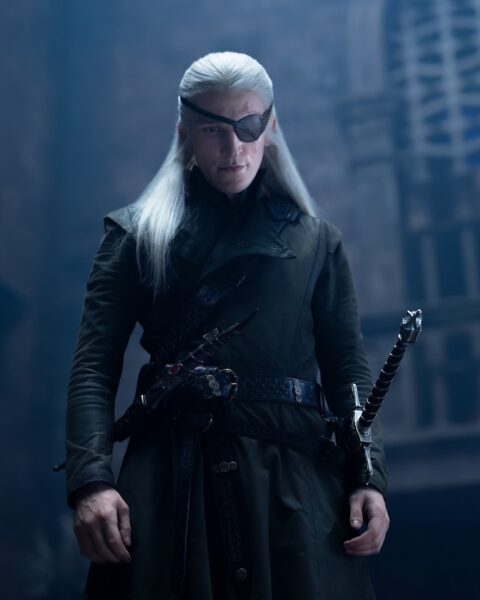
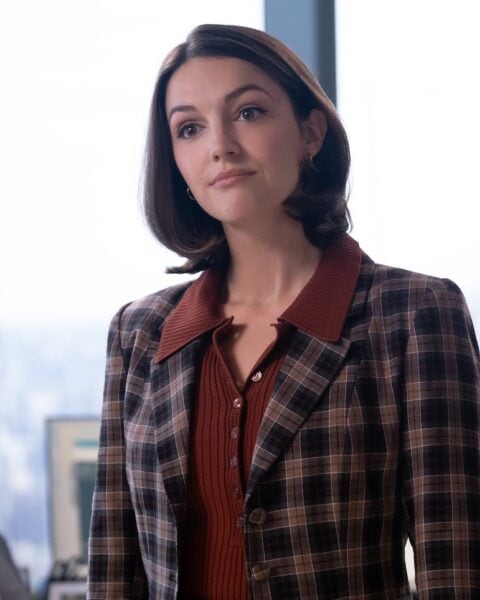
The series is a polished genre exercise with characters that feel like predigested tropes.


The series is a polished genre exercise with characters that feel like predigested tropes.

As the season approaches its conclusion, it becomes harder to ascertain what exactly American Vandal finds funny.

Change looms over The Deuce, as the series focuses on the far-reaching effects of urban transformation.
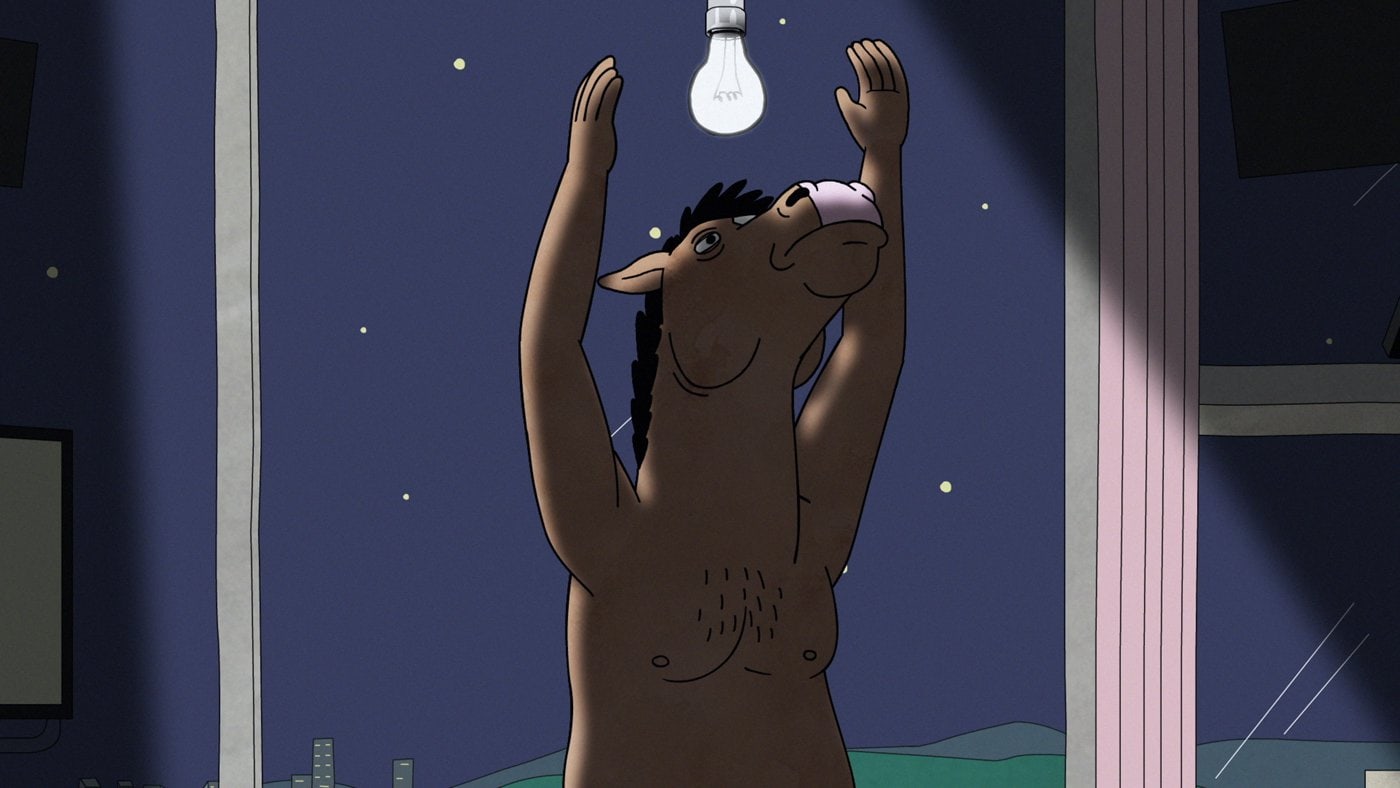
More than any other prestige TV offering, BoJack Horseman is simultaneously edifying and infantile.
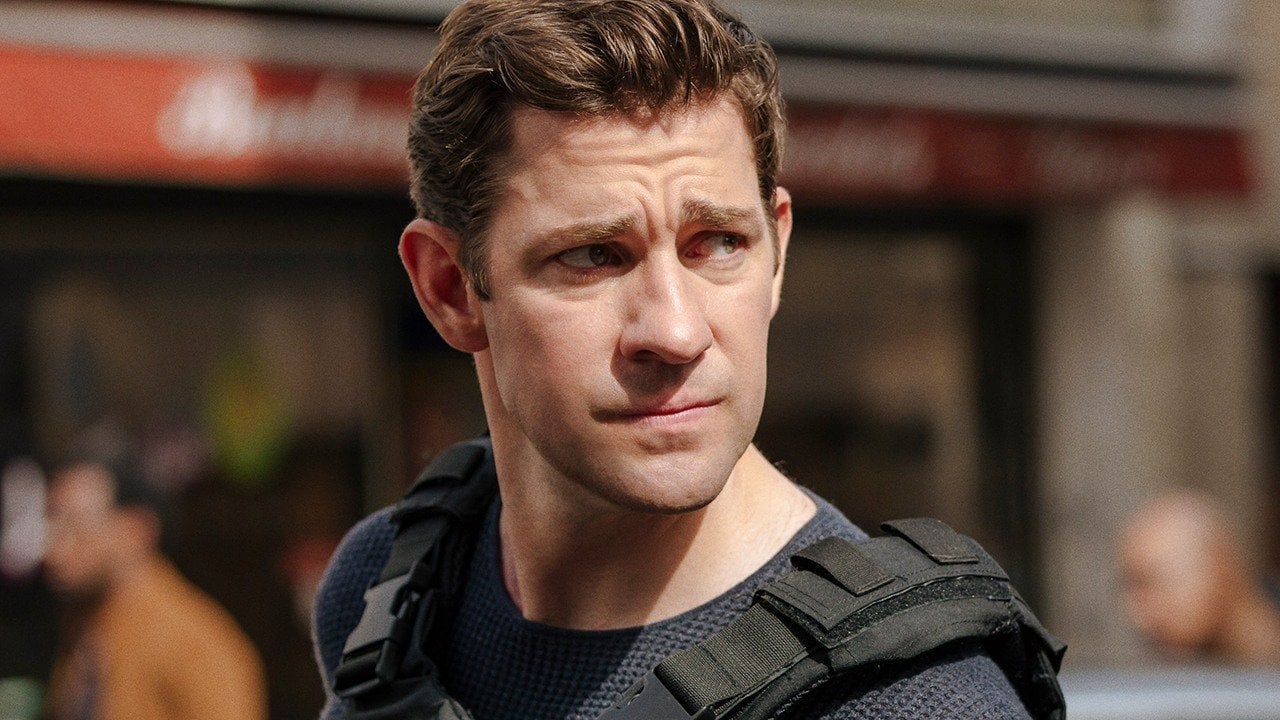
Despite humanizing its characters, Jack Ryan is mostly interested in a broad battle between good and evil.

Ghoul is ironically impersonal and perfunctory, suggesting the work of a polished propaganda machine.
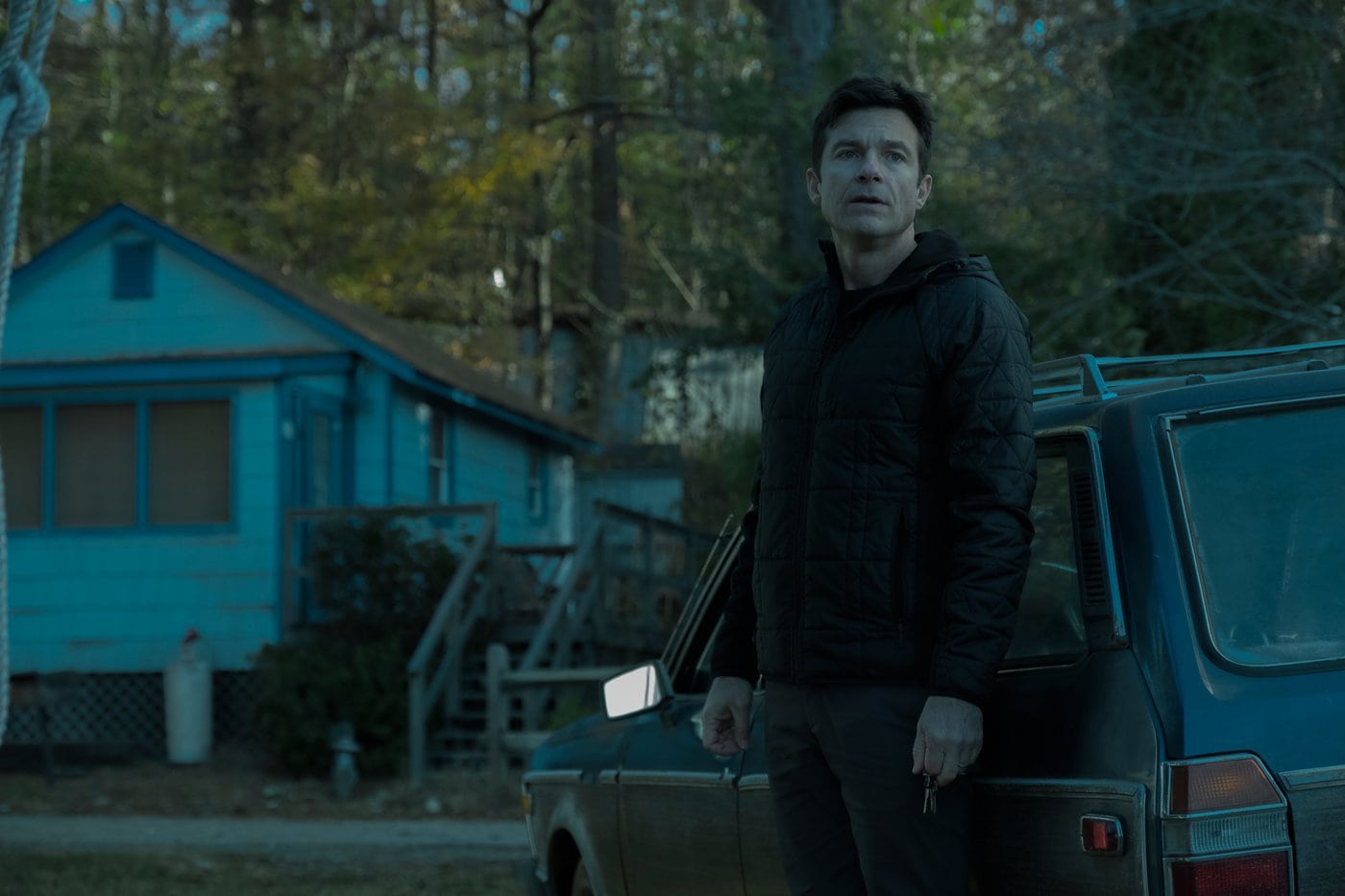
In season two, Ozark dramatically quickens its pace, as if it’s brought a gun to a chess match.
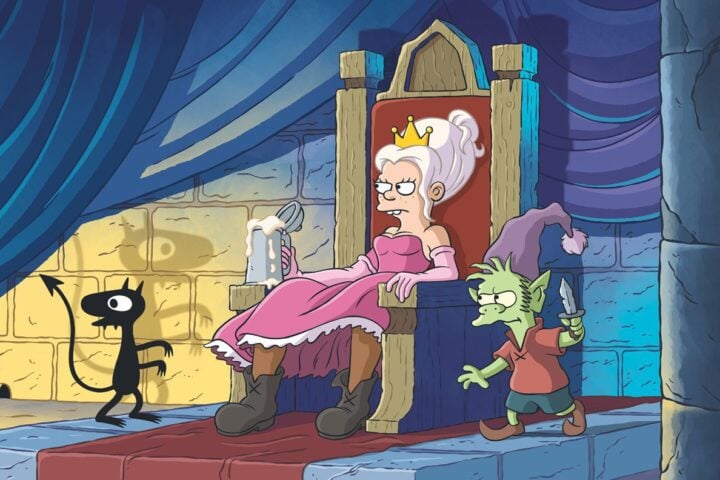
Disenchantment feels instantly familiar, unmistakably a product of Matt Groening’s well-honed house style.
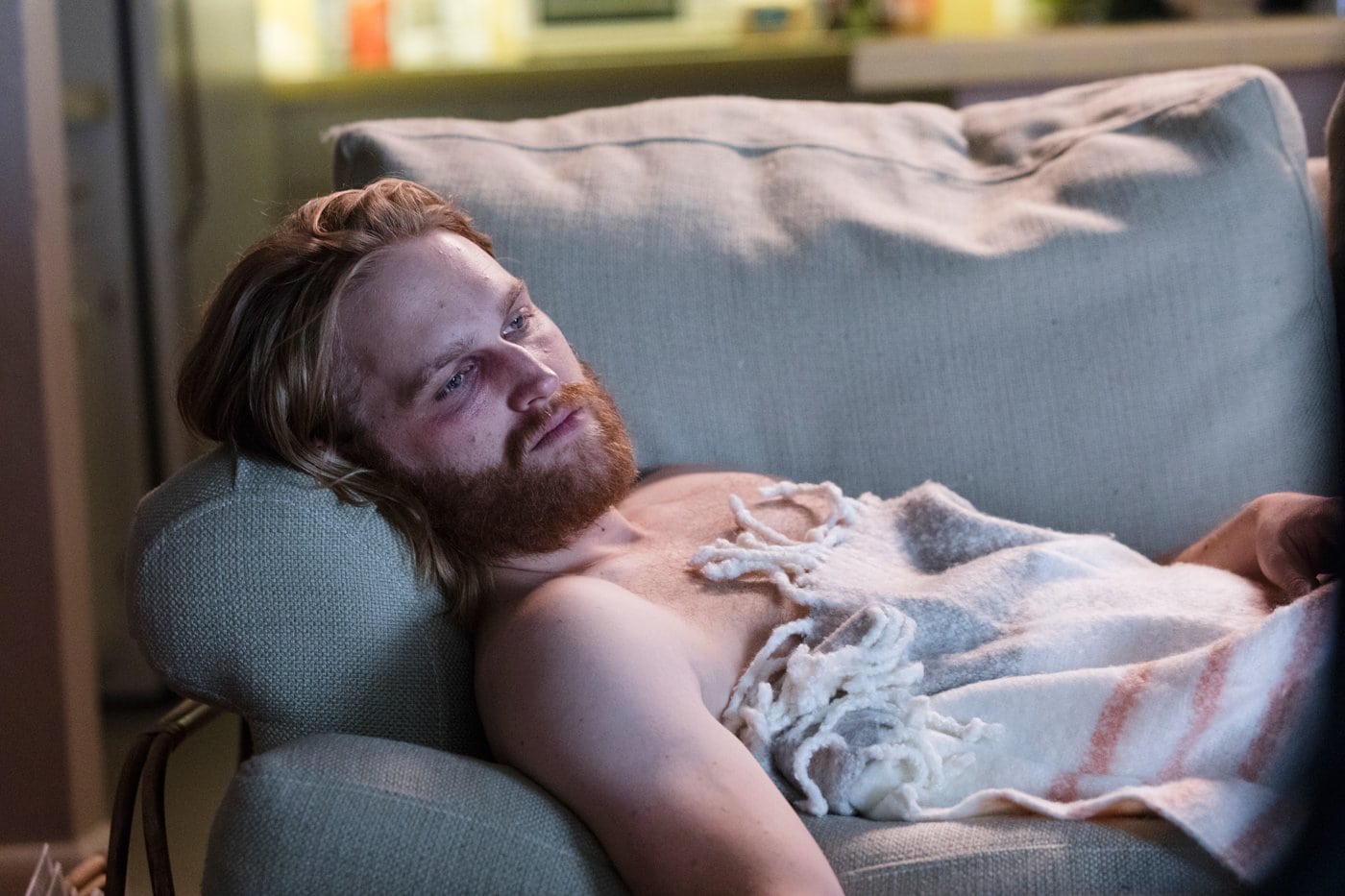
Lodge 49 mixes whimsical surrealism and more grounded portrayals of quotidian reality.

Orange Is the New Black has always taken a unique, often maximalist approach to television.

Castle Rock is a generically gloomy small-town mystery that doesn’t lack for allusions to Stephen King’s past work.

Sharp Objects ultimately testifies to the triumph of survival, no matter how ugly or desperate a form it takes.

When the winner of RuPaul’s Drag Race was announced, it felt arbitrary and compulsory.

RuPaul orchestrates the trip down memory lane as a rundown of oppositional forces in the latest episode of Drag Race.

The season season of GLOW is largely interested in the dichotomy between group and individual interests.

Luke Cage’s second season is alternately bland and thrilling, formulaic and insightful.

Queer Eye is at its best when the Fab 5 are engaged in a mutual exchange of give and take with their hero.

Much of its drama comes from waiting for a responsible authority to intervene as conflicts spiral out of control.
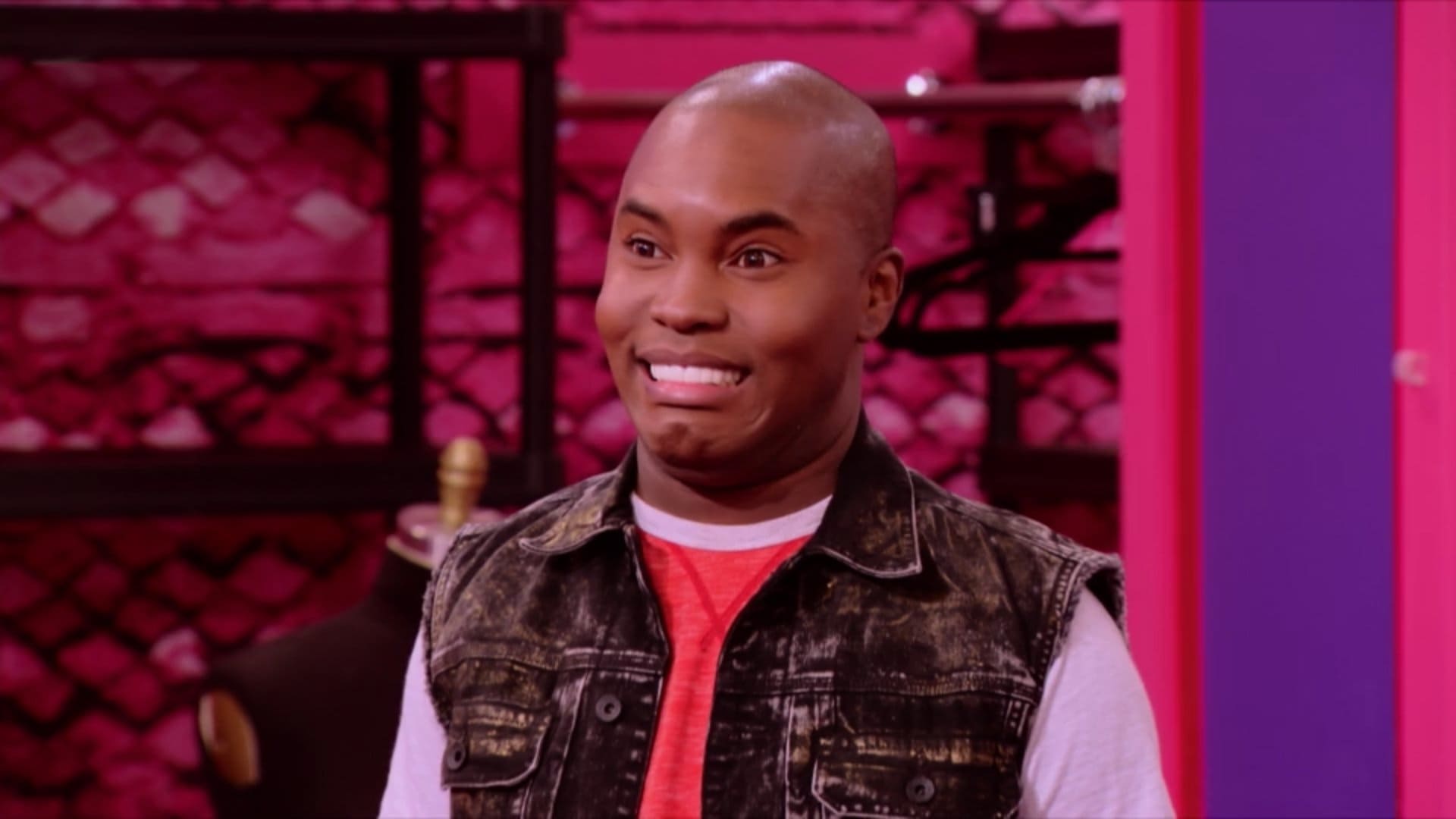
This season of RuPaul’s Drag Race has offered a full slate of above-average queens but no larger-than-life rock stars.

The latest episode of RuPaul’s Drag Race is a fascinating compare-and-contrast exercise.
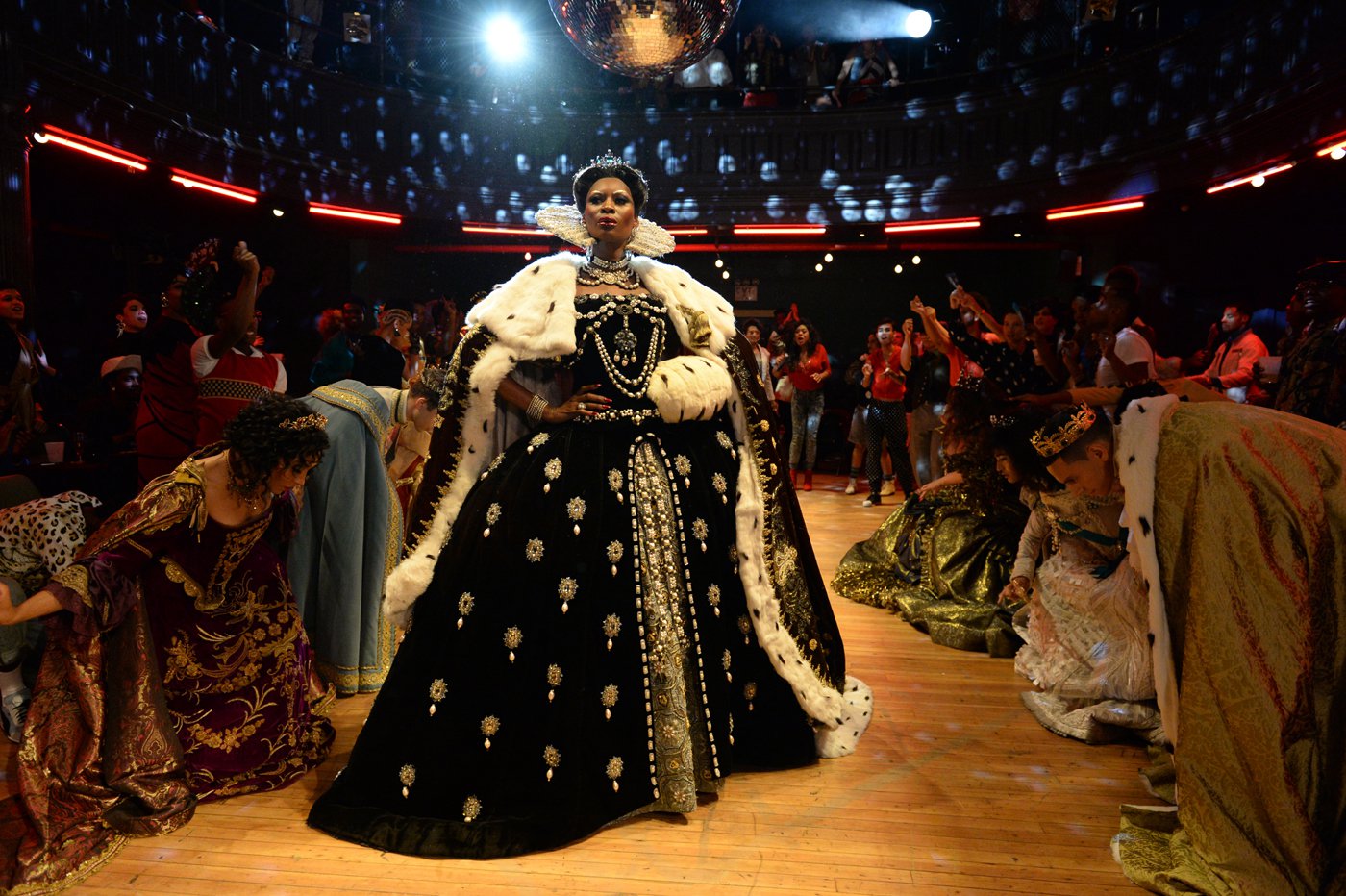
Pose is a compassionate consideration of gender in relation to matters of race, sexuality, and class.