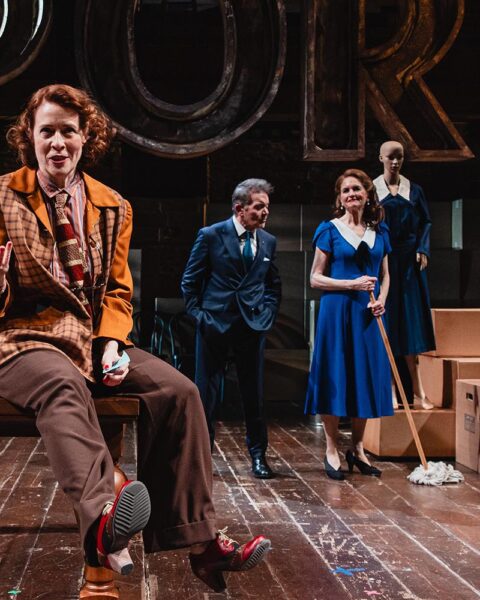
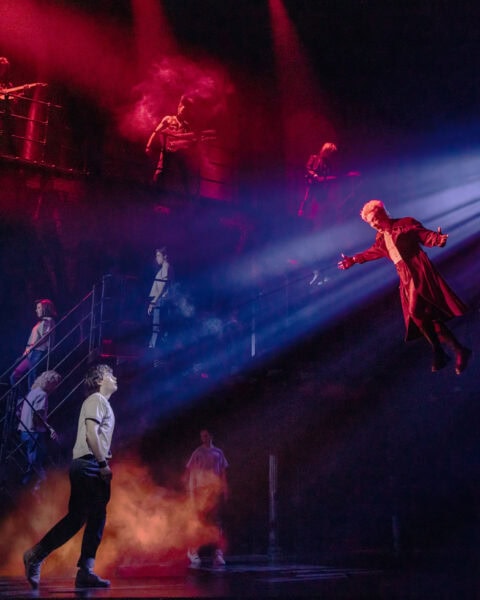
The show is at its best when it examines the questions that Susanna Kaysen did in her memoir.
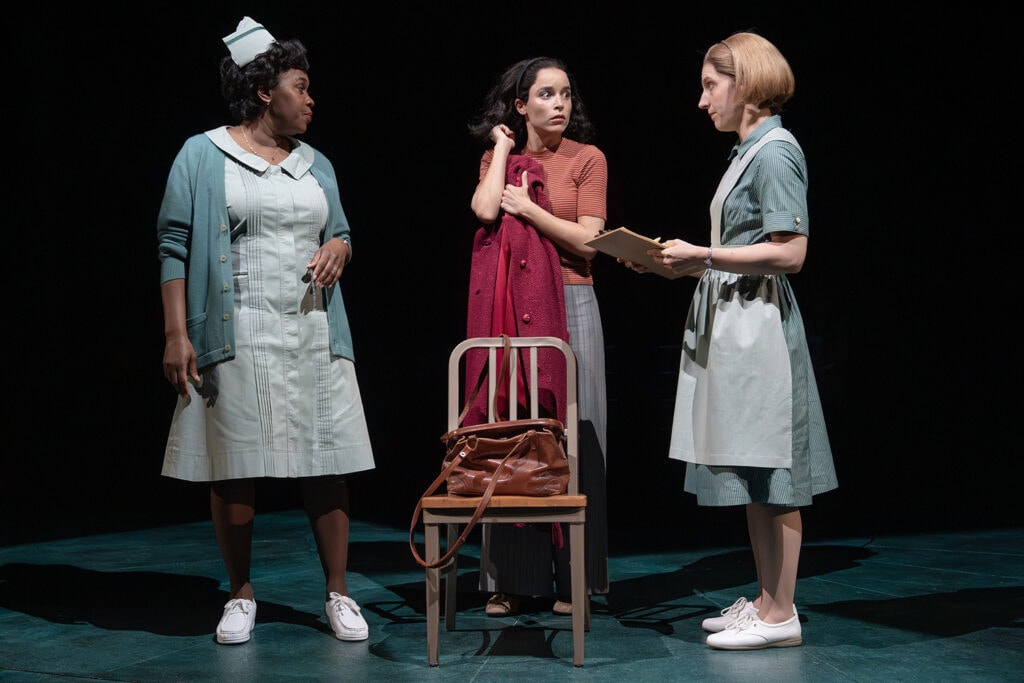

The show is at its best when it examines the questions that Susanna Kaysen did in her memoir.

Sweeney Todd can still shock, even if this production seldom goes for the jugular.

The Harder They Come deserves a weirder, more surprising stage adaptation.
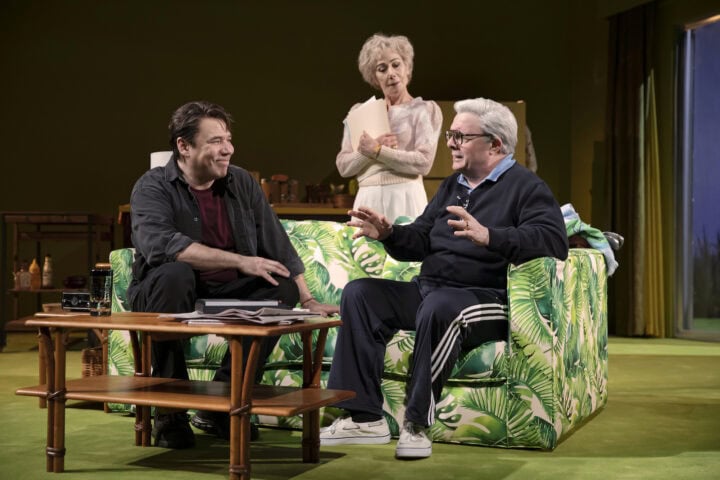
Pictures from Home is a frantically verbal adaptation that’s not given to subtlety.

A united community is a powerful force that can be used for healing or destruction.

These shows range from revitalizing revivals to redemptive restagings of undervalued gems.

The show’s pizzazz may be enough to help it survive in a turbulent Broadway landscape.

Thomas Ostermeier’s production reclaims Hamlet, fleetingly but full-heartedly, for all of us.

Hare discusses his particular take on Robert Moses and the kind of theater he favors.

Watching the play is squirmingly uncomfortable in a way that reading Hanya Yanagihara’s book never is.
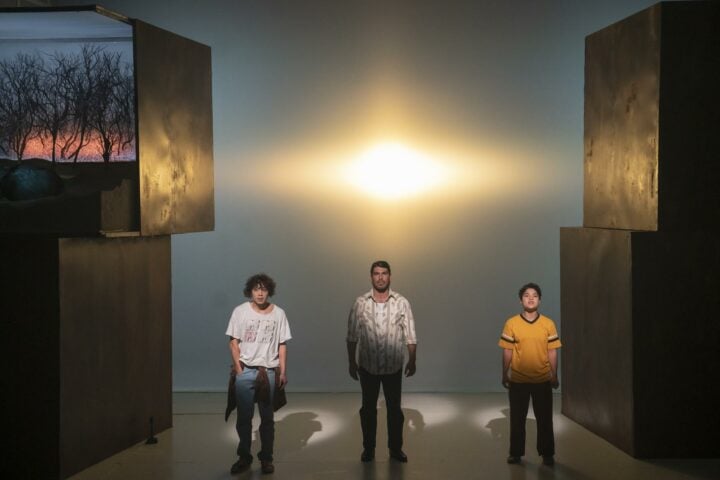
At its most arresting, american (tele)visions stirs its characters’ guiding emotions into a frenzied mixture that matches and mirrors the overwhelming intensity of the on-stage screens.

If this Richard III has a guiding concept, it’s in the dismantling and displacement of Shakespeare’s treatment of disability.

Let’s hope Broadway’s most racially diverse season will be capped by a ceremony that fully celebrates that sea change.

Paula Vogel discusses why she thinks her play has remained sadly pertinent over the past two and a half decades.

Everything about this production is handled with a light, inviting touch.

Michael R. Jackson’s A Strange Loop nudges the musical theater form in a startling new direction.
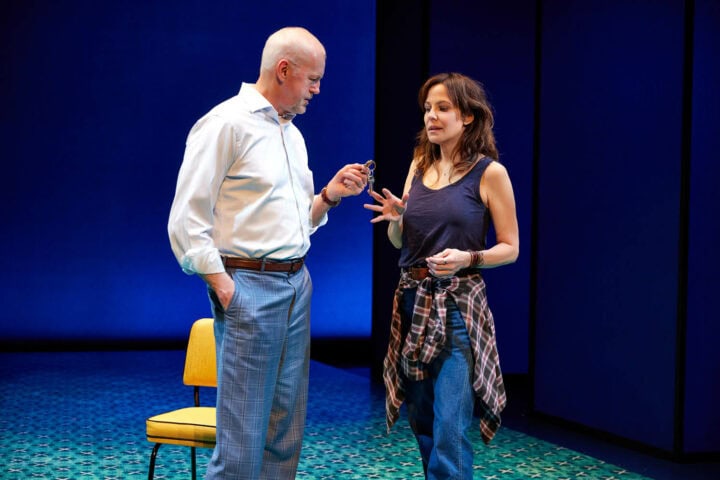
The omnipresent horror of what we so quickly understand to be happening diminishes the play’s proximity to pleasure more than it should.

By reducing the play’s grandeur to the scope of a lightly staged radio play, words become the principal protagonist.

In Birthday Candles, tragedy and trauma have been rushed off stage with the ring of another gong and another year gone.

Tragic timeliness and timelessness doesn’t make up for the scrawniness of Richard Greenberg’s play.

Even if Help never entirely sheds its essayistic origins, the premise of finding poetry in personal scholarship is consistently compelling.