The album sounds beamed in from an earlier decade, but it runs deeper than nostalgia.


The album sounds beamed in from an earlier decade, but it runs deeper than nostalgia.

Greatest hits records almost never please everyone. But with an artist like Björk, it’s almost completely impossible.

On her seventh studio album, Tori Amos traces her steps across a post-9/11 America.

It’s not clear what decade Carter thinks he’s currently living in.

NSync’s golden boy has finally struck out on his own and the results are, ahem, golden.

May’s creations paved the way for later Detroit artists like Plastikman as well as rave culture as we know it.

Who’s Afraid Of? is a brash blend of experimental rock and New Wave that was way ahead of its time.

The group’s first domestic release, the album was a drastically-revised version of their 1989 classic.

The album is a savory mix of borderline-cheesy filtered loops and super-simple drum machine beats and basslines.

A collection of minimalist house more refined than anything that has come before or since.

Leftism eschews mainstream categorization and manages to reside in the leftfield of almost all the electronic genres it propagates.
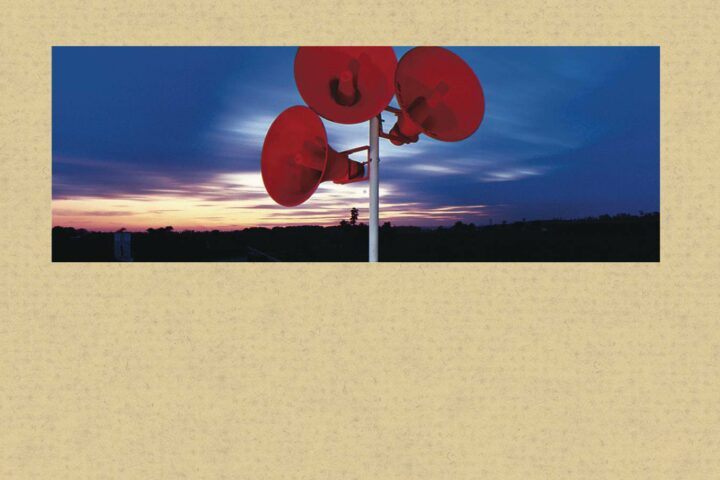
Depeche Mode’s Music for the Masses is steeped in high drama, each track spilling into the next like a pop-rock opera.

The album sounds just as groundbreaking today as it did eight years ago.

Maxinquaye takes the glistening electronic soul of Blue Lines and smothers it in far-grittier textures.

More than just spatial white noise, Music for Airports is the sonic equivalent of visual art.

Happy cycling—depending on your drug of choice.

It seems former Mousekateer Christina Aguilera has finally popped right out of her bottle.

DJ Shadow’s Endtroducing… so constantly changes pace that definitions are rendered insufficient.

Bytes was a watershed in what has become known in the U.K. as IDM or “intelligent techno.”
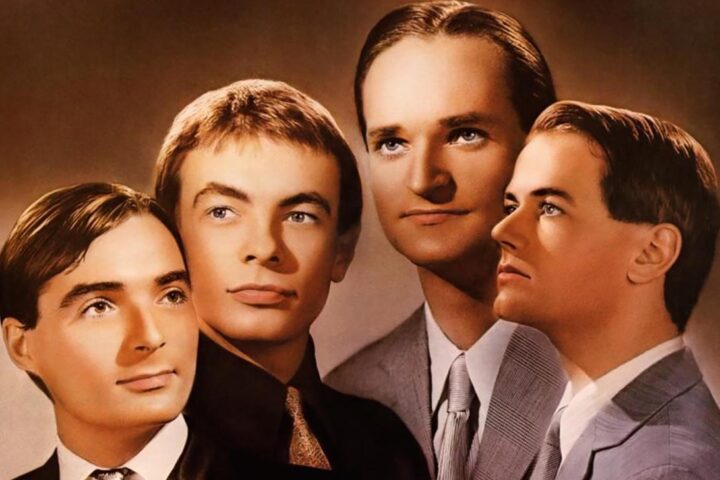
Kraftwerk’s meditative album is a sonic poem to Europe.

Señor Moby’s albums have always been a bit schizophrenic and his 1995 masterpiece, Everything Is Wrong, is no exception.