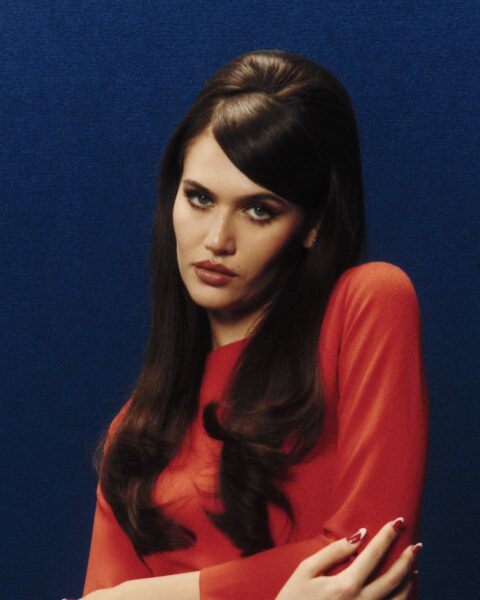
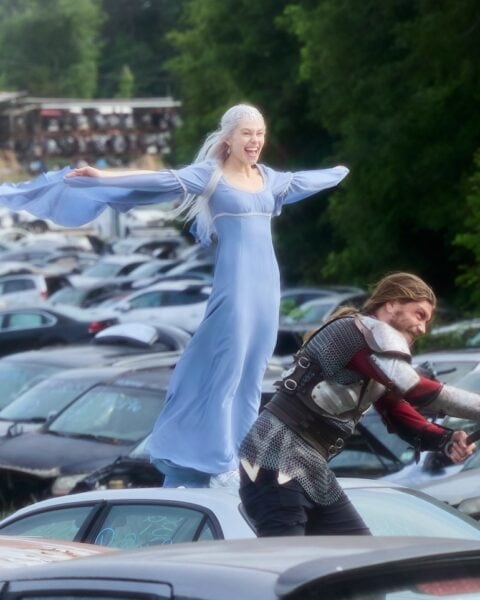
We weren’t sure if Madonna could surprise us anymore. Until she did.
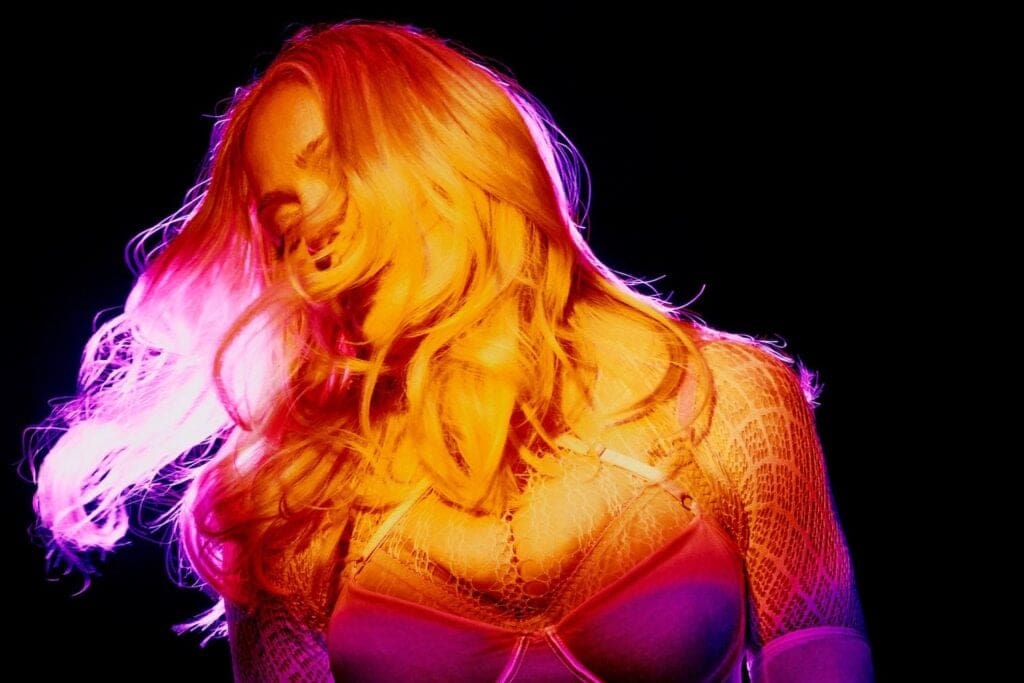

We weren’t sure if Madonna could surprise us anymore. Until she did.
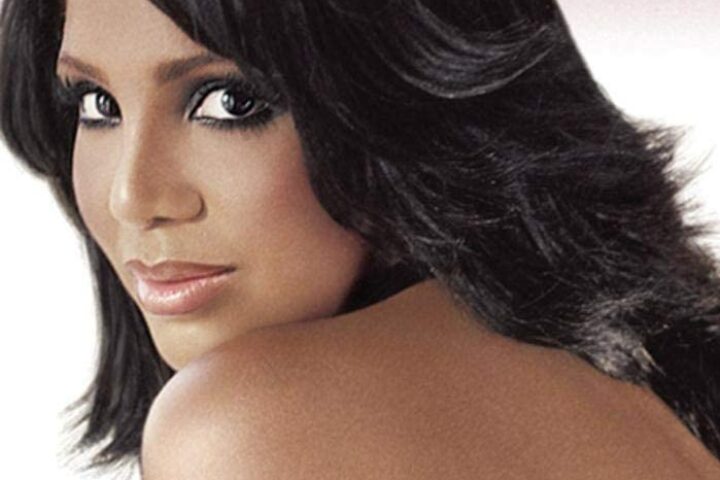
Toni Braxton smartly balances hip-hop-skewed R&B with the kind of sultry balladry that made her famous almost a decade ago.

Greatest hits records almost never please everyone. But with an artist like Björk, it’s almost completely impossible.

On her seventh studio album, Tori Amos traces her steps across a post-9/11 America.
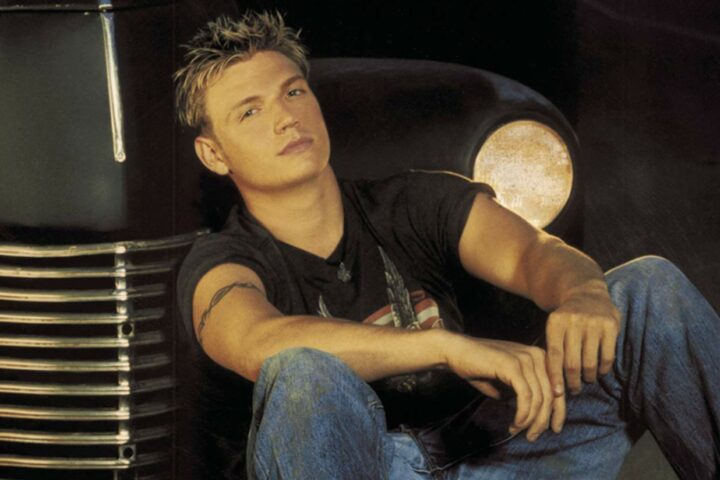
It’s not clear what decade Carter thinks he’s currently living in.

NSync’s golden boy has finally struck out on his own and the results are, ahem, golden.
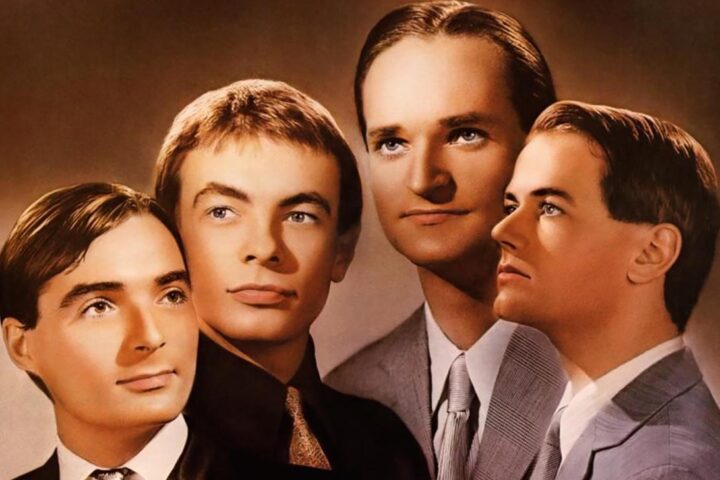
Kraftwerk’s meditative album is a sonic poem to Europe.
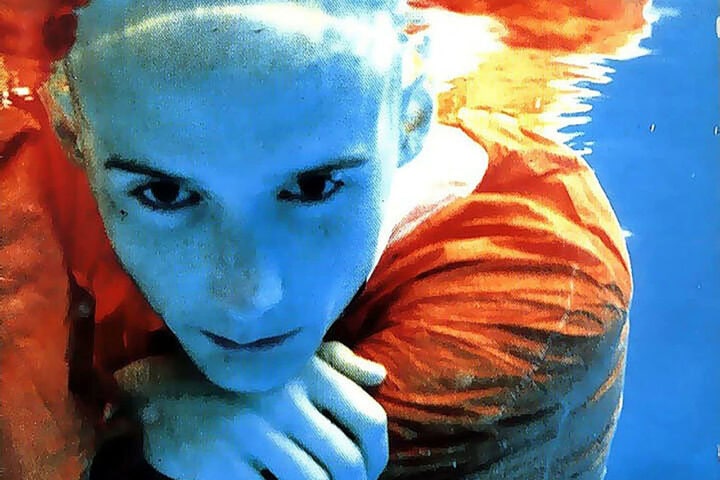
Señor Moby’s albums have always been a bit schizophrenic and his 1995 masterpiece, Everything Is Wrong, is no exception.
Massive Attack are the undisputed godfathers of trip-hop and Blue Lines remains the genre’s most influential masterpiece.

The White Room is an album that helped bring rave culture to the fore.
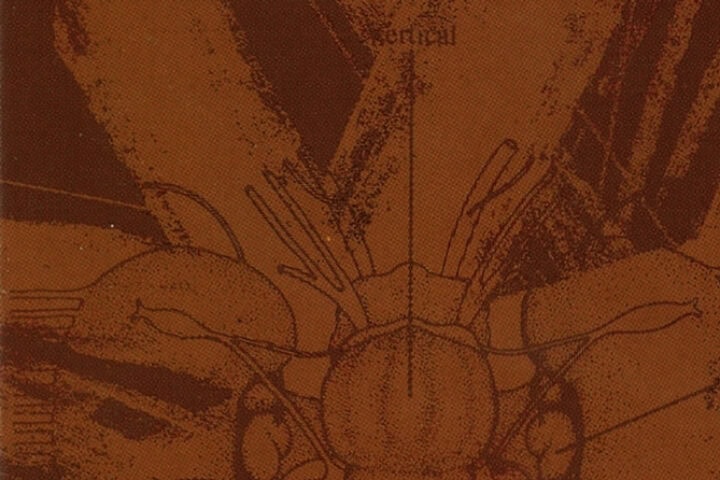
It’s no surprise that Orbital became one of the first electronic acts to bridge the gap between techno and rock audiences.

The album stands as proof positive of the band’s influence on the then-burgeoning rave and house cultures.

The album blends Acid House, Techno and Dub into a refined, epic headrush.
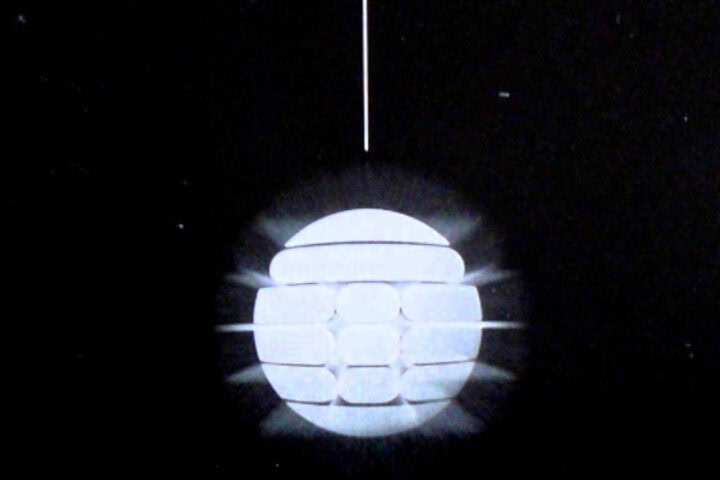
May’s creations paved the way for later Detroit artists like Plastikman as well as rave culture as we know it.
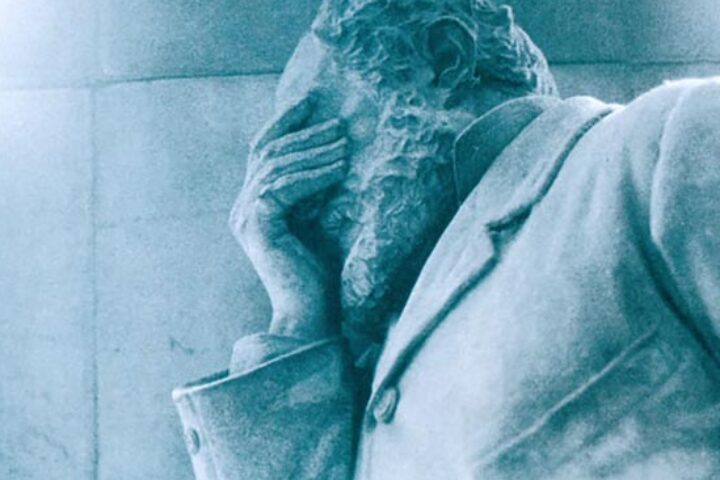
Who’s Afraid Of? is a brash blend of experimental rock and New Wave that was way ahead of its time.
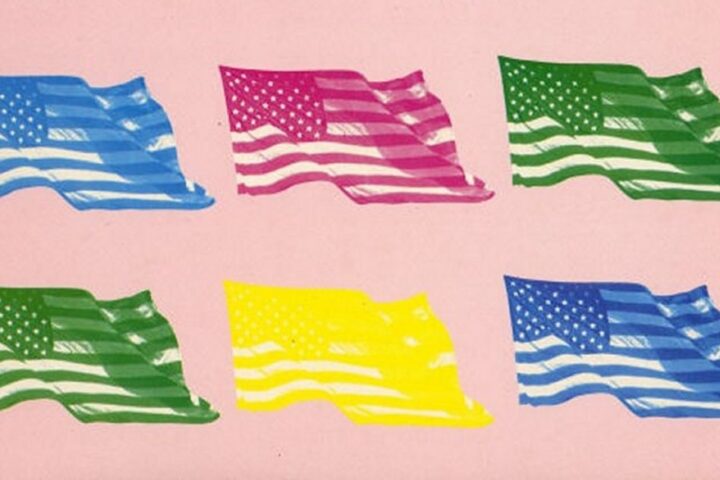
The group’s first domestic release, the album was a drastically-revised version of their 1989 classic.

The album is a savory mix of borderline-cheesy filtered loops and super-simple drum machine beats and basslines.

A collection of minimalist house more refined than anything that has come before or since.
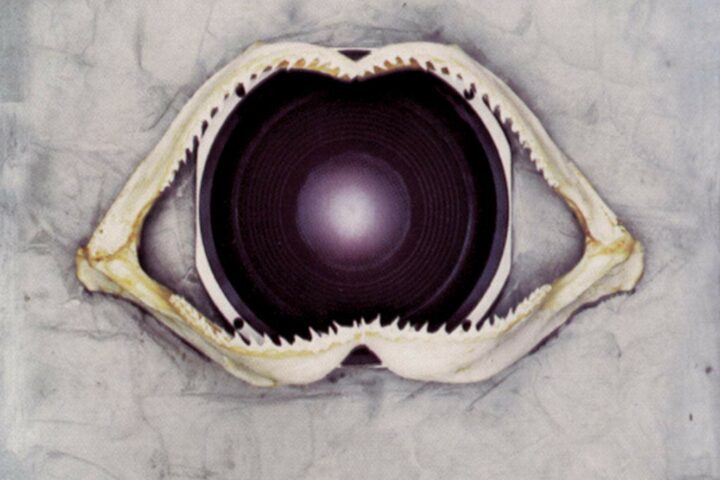
Leftism eschews mainstream categorization and manages to reside in the leftfield of almost all the electronic genres it propagates.
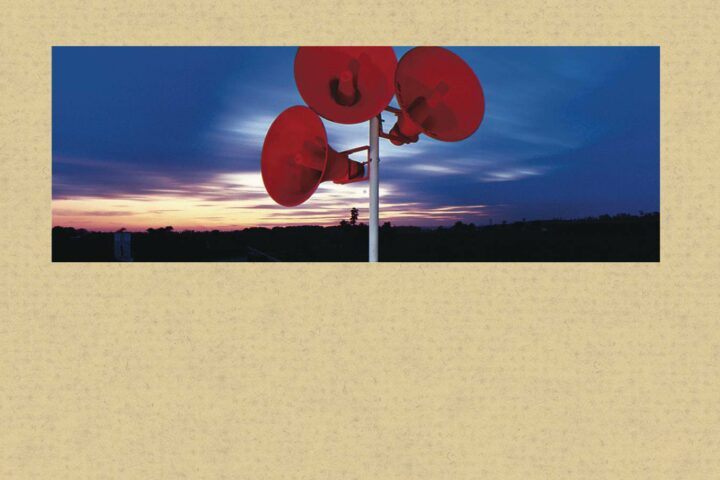
Depeche Mode’s Music for the Masses is steeped in high drama, each track spilling into the next like a pop-rock opera.

The album sounds just as groundbreaking today as it did eight years ago.