The album sees the singer-songwriter moving in a different direction.


The album sees the singer-songwriter moving in a different direction.

This is a record for the jazz aficionado who listens more for performance than songwriting.

Nelly Furtado’s style-hopping nature makes her a never less-than-interesting artist.
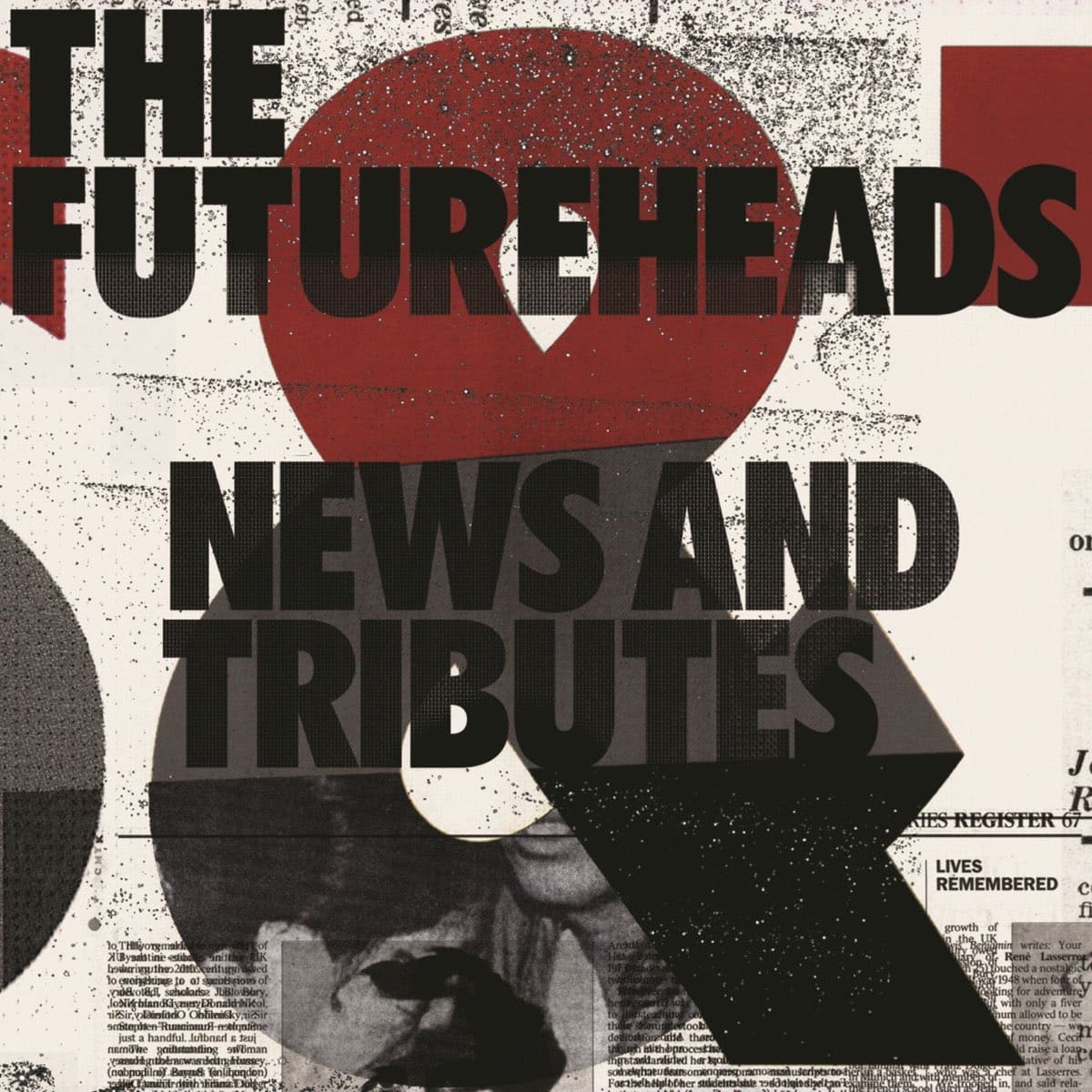
There’s an unmistakable soulfulness to the Futureheads’s songwriting and their performances.
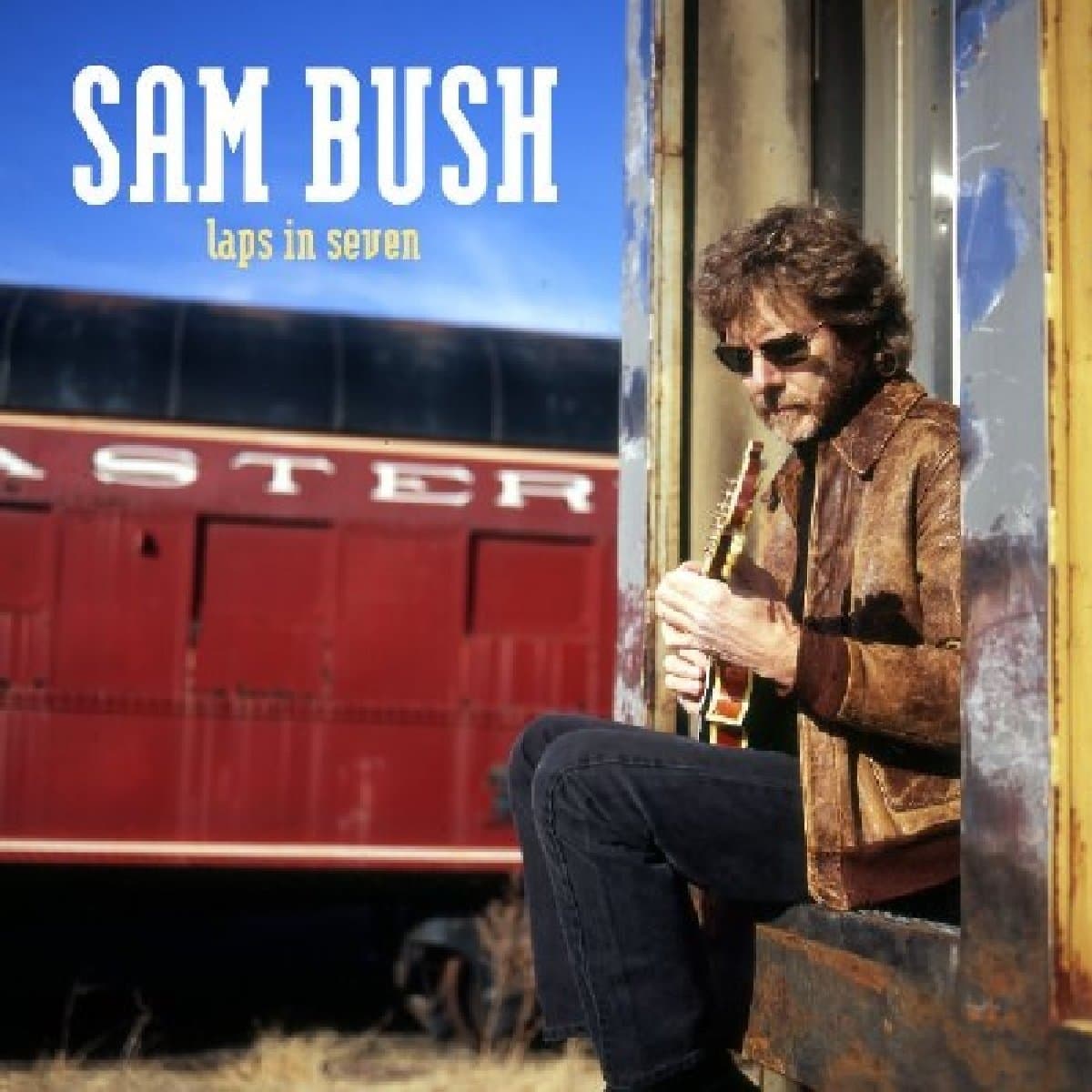
Laps in Seven is a remarkably focused work that nonetheless manages to capture the freewheeling spirit of Sam Bush’s live shows.
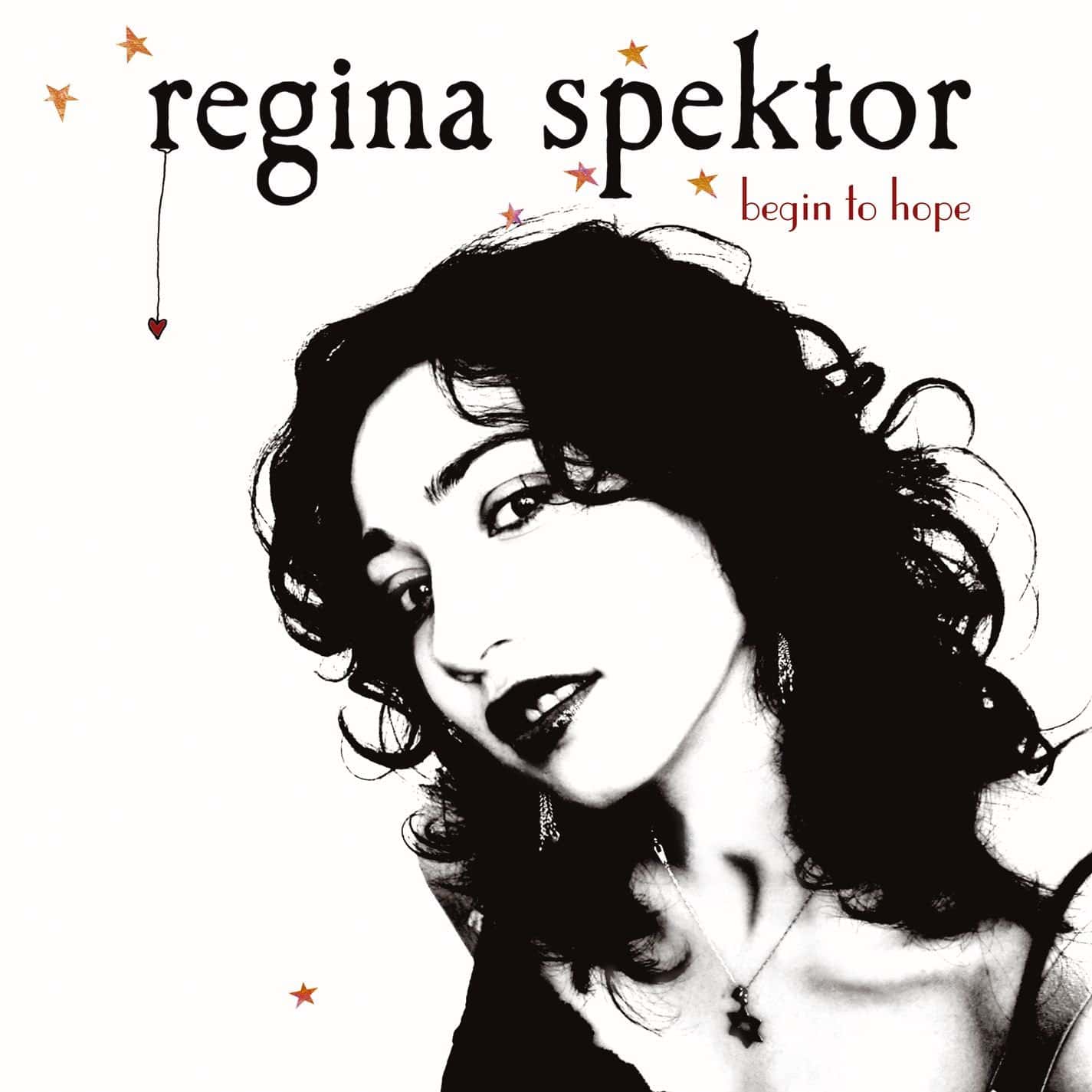
With the possible exception of “That Time,” with its repetitive, Alanis-style lyrics, there’s an underlying hope to Regina Spektor’s music.
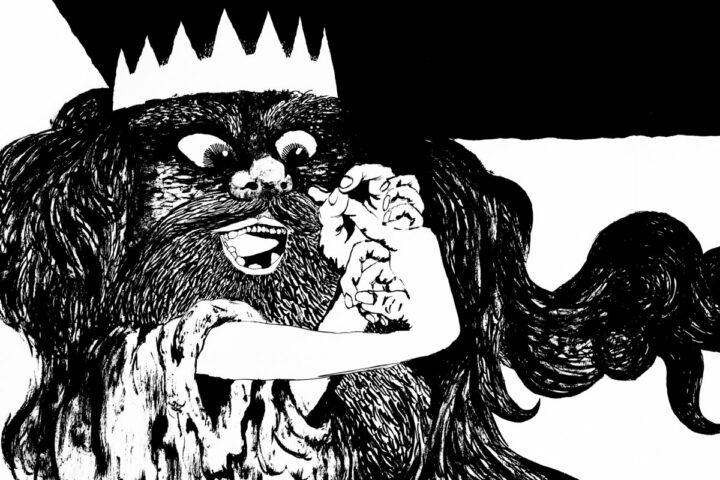
It’s not surprising that Owen Pallett would set out to “modernize” D&D’s eight schools of magic.
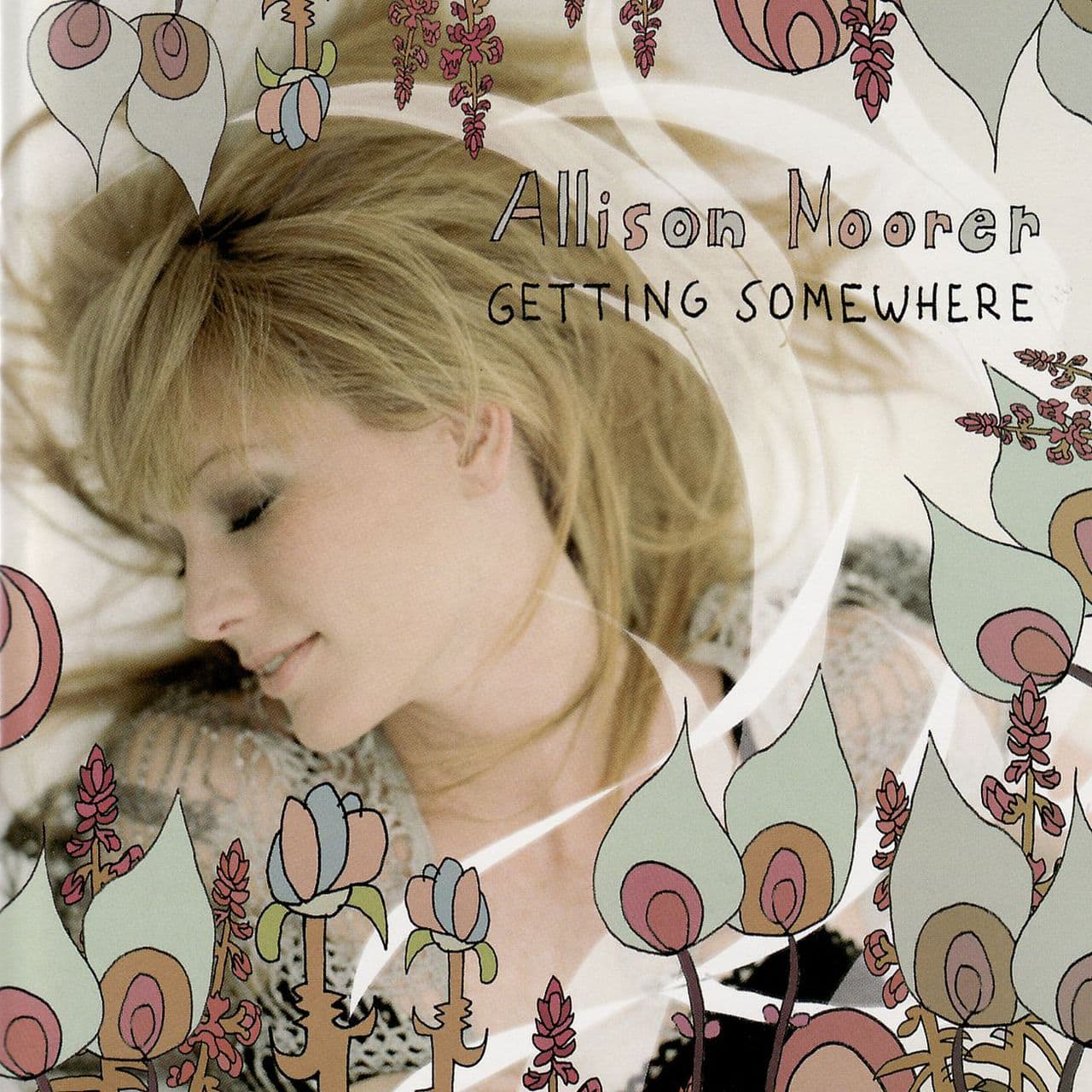
Getting Somewhere suffers from the disconnect between Moorer’s delivery and the quote-unquote content of her songs.

All American Bluegrass Girl’s artistic vision matches Rhonda Vincent’s technical gifts.

A failure as spectacular as Peeping Tom only drums up higher hopes for a redemptive follow-up.
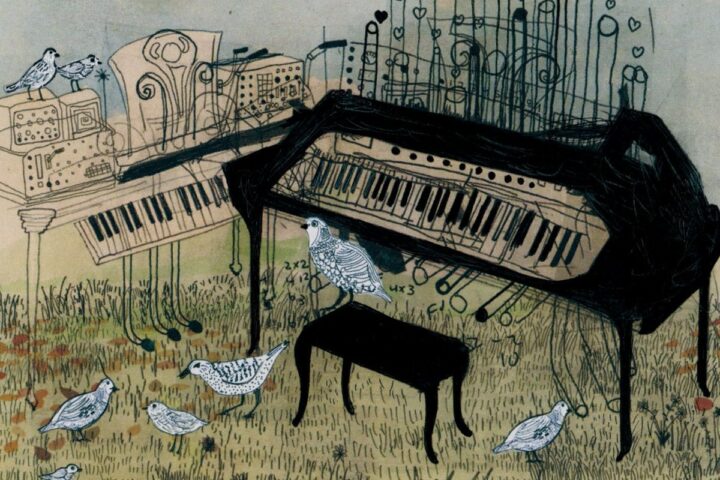
The album is like a warm cup of milk before bed.
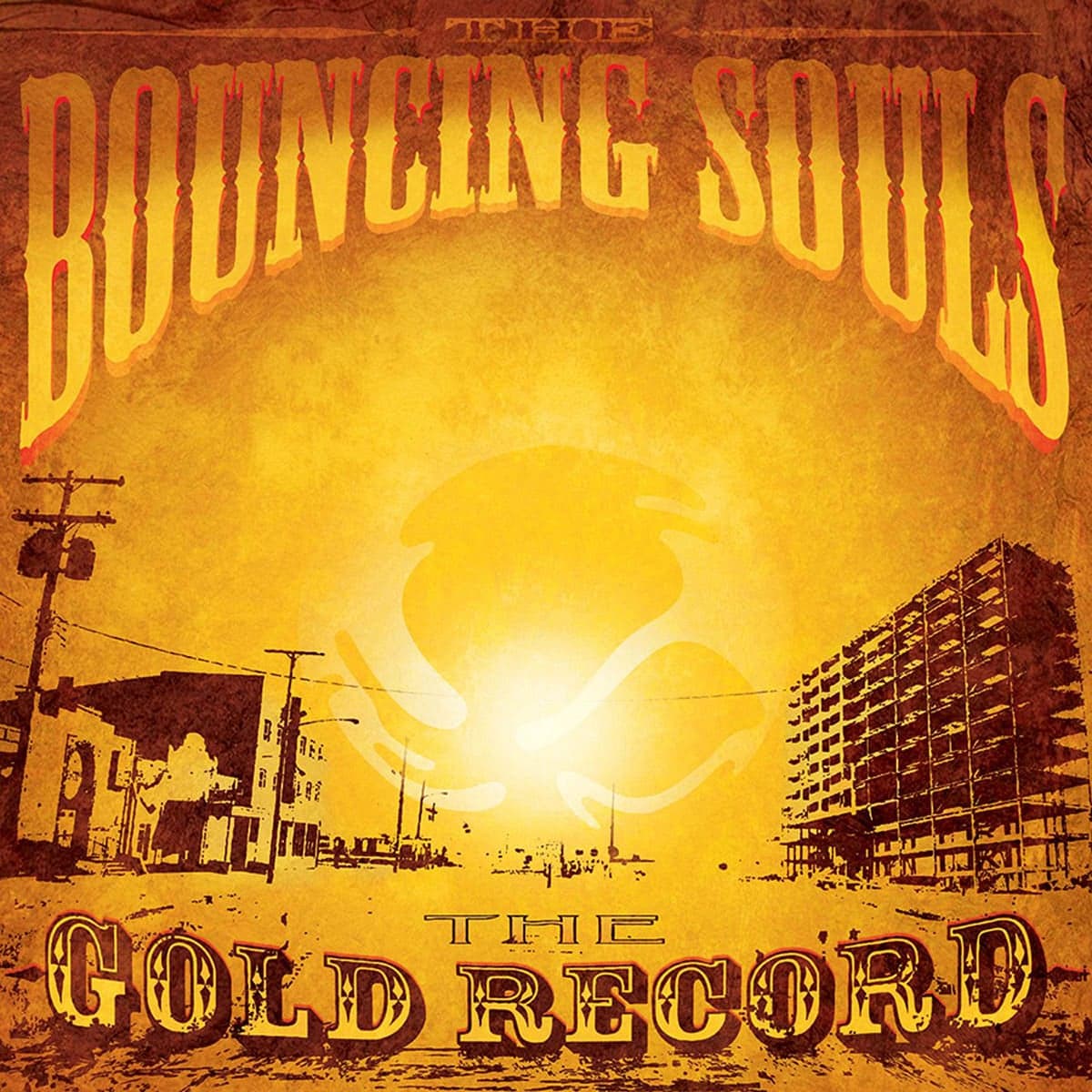
The Gold Record is more dependable than it is spectacular.
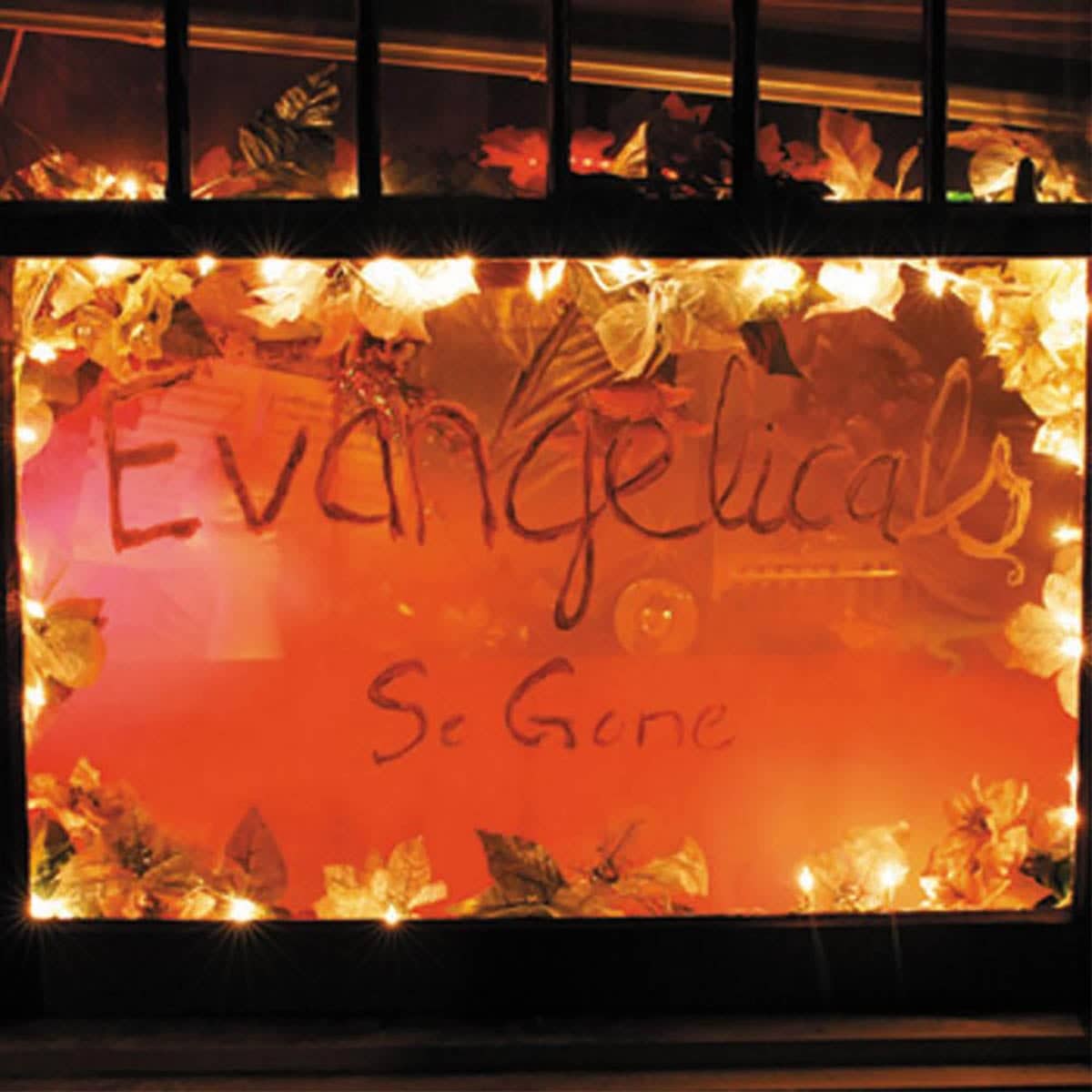
Evangelicals’s debut full-length So Gone is a dense, emotionally complicated record.
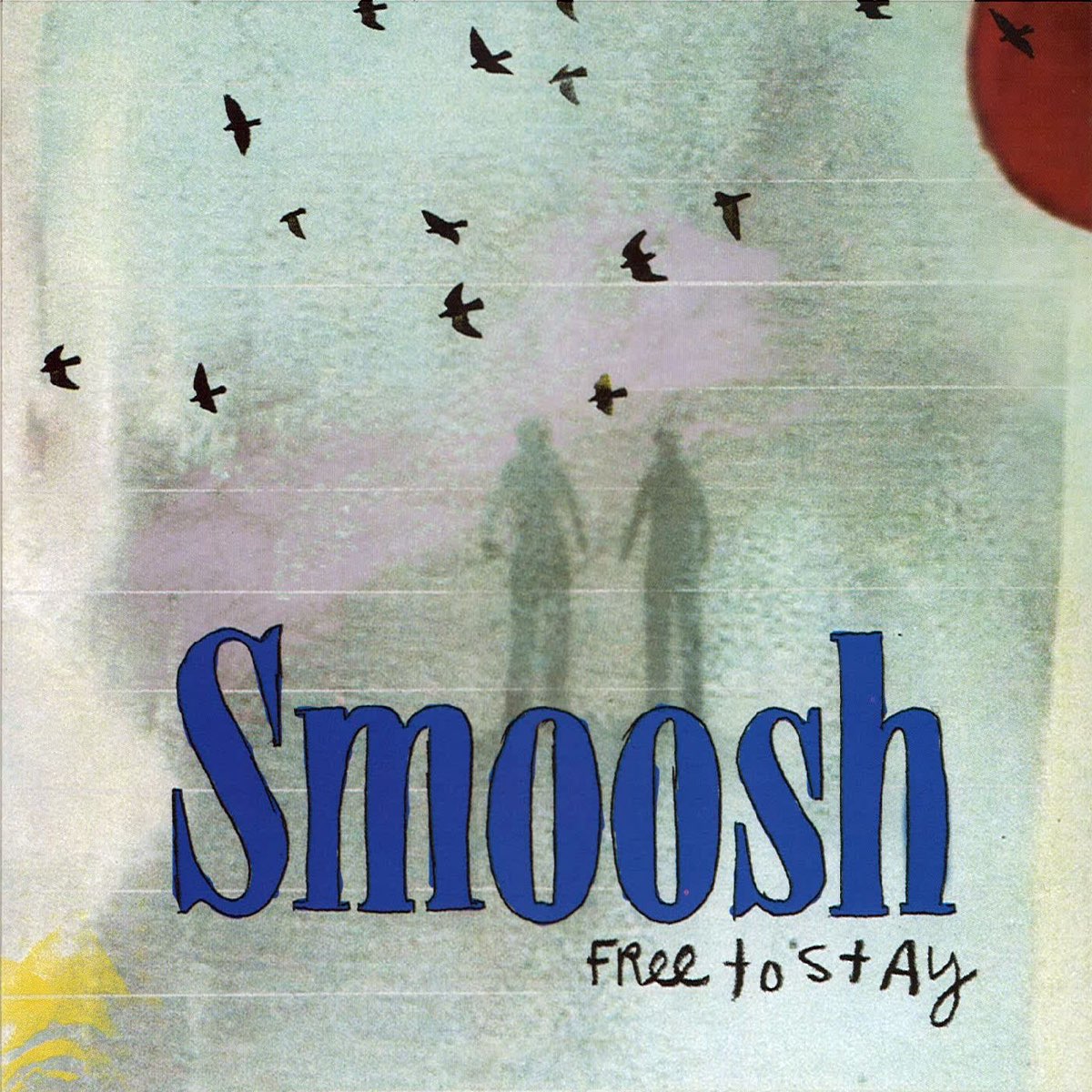
Free to Stay is playful, quirky pop that sounds like it’s old enough to drive but still bums rides from the ‘rents.
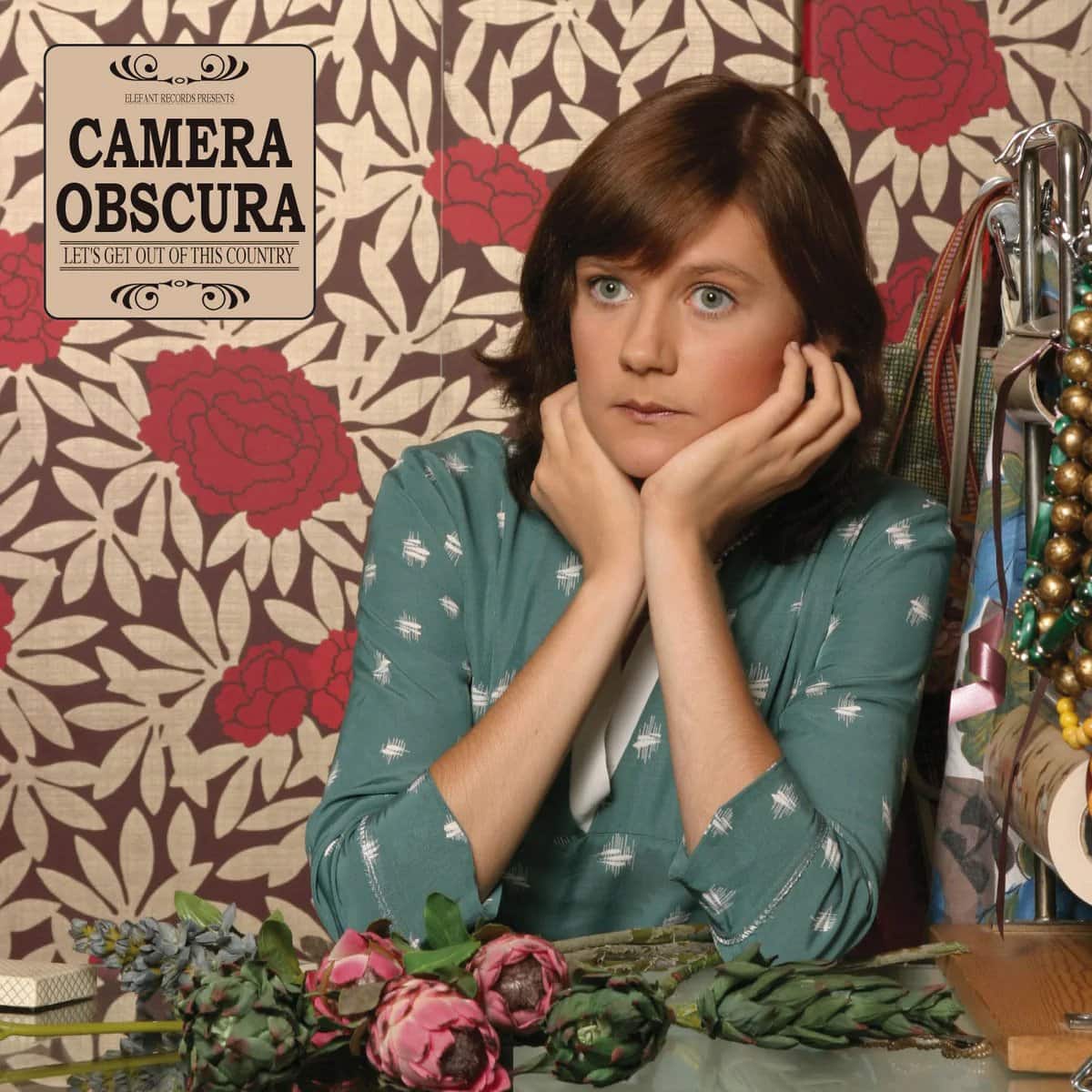
The album finds Camera Obscura stepping out from the considerable shadow cast by Belle and Sebastian.
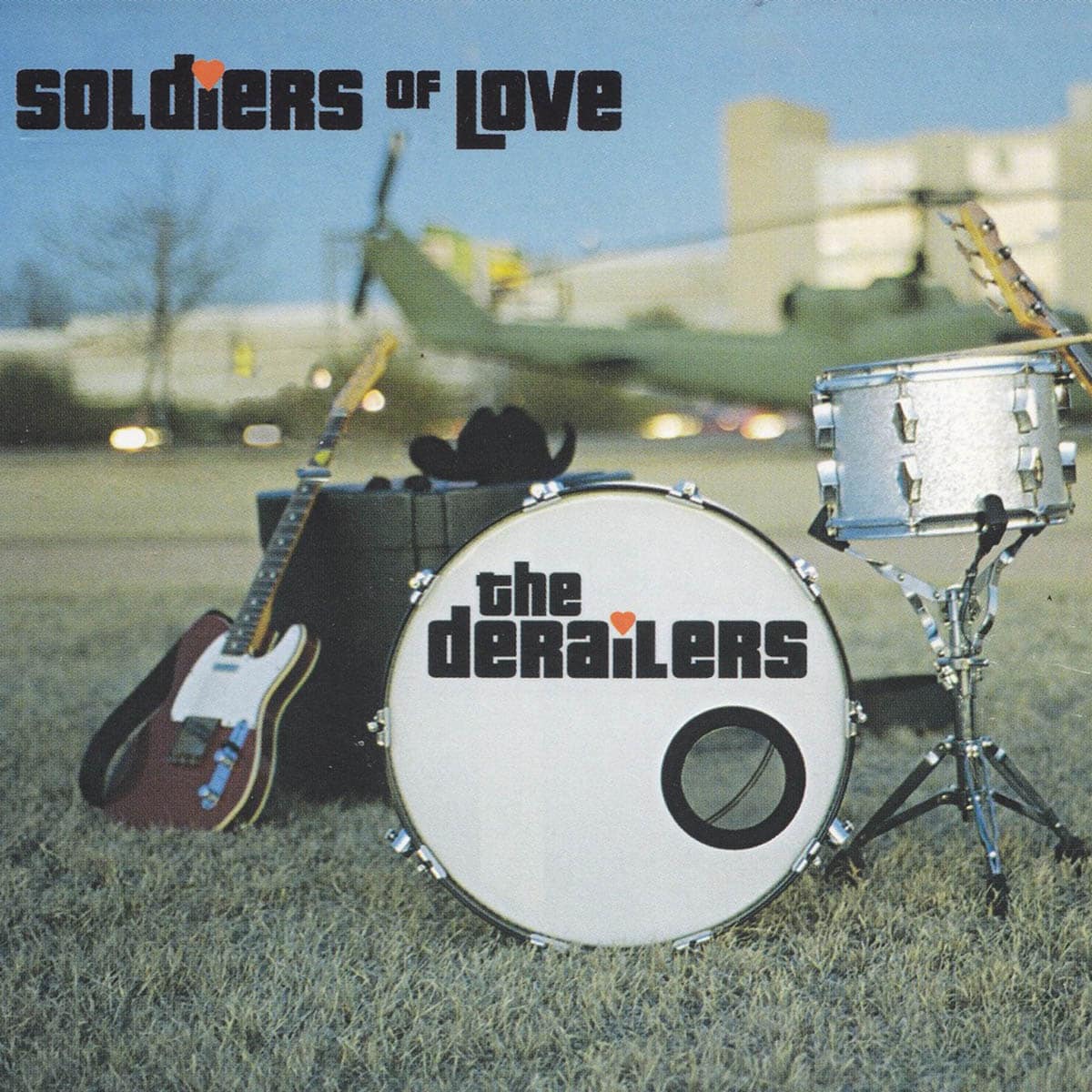
Soldiers of Love pales in comparison to the band’s live reputation.
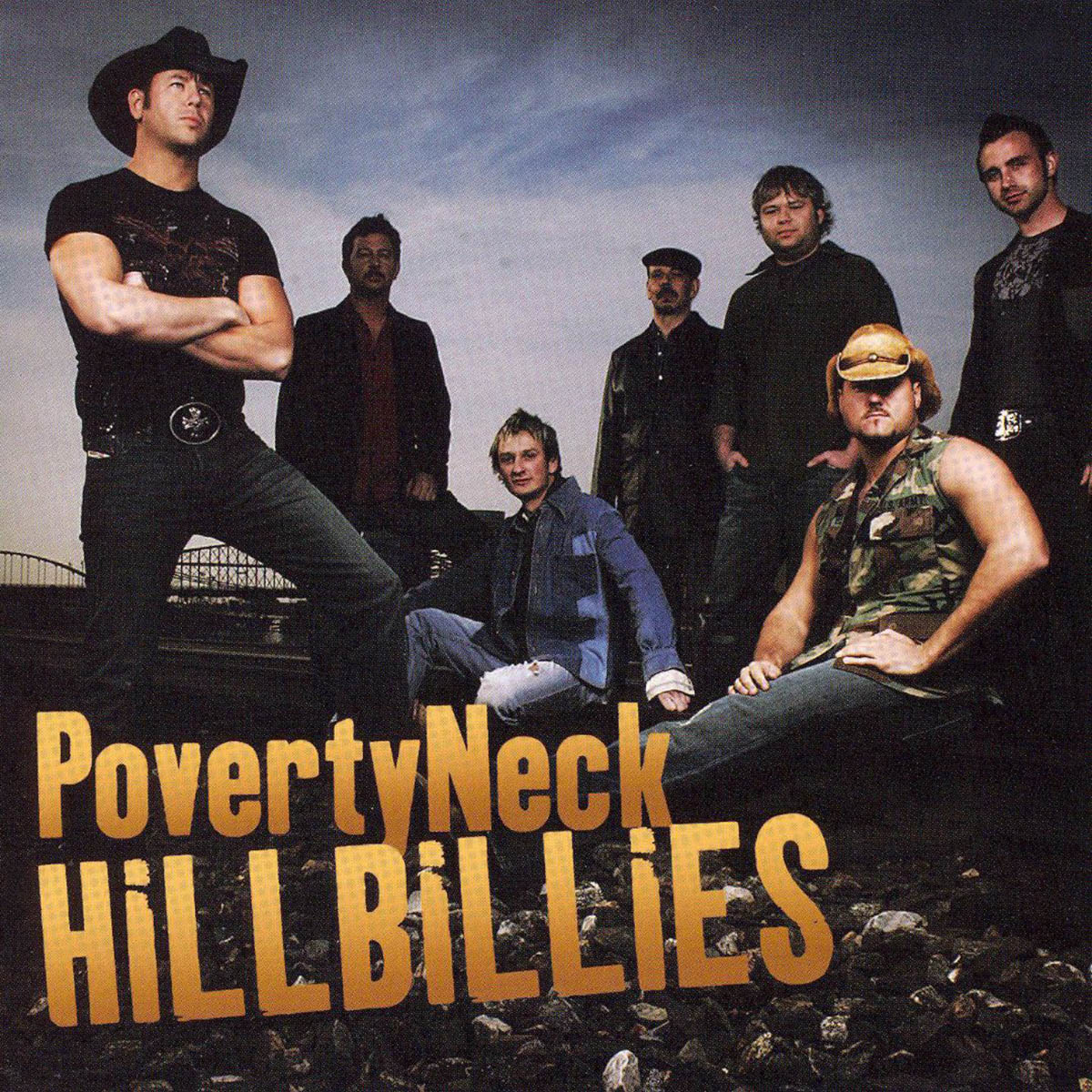
With enough of a promotional push—and CMT seems game—Povertyneck Hillbillies are primed for far more than just localized success.

You can tell that the brief but potent career of Jeff Buckley has impacted yet another European singer-songwriter.

The River in Reverse is a dark, passionate work that channels its rage toward redemptive joy.
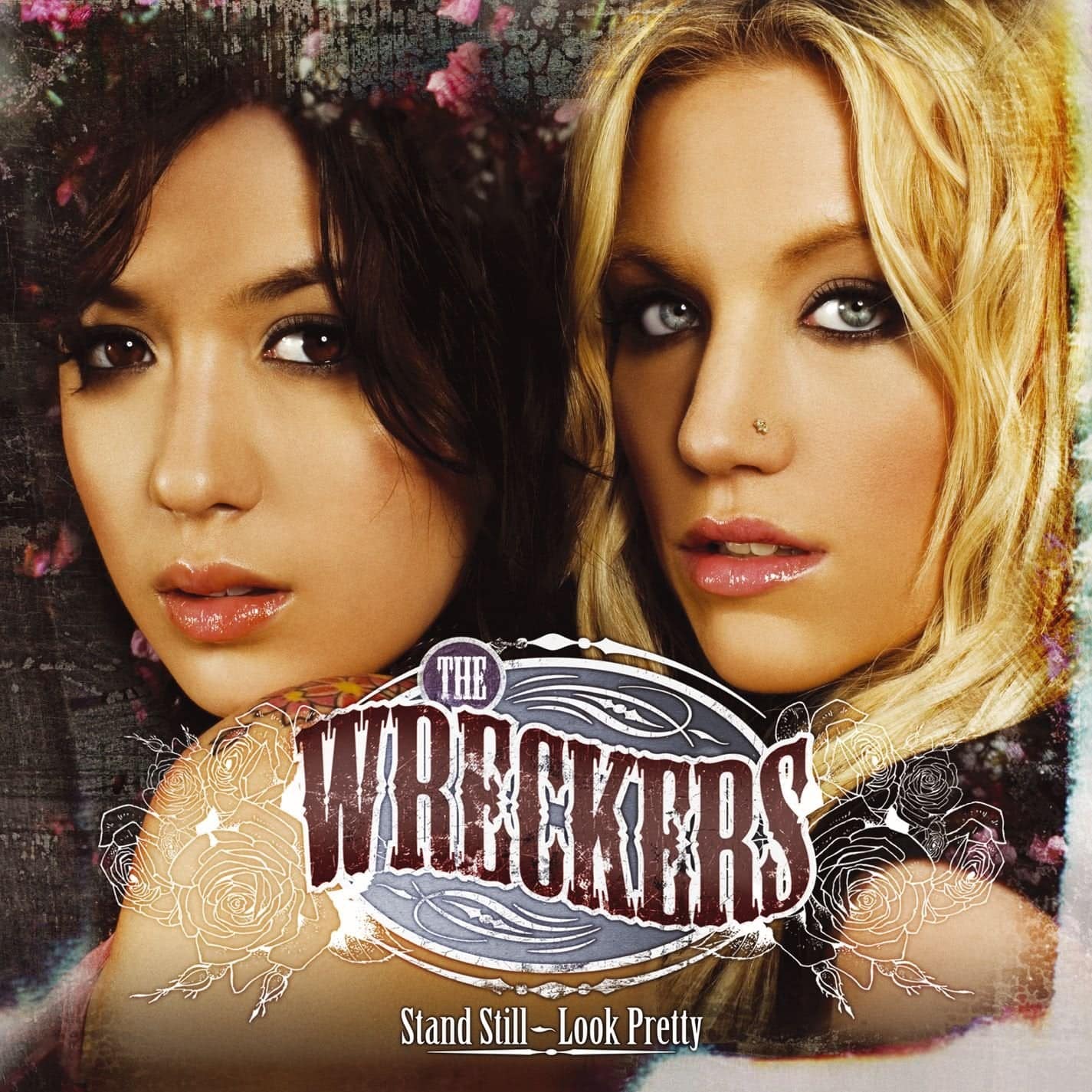
The album is as “country” as Bon Jovi’s “Who Says You Can’t Go Home” or anything SheDaisy have ever released.
This is a solid and even occasionally great example of contemporary bluegrass music.