The Aussie director discusses why horror was the right vessel for his commentary.


The Aussie director discusses why horror was the right vessel for his commentary.

Cherry Jones loves company, so it’s fitting that she plays the proprietor of a bed and breakfast in the show.

Luckily for Tom Kitt, he was in his dorm room when opportunity knocked.
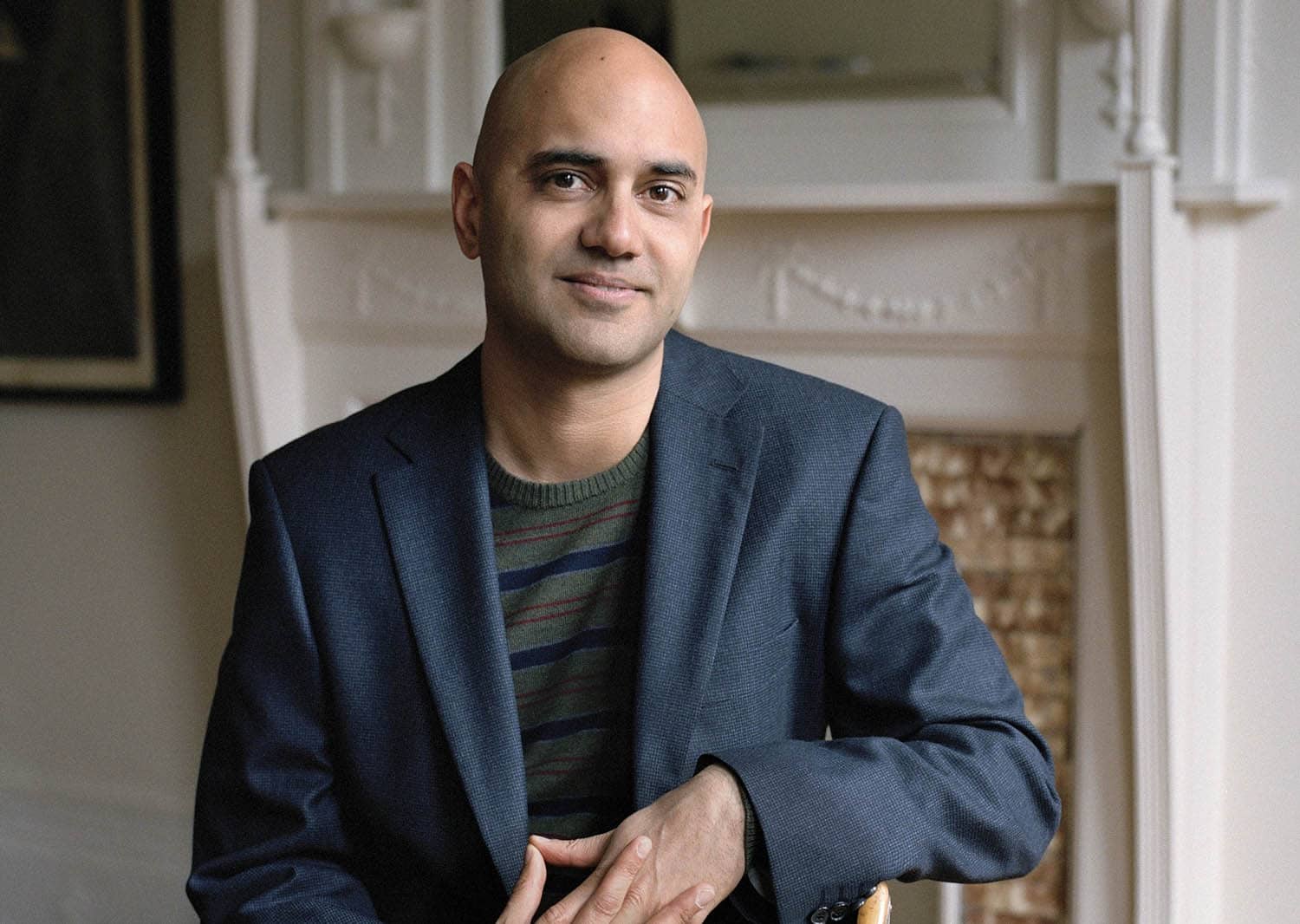
Akhtar is attuned to the issues facing an immigrant generation caught between 21st-century mores and the conservative traditions of their faith.

This great actor’s voice is a wonderful contradiction: rough and smooth at once, like sandpaper worn beyond use.

Gray speaks to us about not directing Phoenix, his personal links to his films, and what he loves most about NYC.

As Marion Cotillard recalls her early goals and ambitions, her memories mirror the themes of The Immigrant itself.

He admits that Isabelle was a mystery to him—one he constantly tried to crack while making Young and Beautiful.

Nathan Silver is predominantly preoccupied with chaos.

Estelle Parsons has always found something interesting to do.

She suggests a cosmic force manifest as she ruminates on immorality, fears and secrets, even fish and the Darkness.

Glazer sees formal details as, fittingly, finding their place as the whole takes shape.
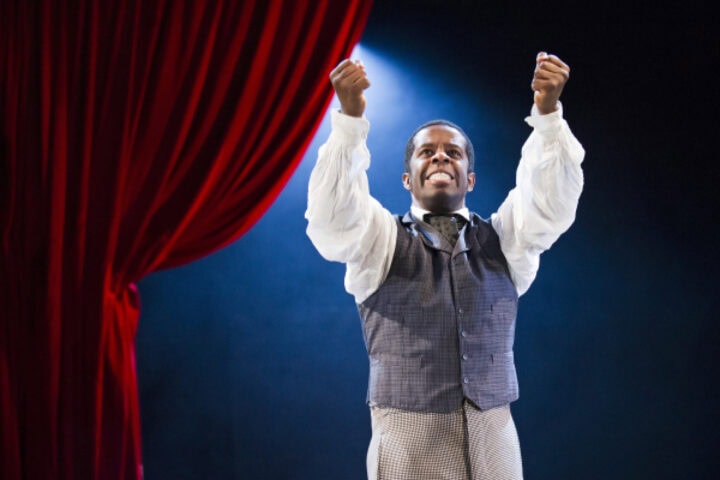
The English actor, who’s married to playwright Lolita Chakrabarti, talked to us about bringing Aldridge’s story, their labor of love, to the stage.

Luna discusses the working conditions under which Cesar Chavez worked and his understanding of the man’s legacy.

The Nymphomaniac actor talks with us about religion, his “limited experience” with S&M, and a certain “floppy dick.”

The Grand Budapest Hotel director obliged us by sharing his fascination with making movie storybooks.

The playwright discusses his interest in carnal activities in the context of world history.

We chatted with Cox about the unexpected Castlevania reboot’s success, and what to expect for its hotly anticipated sequel.

Omar is unmistakably political, but he insists that he aimed to sideline politics in the Oscar-nominated film.

Guiraudie spoke of his ’70s fixation, his attraction to the mythical, and Stranger by the Lake as existential study.

Stein and Willett discuss G.B.F.’s witticisms, its handling of stereotypes, and more.