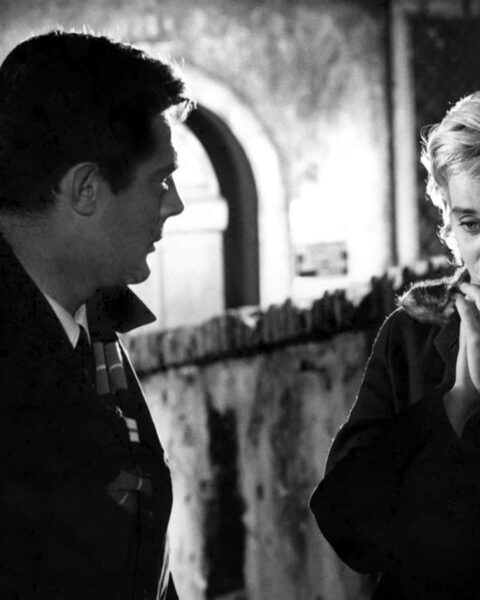
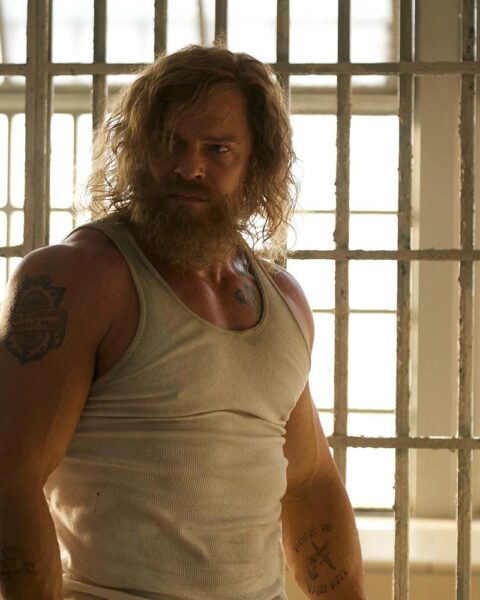
Refn discusses his love of fairy tales, falling through the rabbit hole of streaming, and more.


Refn discusses his love of fairy tales, falling through the rabbit hole of streaming, and more.

This nostalgic paean to ’70s-era youthfulness and the short-lived fad of roller disco coasts by on an amiable soul-funk groove.

Mike Johnson and Tim Burton’s film shows that imitation is the sincerest form of flattening.

Cry_Wolf bamboozles viewers in ways that outdo even the characters’ interminable hoaxes.

The film proves content to tread on familiar ground by recounting the waning days of the samurai class in isolationist 19th-century feudal Japan.

As usual, the festival will be remembered equally for the films left outside its door.

The film treats the events surrounding the 1979 assassination of South Korean president Park Chung-hee as an elaborate joke.

Coming-out films are not uncommon but rare are the ones directed by straight dudes and cut from such an abnormal mold as Dorian Blues.

The dichotomy between Murrow and McCarthy is emblematic of Good Night, and Good Luck’s fixation on contrast.

The documentary powerfully conveys the method by which irrational blame-games fuel mass intolerance.

The Ghosts of Christmas Past, Showtime, and Taxi seemingly haunt every shot of the film.
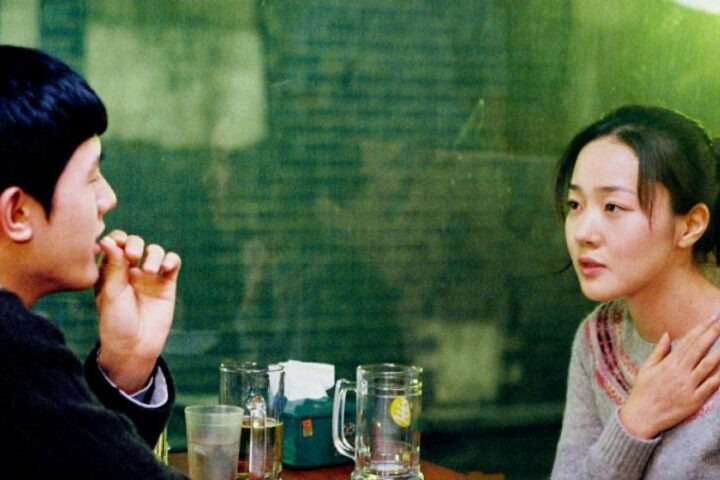
No movie this year will benefit as much from repeat viewings than Hong Sang-soo’s A Tale of Cinema.

Leave it to a Canadian filmmaker to attempt dissecting the shape of rage that lies underneath small town America.
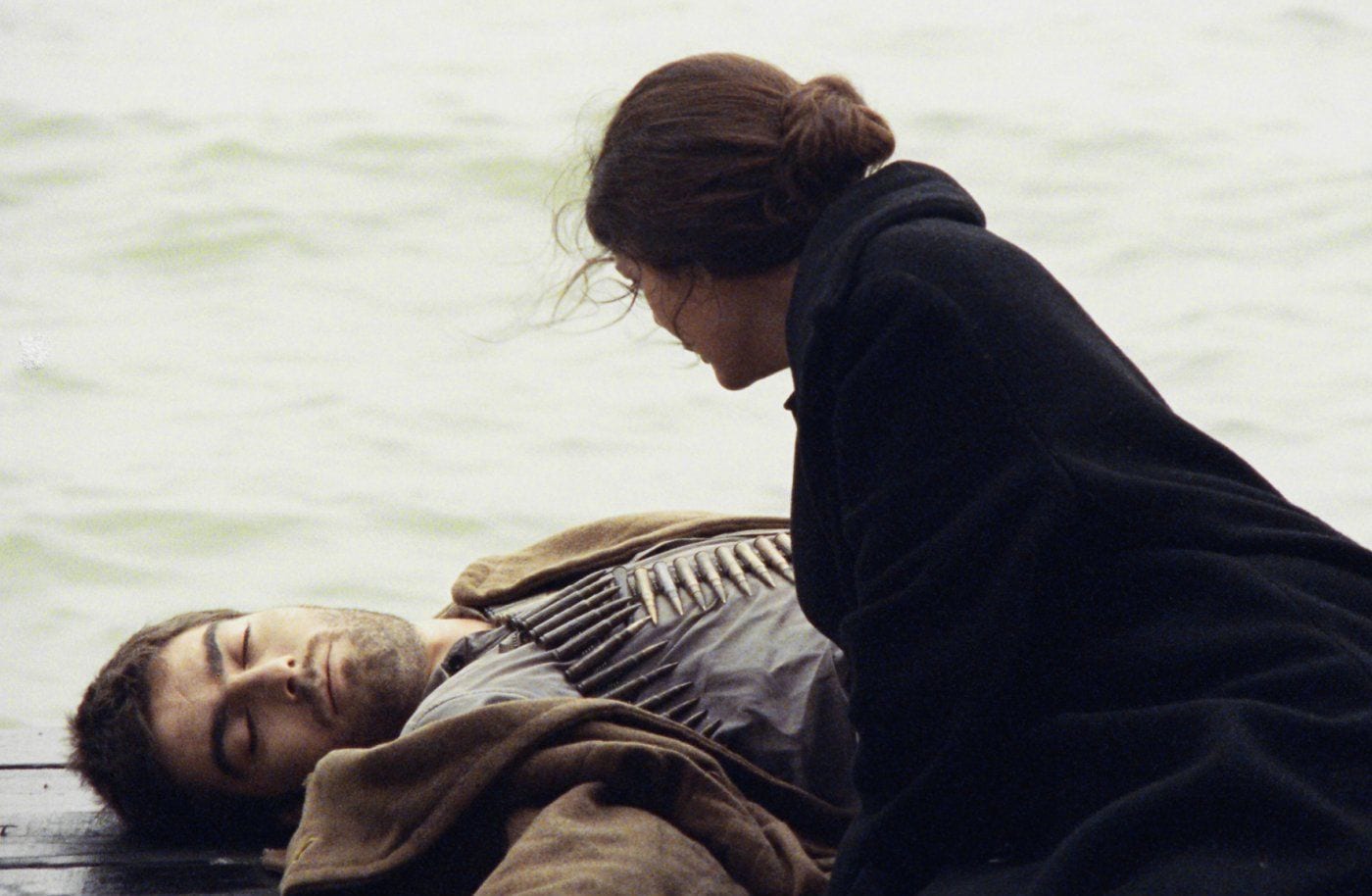
Cold, humorless, and ostentatious, Theo Angelopoulos’s films have wrecked havoc on European art cinema for years.

Jennie Livingston’s preference for feeling over exoticism secures an ultimately hopeful study of the search for personal wholeness.

Paul Reiser is mad about Dad in The Thing About My Folks, an infuriatingly bad tale of father-son bonding.
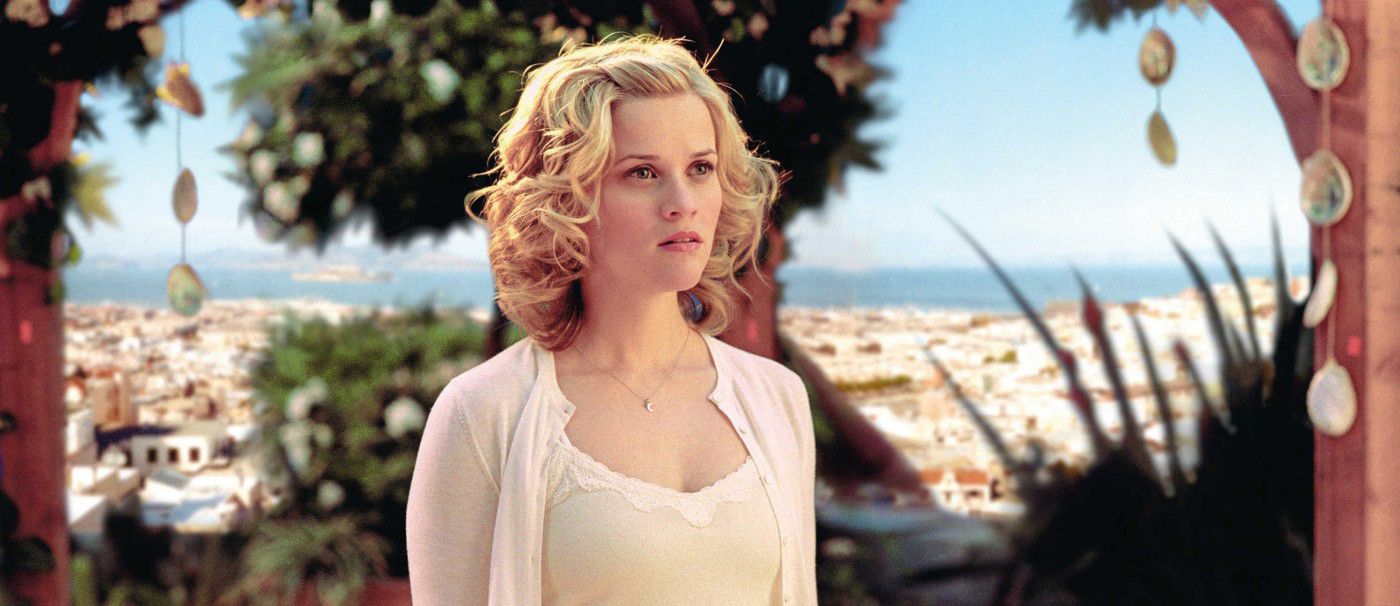
Finally, a romantic comedy that addresses the Terry Schiavo debate!
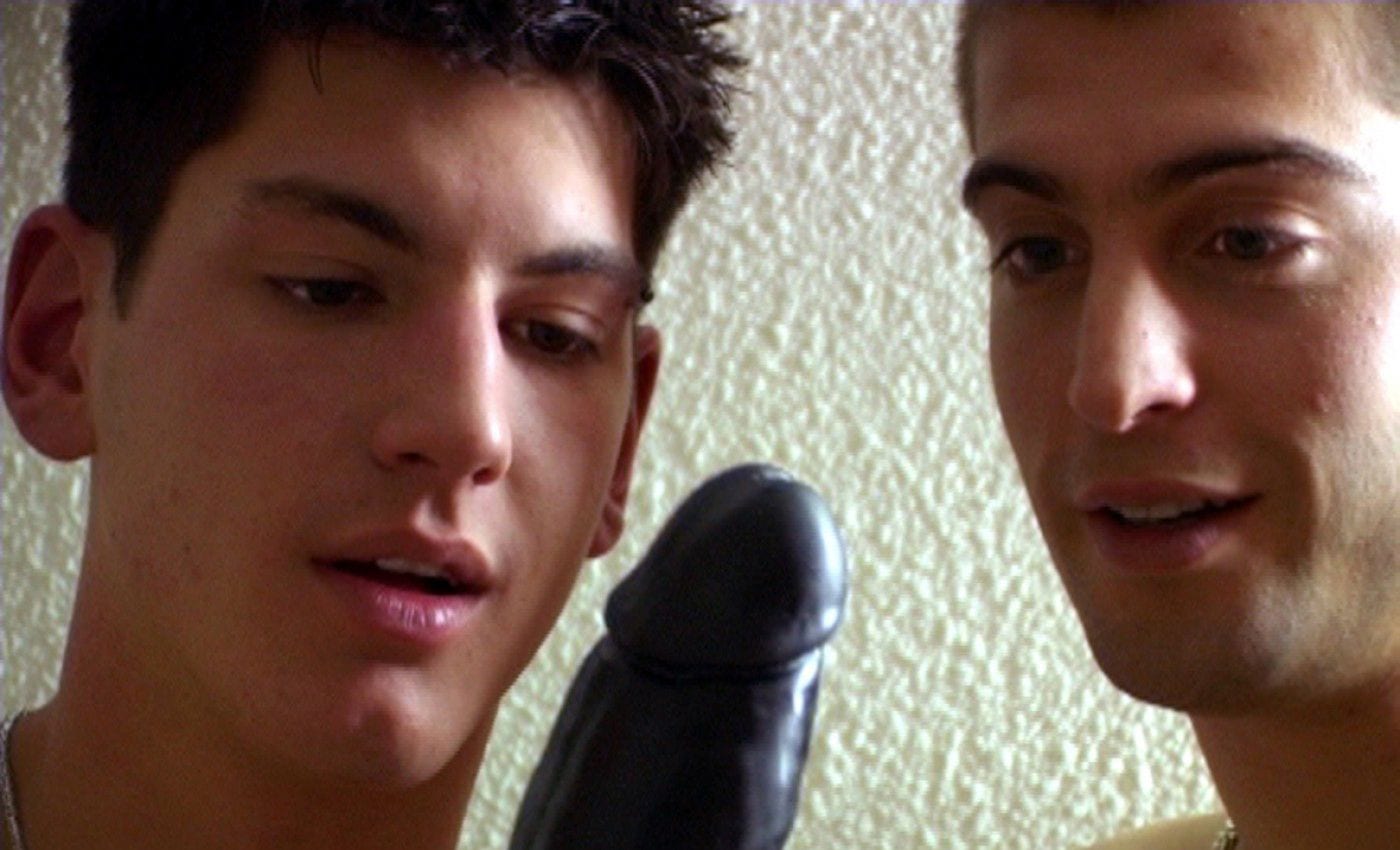
The feature debut of Swiss director Lionel Baier puts a queer twist on the Mulveynian concept of cinema’s “male gaze.”

Joss Whedon reduces the existential struggles of his galaxy-bouncing rebels to pat one-word signifiers like Love and Pride.
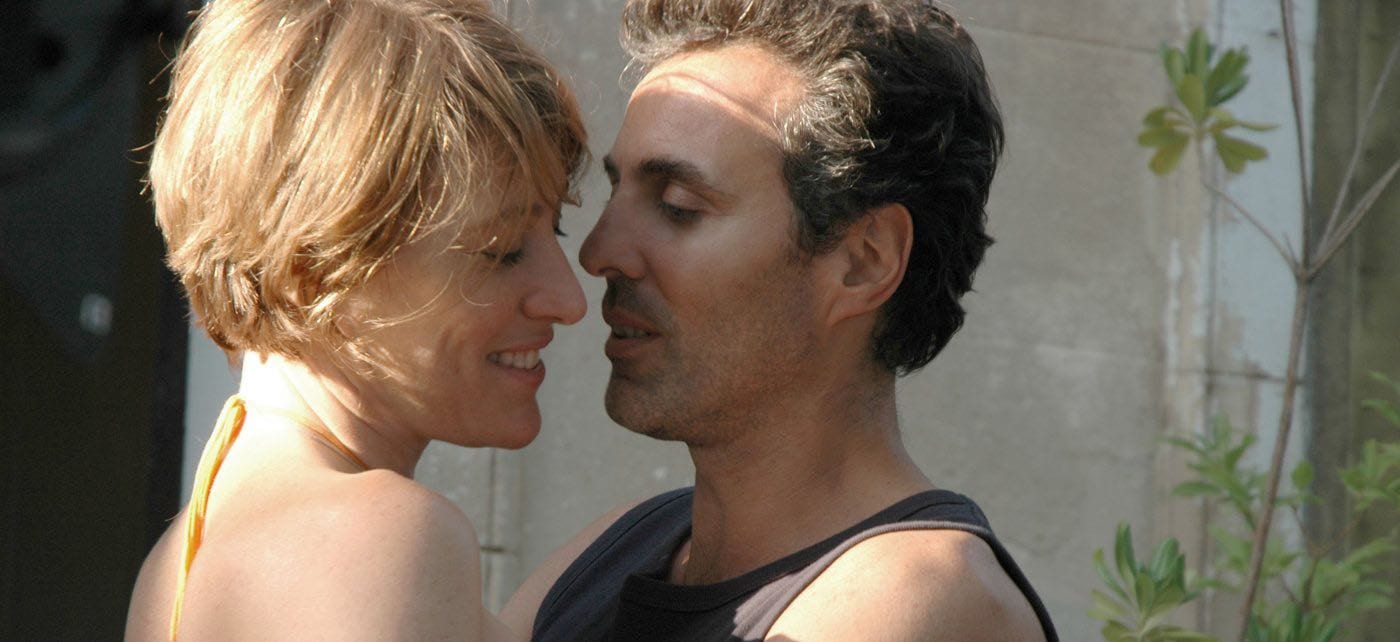
The filmmakers’ gentle humanism allows the film to moderately rise above its somewhat rote tale of Riviera bed-hopping.
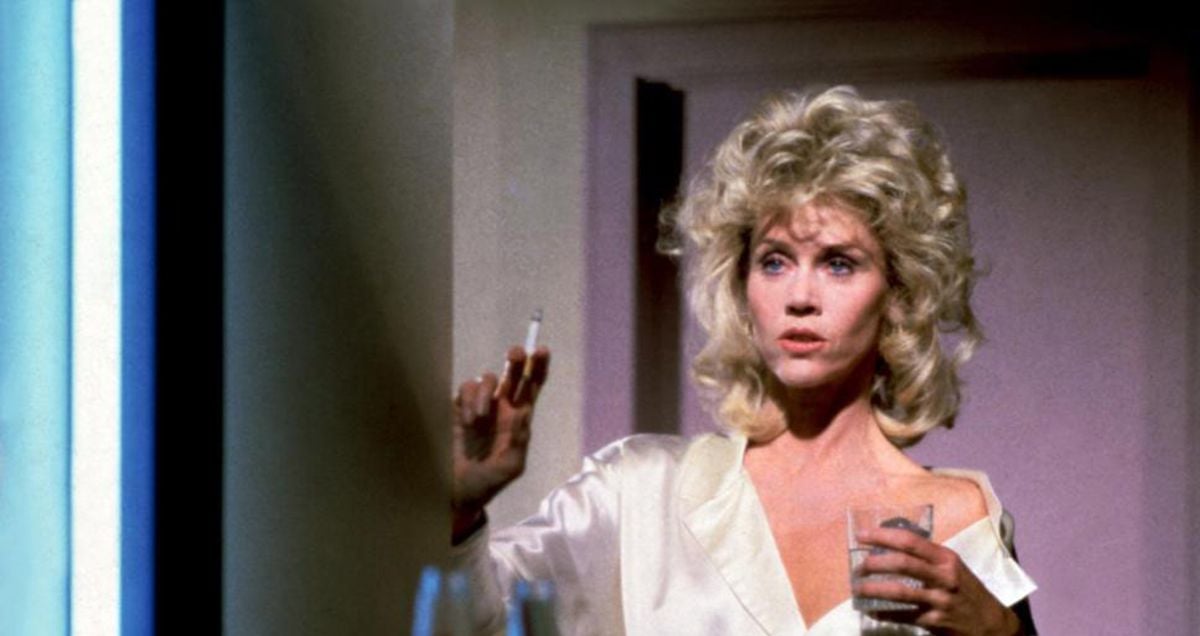
Jane Fonda is having fun, but her character is only an echo of her great loser heroine in They Shoot Horses, Don’t They?