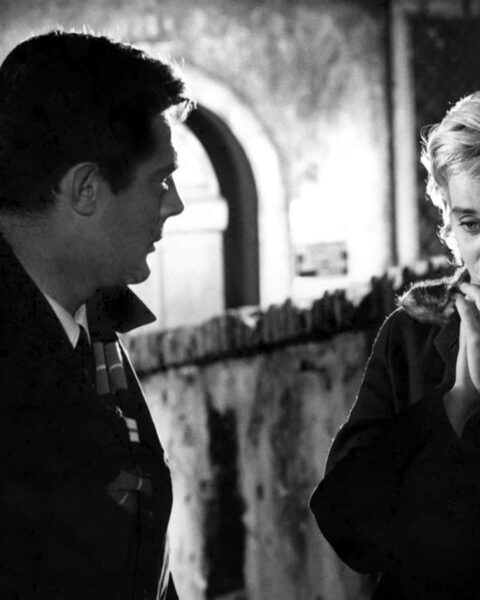
Refn discusses his love of fairy tales, falling through the rabbit hole of streaming, and more.


Refn discusses his love of fairy tales, falling through the rabbit hole of streaming, and more.

The film is a fierce document, rigorous and startling in its portrayal of a soul wrestling for wholeness.
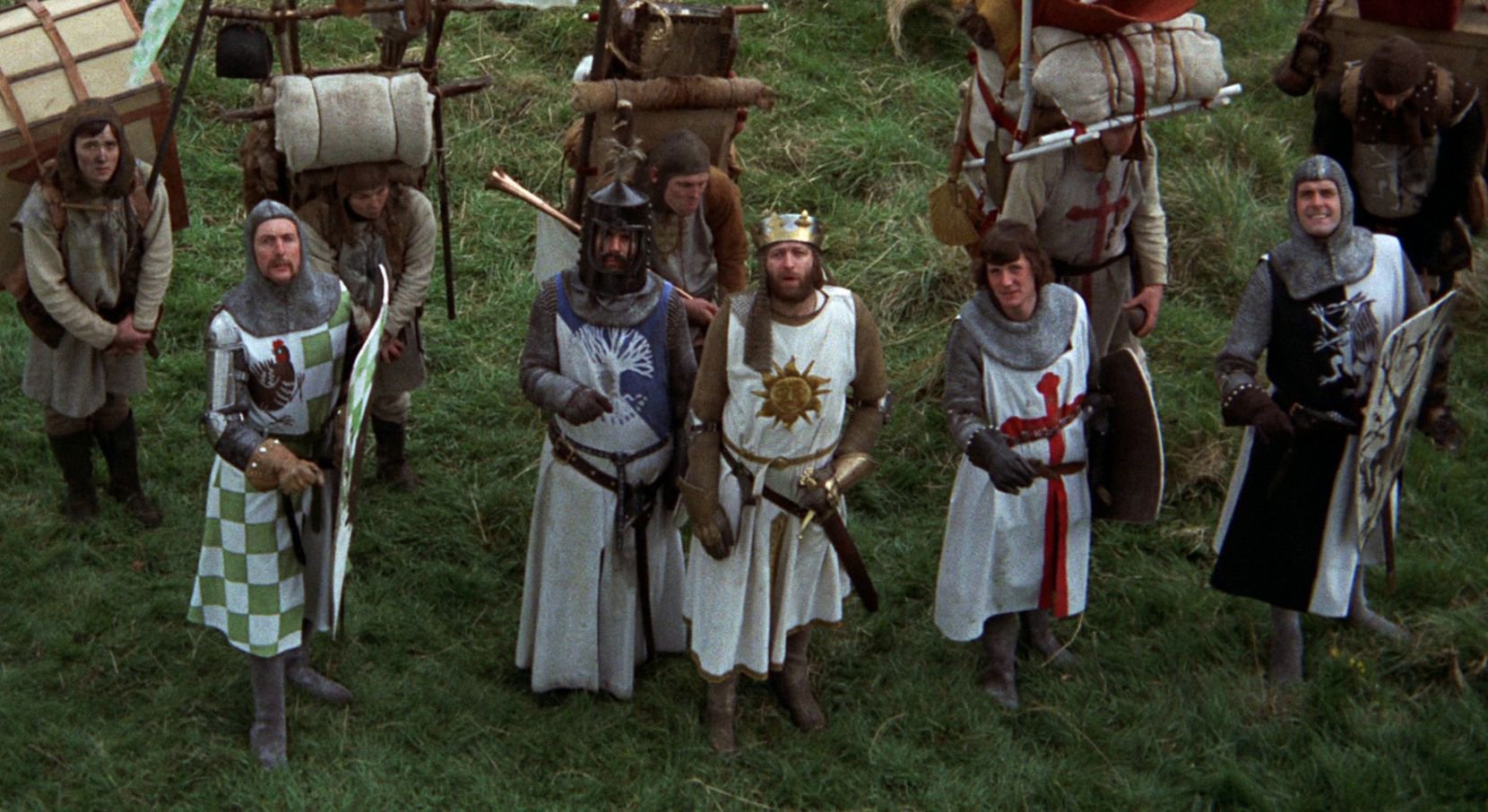
A wonderful charm filters through these almost collegiate efforts, as if these underfunded Brits, in doing their best, did it better.

The Complete Jacques Rivette retrospective enters its fourth week at the Museum of the Moving Image.

Reminiscing in Tempo is not in sync with its subject matter.

To list all the contrivances strewn throughout would require more words than are warranted by Nancy Meyers’s cinematic maple syrup.

It happens in a moment. Her eyes flick down, she takes a quick peek, and I start laughing.

There also isn’t a moment when The Good German’s artifice isn’t as depressingly hollow as a spent bullet casing.

No one will accuse Ian Gabriel of pushing a glossy commentary about reparations in South Africa, only a shabby melodrama.
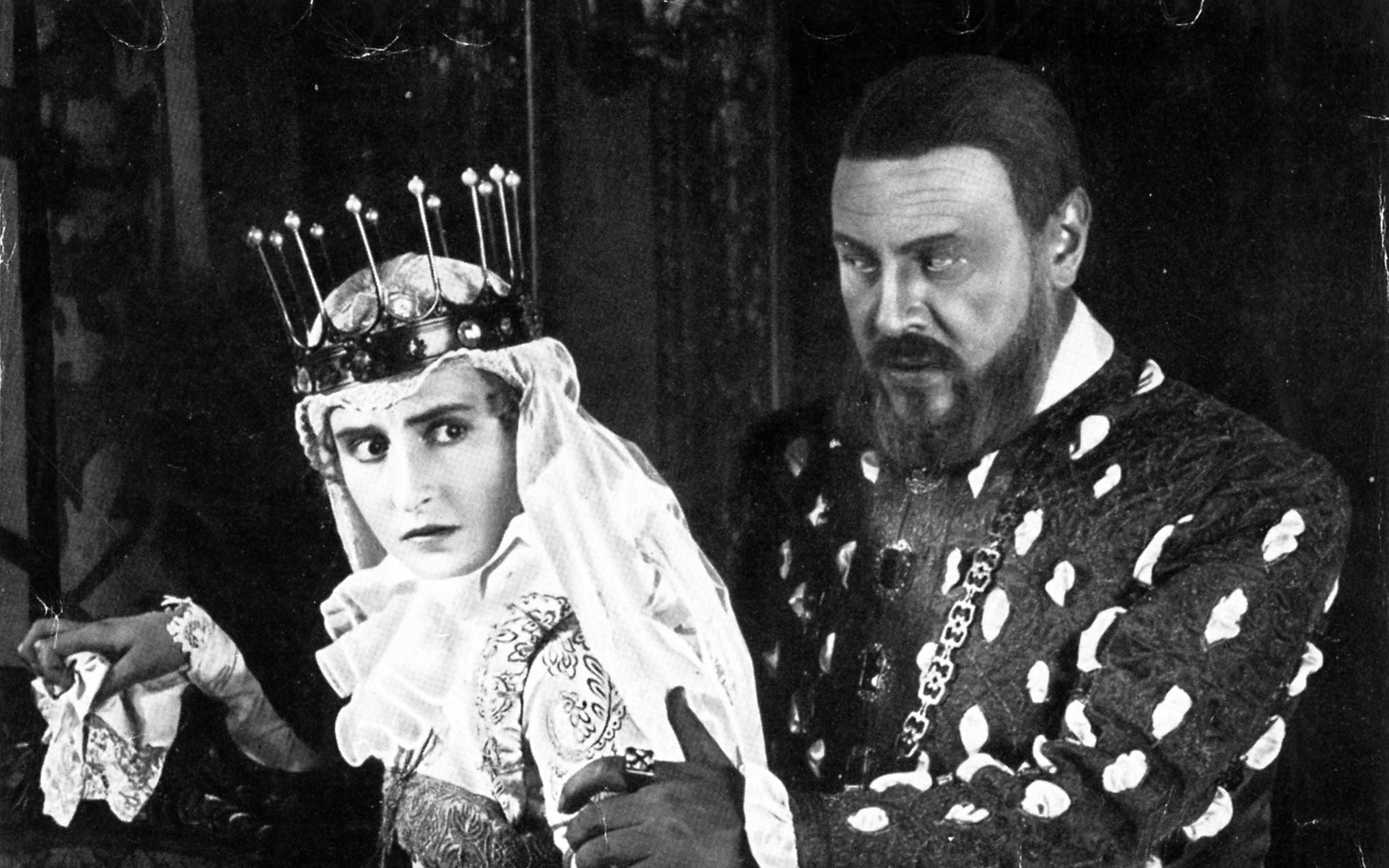
The film was one of several historical pageantries made by Ernst Lubitsch during his early tenure with UFA studios.

The Arabian Nights spectacle of Sumurun attests to silent German cinema’s fascination with ornate orientalism.

Ernst Lubitsch started his career in broad slapstick, and a gleam of rowdy humor never fully left his work.

The Fountain is both impossible to dismiss outright and, unfortunately, equally difficult to take seriously.

Jacques Rivette’s short Le Coup du Berger has quite the pedigree.

Barbra Streisand. Is. A Star Is Born. And two-shots have never been so completely arbitrary.

The film is an objectionable romantic comedy from a con man who treats war as his comedic playground.

Venus is a cleverly written but somewhat muffled paean to sensual appetite.

Verdict on Auschwitz isn’t a film so much as it is a discovery.

The Fountain is a gusher of poetic imagery, extravagant yet controlled.

Freakitude intrigues director Isabel Coixet.

Director Julia Solomonoff’s more easily assimilates to America than her characters.