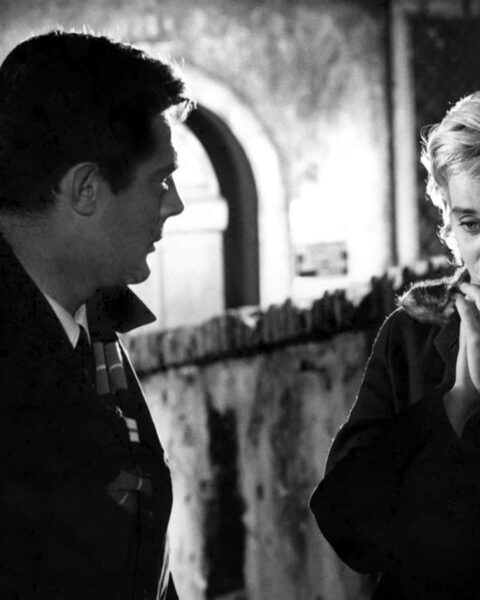
Refn discusses his love of fairy tales, falling through the rabbit hole of streaming, and more.


Refn discusses his love of fairy tales, falling through the rabbit hole of streaming, and more.

I took almost no notes during 35 Shots of Rum, because it seemed kind of beside the point: Claire Denis’s pleasures are almost all immediate.
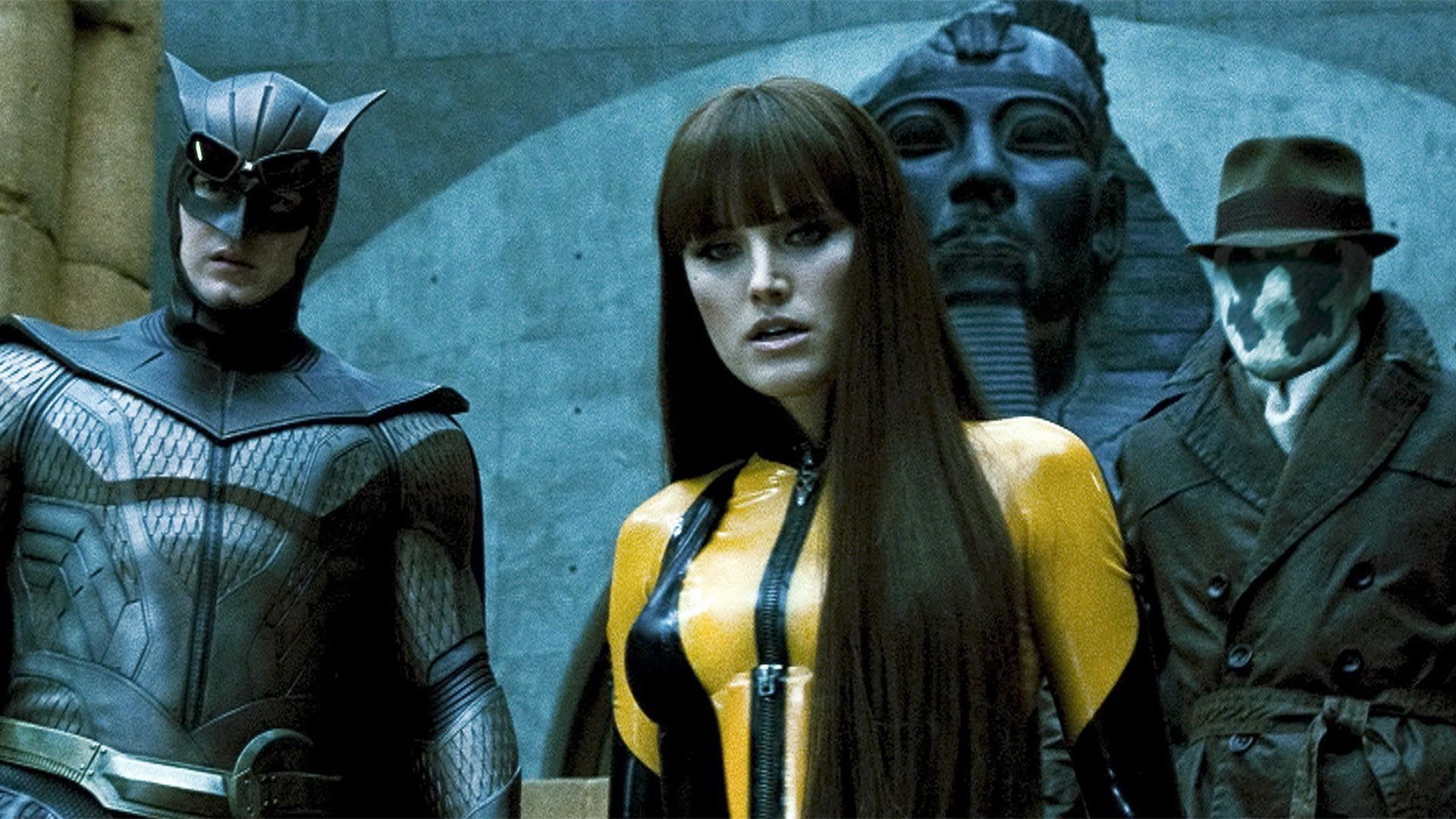
In terms of fidelity, Watchmen is frequently flawless.

Explicit Ills has a tenderness that belies its fiery left-leaning political views about urban poverty and social injustice.

The film possesses a poorly explored but fecund meta-analysis of juvenile semi-stardom that demands a more sensitive treatment.
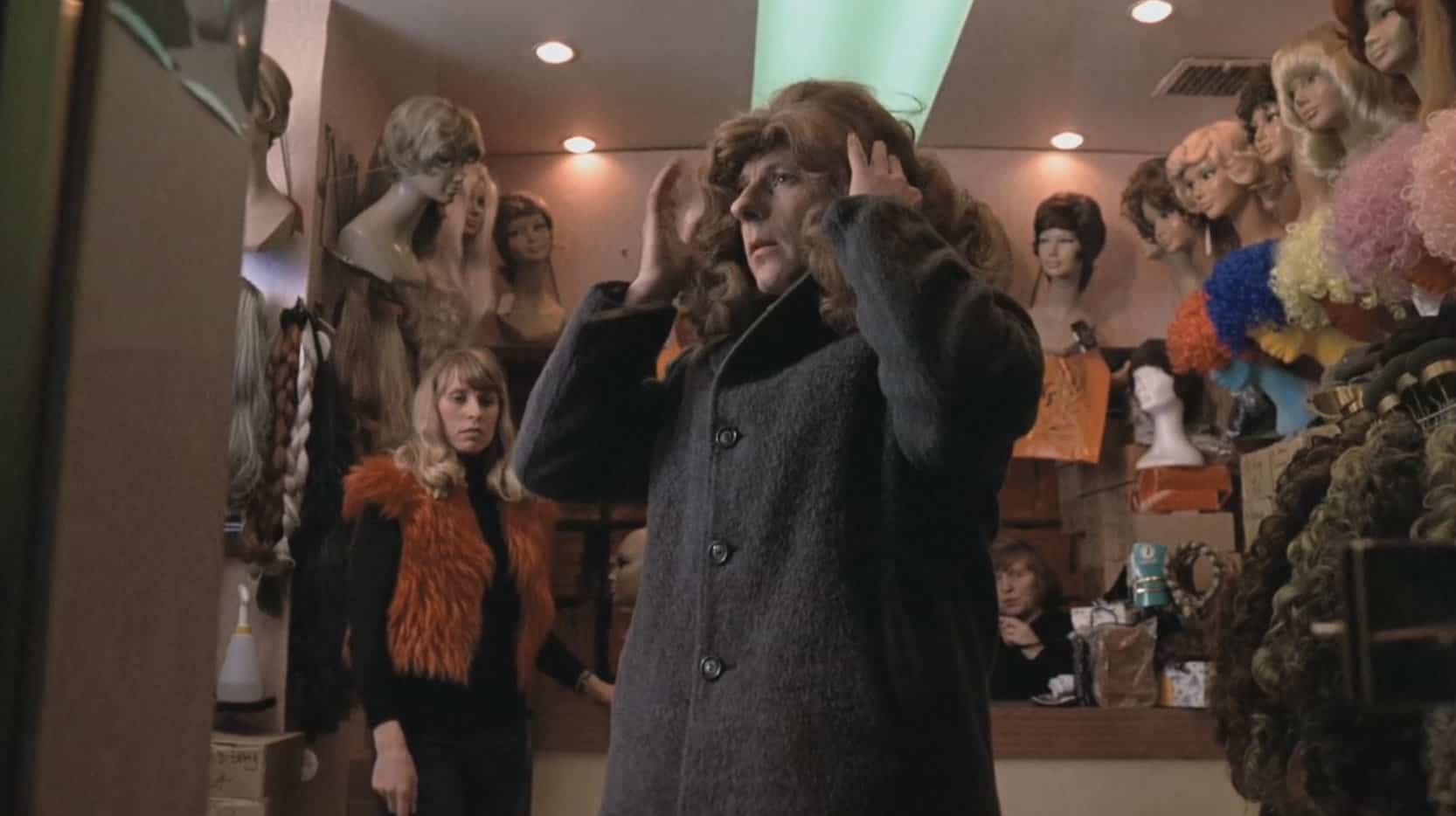
Connecting Polanski’s work to what a western audience would refer to as absurdism or surrealism, Bird views them as personal artistic statements.
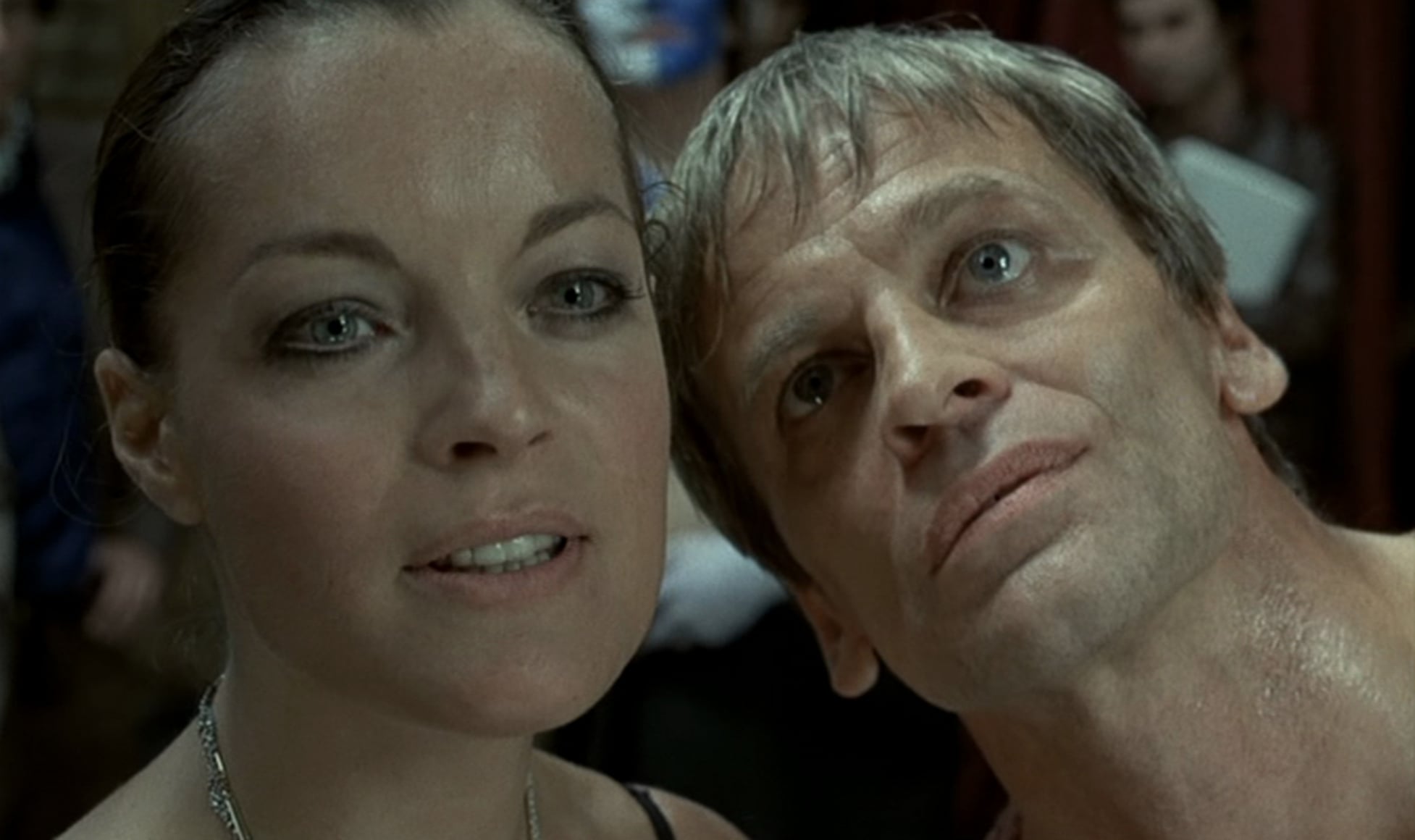
Bird discusses Polish director Andrzej Zulawski and more.

Everlasting Moments is a tastefully framed period story of a working-class woman’s struggle for self-fulfillment through art.
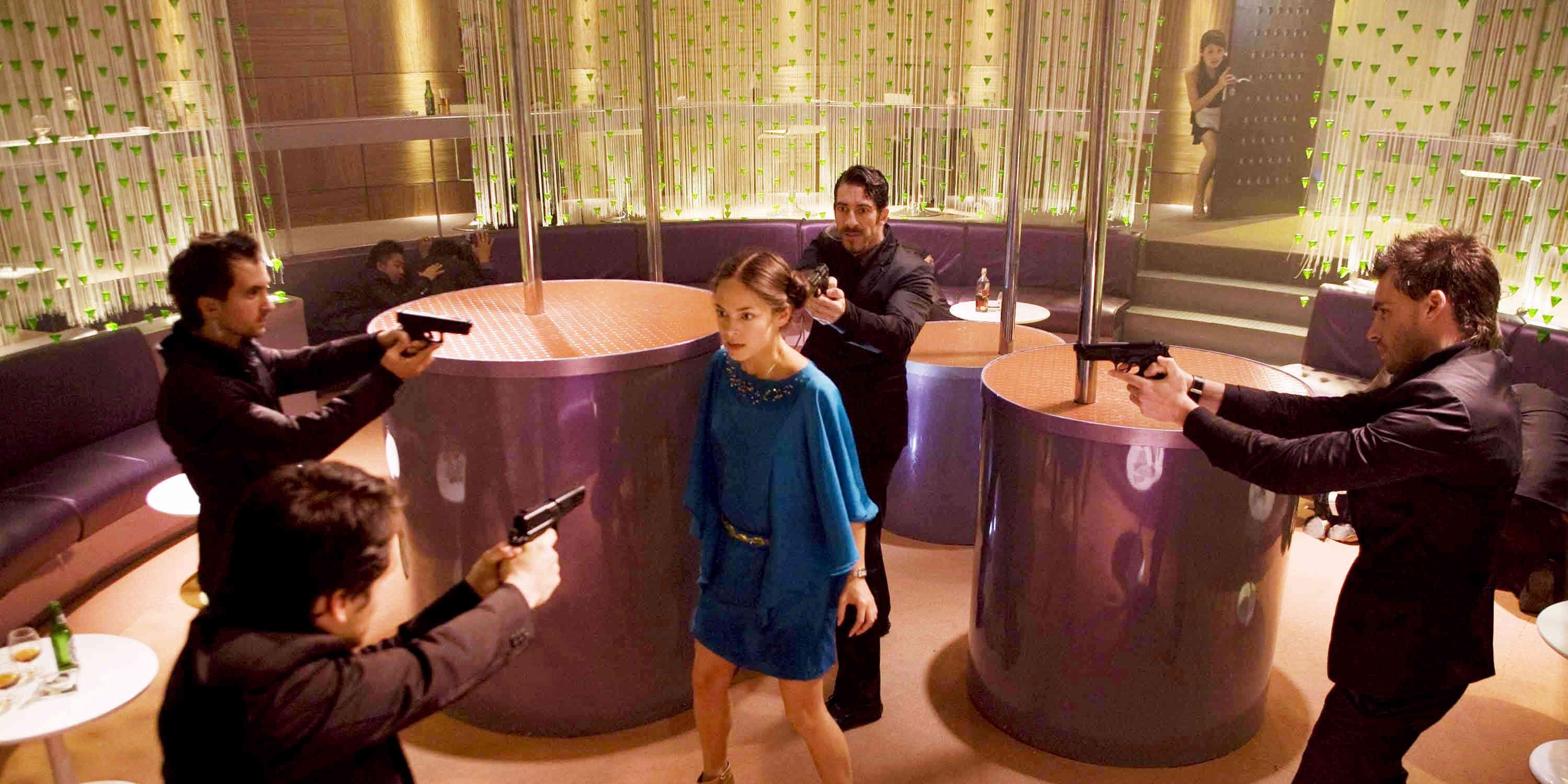
This laughable would-be diversion has only its digitally-based predecessors going for it.

The filmmakers were clearly grooming Warren Beatty as a fresh new Method-acting Boy Wonder, and his performance is a genuine oddity.
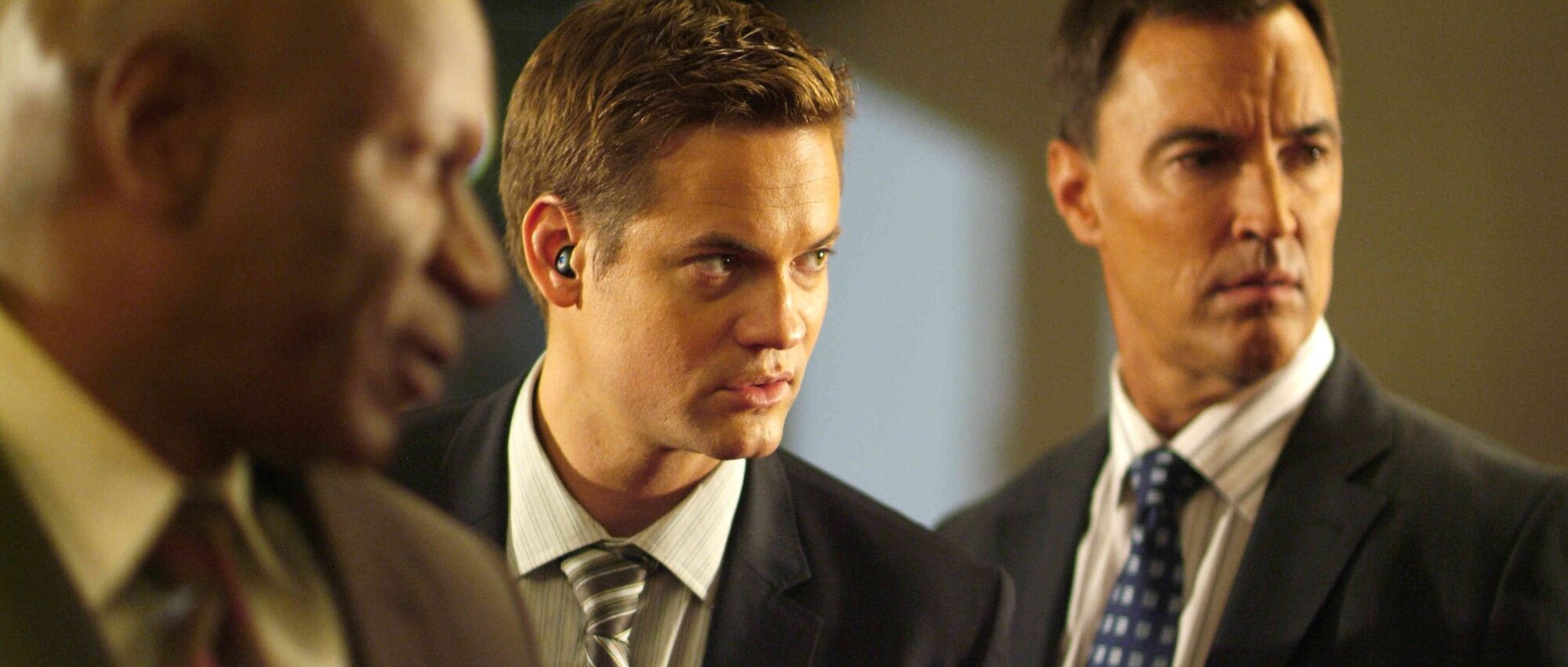
Echelon Conspiracy flimsily masquerades as a ticking bomb but is ultimately sans heart-pounding jolts.

There’s nothing in recent memory quite like Merde.
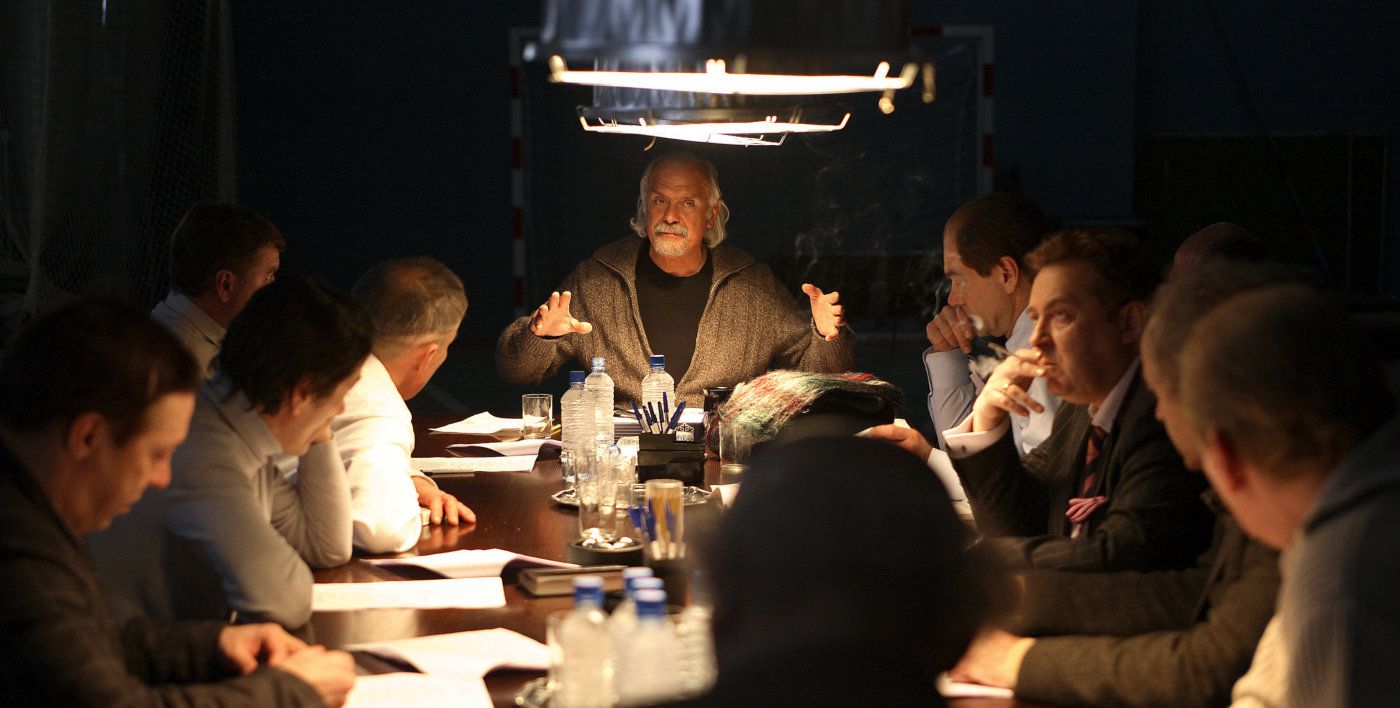
Nikita Mikhalkov’s 12 reconfigures Reginald Rose’s 12 Angry Men for contemporary Russia.

The whimsy of Phoebe in Wonderland proves more grating than poignantly escapist.
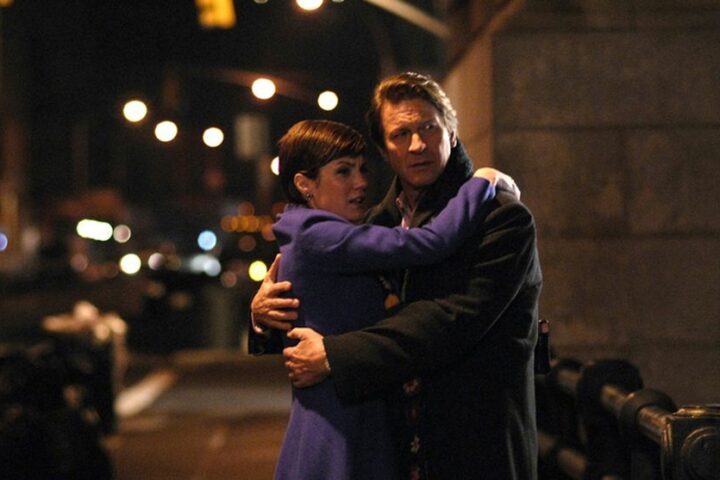
Reunion’s plot is what Stephen King’s It would have been if you replaced Pennywise for the characters’ egos.

If Dillinger Is Dead is riveting at its most ostentatiously purposeless, it’s also more conventional than it knows.

Kurt Kuenne’s film breathlessly stares down the spiraling abyss of tragedy and, miraculously, finds the light at the end of the tunnel.

Wayne Kramer goes the Paul Haggis route with Crossing Over.
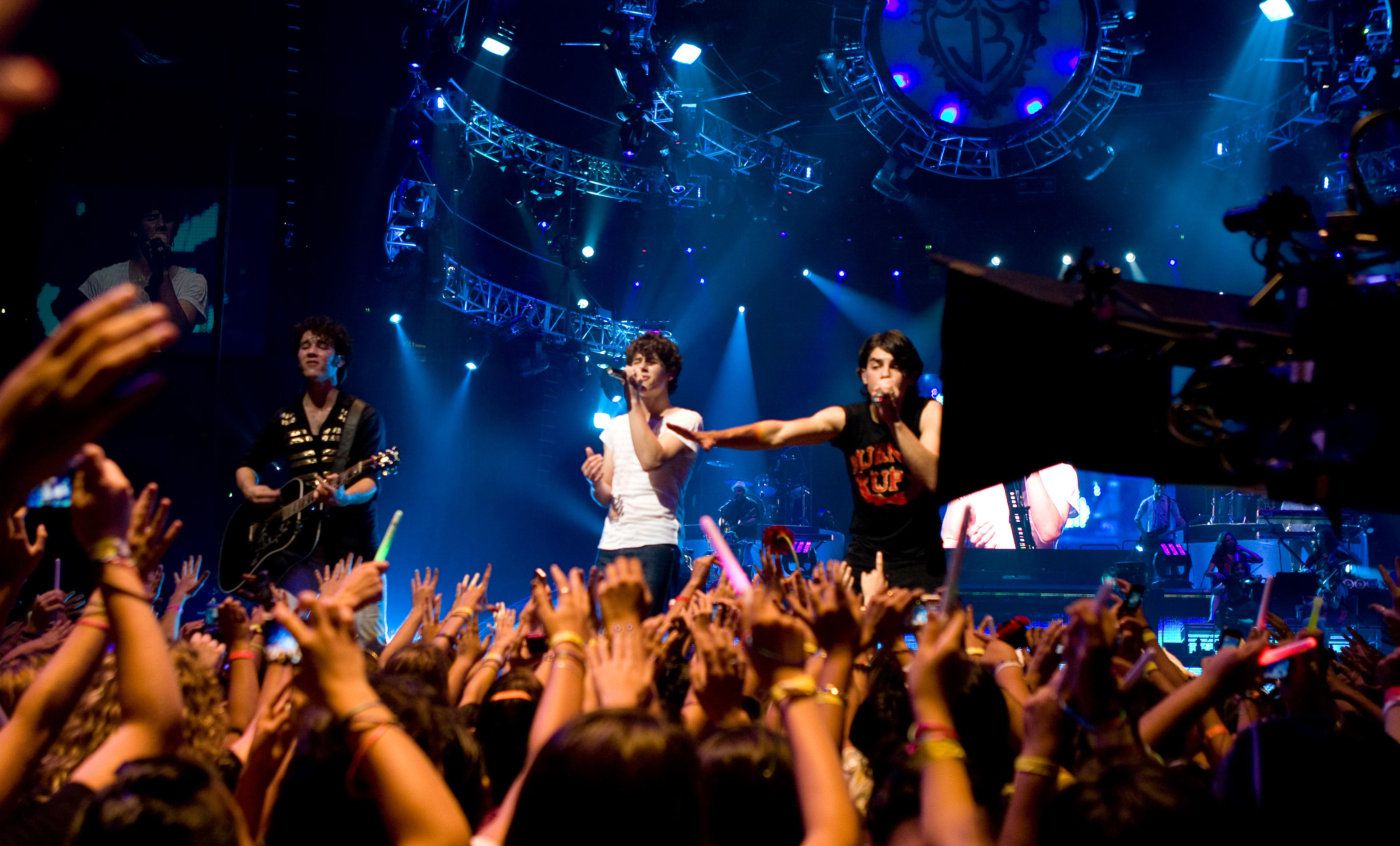
Adoring the Jonas Brothers more or less ensures future embarrassment, but in the here and now, the film appears destined to rock female tweeners’ socks off.
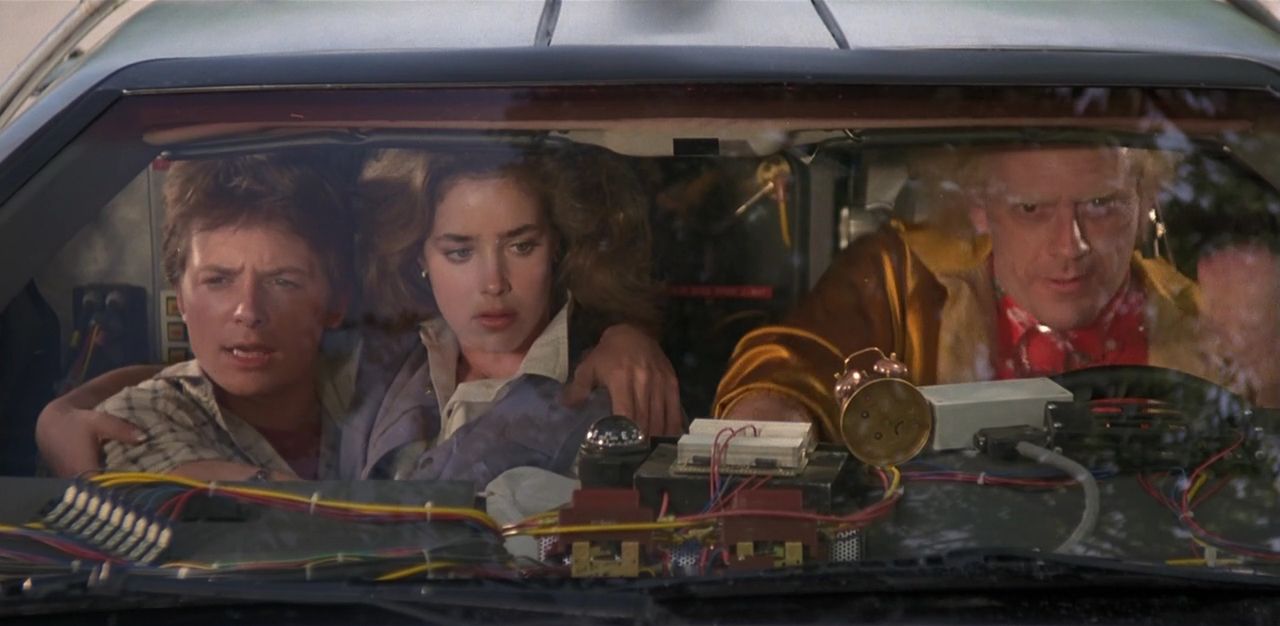
The film stands up on its own as a well-oiled, brilliantly-edited example of new-school, Spielberg-cultivated thrill-craft.
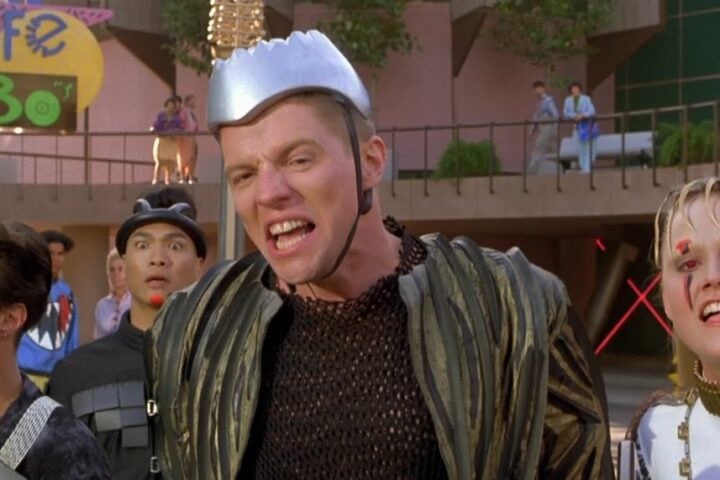
Back to the Future Part II is the vulgarity of postmodern pop culture in microcosmic form.