Refn discusses his love of fairy tales, falling through the rabbit hole of streaming, and more.


Refn discusses his love of fairy tales, falling through the rabbit hole of streaming, and more.
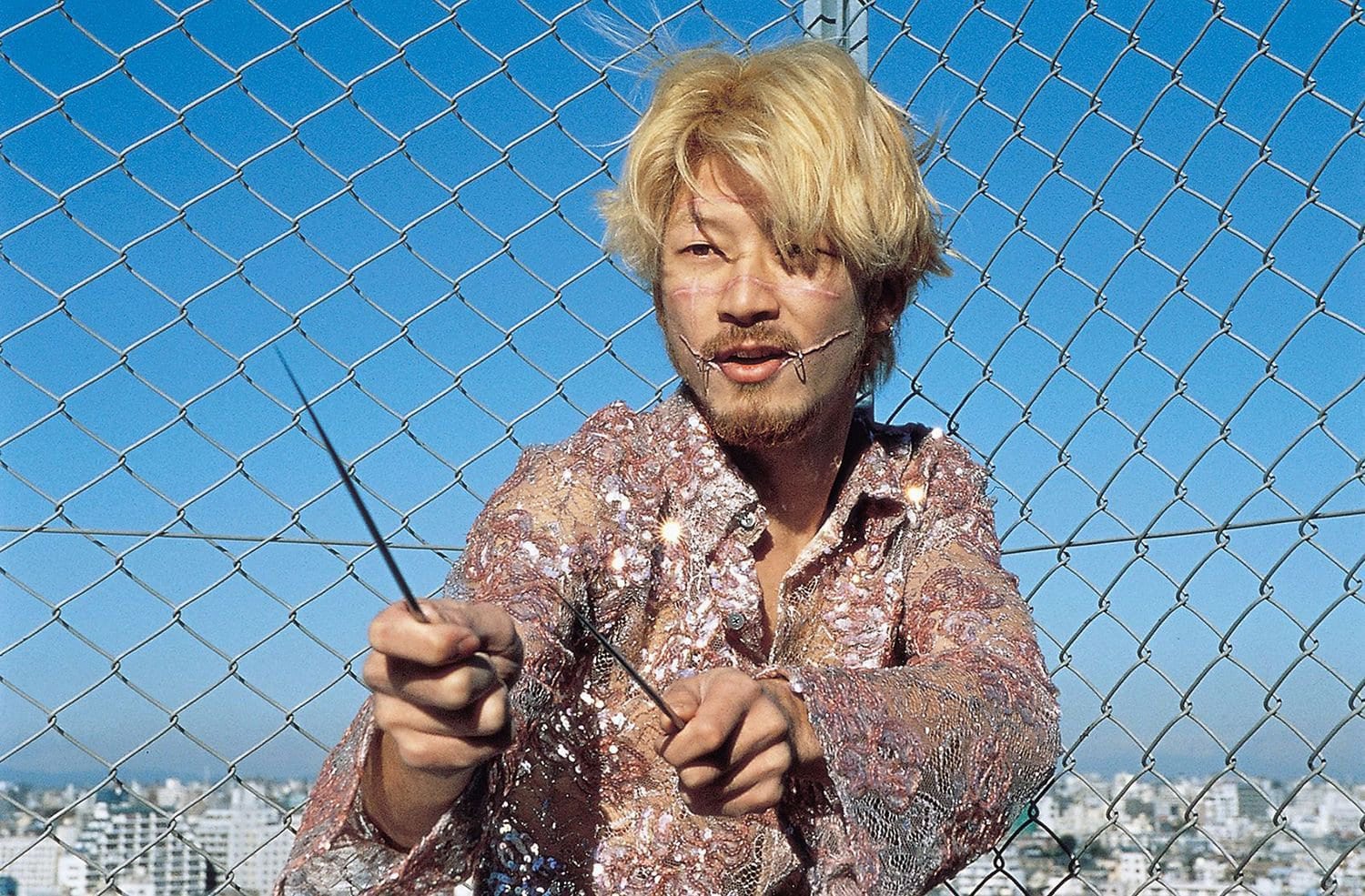
Takashi Miike’s film understands violence and vengeance as self-perpetuating cycles.

The film’s gleeful disregard for good taste is undermined at every turn by characters spouting gratuitous backstory.

It’s distinguished by a dramatic complexity that would seem to run counter to its remarkably even-tempered tone.

Erik Nelson’s film straddles a fine and admirable line between lurid sensationalism and sober humanism.

The film veers toward half-hearted, sentimental drama that seems purely obligatory to its seasonal milieu.

If the global reunion that the cruise ship presents here is such a panacea, why is there so much moping?

Thor: Ragnarok is the flamboyantly roller-disco entry in an already uncomplicatedly cartoonish side franchise.

The fractured rhythm of 1945 and the desolate aesthetic are engrossing, but Ferenc Török’s film doesn’t linger.

Takashi Miike’s film is a work of robust genre craftsmanship that’s informed with a sly sense of self-interrogation.
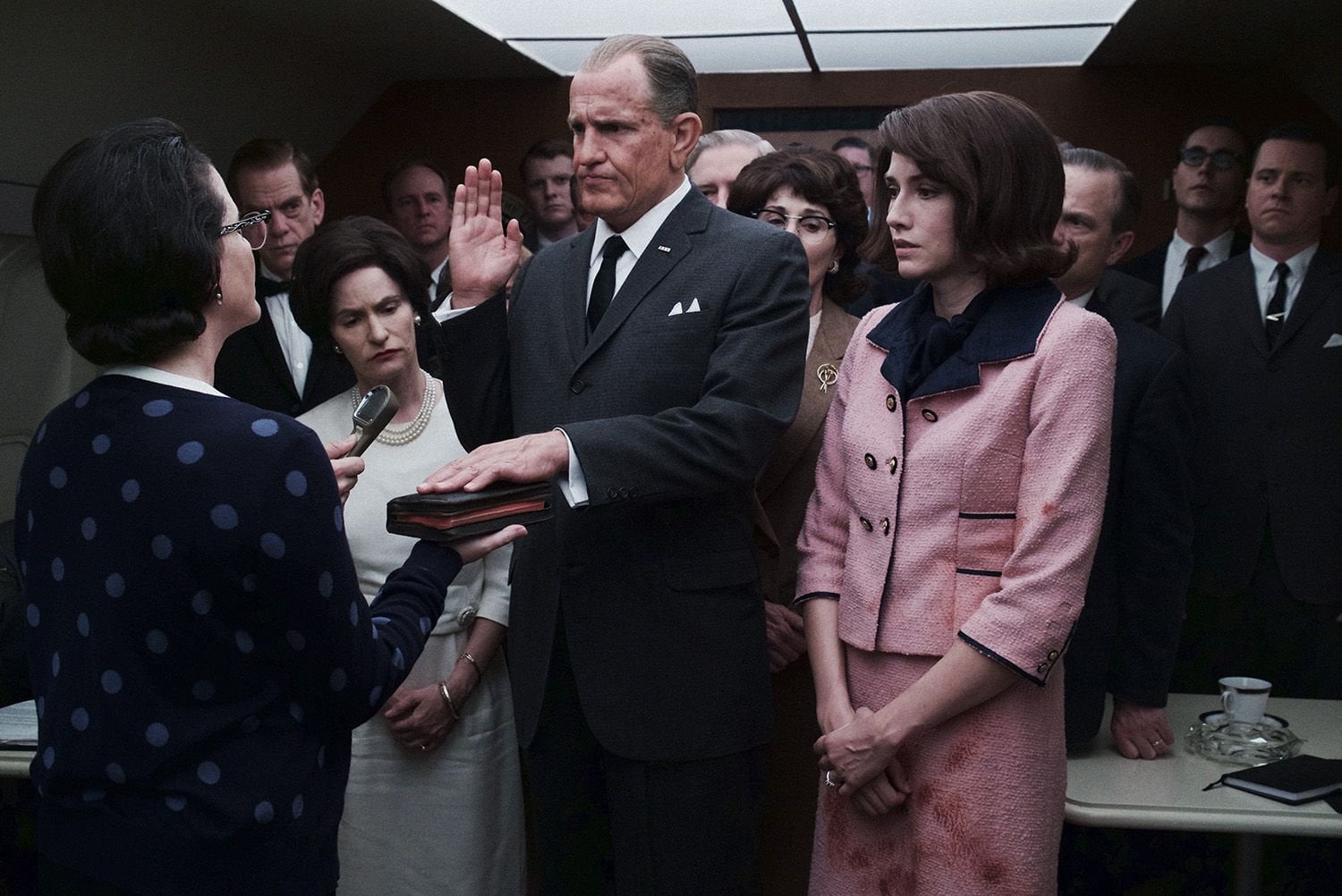
Rob Reiner’s film fails to do justice to both the man and the fraught times he so fundamentally influenced.

Too often, the documentary’s highly calibrated curation reduces its subjects to mere demographic representations.

Gilbert exposes a wealth of unsuspected pain and tenderness beneath Gottfried’s often thorny exterior.

Many genre movies in which bad things happen to women end with them fighting back, but here they just take the money and run.

The film wants to treat Jeffrey Dahmer like a character, but it invariably frames him like a specimen.

It’s admirably frank in its depiction of lingering trauma but too often struggles to capture its more ineffable qualities.

Baker discusses how he works with first-time actors and why it’s hard to make character studies for American audiences.

Griffin Dunne’s film is an exercise in joviality, unflinching in its love for Joan Didion, and unwilling to be much more.

The vacillating nature of Melissa Leo’s Mother Reverend is characteristic of Margaret Betts’s Novitiate as a whole.

In God’s Own Country, it’s tenderness that’s ultimately aligned with life-giving strength.

In its visceral purity, Jairus McLeary’s film drags male toxicity up into the light, offering it as a cure for itself.