Refn discusses his love of fairy tales, falling through the rabbit hole of streaming, and more.


Refn discusses his love of fairy tales, falling through the rabbit hole of streaming, and more.

The film navigates a tricky space between pathos and absurdity and often turns on a dime from one to the other.
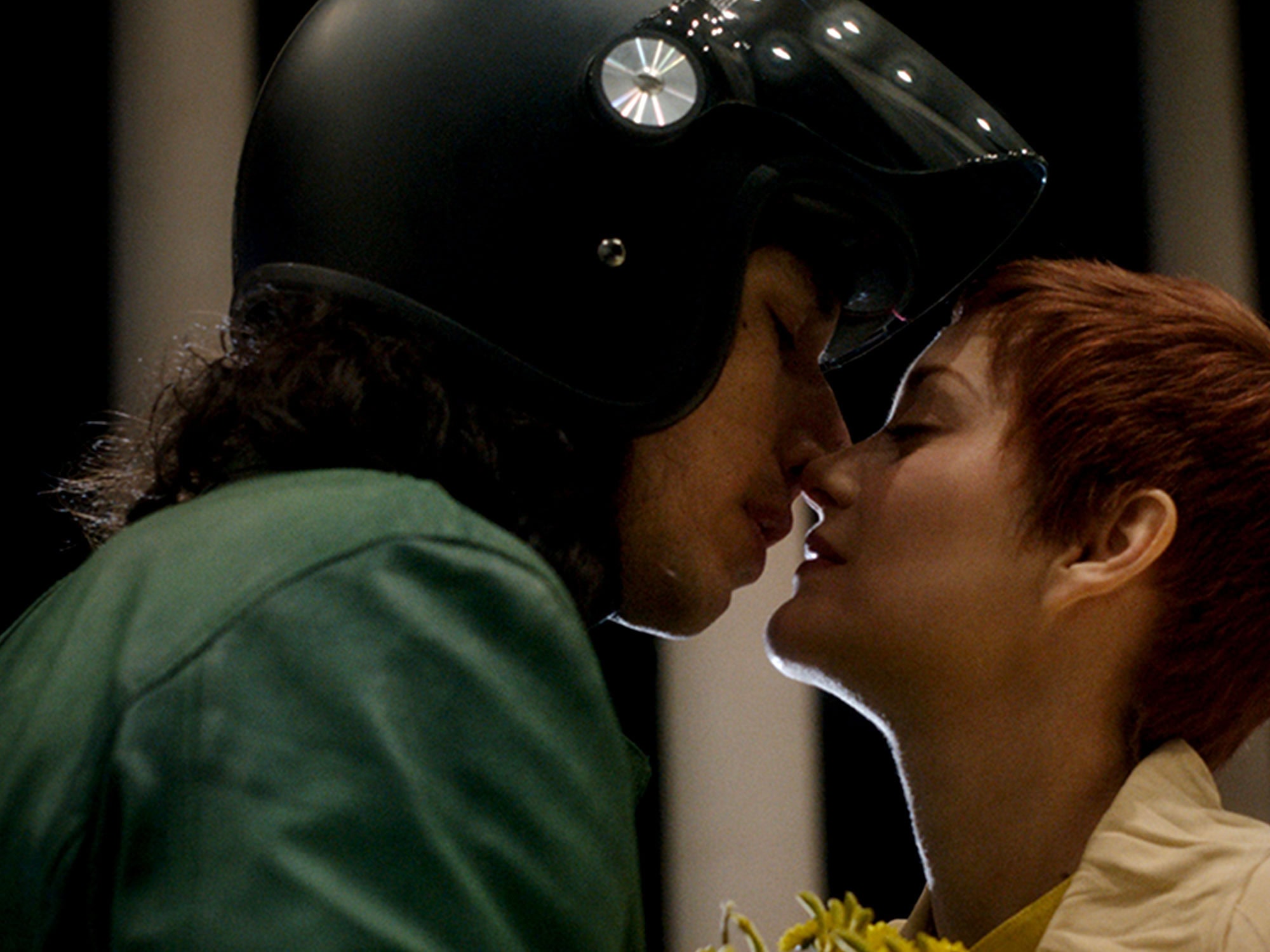
This year’s Cannes lineup includes the latest from several big-name auteurs, and more than a few past Palme d’Or winners.

Anthony grounds discussion of body camera footage within discussions about the link between image-making, weaponization, and power.
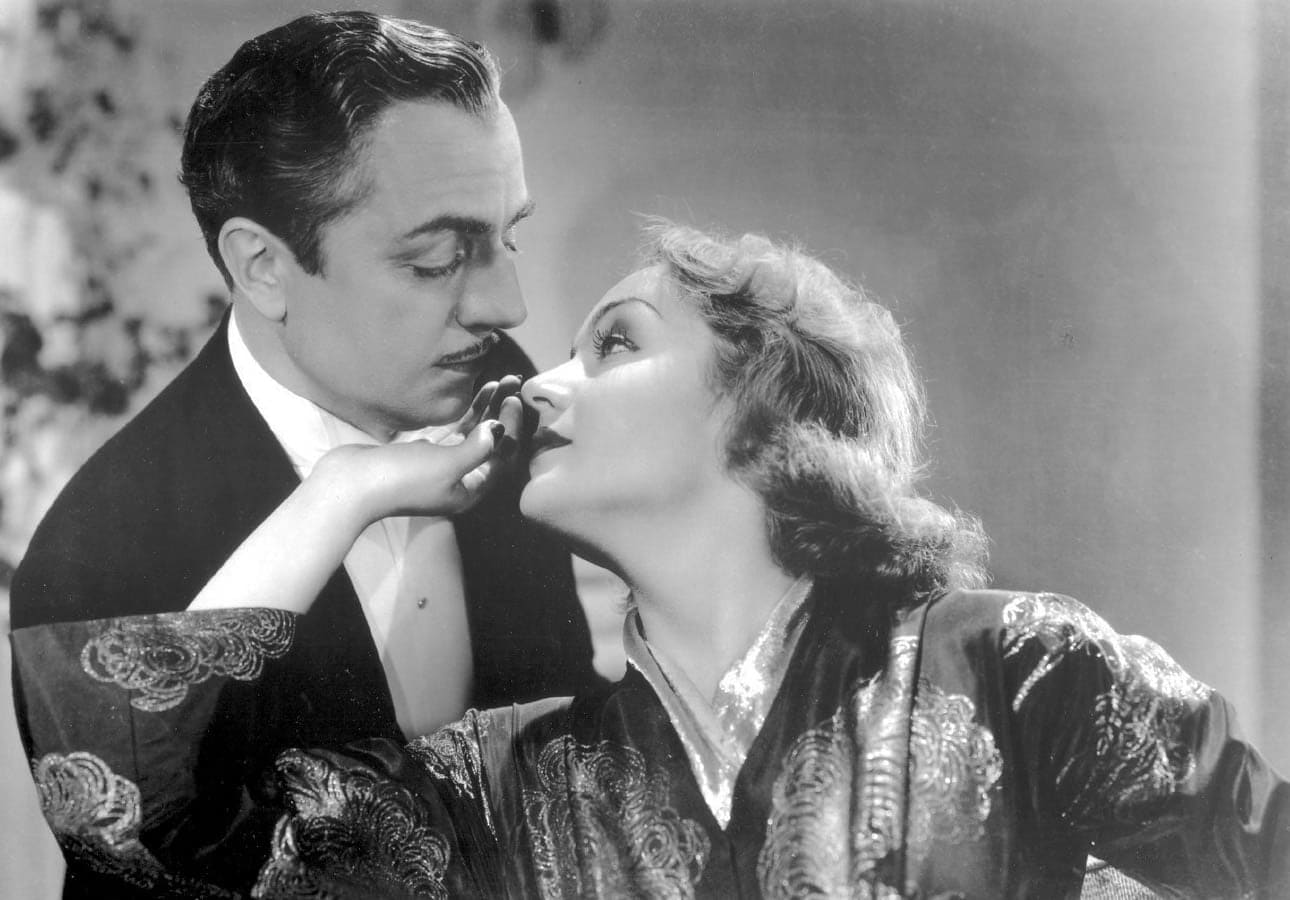
In at least seven movies, the exuberant Lombard became emblematic of the screwball comedy genre of the 1930s.

Consistently surprising and creatively fearless, Jon M. Chu’s film brings monumentality to a work of infinite heart.
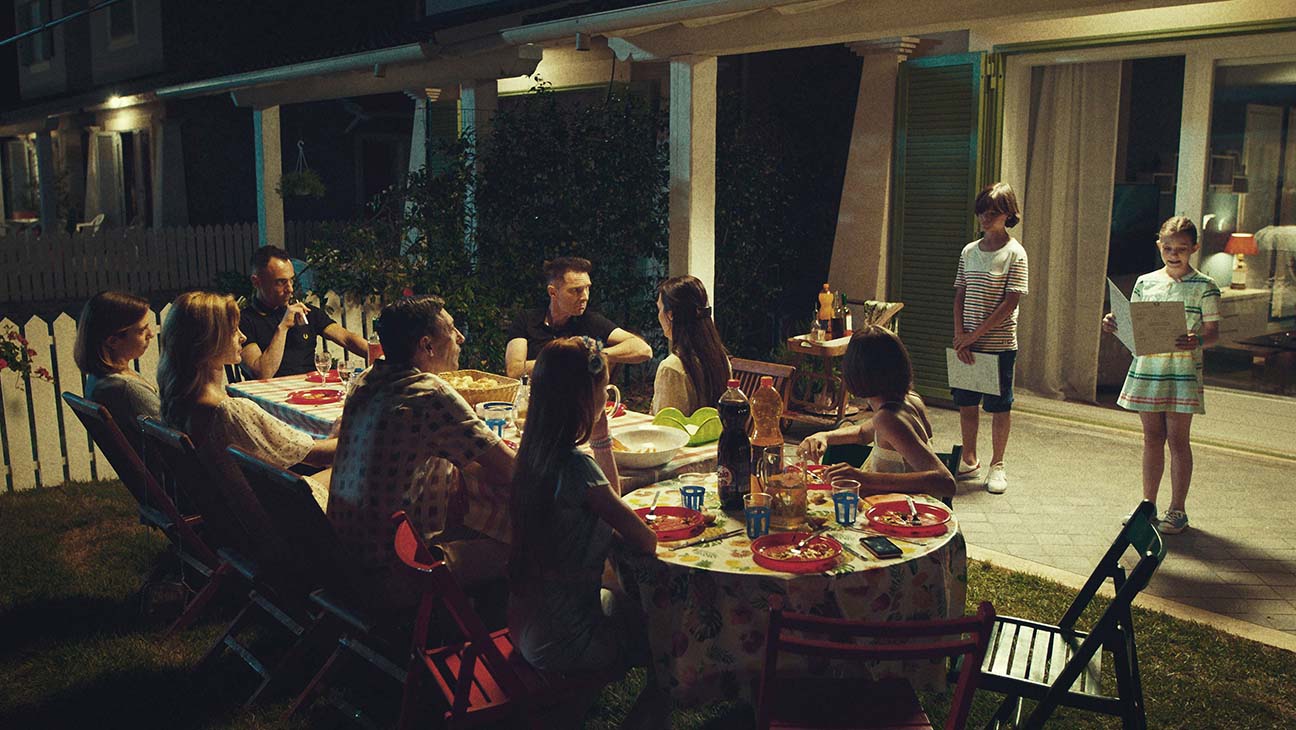
In Bad Tales, impending adulthood isn’t treated as a loss of innocence, but something more akin to congenital illness.
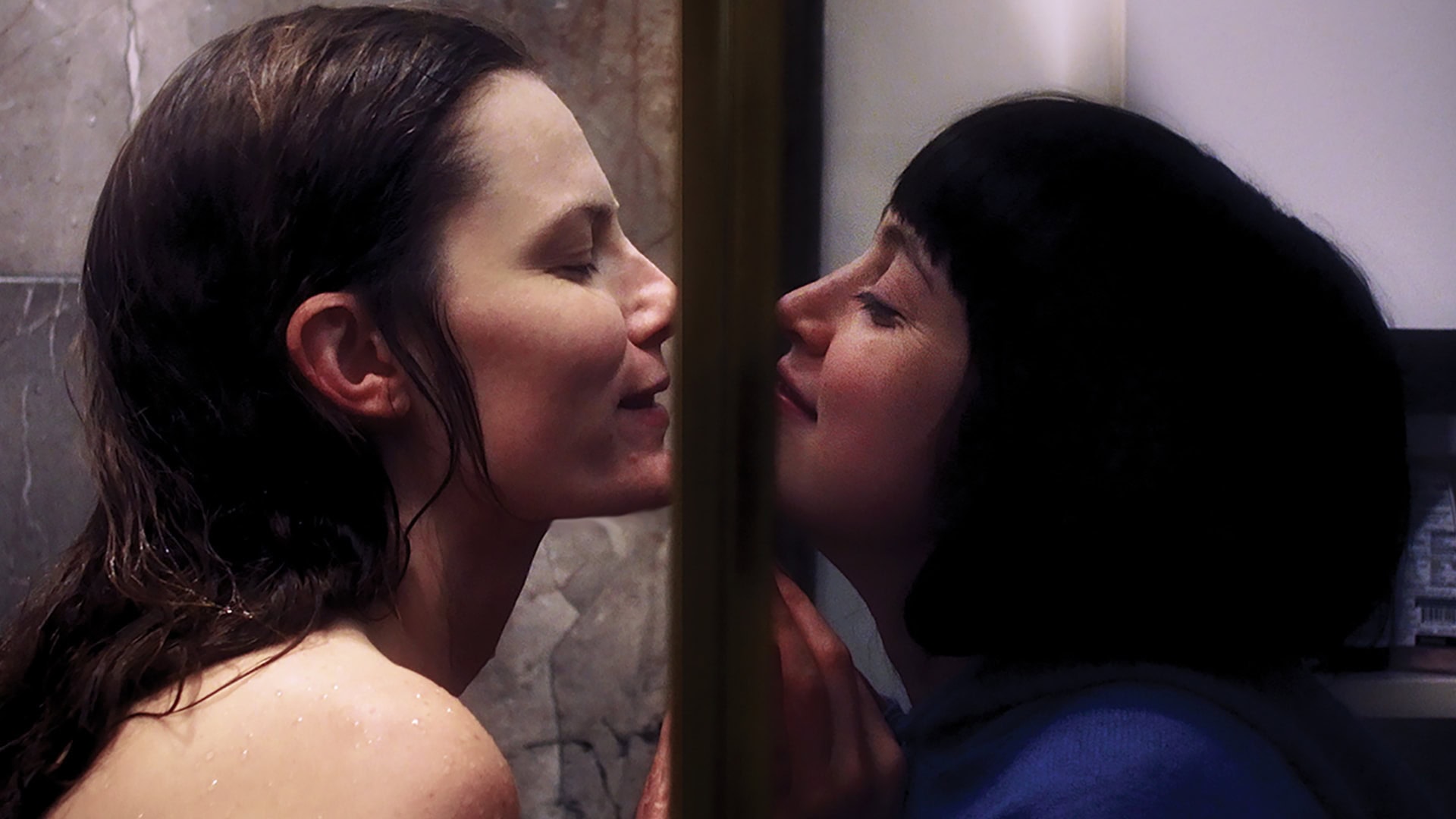
The characters don’t exist solely to affirm the film’s various themes, and as a result, their humanity gets under your skin.
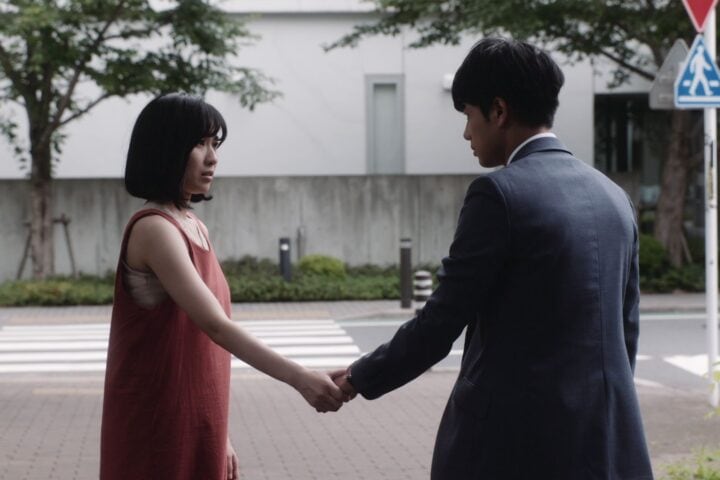
The Real Thing holds the viewer at arm’s length, and you have to be willing to come to it.

The film brings us somewhere where we aren’t, and probably could not be, but nevertheless feels tangibly real.

Cruella’s outward liveliness can’t mask the inner inertia it has as just another lifeless product assembled in a factory.
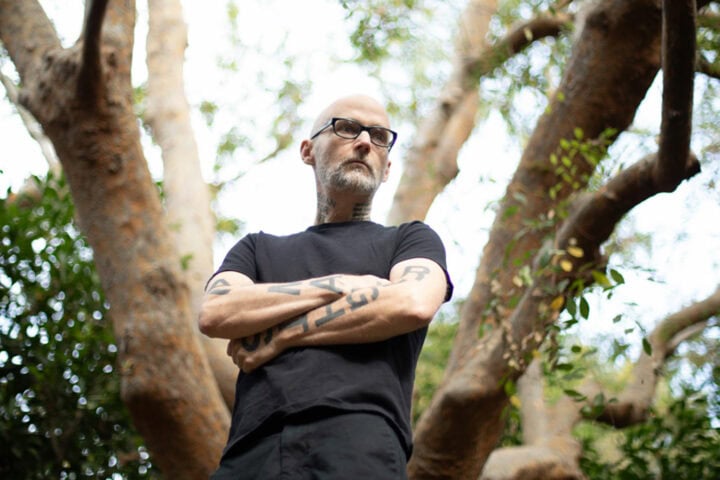
The film’s tendency to over-explain, over-intellectualize, and over-script events leaves little room for spontaneity and doubt.

Throughout, it’s difficult to sort the contrivances that writer-director Jason William Lee is parodying from those he’s indulging.

The psychological thriller gets a hair-raing trailer, set to a cover of Petula Clark’s “Downtown” by Anya Taylor-Joy.
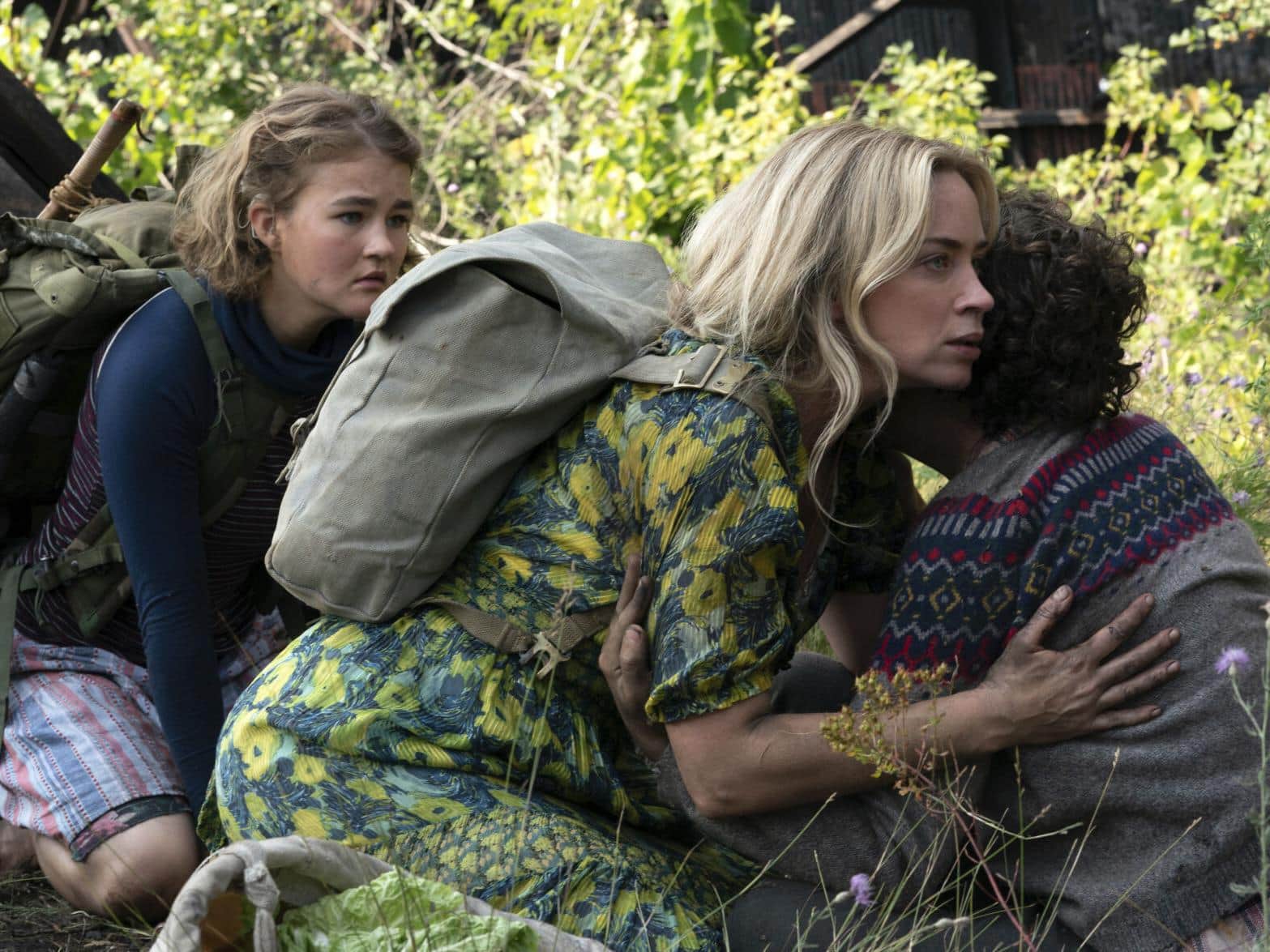
Throughout, John Krasinski seems to be in his comfort zone when staking tension on the importance of family and legacy.

Simon Barrett imbues his narrative with a purplish emotionality that the Urban Legend movies didn’t even think to bother with.

Like St. Vincent’s Daddy’s Home, the film is a hall-of-mirrors deconstruction of her musical persona.

The film isn’t interested in exploring the fissures in Pink’s life in the rare moments when they begin to surface.

After watching this Welsh racehorse drama, even those of us who’d struggle to pronounce the word may find ourselves feeling a bit of hwyl.
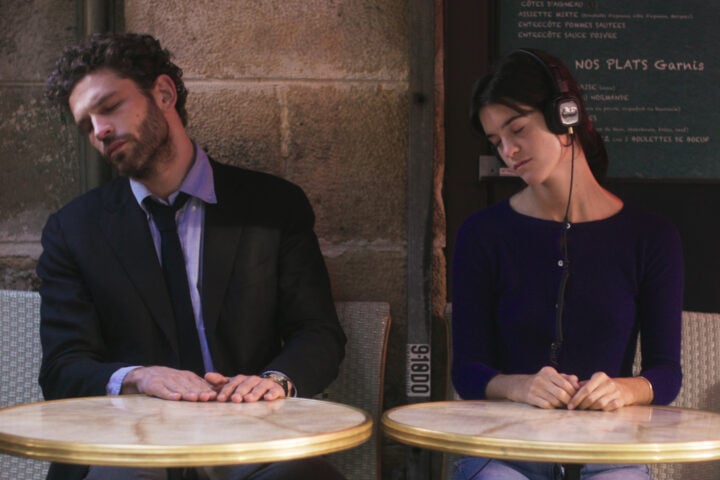
Throughout her directorial debut, Suzanne Lindon paints a concise and truthful portrait of her protagonist’s feelings of estrangement.

The film utilizes a trendy issue as window dressing for a tedious and delusional exploitation film-slash-museum piece.