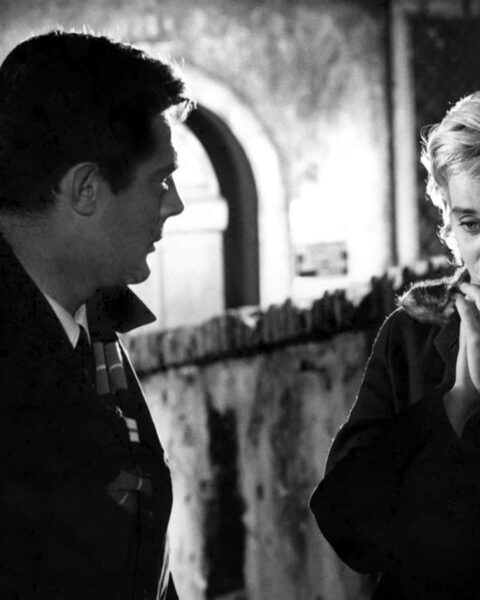
Refn discusses his love of fairy tales, falling through the rabbit hole of streaming, and more.


Refn discusses his love of fairy tales, falling through the rabbit hole of streaming, and more.

Sweat mostly adheres to a time-honored tale of the pitfalls of fame, despite its ultra-modern context.

The film is a j’accuse aimed at those complicit in oppressing the most vulnerable in order to protect the powerful.

After a while, the film’s elaborate, often breathtaking special effects come to feel like it’s only source of complexity.
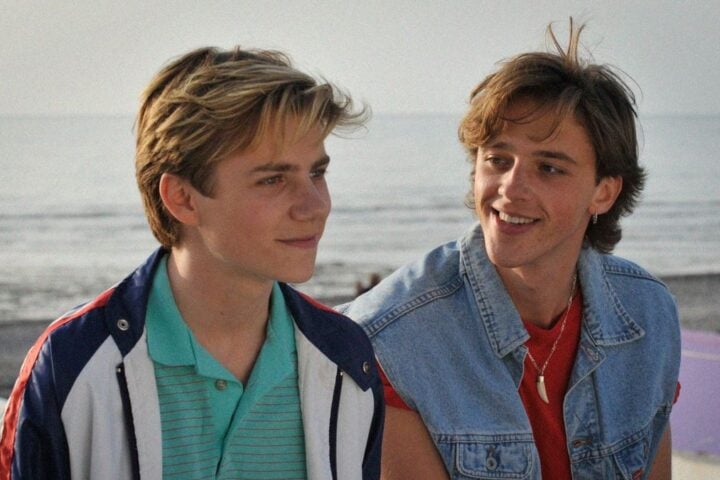
François Ozon’s paean to nostalgia wraps tragedy and obsession in a whimsical bow.

The Lost Leonardo deals less with absolutes than fungible notions of perception and power.

The film embodies the idiosyncratic, tongue-in-cheek sensibilities of Ron and Russell Mael’s long-running cult American pop band.

Jonathan Cuartas’s film vividly diagnoses a sickness of insularity endemic to middle-class America.

Tick, Tick…BOOM!, an adaptation of Rent creator Jonathan Larson’s autobiographical play, will hit the streaming service in the fall.

Symptomatic of the Marvel-ization of modern action cinema, the film seems to exist mostly as an advertisement for future product.
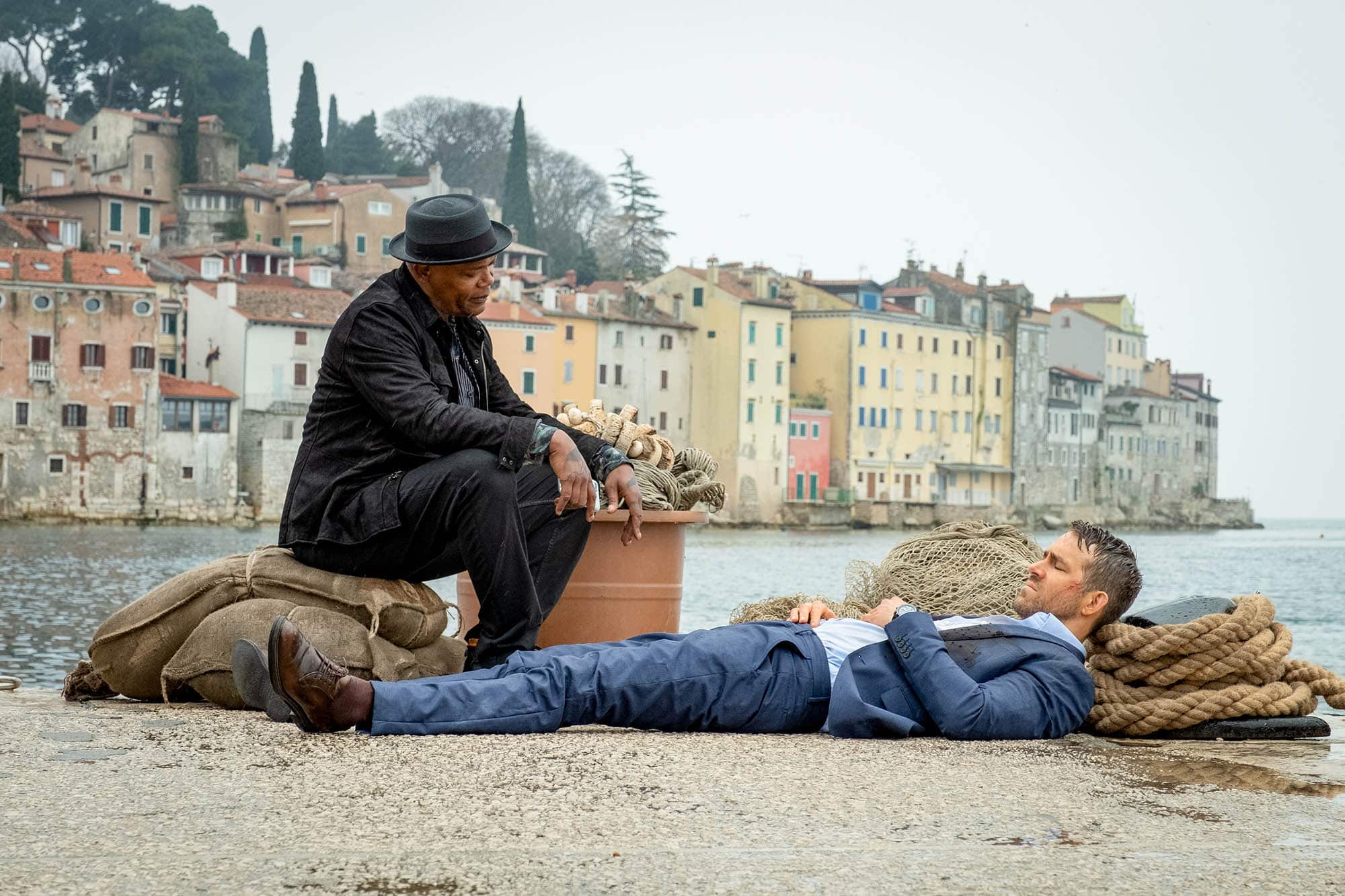
The Hitman’s Wife’s Bodyguard improves on its 2017 predecessor only insofar as it runs 20 minutes shorter.

The film is an intimate look at the extraordinary rise, fall, and redemption of televangelist Tammy Faye Bakker.

It’s difficult to imagine a high-concept thriller that coalesces around its one-line conceit less convincingly than Awake.

The film is almost refreshing in its flightiness, even as it remains defiantly ignorant of the world in which it exists.

Today, the festival revealed the features and shorts that will screen in one of its most prestigious sidebars.
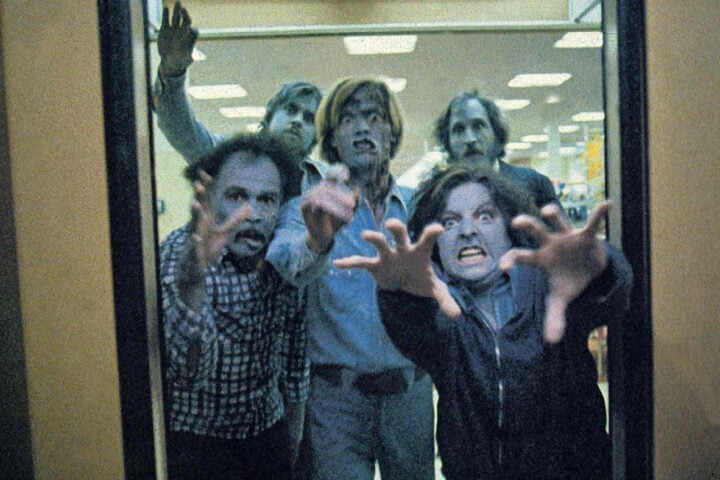
The living dead enabled the influential George A. Romero to free himself from self-consciousness.

Asia is Ruthy Pribar’s feature-length directorial debut, but it evinces an old hand’s confidence.

Eytan Fox’s film is a low-key observance of two men finding the beauty in each other’s mysteries and contradictions.

The film apes the style that James Wan established with the original Conjuring without establishing any real identity of its own.

With The Amusement Park, George Romero holds a cracked (funhouse) mirror up to a callous and ultimately terrified society.

Ben Stiller Stiller had a taste for satire, and with The Cable Guy his strides toward more serious comedy grew more ambitious.