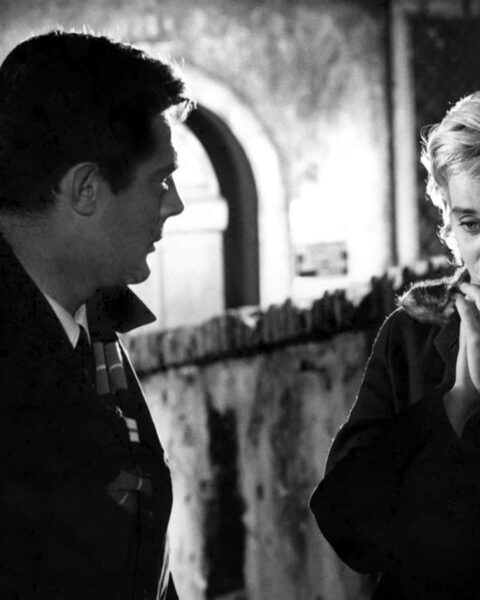
Refn discusses his love of fairy tales, falling through the rabbit hole of streaming, and more.


Refn discusses his love of fairy tales, falling through the rabbit hole of streaming, and more.

Asghar Farhadi’s film slyly reveals itself to be more than a political parable about the cascading injustices of the debtor’s prison.

The film’s mournfully beautiful portrait of Beirut is motivated by a story that’s sometimes needlessly impenetrable.

The fundamental ineptness of Gunpowder Milkshake appears to be a consequence of the exponentially swelling glut of streaming options.

Wes Anderson’s film is an often wondrous exercise in complex narration and visual composition.

Mama Weed is intended to wash over you, leaving good vibes in its wake, but it doesn’t challenge Isabelle Huppert or the audience.

Vincent Le Port’s grim morality tale depicts a society caught between differing norms of discipline, punishment, and sex.
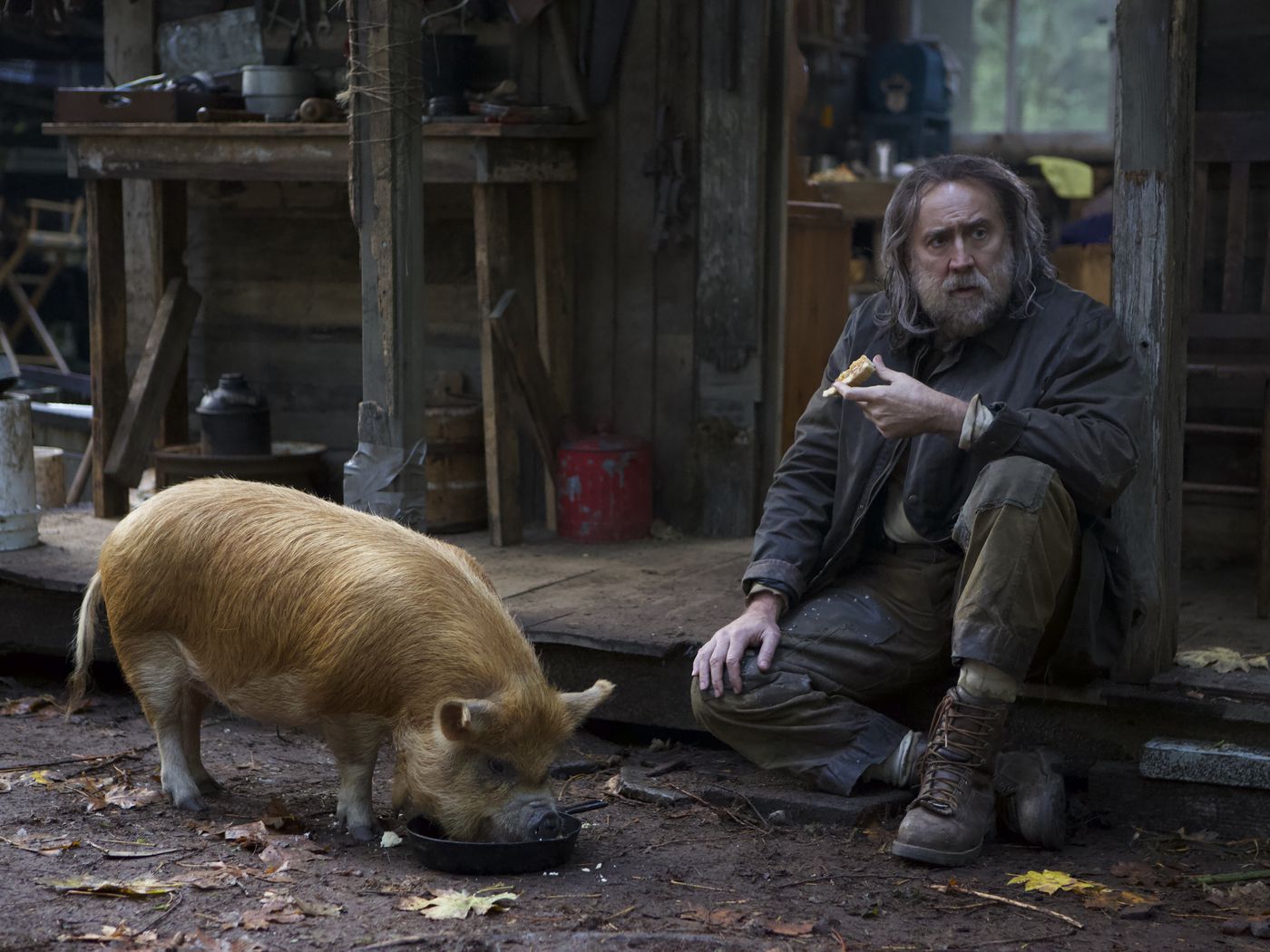
Starring Nicolas Cage in a surprisingly subdued performance, Pig is a revenge film that’s ultimately about the futility of vengeance.

The film never sacrifices its ambiguity as it brings various threads about ghosts, relationships, art, and gender to a head.

Flag Day is little more than a near-two-hour montage of tear-streaked faces melodramatically shouting at each other.

At its most accomplished, the film unfolds with a voluptuous slowness and a sense that narrative endpoints are irrelevant.

Playground is practically an exercise in the use of off-camera space, and a masterful and refreshingly consistent one at that.
The film doesn’t trust us to recognize the legitimacy of the other’s being without filtering it solely through the lens of the ruling class.

Throughout Benedetta, Paul Verhoeven builds up a heady, campy mix of religious imagery, corporeal abjectness, and masochism.

Joanna Hogg’s film is a work of understated warmth, profound emotional complexity, and eminently British dry humor.
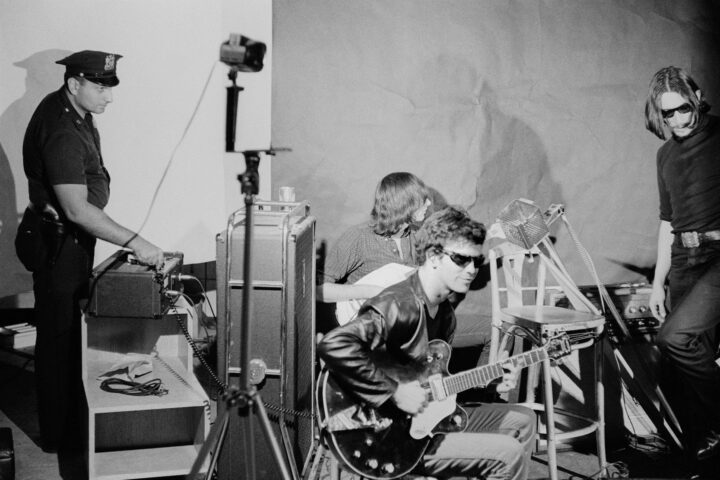
Todd Haynes excitingly captures an era’s explosion of creativity, one that bespoke new and challenging kinds of freedom.
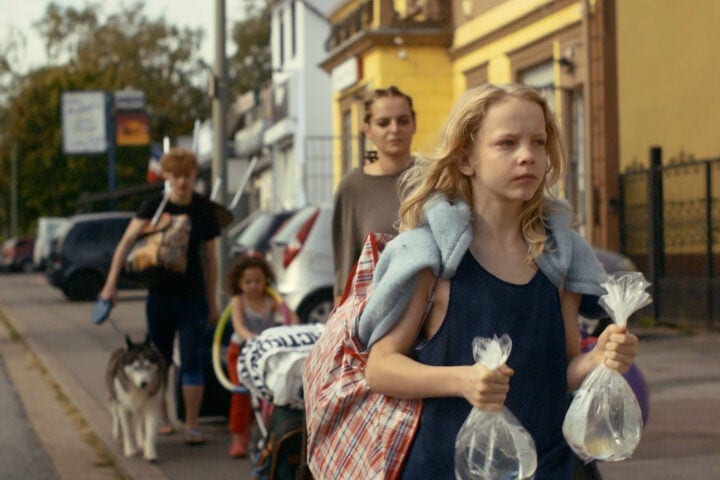
Writer-director Samuel Theis’s film is a noteworthy repurposing of the coming-of-age social drama.
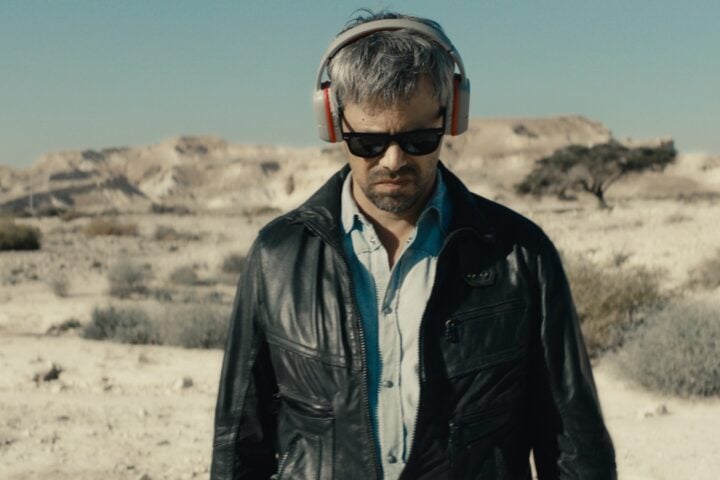
With Ahed’s Knee, Nadav Lapid plays a game with alter egos that’s at once canny and frustrating.

François Ozon’s film is a classically humanist illustration of a percolating controversy.

The musical format proves a natural fit for Leos Carax’s love of the visual fantasies created by the cinema’s most basic means of illusion.

No Sudden Move mixes an old-school 1950s noir with a modern sense of social self-consciousness.