It ascribes to the falsehood that a rarefied milieu inherently infuses a film with intelligence, as if inept execution can be covered up by pretty lensing.



Nick McCarthy is director of programming for Newfest. He is a film curator, editor, and writer who can edit everyone but himself.
It ascribes to the falsehood that a rarefied milieu inherently infuses a film with intelligence, as if inept execution can be covered up by pretty lensing.

It most potently strikes the tone of an elegy, pensively observing that beneath the bickering in museum boardrooms lies a massive treasure trove of art history that’s being kept from the public’s eye.
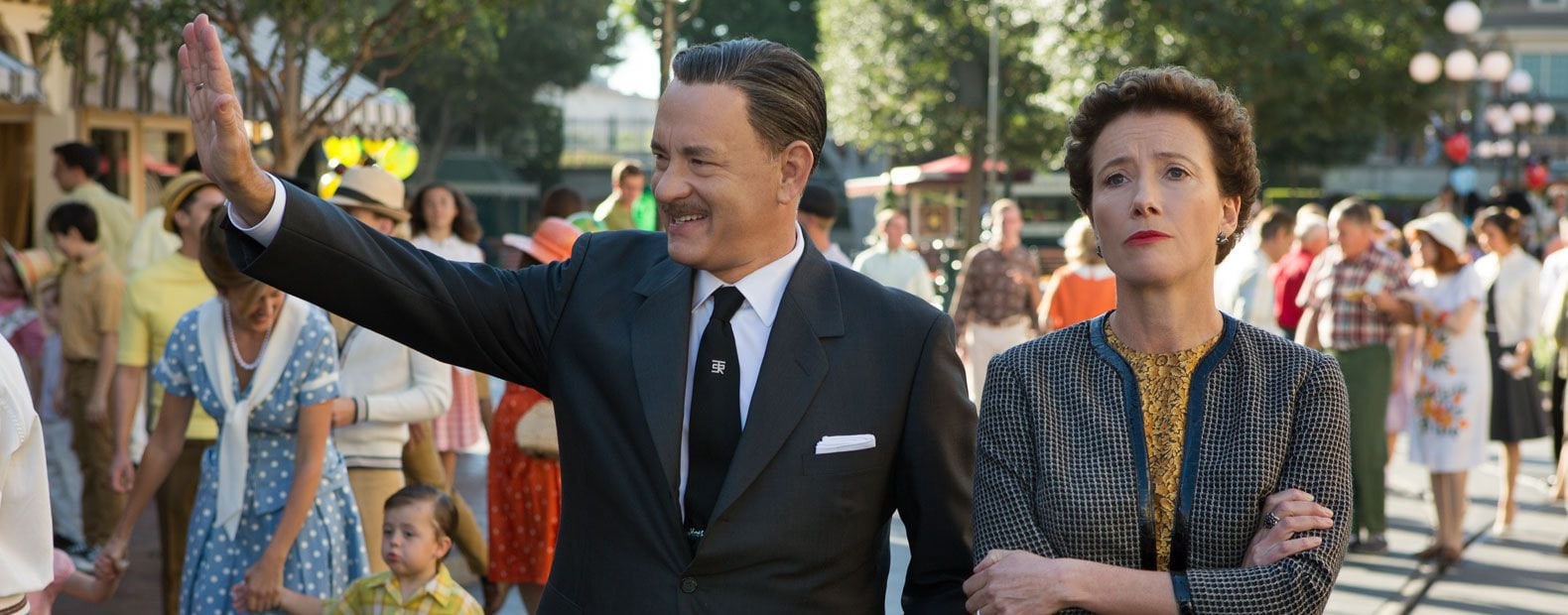
A tale of memory and redemption that does little to linger in the mind and even less to decry P.L. Travers’s claim that Disney turns everything it touches into schmaltz.

An egregious entry into the pantheon of films about white Americans traveling to exotic lands in search of identity and soul-searching adventure.

It functions under the delusion that subtext will magically appear if you linger on a character long enough, and the significance of most of its scenes is nothing if not inscrutable.

Like an astutely aching ballad, Philippe Garrel’s film is pleased to ambiguously infer the interior logic of its irresolute characters without pigeonholing their motivations.

Romanian writer-director Corneliu Porumboiu’s wry and cryptically titled film is both oblique and about obliqueness.

It contextualizes cinema not only as a form of magic, but also of revolution.

The documentary addresses, and acutely analyzes, the way friendship can bend, and occasionally snap, over time.

Xavier Dolan reigns in his often flagrant use of formalism without sacrificing his confidence as a filmmaker.

The relative quality of generational family abuse, a prominent motif in the play, comes through loud and clear.

Vallée attempts a gritty approach to the inspired-by-true-events, issue-driven biopic formula.

Alfonso Cuarón’s Gravity harkens back to a time in the history of cinema when a film was an “event.”

Călin Peter Netzer’s Child’s Pose, more than the complicated milieu it depicts, is at odds with itself.

The film is a bubbly regurgitation of retrograde romantic comedy tropes and reactionary sexual politics.

The film’s highly calculated beauty suffocates rather than elevates the story’s emotional underpinnings.
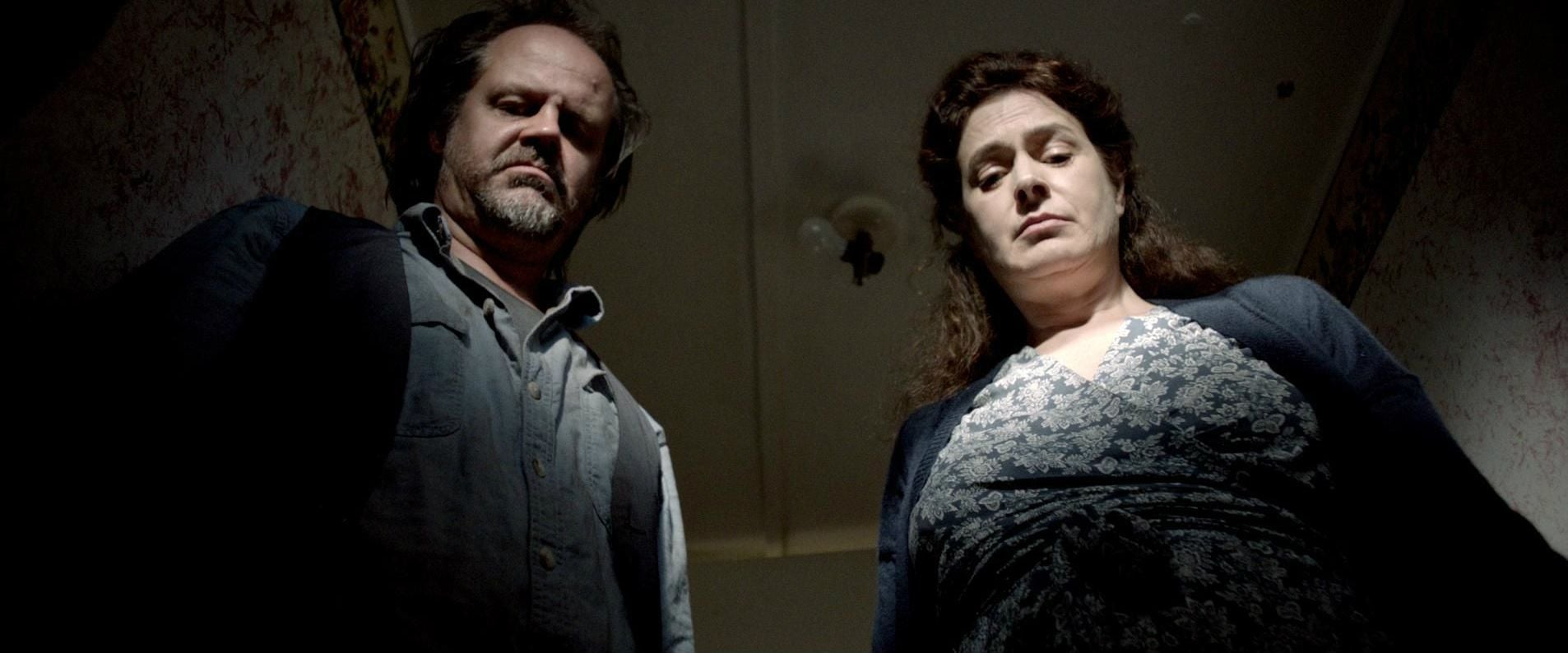
Chad Crawford Kinkle impressively imbues this supernatural world of backwoods mysticism with a plausible milieu while still staying committed to the film’s own brewing insanity.

Fernando Trueba’s film offers little new insight into the creative process beyond the banality of practice, playing like a sterile, truncated version of Jacques Rivette’s La Belle Noiseuse.
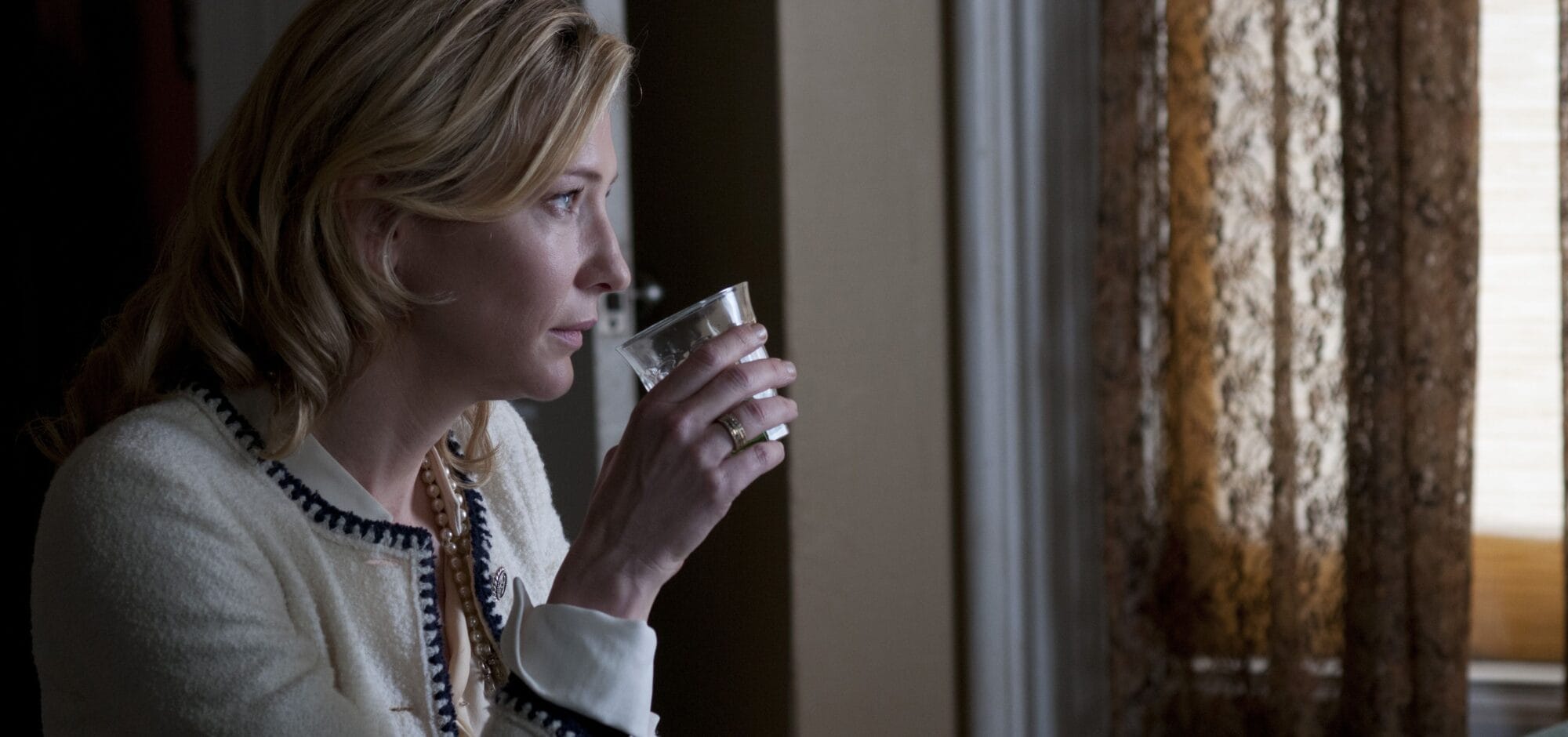
Whether intentional or not, the lives of the secondary characters are underdeveloped, often siphoned away by Jasmine’s all-encompassing presence.

The film is reduced to a series of unfunny mockery laid out so Garlin can display his trademark deadpan reaction.