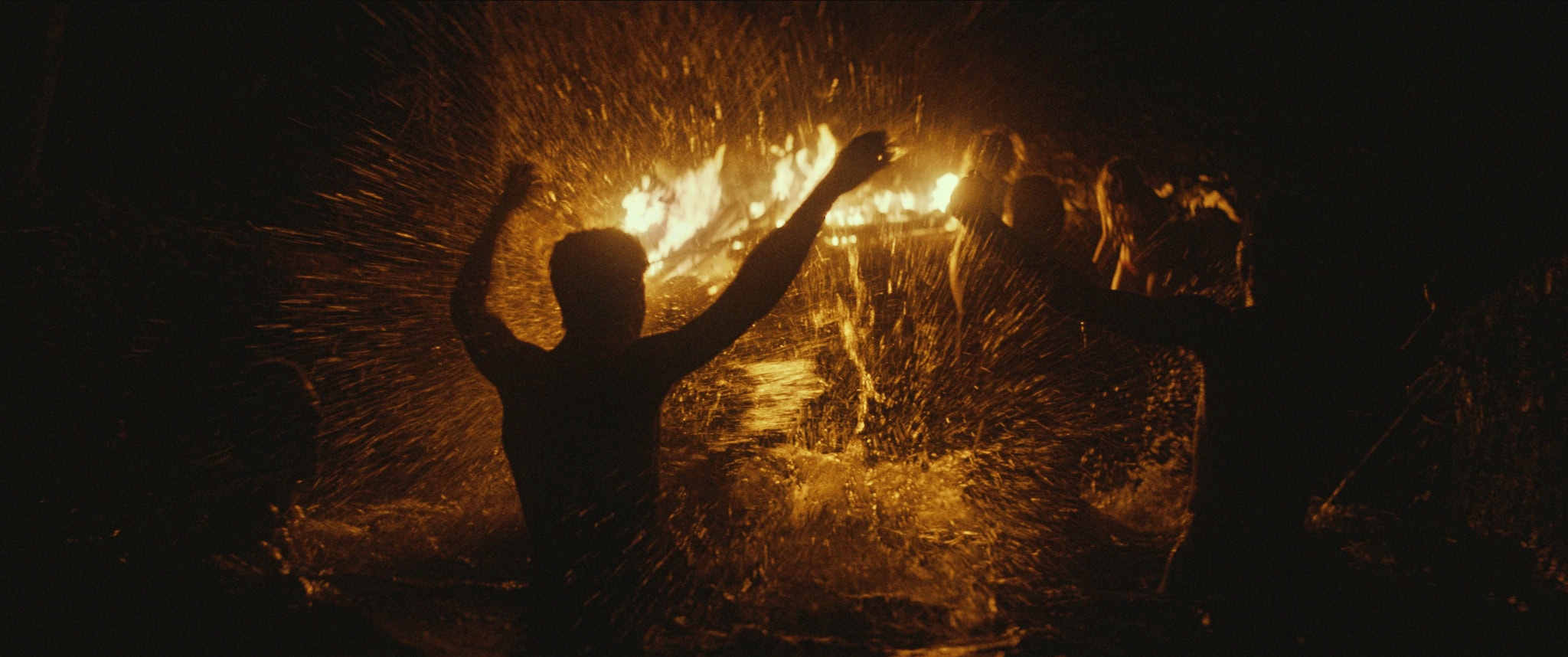
The film, with its dark-blue-hued cinematography and murky music, is all foreboding atmosphere.


Nick McCarthy is director of programming for Newfest. He is a film curator, editor, and writer who can edit everyone but himself.
The film, with its dark-blue-hued cinematography and murky music, is all foreboding atmosphere.
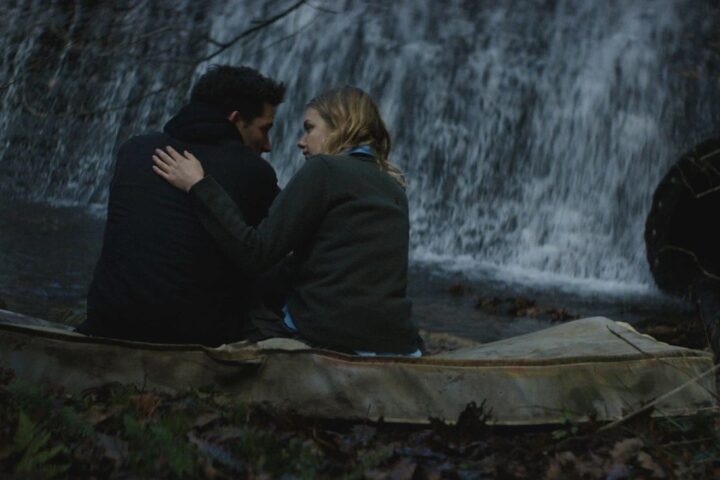
Being 14 is a much more realistic representation of young mindsets and behavior than Bridgend.
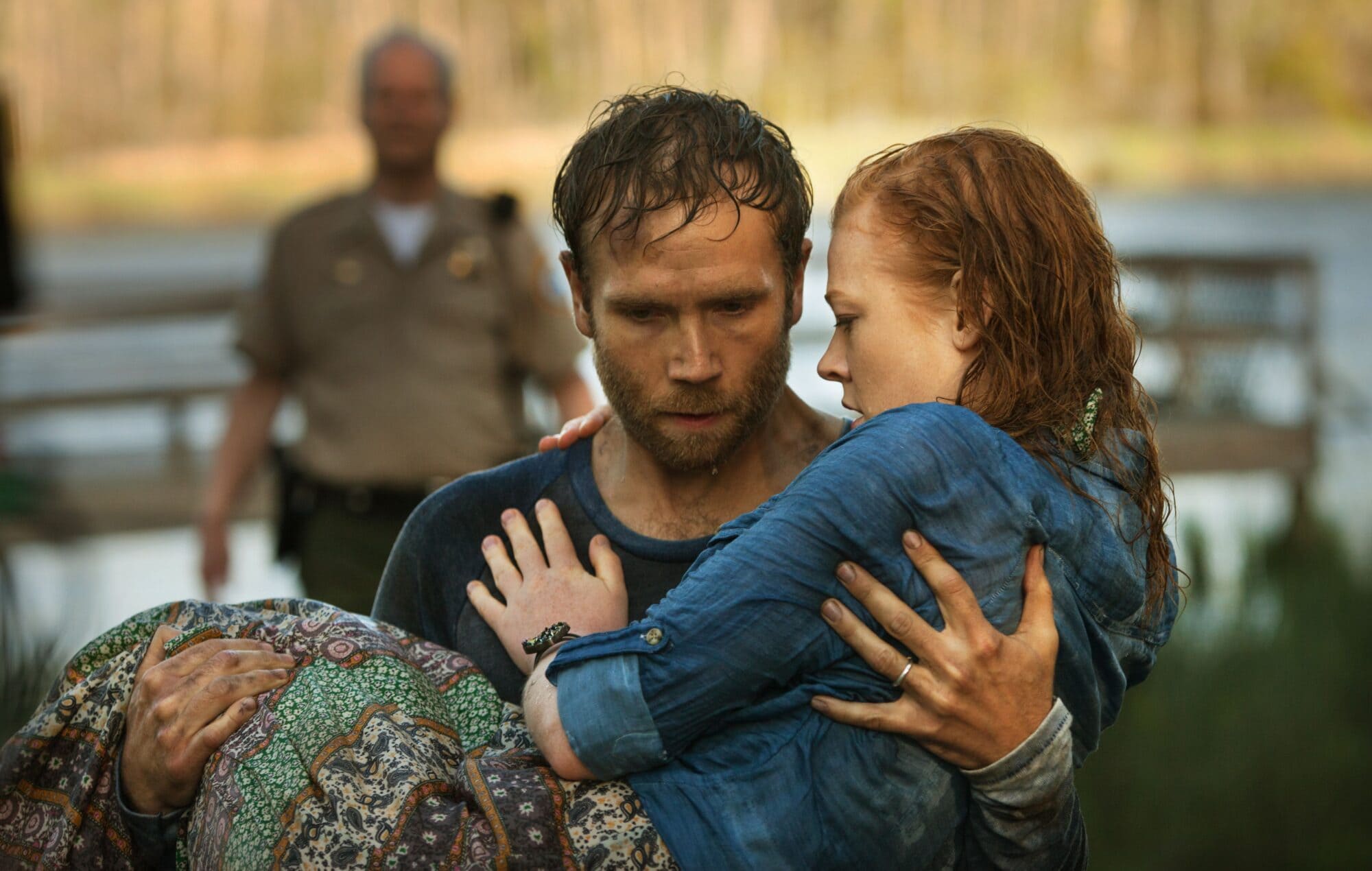
Rather than commit to exploring Jessabelle’s existential crisis, the filmmakers opt to pile on the clichés straight until the rotten denouement.

It attempts to prominently display Al Carbee’s creations, yet keeps undermining his art in favor of investigating his skewed relationship to everyday realities.
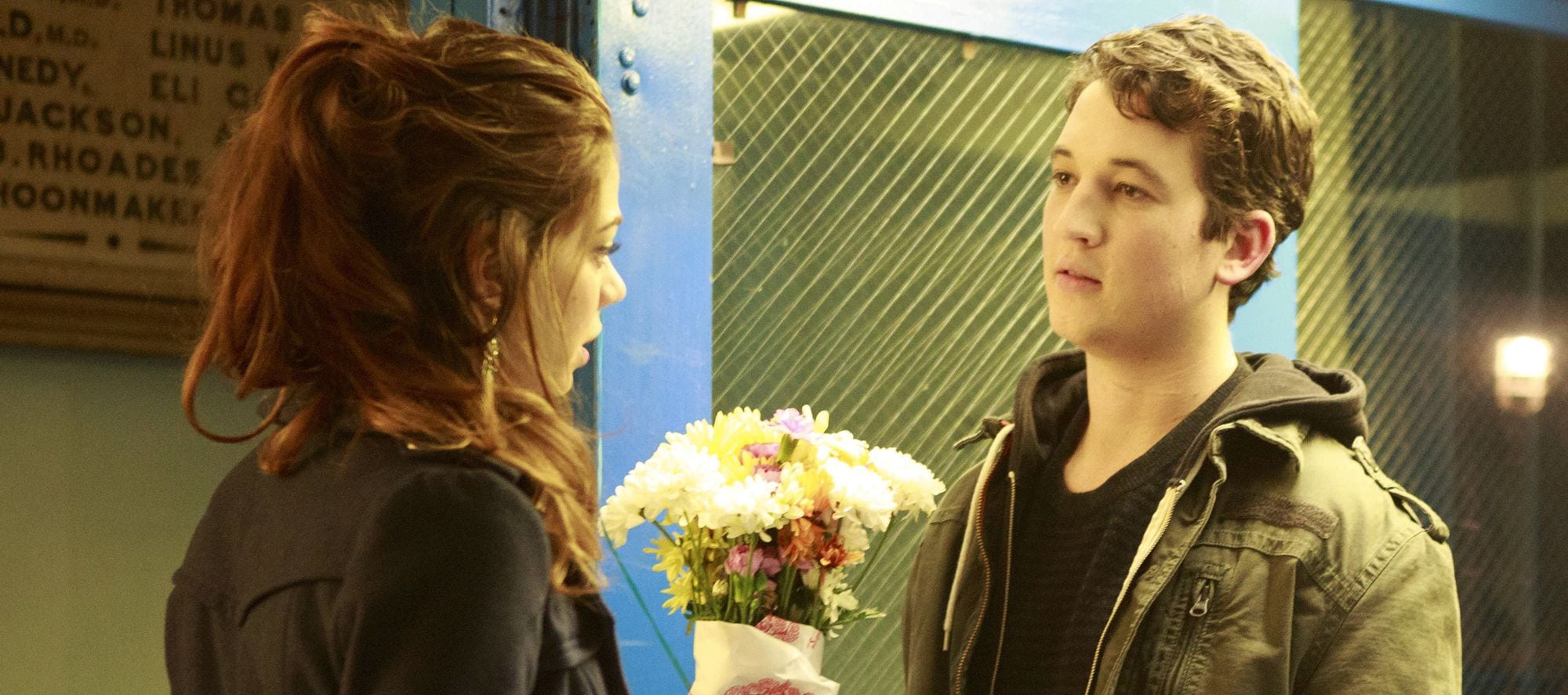
It’s attempt at conveying a candid portrait of contemporary hookup culture and the dishonesty of online dating profiles, but the film’s sentiments are all past their expiration date.
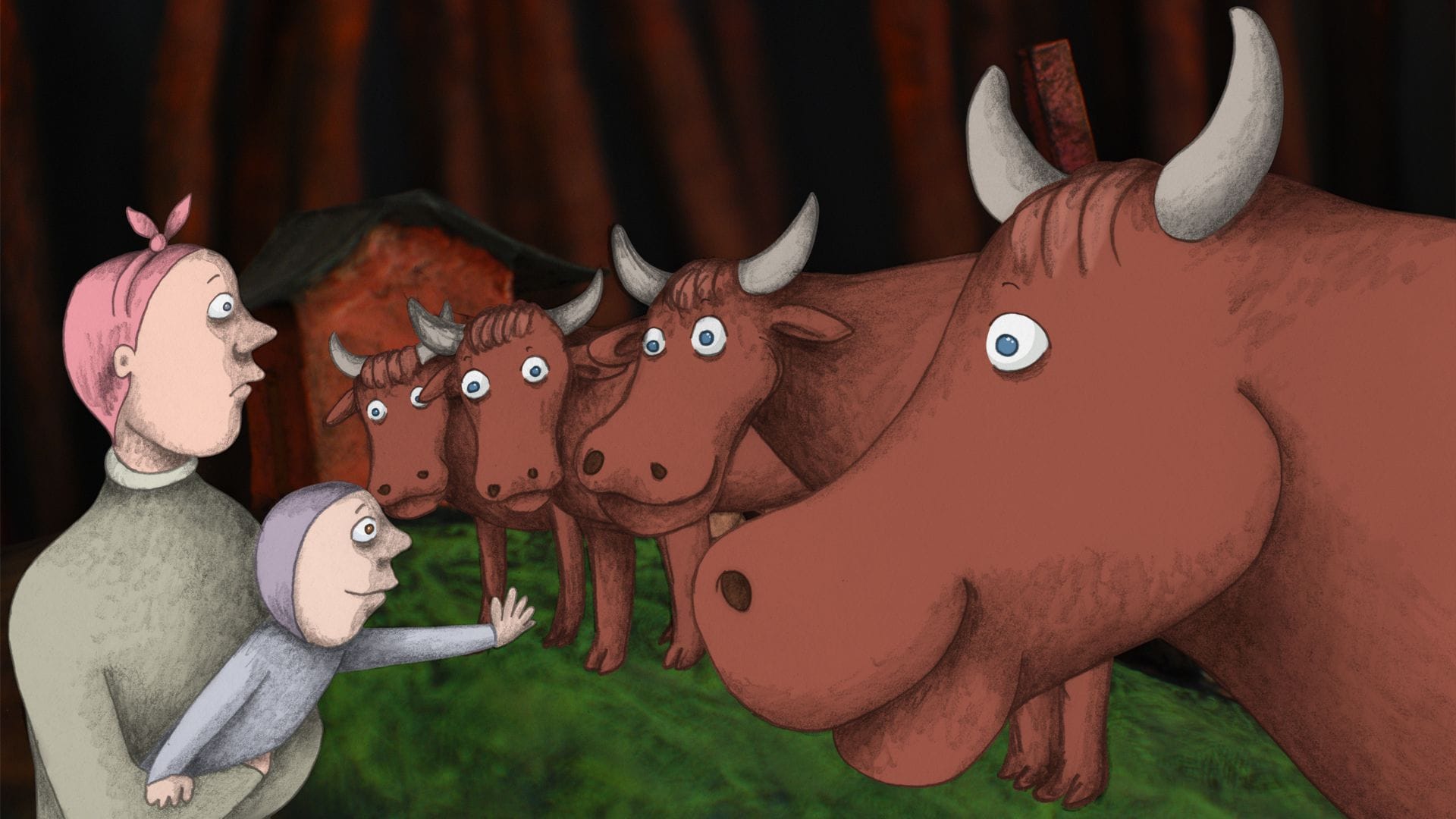
It suggests NPR’s “The Moth” storytelling series by way of Persepolis, mixing mesmerizing memoir monologue with whimsical animation.

Right up to its simplistic ending, the film is pleased to regurgitate the contrived tropes of the genre without ever honestly addressing the ethics of romantic boundaries.

The doc is heartwarming, but it doesn’t delve deeply into the backstories that inform the ailing patients’ connection to the music that stirs their memories.
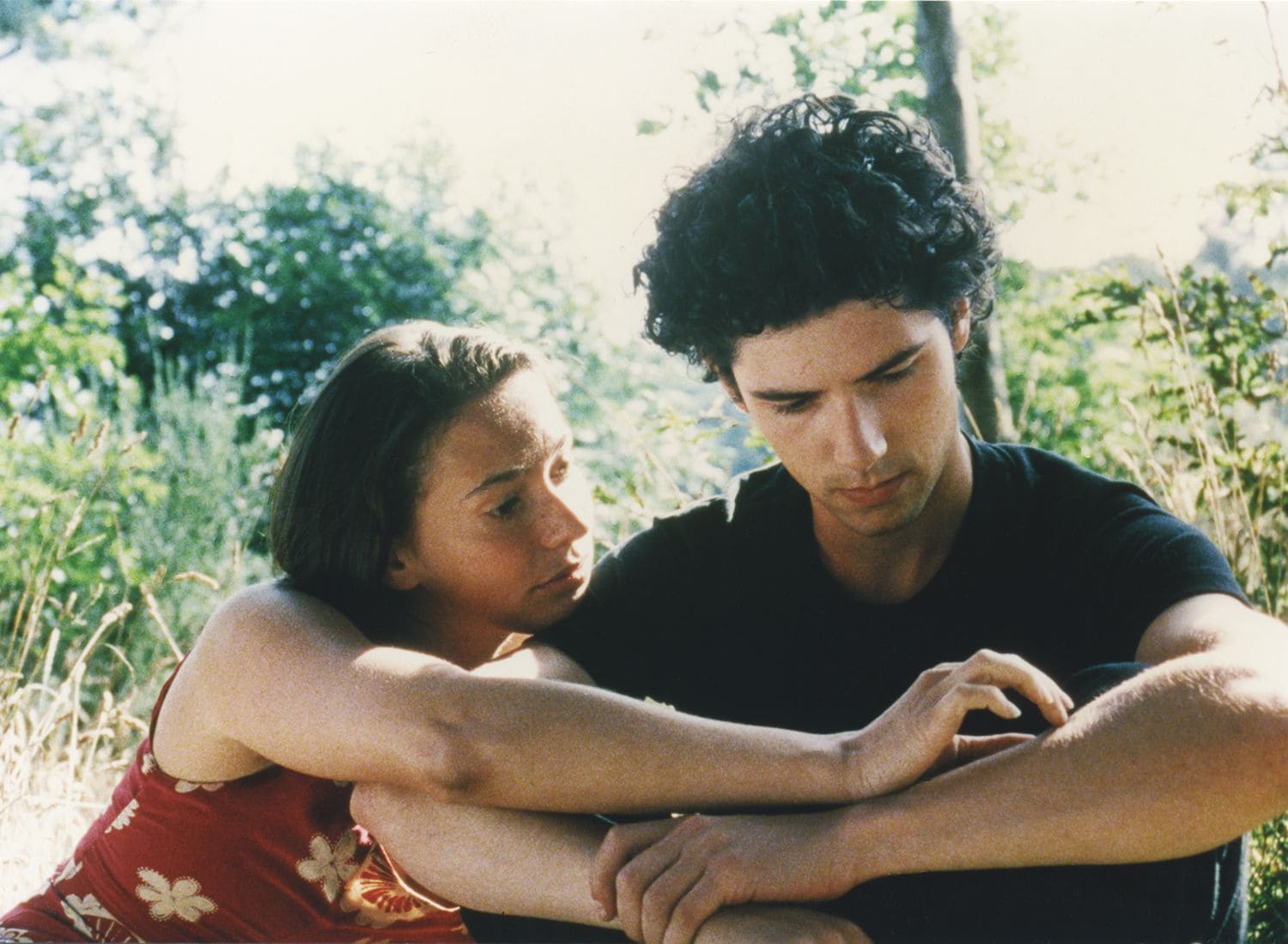
Despite its googly-eyed missive to the power of romance fueling confidence and comfort, A Summer’s Tale is most salient when addressing the bonds of friendship

The documentary is more interested in covering all its bases than making sure it fully has its foot on each base.

The freshness of its performances is often compromised by the impulse to reduce female experience to spiteful girl fights.

A lopsided, put-upon narrative of survival where humans, and not the animals themselves, are the ones to be celebrated.

This is less a portrait of an artist as a young woman than a psychological evaluation of a slippery subject.
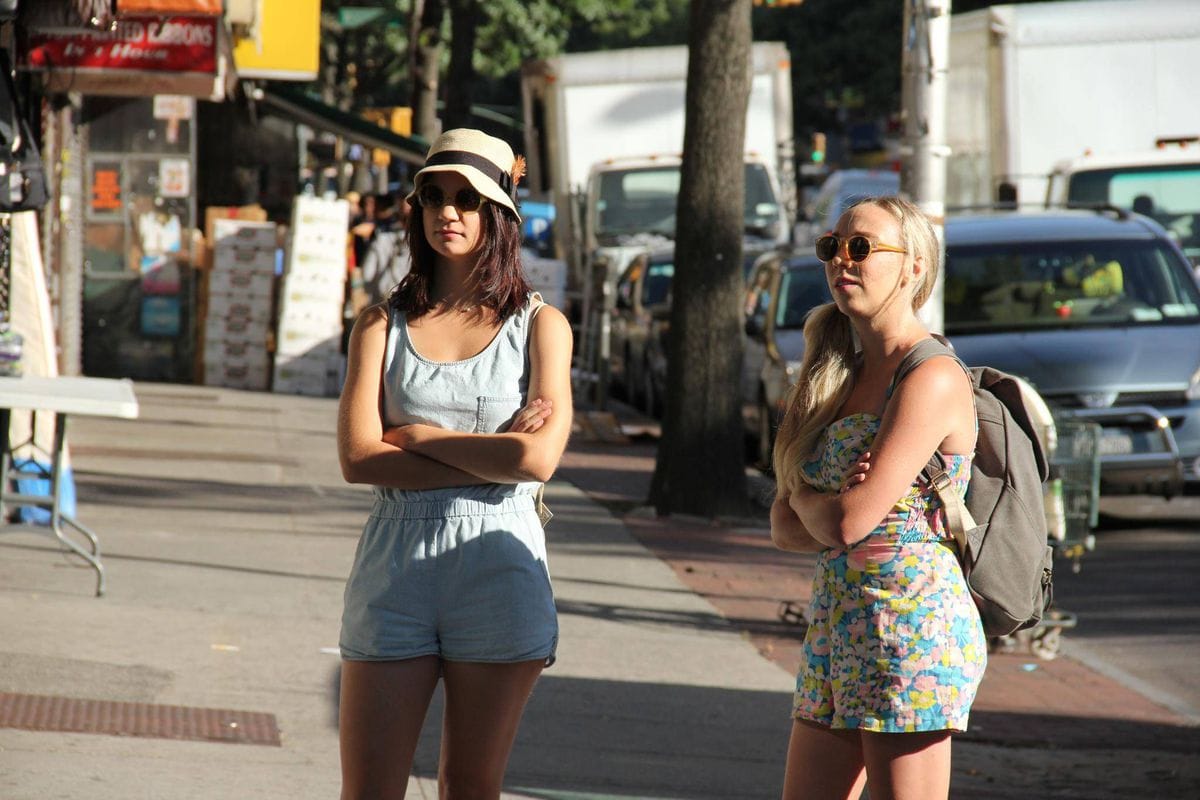
Self-involved twentysomethings living off their parents dime in Williamsburg are easy targets for derision.

Dashiell Hammett meets Woody Allen’s Manhattan Murder Mystery in Lawrence Michael Levine’s Wild Canaries.

The patience in mercurially presenting the characters’ backstories and desires is matched by the film’s genuine curiosity about the healing power of sharing stories.
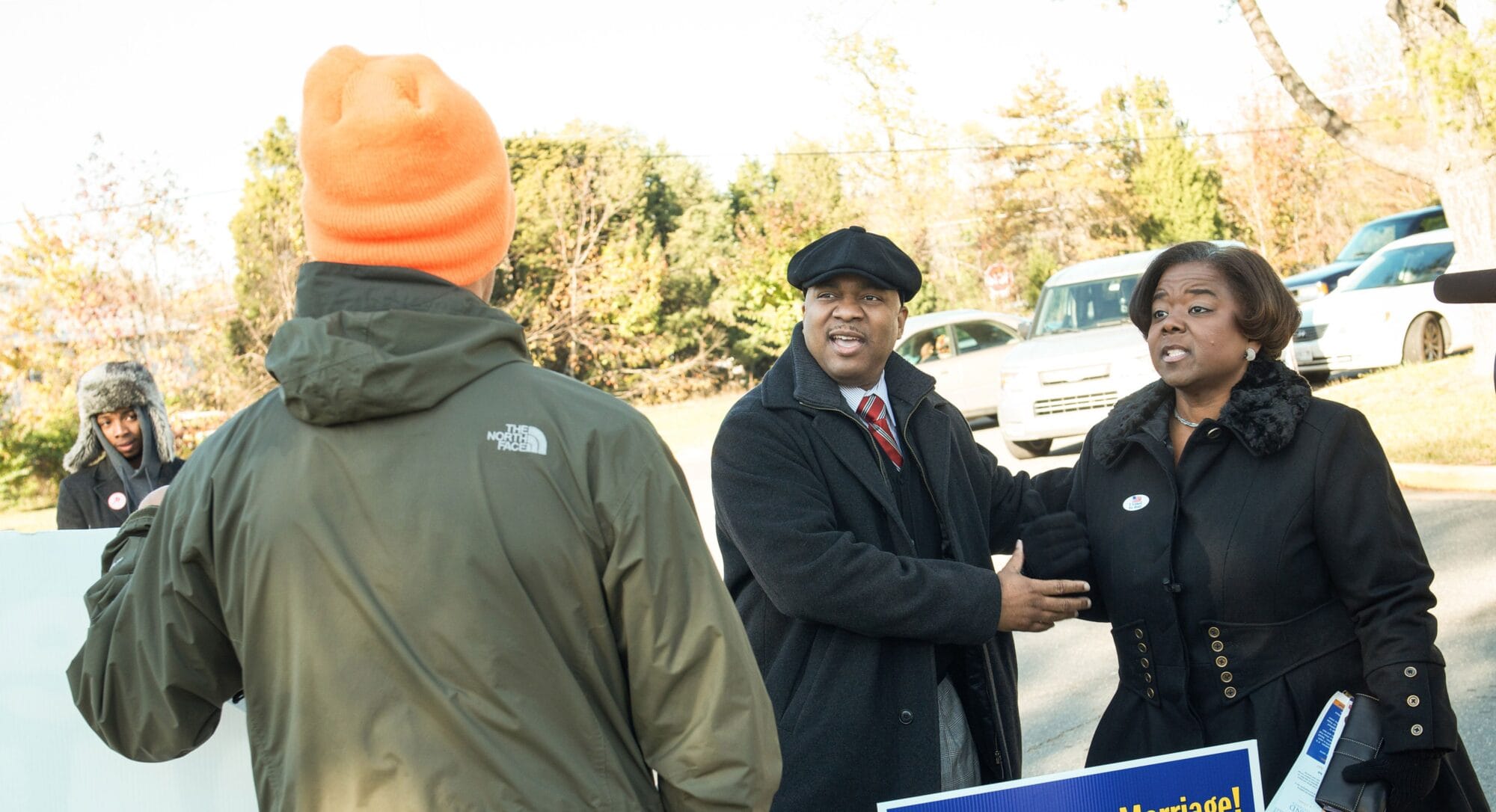
It does little to break free of the conventional talking-head documentary format, but thoughtful in how it prizes dialogue over acrimony and one-sided rhetoric.

Cavemen is an apt title considering how the sensibility and maturity of the film’s characters don’t seem to have developed beyond primal, alpha-man impulses.

Director Marielle Nitoslawaska’s experimental approach sometimes wanders down uncontextualized paths and obfuscates the subject with filmic affectations.

The particulars of Laos’s historical conflicts are sometimes only obliquely confronted, but the torrid past of covered-up wars palpably echoes through the scarred yet majestic landscapes.