This is muckraking journalism that moves confidently with the brio of an action thriller.



Kenji Fujishima is a film and theater critic, general arts enthusiast, and constant seeker of the sublime. His writing has also appeared in TheaterMania and In Review Online.
This is muckraking journalism that moves confidently with the brio of an action thriller.

Low Down is bereft of any unique insights that would distinguish it from Round Midnight, Bird, and other jazz-inflected junkie docudramas.

Jorge R. Gutierrez subsumes the film’s darker themes in a relentlessly busy farrago of predictable kids’-movie tropes and annoying attempts at hipness.
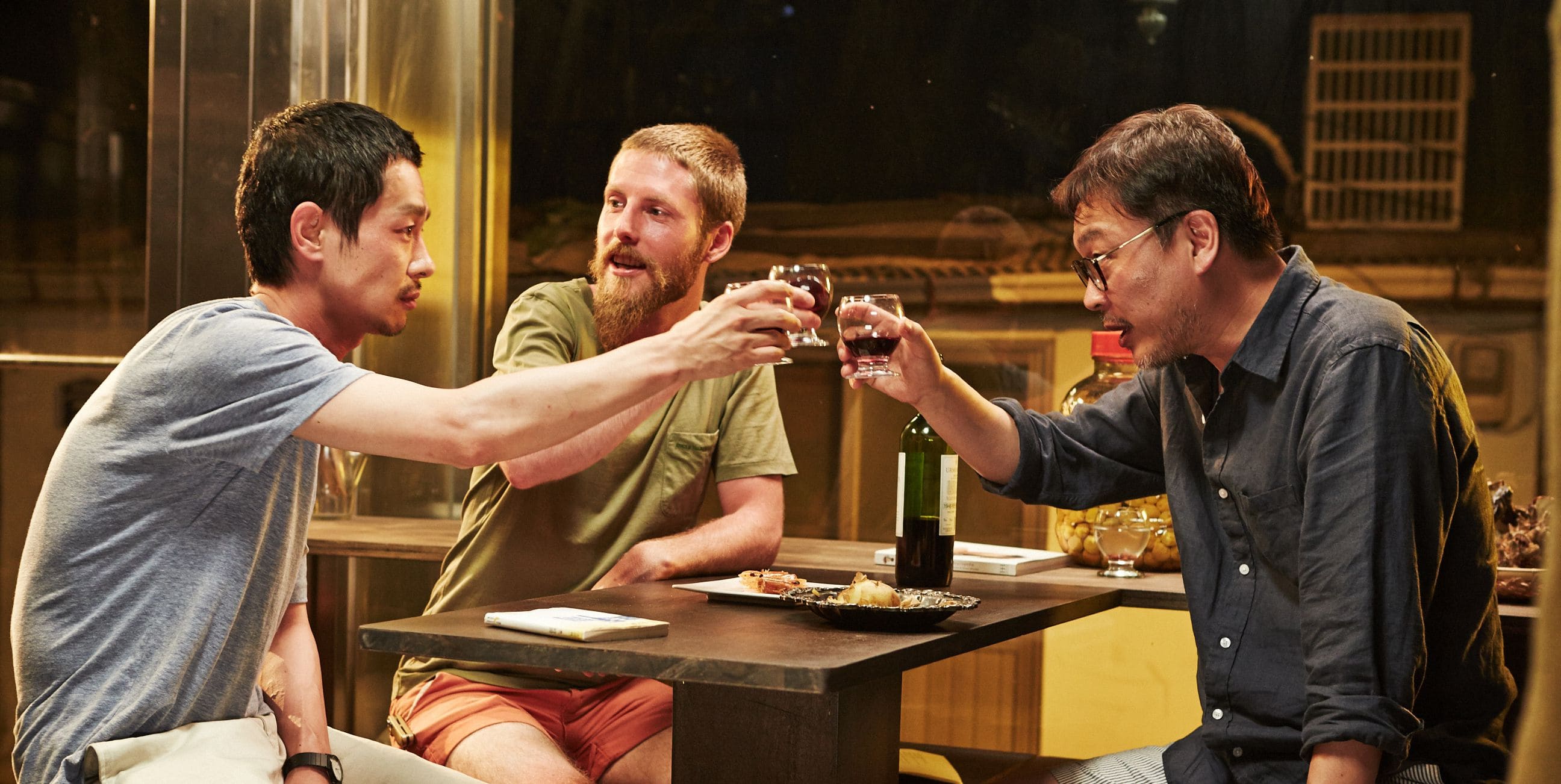
The film is ultimately little more than an excuse for Hong Sang-soo to try out a new stylistic color in his auteurist palette.

The Safdies’ film is one of the most harrowing cinematic depictions of drug addiction in recent memory.

‘71 distinguishes itself from Pual Greengrass’s films by virtue of its close attention to political and moral ambiguities.

Director Sean Ellis hopes that the foreign setting will somehow automatically make the clichés feel fresh.

An immensely gifted physical performer, Donnie Yen isn’t strong enough an actor to suggest an authentic inner life to his character beyond a vague sense of stone-faced dissatisfaction.

To some extent, the use of a wide aspect ratio and the doc’s emphatic score takes its cues from paleontologist Pete Larson’s passion.
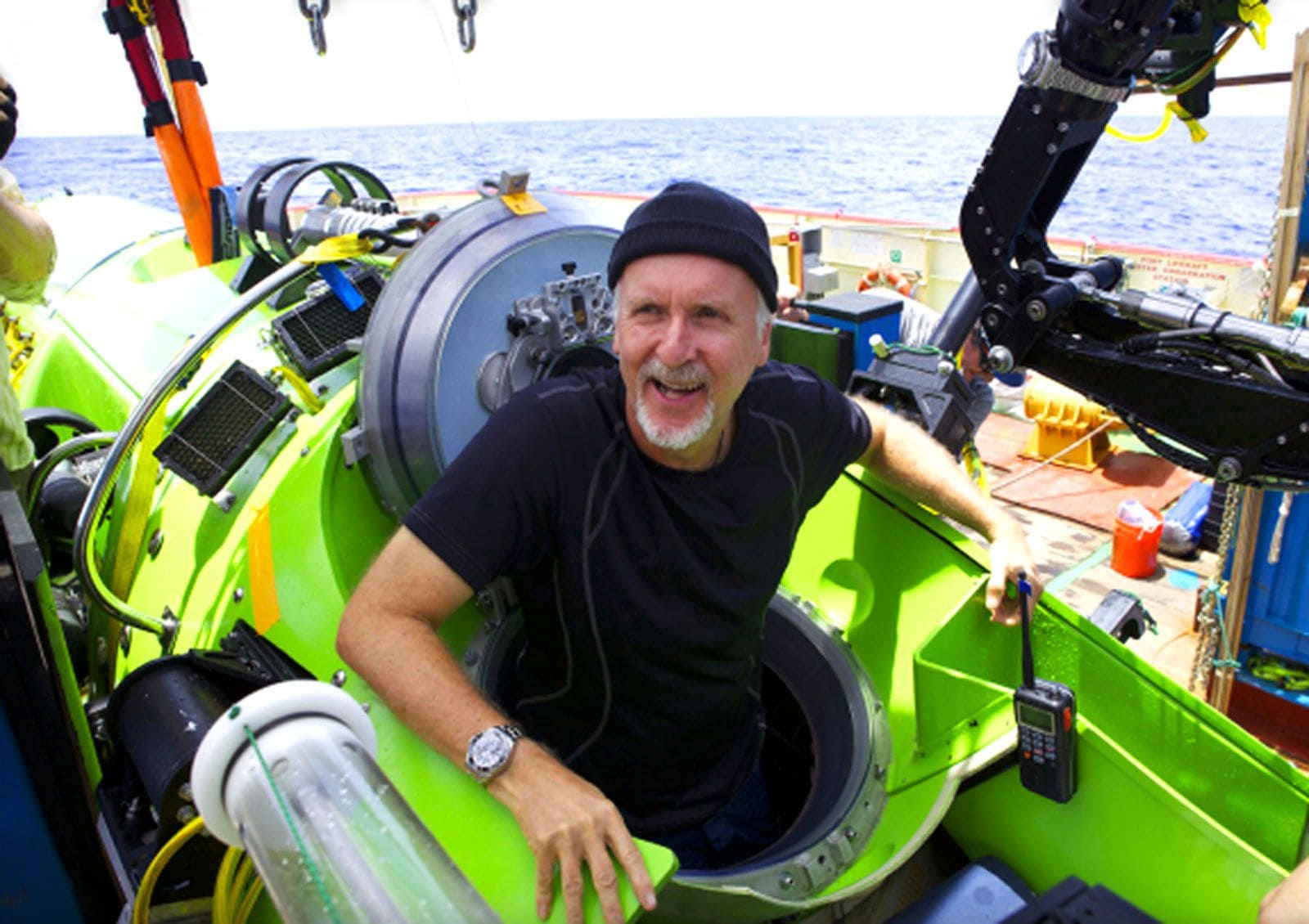
A 90-minute geek-out session, with James Cameron’s technological obsessiveness and persistent perfectionism on full display as he strives to achieve his goal.

Not even the choice of a lead with visible facial acne scars, a welcome gesture toward authenticity, is enough to overcome the gaping hole of psychological nuance at the film’s center.

Chief among the film’s beauties is the simplicity of the setting itself.

Burton puts more of a premium on sound and image to suggest character depths than the more prosaic Christopher Nolan does.

The familiar premise is done with enough intelligence and heartfelt conviction that it rises above potential cliché.

Mike Myers’s glorified act of hero worship leaves one hard-pressed to form any conclusion other than an infinitely positive one about Shep Gordon.

The even-handedness of Jessica Yu’s gaze throughout the first part of the film, alas, isn’t sustained in the second and third chapters.

Tukel is able to offer a reasonably fresh spin on familiar vampire-movie tropes, giving pitiless misanthropy pedal-to-the-metal comic wit.

Marc Silver’s documentary is ultimately hampered by a level of self-congratulation that nearly undoes its effectiveness as an activist polemic.
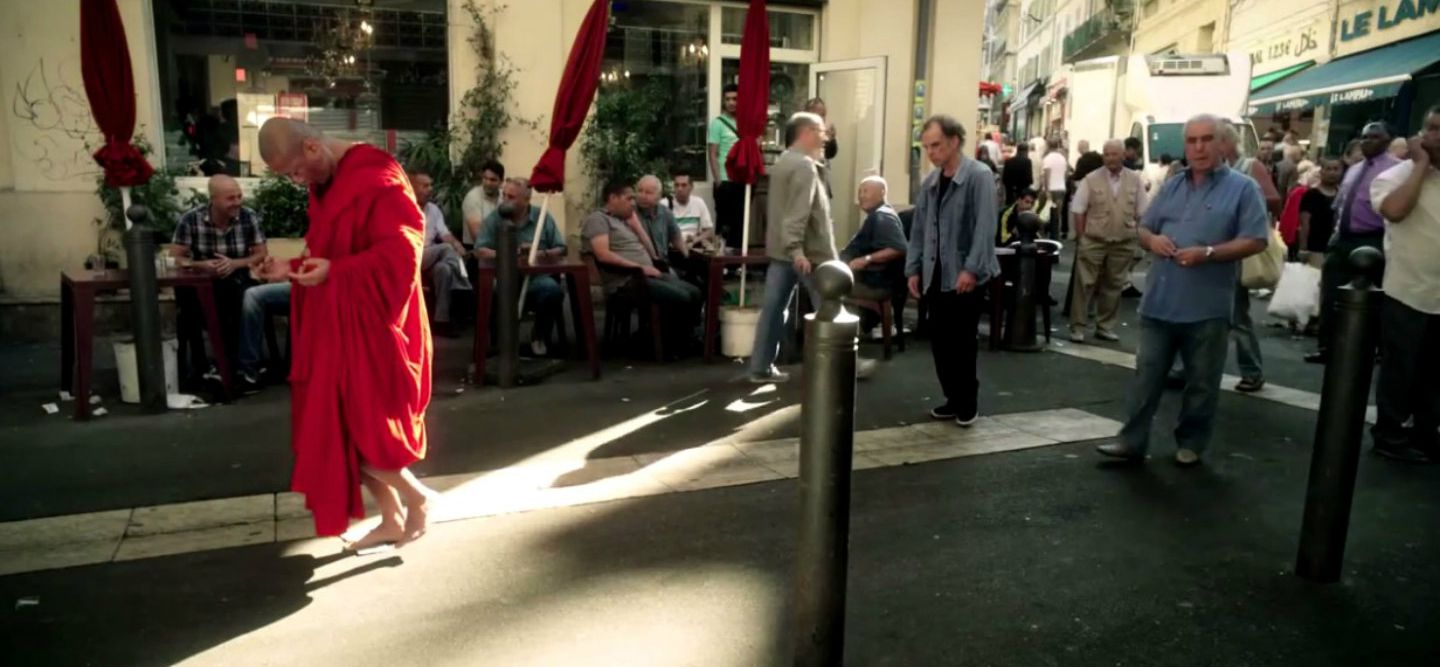
This isn’t the first time Tsai has chronicled the extraordinarily deliberate travels of this anonymous red-clothed spiritual figure.
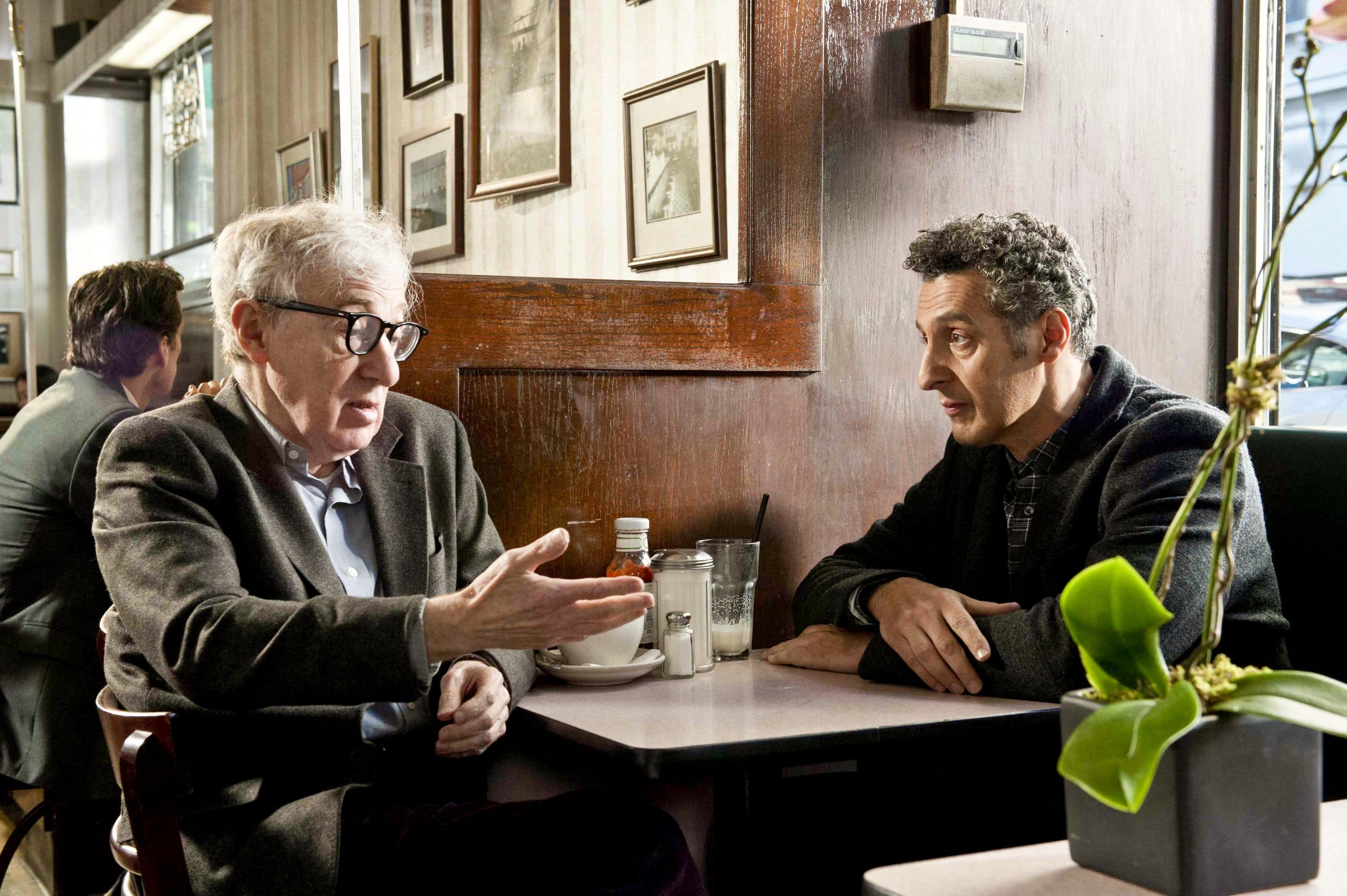
The question of why one should actually work up any emotional investment in what happens to these people is never really answered, much less asked in the first place.