Maxime Giroux’s sharp filmmaking instincts aren’t always supported by similarly acute dramatic instincts.



Kenji Fujishima is a film and theater critic, general arts enthusiast, and constant seeker of the sublime. His writing has also appeared in TheaterMania and In Review Online.
Maxime Giroux’s sharp filmmaking instincts aren’t always supported by similarly acute dramatic instincts.

Chaitanya Tamhane’s grand canvas is Indian society as represented by its legal system, and what it reveals is none too flattering.

Among its many revelations is the level of self-aware humility Brando exudes while talking about his life and creative process.
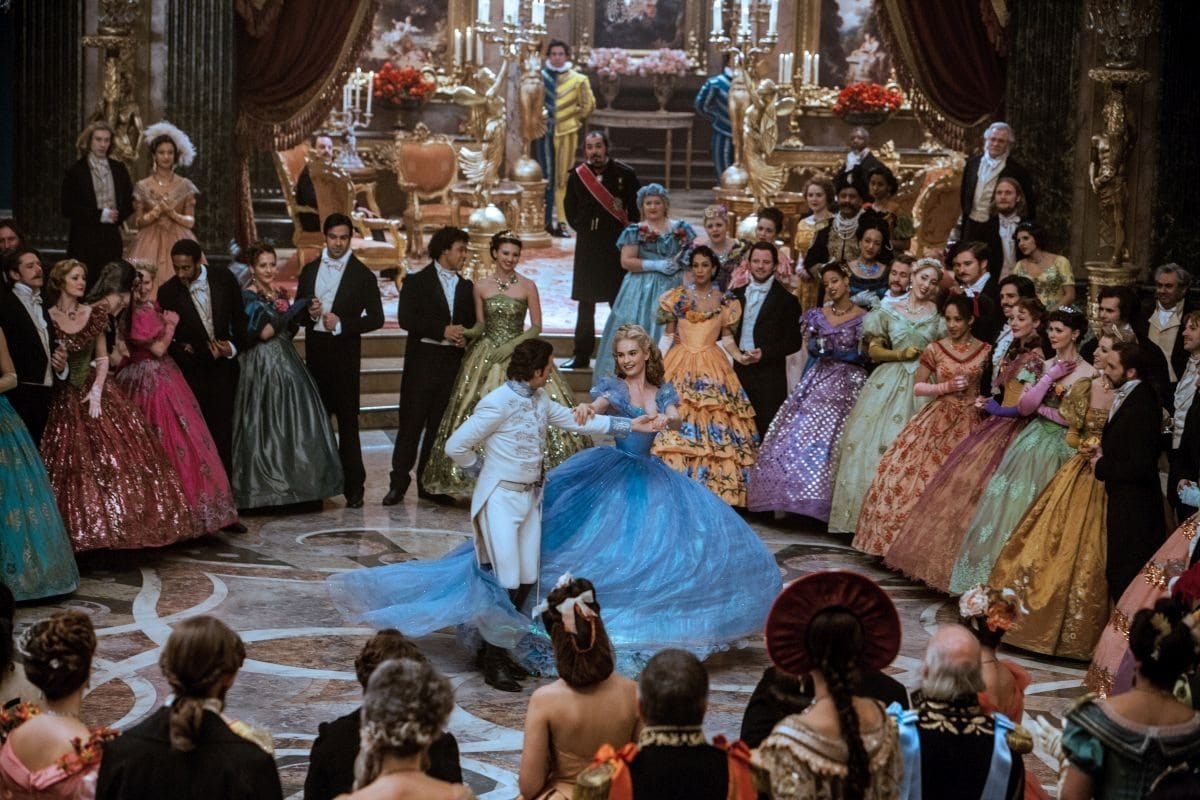
Branagh fully understands the societal critique underlying the tale, and brings it out into the open.

45 Years is basically a showcase for Haigh’s finely tuned screenplay and the performances of its two leads.
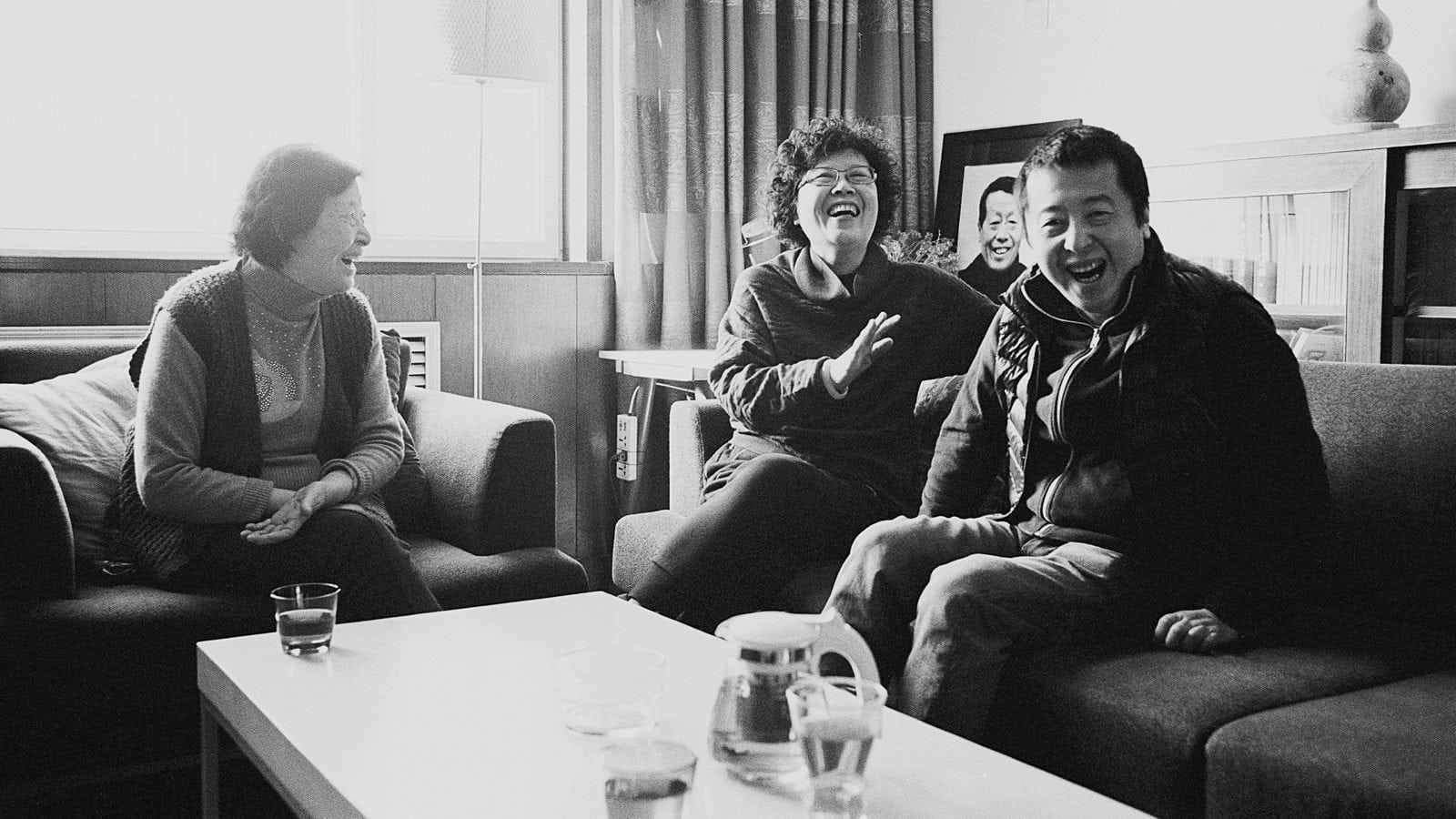
It’s perhaps only natural that a film festival as wide-ranging as the Berlinale would include a few documentaries about filmmakers.

Imagine an entire film made up of variations of those occasional free-associative montages of Vienna in Museum Hours.

The setup suggests a topical takedown of both corruption in the priesthood and the ruthless ways Catholic churches have tried to cover up their immoral behavior.

With Knight of Cups, Terrence Malick achieves the sense of stylistic ossification that many accused his last feature, To the Wonder, of embodying.
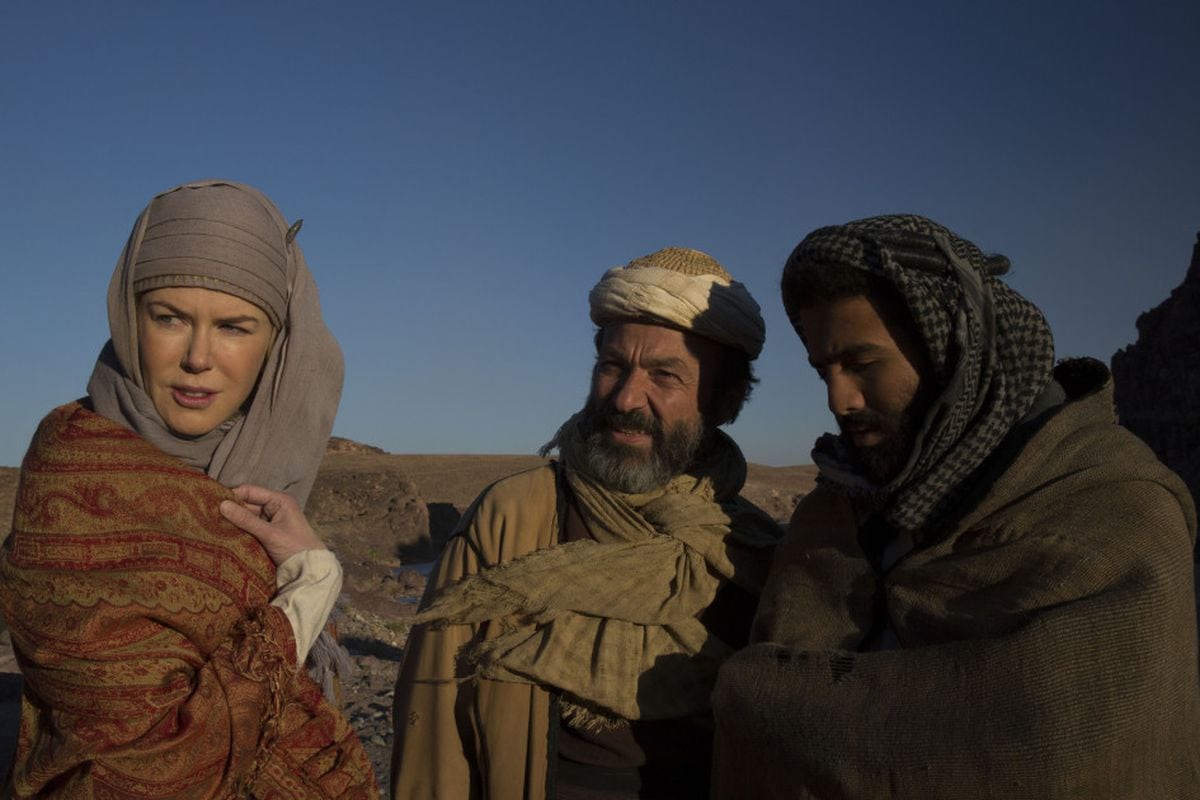
Theoretically, the subject of Queen of the Desert could hardly be more Herzogian in nature.

In keeping with his recent work, Panahi turns the camera on himself and his own government-imposed creative struggles.

The film manages to be a law unto itself even in light of Guy Maddin’s previous oeuvre.
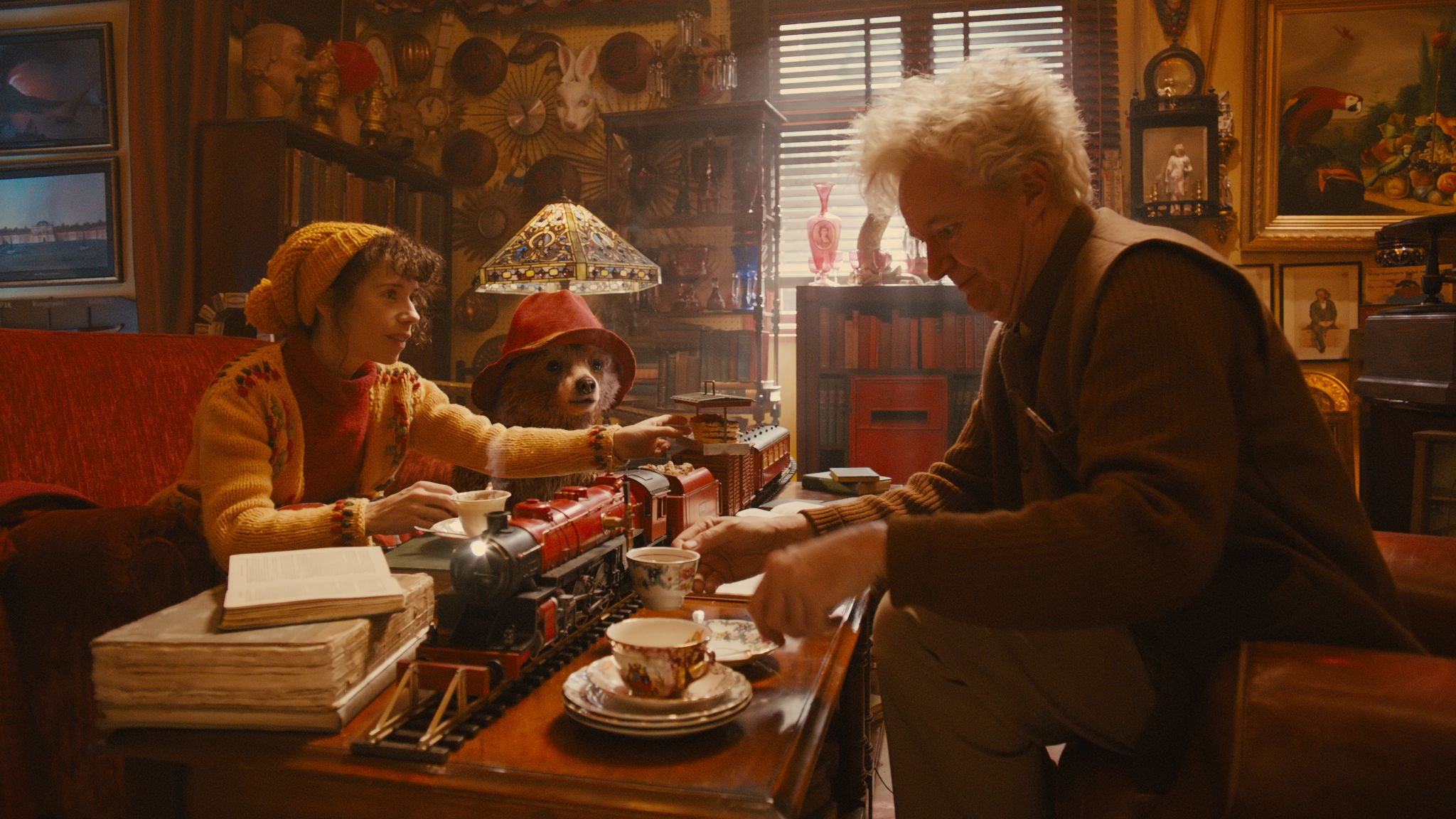
The film is surprising for the way it finds a near-ideal balance between its childlike playfulness and displays of mature wisdom.

Ian Cheney doesn’t delve too deeply into the possibly unsettling questions the documentary raises about society at large.
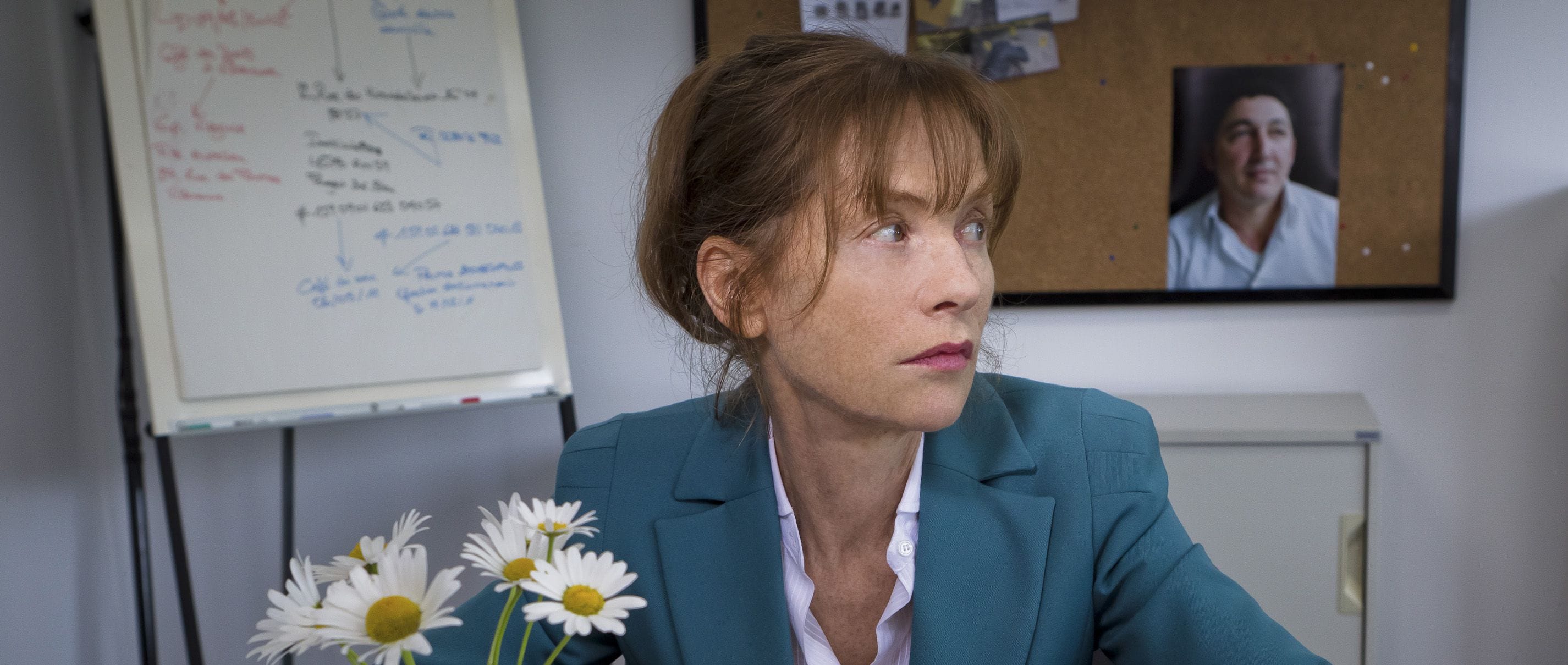
Serge Bozon allows the wildly hilarious and the grimly serious to uneasily coexist, exulting in the resultant clash.

It isn’t afraid to risk didacticism in order to put across its vision of the debilitating physical and psychological effects of colonialism.

One need go no further than the first segment to grasp how little interest the anthology series has in generating chills from the lo-fi.
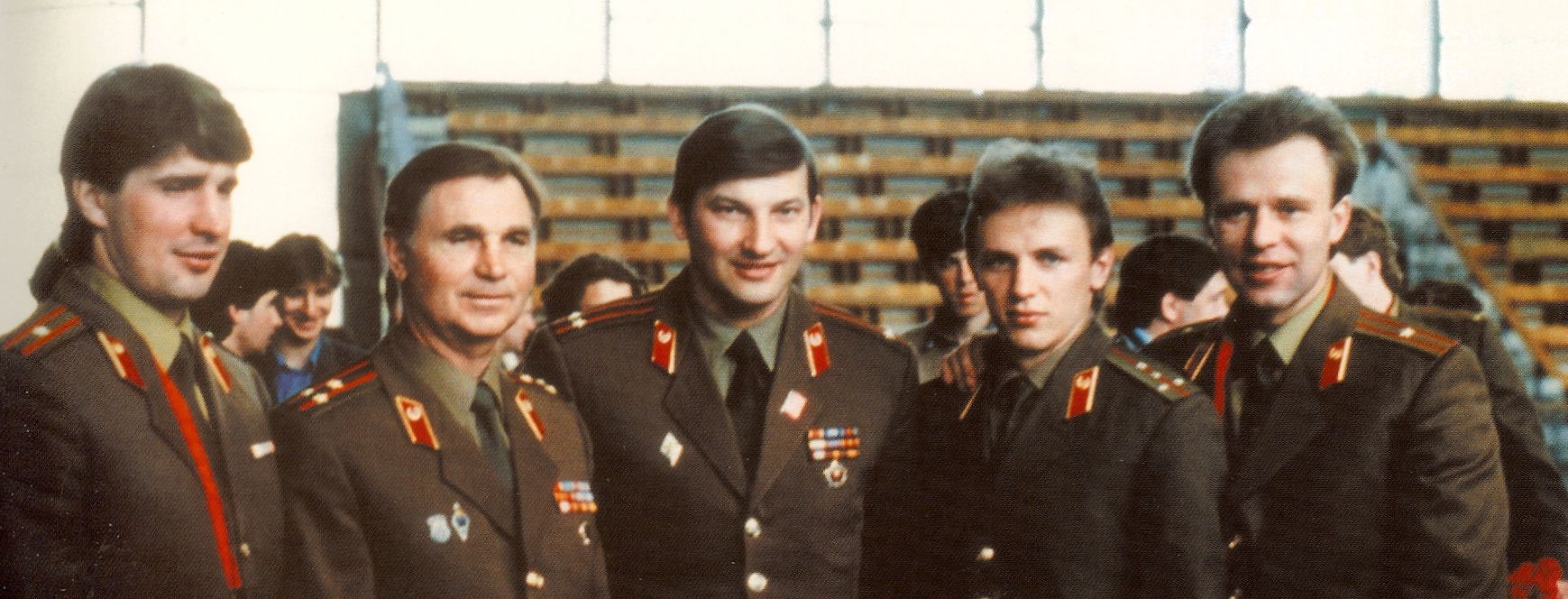
Gabe Polsky’s quiet yet welcome achievement is to allow us to see the individual amid the politics, clearly and sympathetically.
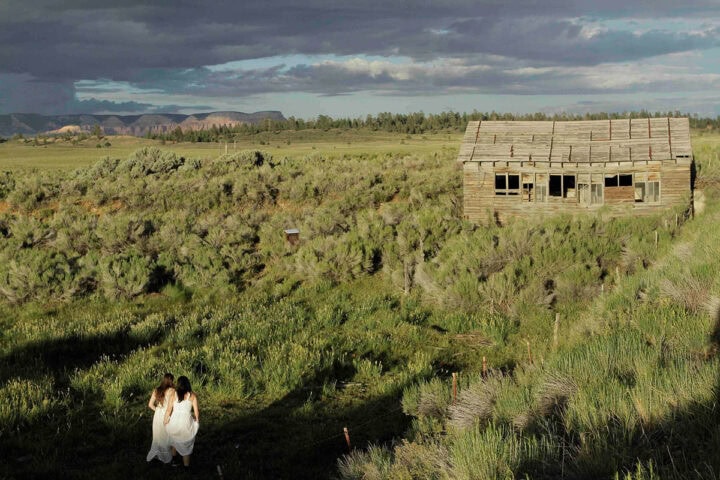
The film’s more overtly observational moments never quite fuse with the more surrealistic passages to convey an organically convincing sense of a mind going on the fritz.
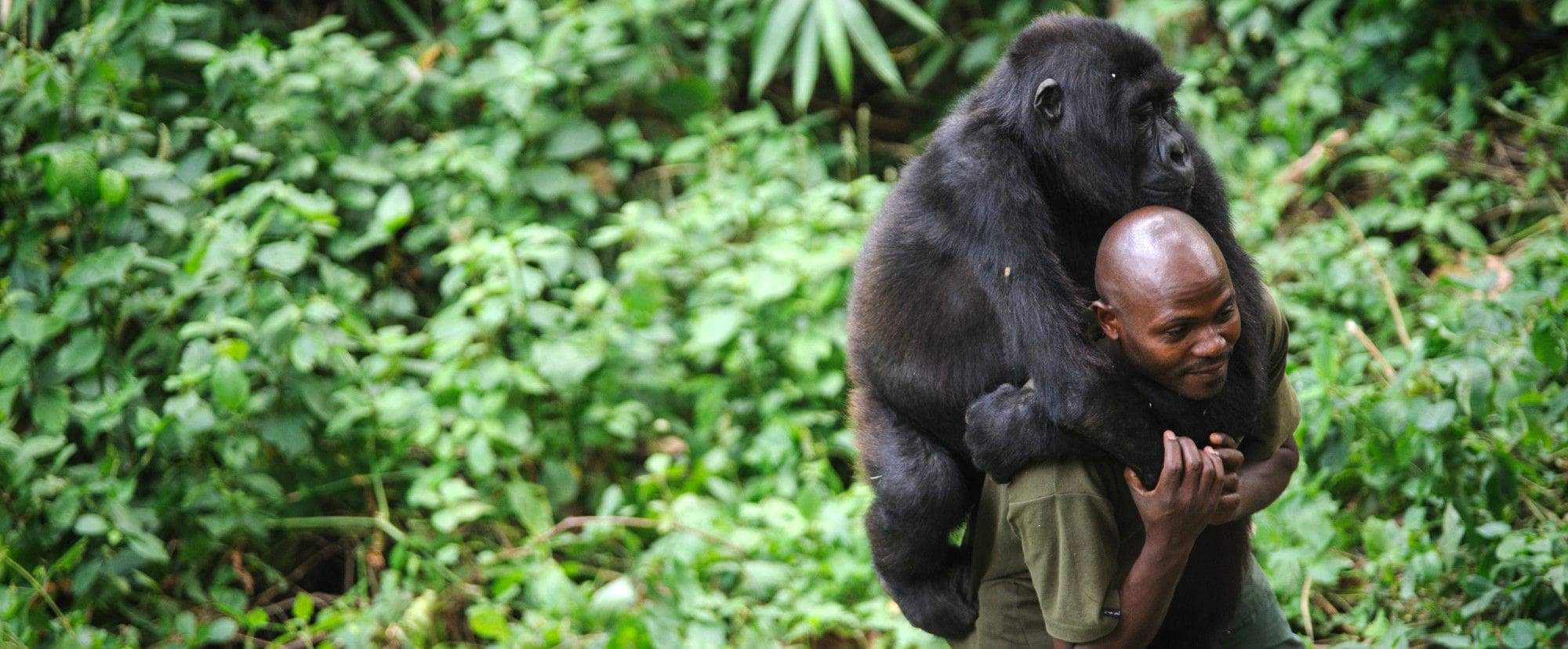
This is muckraking journalism that moves confidently with the brio of an action thriller.