Adds up little more than an anguished man using the hook of following his famous brother in order to gaze, however critically, at his reflection for 75 minutes.



Kenji Fujishima is a film and theater critic, general arts enthusiast, and constant seeker of the sublime. His writing has also appeared in TheaterMania and In Review Online.
Adds up little more than an anguished man using the hook of following his famous brother in order to gaze, however critically, at his reflection for 75 minutes.

Anja Marquardt feels the need to puff up her film with relatively artificial conflict that generally comes off as sops to screenwriting conventions.

With its personal-obsession angle combined with its surveillance phobia, Trap Street’s spiritual forbears are easy to spot.

With its broad performances, rapid-fire pacing, and rampant visual and verbal gags, Bernard Tavernier’s first out-and-out comedy doesn’t try too hard to hide its graphic-novel origins.

Akin to an Ozu drama done in the Romanian style. If only there was more to distinguish it beyond such extra-textual concerns.

Sion Sono’s film is a vision of coming of age as trial by fire.

Instead of finding one consistent tone and sticking to it, Serge Bozon allows the wildly hilarious and the grimly serious to uneasily coexist.

Stephen Chow’s distinctive vision is evident in the seemingly boundless imagination of his scenarios, and in the film’s sincere spiritual concerns and generosity toward misfits and outsiders.

Flesh of My Flesh exposes the perilously thin line between the mysteriously elliptical and the merely undercooked.

Chiemi Karasawa’s documentary is remarkable for its candor, but it’s a brutal honesty that Elaine Stritch herself gladly offers.
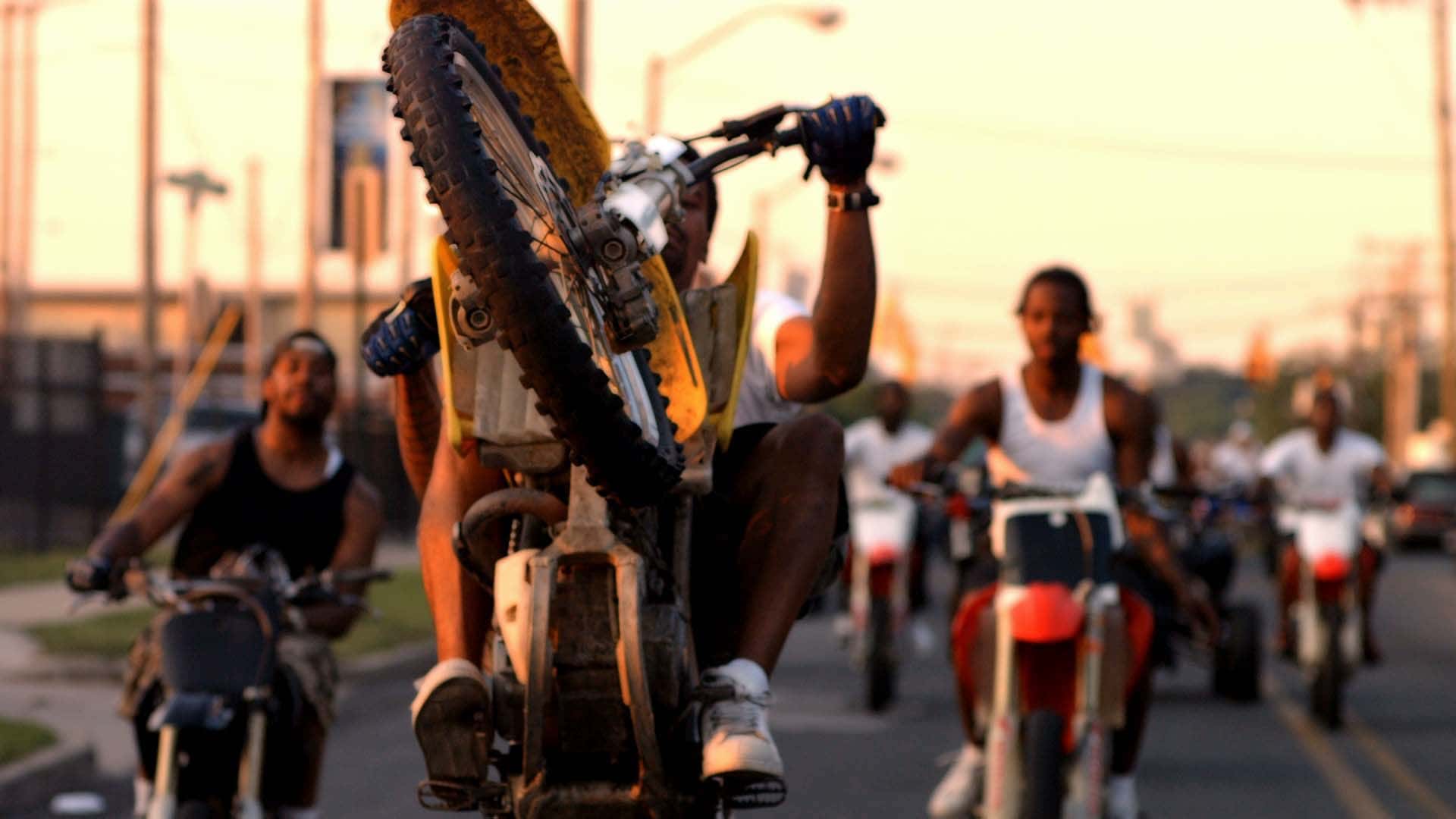
It constantly divides itself between fulfilling the conventions of the informational talking-heads documentary and aiming for a more poetically impressionistic quality.

A coming-of-age journey of self-realization, made immensely more involving by virtue of being seen through its subject’s first-person perspective.

Given its virtuous subject matter and the relative bloodlessness of its violence, perhaps Renny Harlin means for this film to be a means of atoning for his previous cinematic sins.
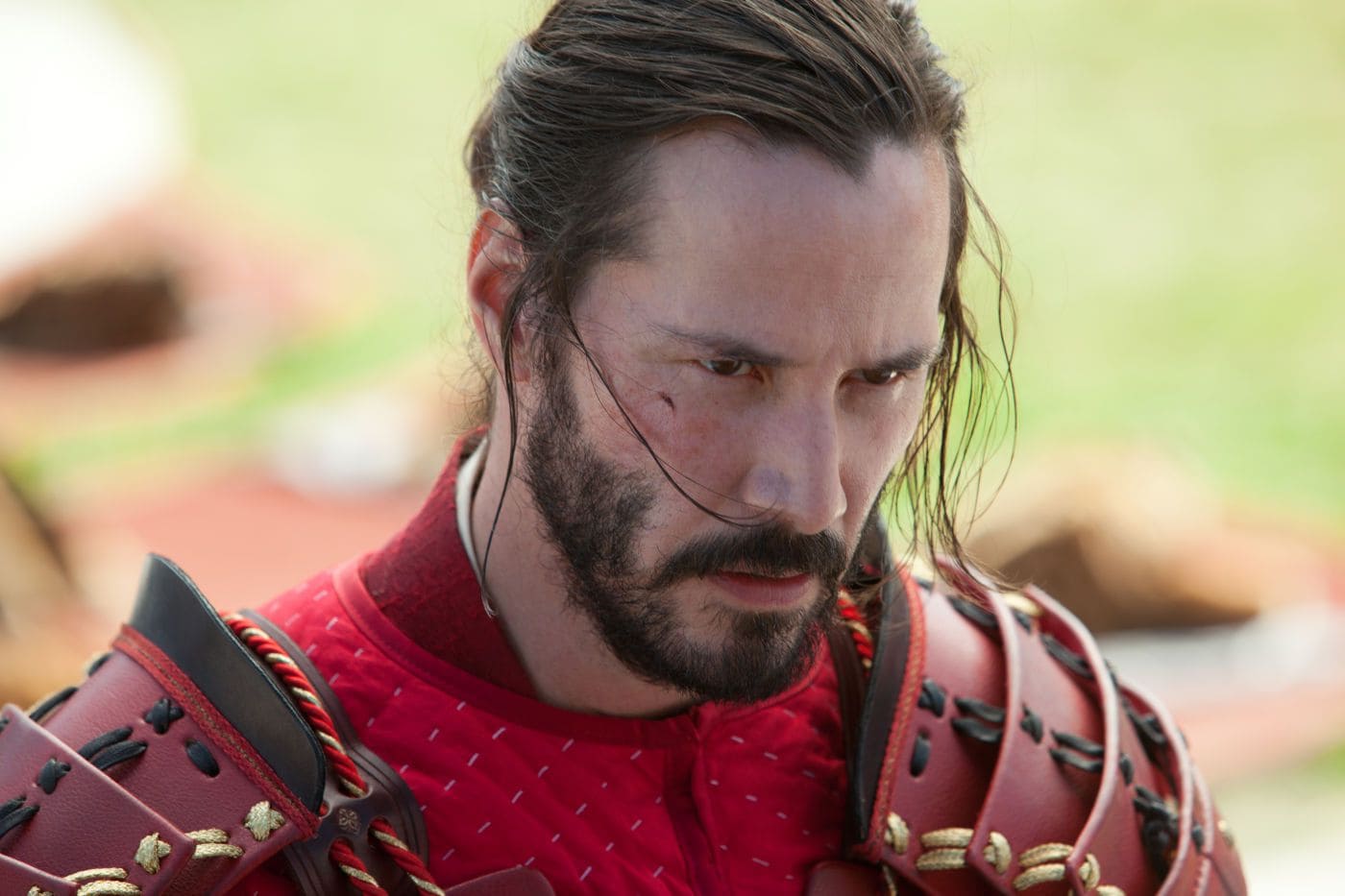
This botched vision accepts the warrior’s nobility at face value and sees the story merely as a springboard for high-flying action and CGI special effects.

For all the heartbreaking depth with which the filmmakers explore the horrors of human trafficking, the film still leaves one with a sense of a larger story just beyond their grasp.

Mark Mori goes a bit overboard in hammering home his appreciation of Bettie Page’s significance, allowing the film to occasionally lapse into repetitiveness.
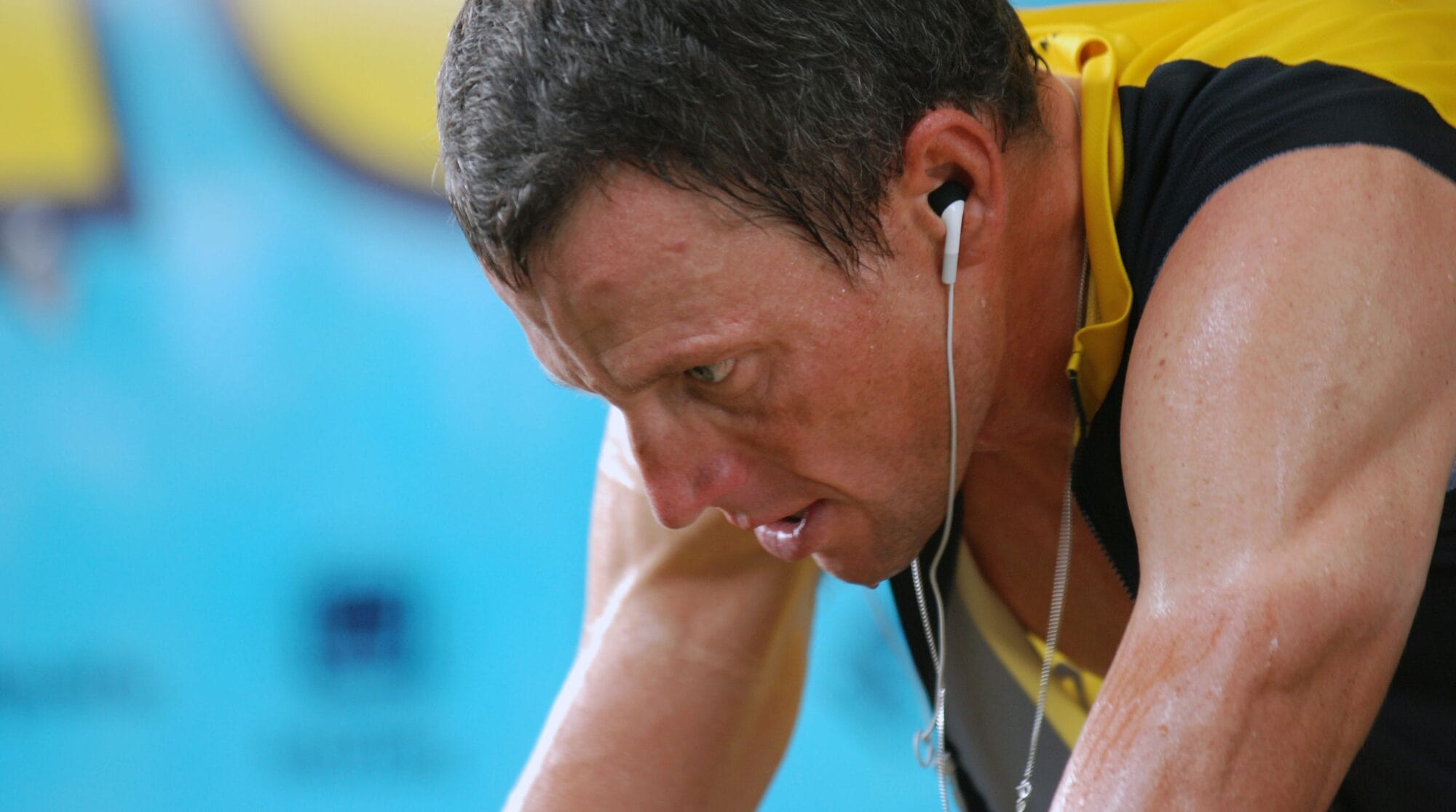
The documentary can’t entirely avoid the feeling of a less-productive score-settling hit piece.

The filmmakers use a wide range of cinematic techniques to convey the tenuous environment in which their subjects find themselves.
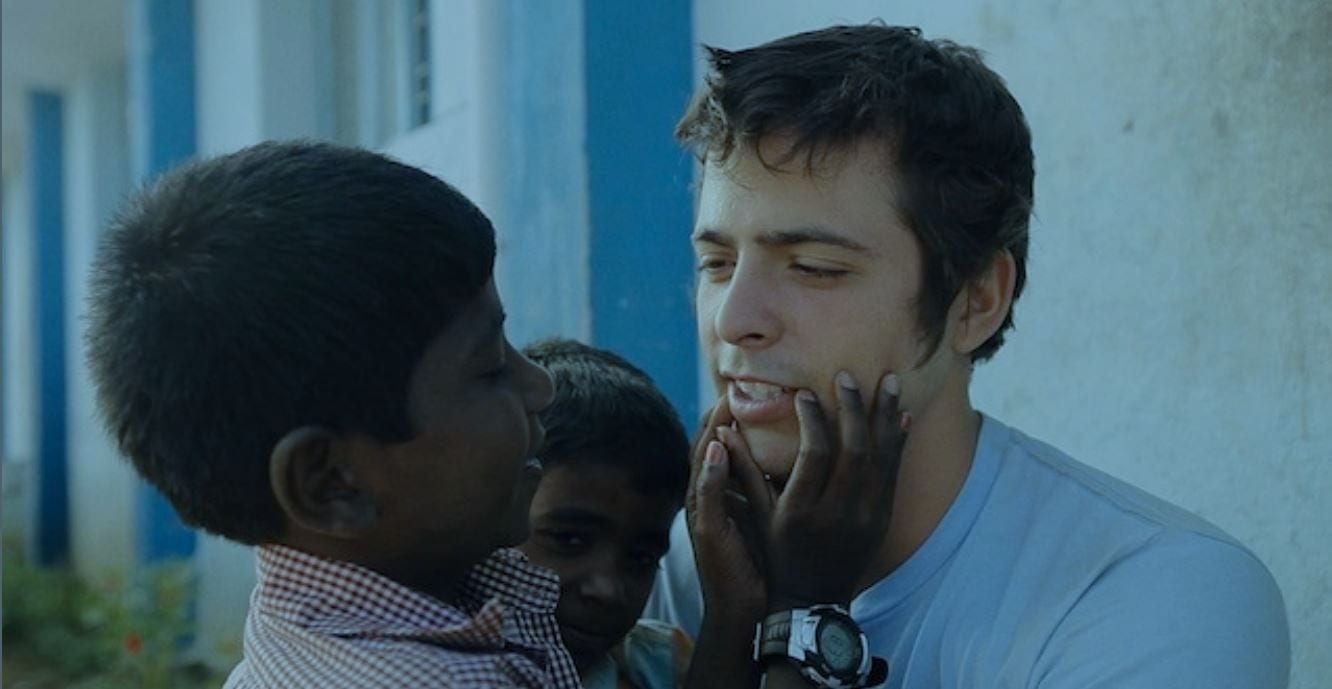
Rocky’s journey of self-realization undoubtedly has a universal resonance to it that intermittently yields poignant and inspiring moments. But where are the poor Indian kids in all of this?

Perhaps the most crucial element of Jonze’s vision is its sympathetic embrace of the volatile beating hearts of its characters.