The film stages its claims through clunky dramaturgical scenarios, with the seams exposed at every turn.



Clayton Dillard is a lecturer in cinema at San Francisco State University.
The film stages its claims through clunky dramaturgical scenarios, with the seams exposed at every turn.

Antonio Pietrangeli’s structuring logic proceeds from a philosophical, rather than character-based, foundation, causing a chill to pervade the entire film.

It shifts toward constructing a didactic tongue-lashing against the Catholic Church disguised as speculative fiction.
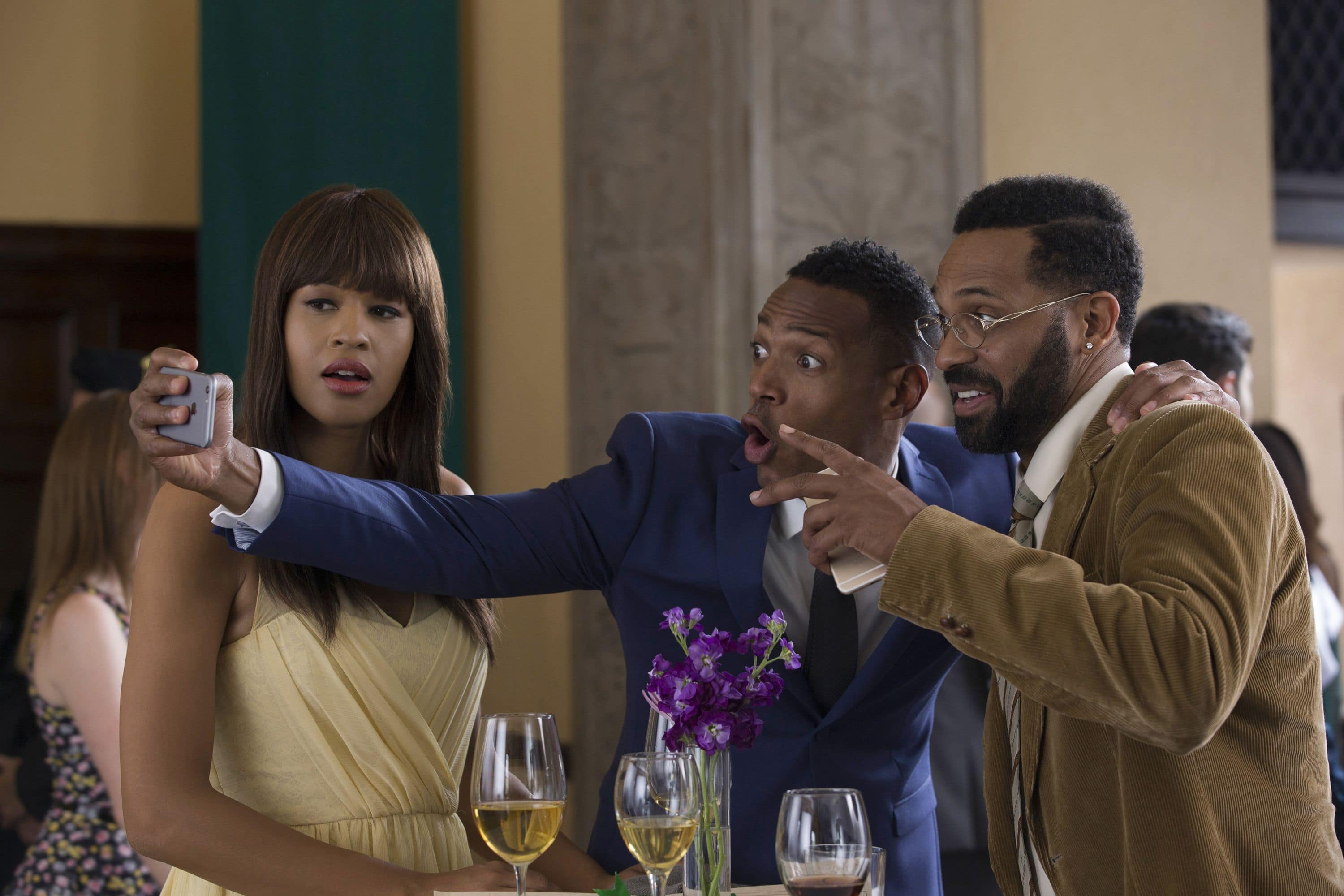
Michael Tiddes’s Fifty Shades of Black is ultimately a crude conceptualization of its zeitgeist-baiting premise.
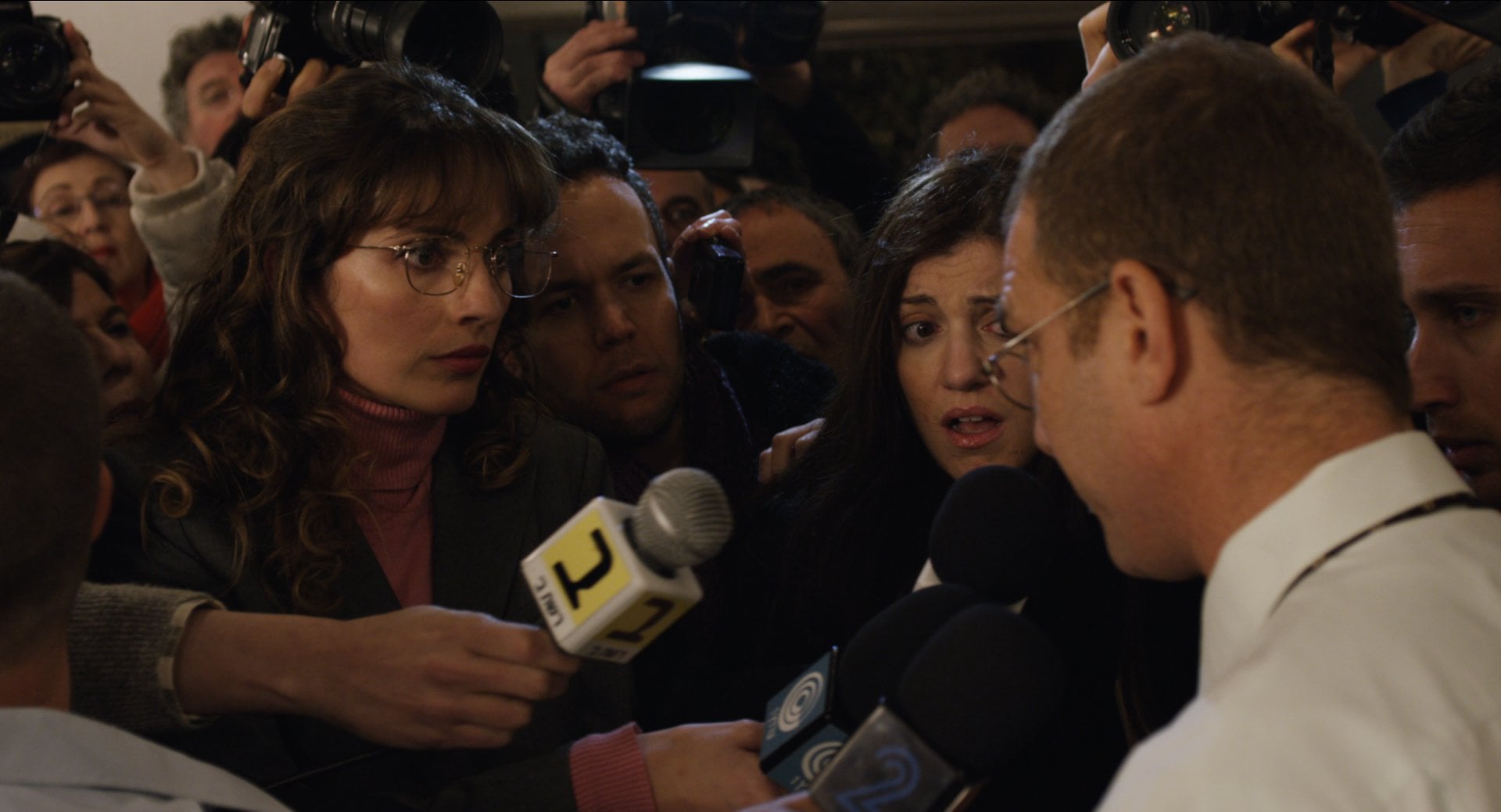
Its vantage point assembles an argument by obsessively focusing on reassembling a tangible timeline of events.
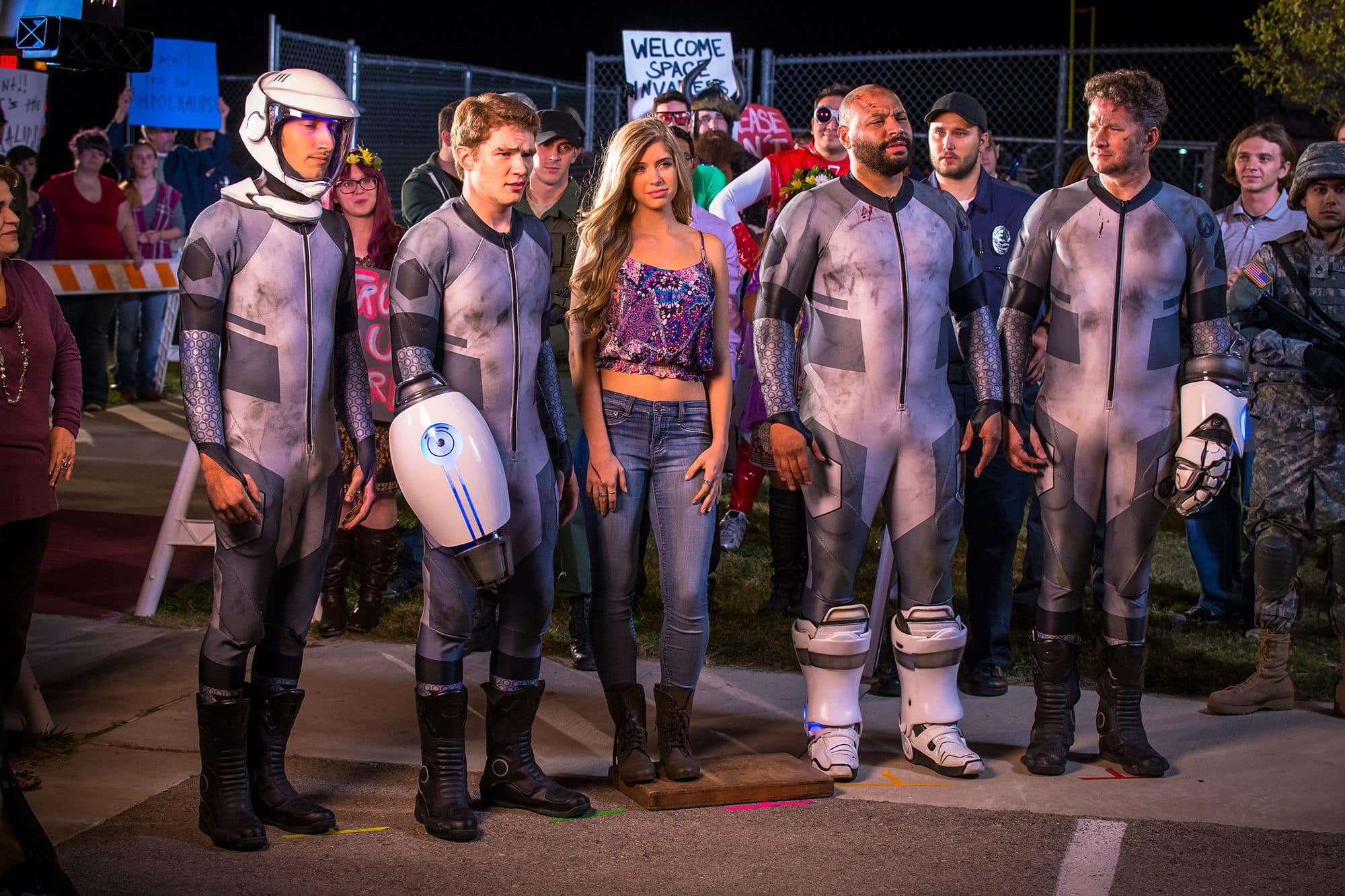
The premise combines elements from Marvel comics, Men in Black, and ’80s pop culture to curiously neutered effect.

The film emerges as something chillingly akin to the unholy love child of Judd Apatow and Donald Trump.

The 2K presentation of Gilda really highlights Rudolph Maté’s luminous cinematography.

There’s no reason for Rabid Dogs to exist, as even character identity and motivation receives little attention.

Chris Bell settles for sentimental straw-manning and syllogistic logic in his pursuit of capital-T truth.
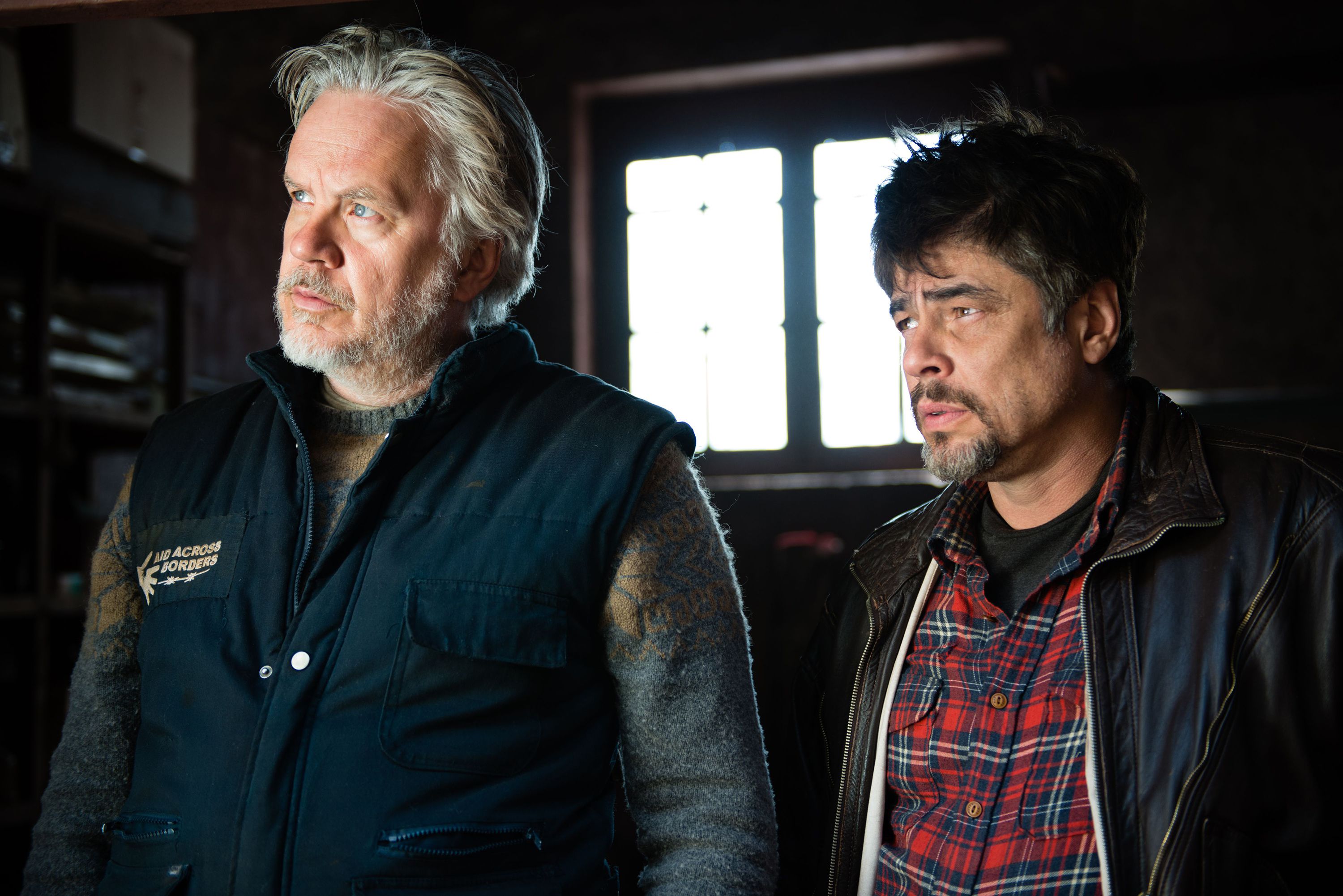
The film finally seems conspicuously at odds with itself, neither funny nor impassioned enough to pass as an accomplished vision of transnational welfare.

A scorching, genre-based neorealist work, De Santis’s Bitter Rice deserves better than Criterion’s ho-hum Blu-ray treatment.

Tim Blake Nelson’s film immerses itself into as many pain-induced (and painful) subplots as it possibly can.
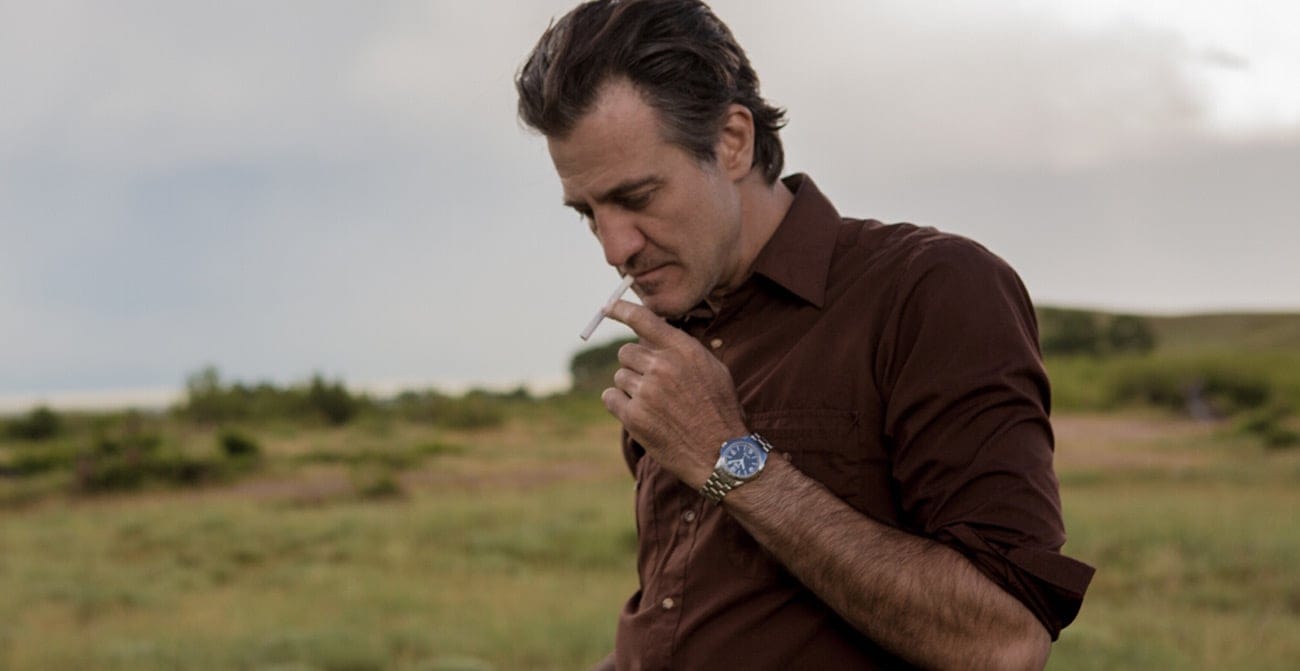
It’s flatly fascinated by Lamb’s pathology without trying to understand its formation from environmental factors.
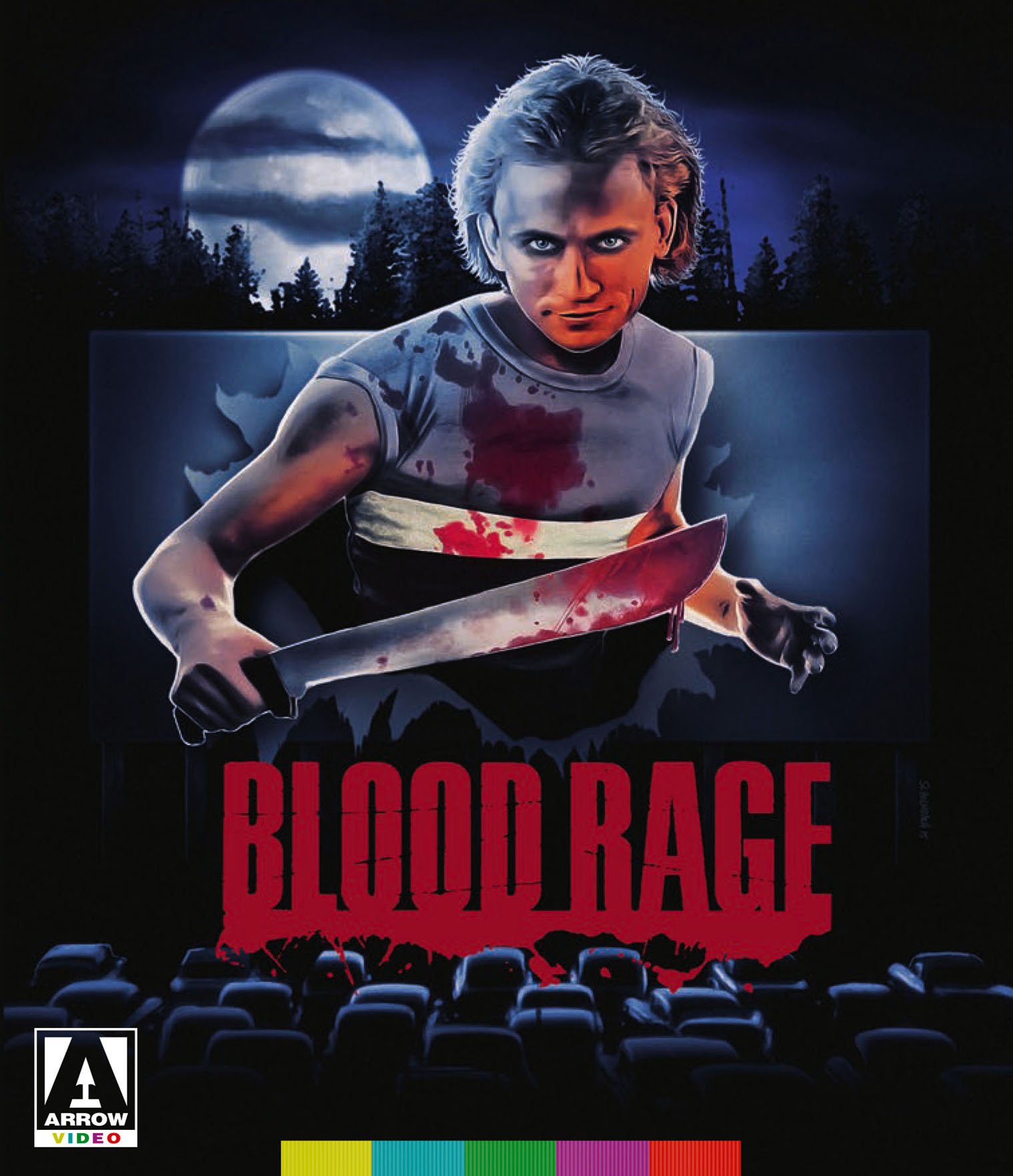
Just in time for the holiday season, Arrow’s Blu-ray of Blood Rage should be all the rage if you’re seeking an off-the-beaten-path offering.
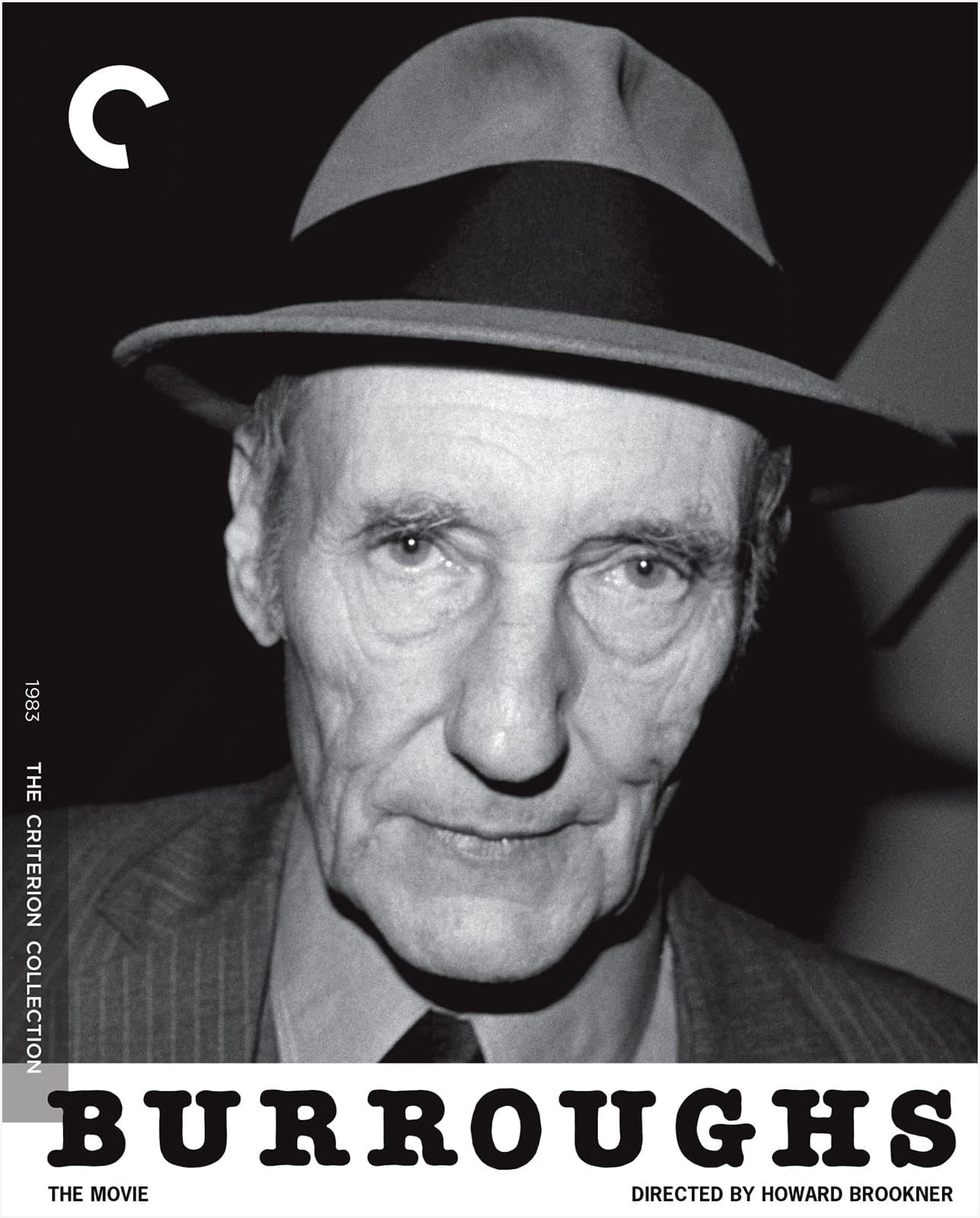
Once lost but now found, Burroughs: The Movie receives a sterling Blu-ray fix from the Criterion Collection.

Criterion’s Blu-ray of Wilde’s Harold Lloyd vehicle zips from end to end with the portent of a body bag.

Mir-Jean Bou Chaaya’s Very Big Shot remains skeptical about the transformative power of cinema, since it operates by the whims and capital of a select few.

In one ill-conceived decree, Coppola transformed himself from cinema’s godfather into cinema’s helicopter parent.
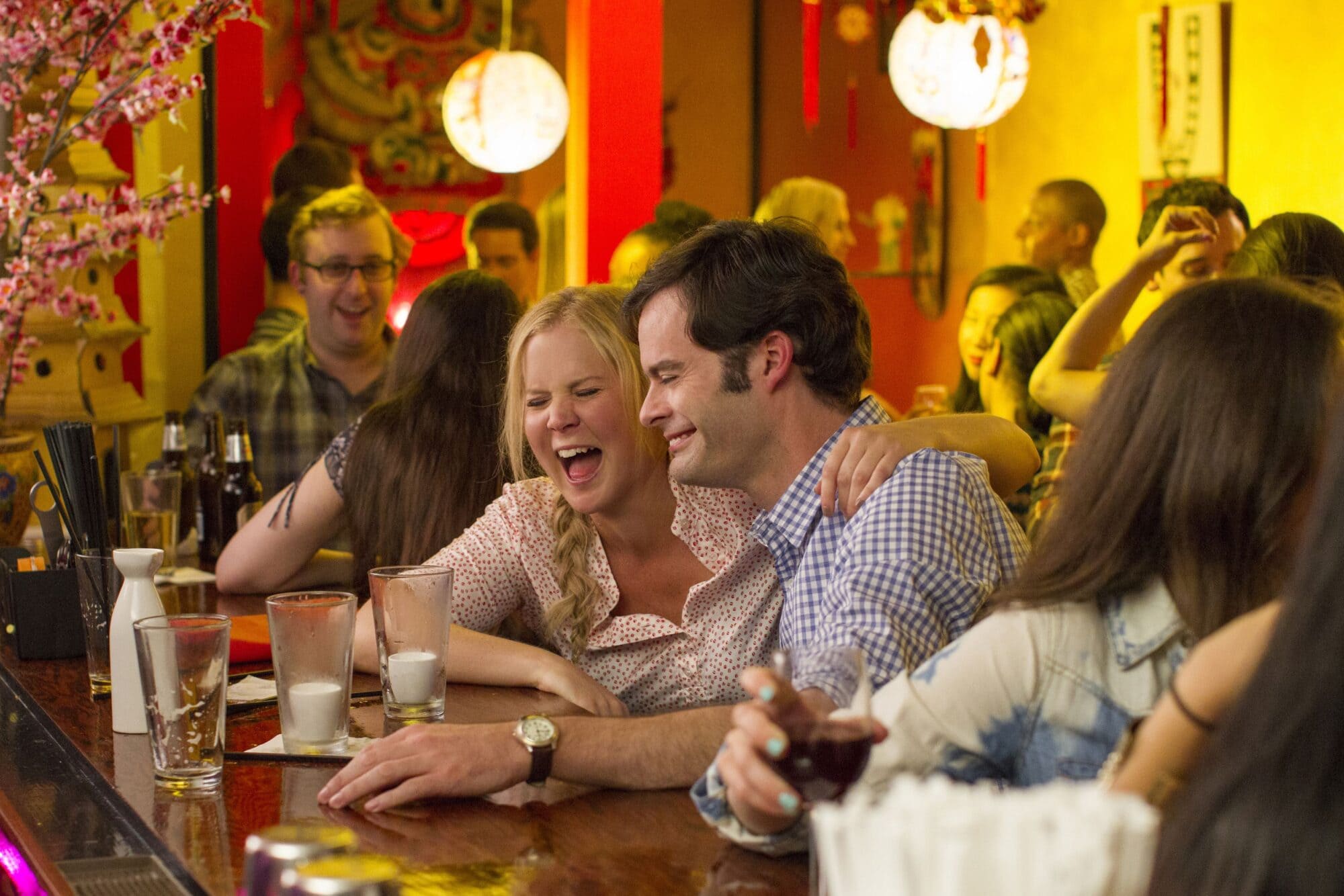
In selecting the worst films of the year, we dove into ourselves and not the percentage pool.