The Coen brothers’ film paints its floundering Washington inhabitants as intractably or even fatally stupid.



Bill Weber worked as a proofreader, copy editor, and production editor in the advertising and medical communications fields for over 30 years. His writing also appeared in Stylus Magazine.
The Coen brothers’ film paints its floundering Washington inhabitants as intractably or even fatally stupid.
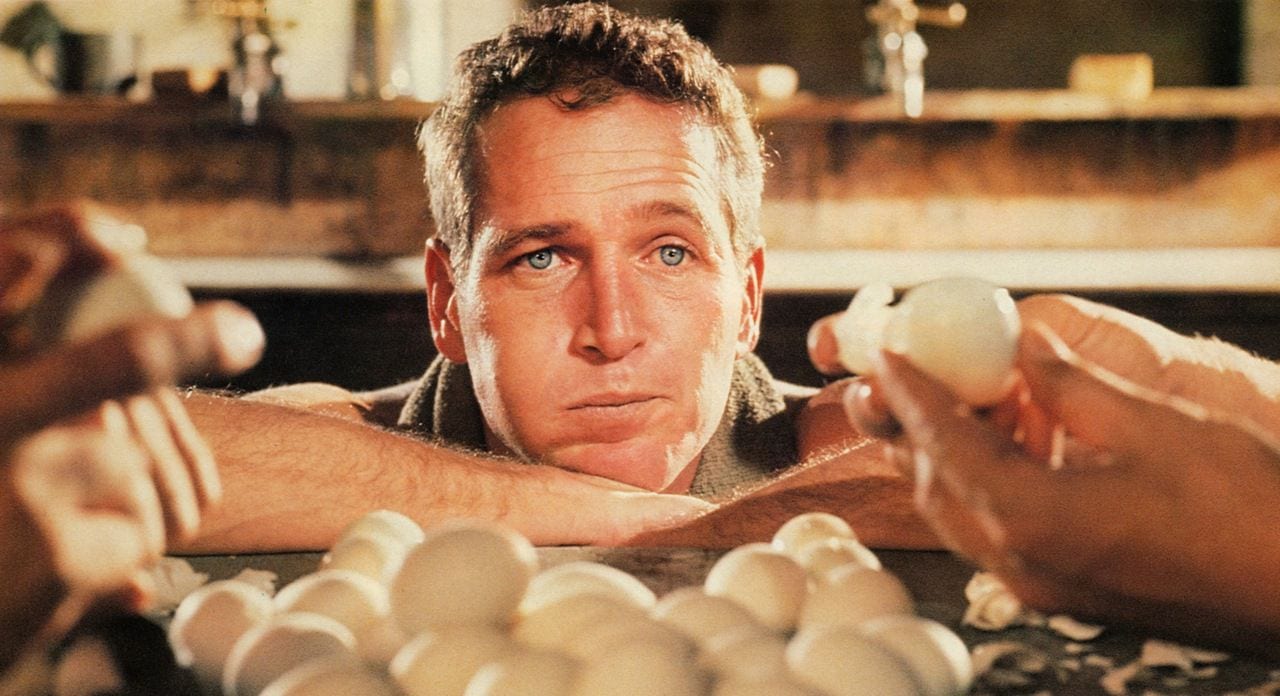
Cool Hand Luke’s showbiz gloss is too dressed up for Easter Sunday to make Good Friday as punishing as it needs to be.

The slick gospel of Cool Hand Luke is delivered with star sheen and ensemble luster in this middling package.

The Archers’ reliable eye for actors pays dividends in the large cast.
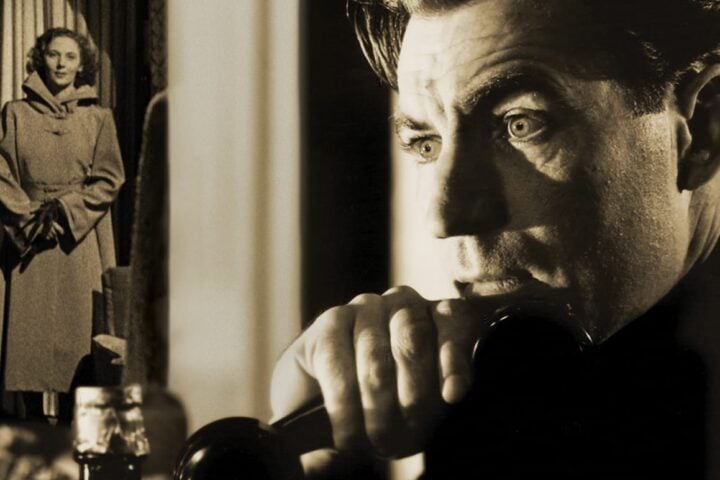
The film should rise from overlooked status with this devotedly attentive release.
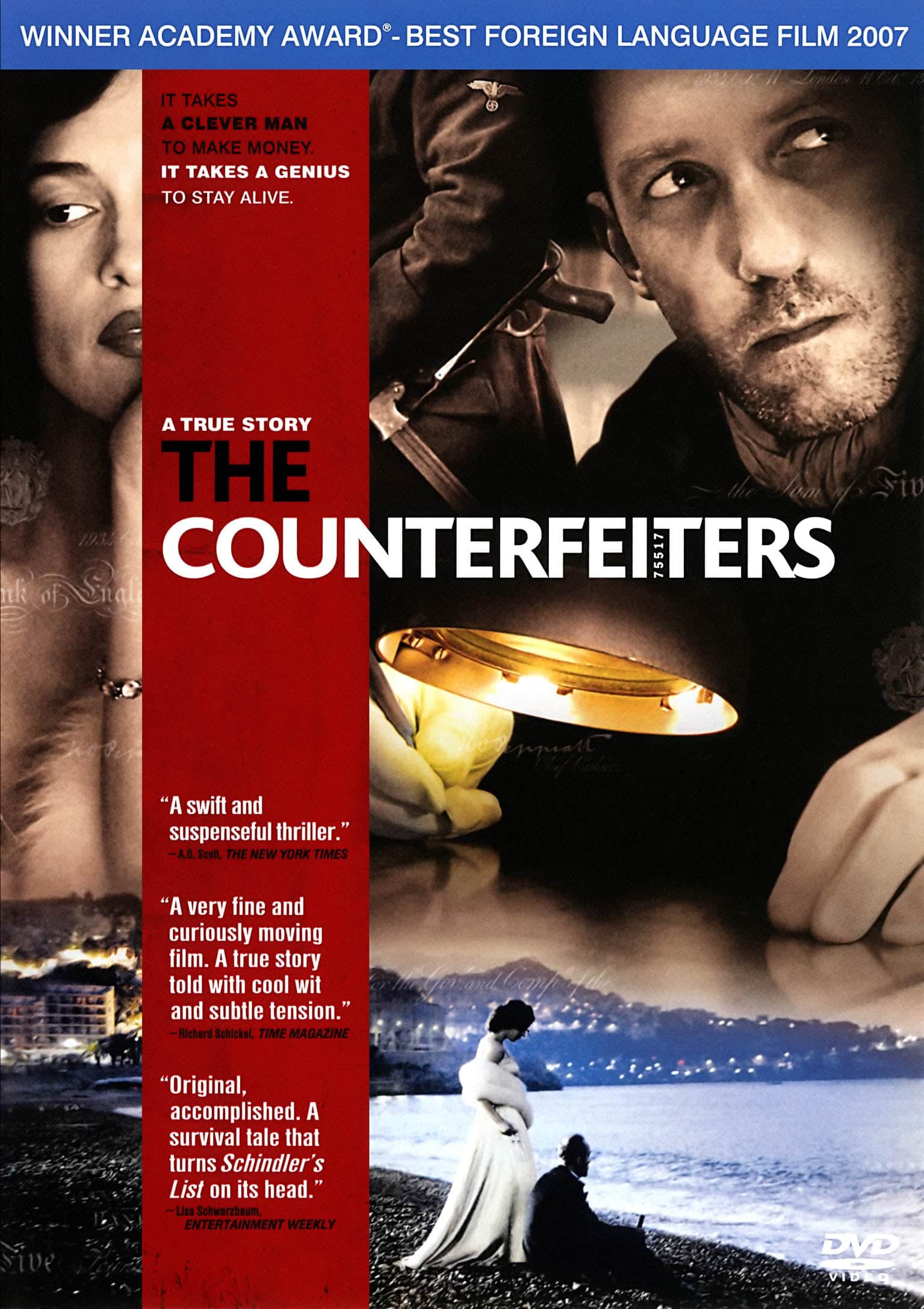
The image and sound, like the hearty collection of extras, are fit for an Oscar-winner.

Swing Vote is as tired as its stunt of casting a dozen cable-news blowhards as themselves.

Privilege had the jump on Easy Rider in telling a generation that they were going to blow it.

The film is a commercially alienating satire of state, faith, and pop whose transgressions can be best understood in the context of its era.

The bare-bones treatment doesn’t make this representative selection from a major auteur’s sober, elegiac vision of late 20th-century French life any less valuable.

Throughout, Leesong Hee-il seasons the familiar hokeyness with some flair.

Despite Hulot’s inefficiency at getting the show on the road, Trafic is an essential work from one of the movies’ great comedy stylists.

Trafic serves as a scaled-down but inescapably fitting companion piece to its predecessor, the monumental Playtime.

Stop-Loss is as much about the war in Iraq as it is about making movies-and like its kin, it isn’t any good.

The travails of Sami Al-Arian make for a Kafkaesque example of the Bush administration’s post-9/11 detention policies.
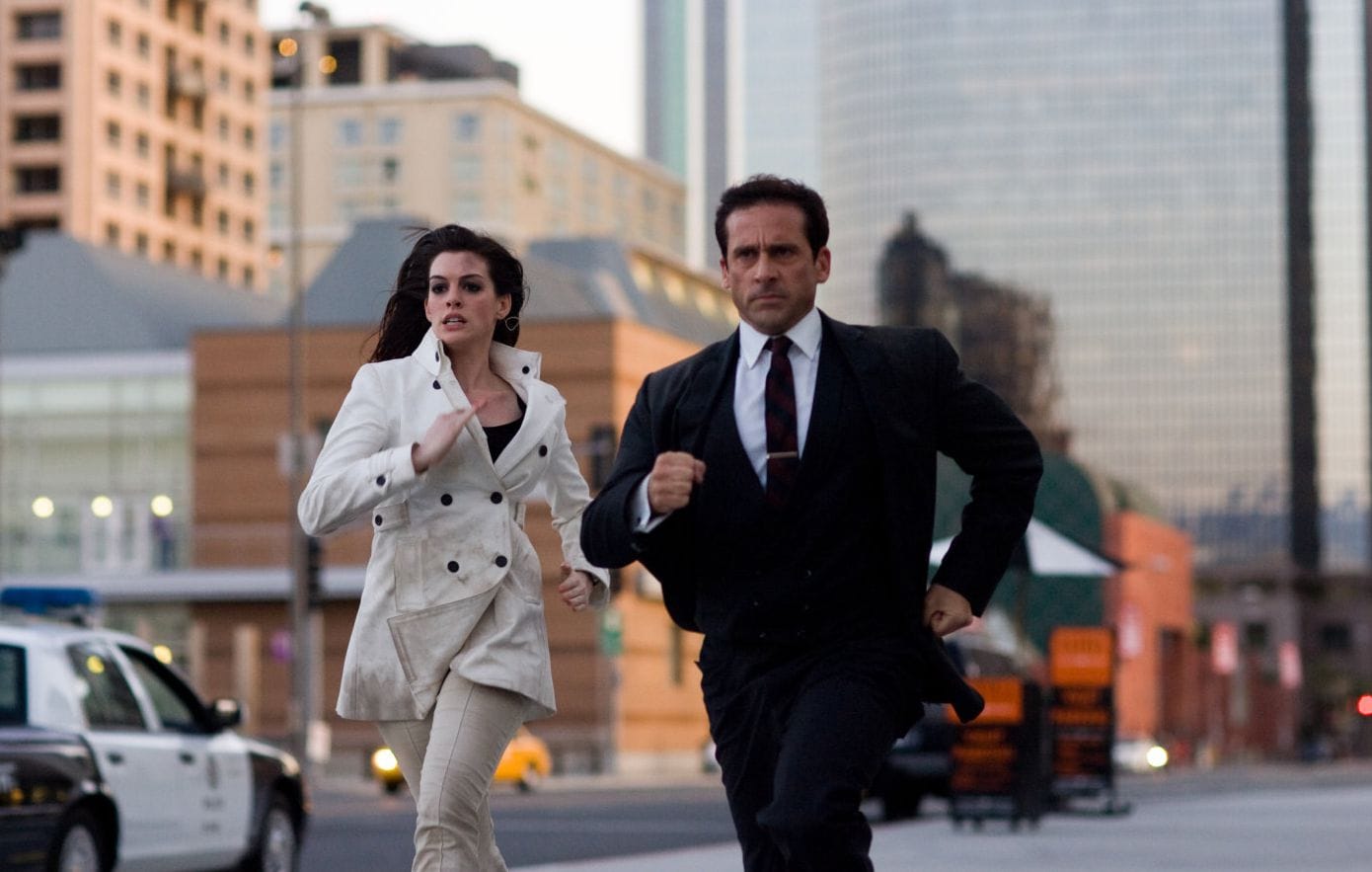
Most of the action-movie stuff, particularly an endless plane-and-car chase climax, is astoundingly played straight.
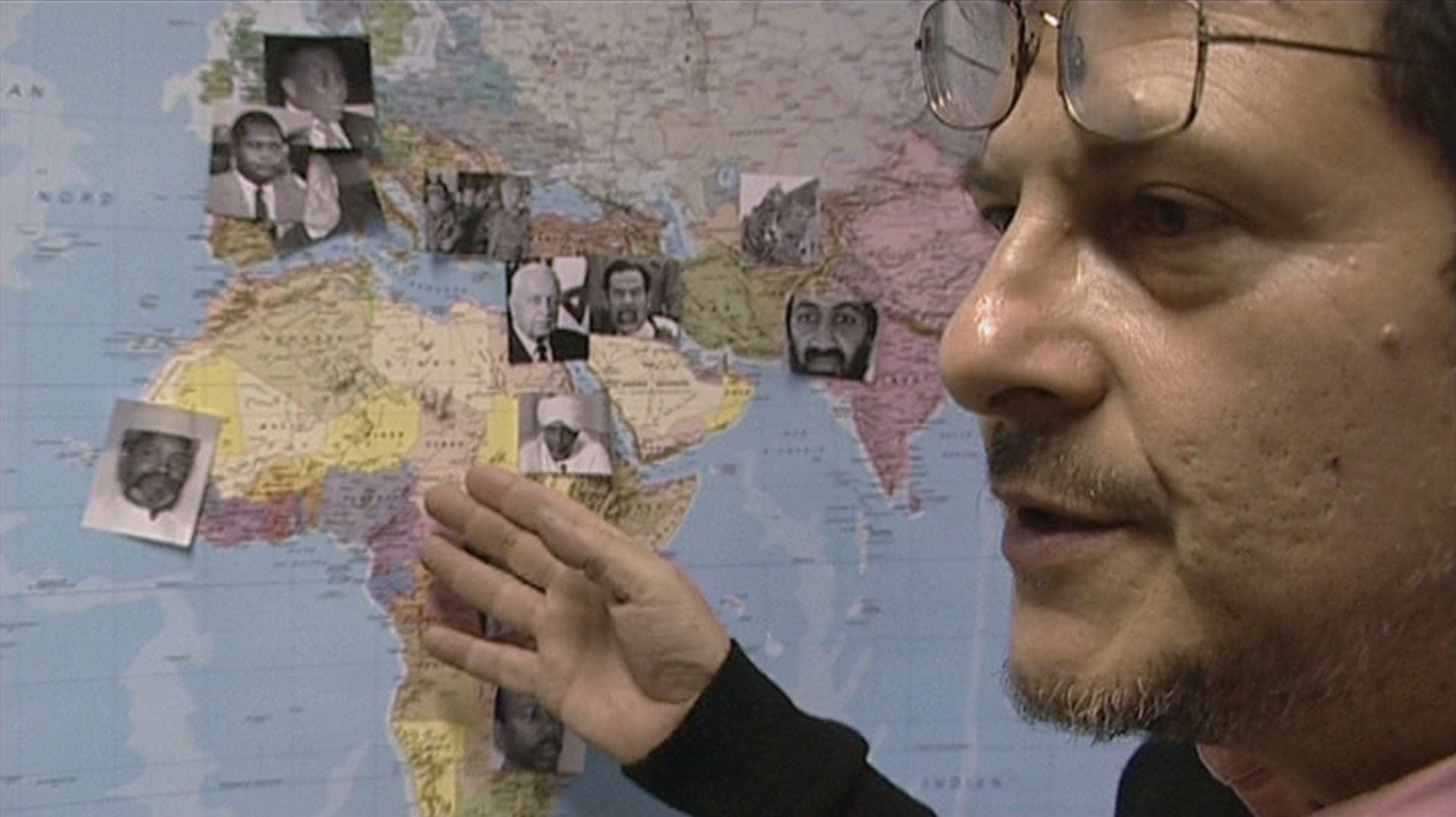
The Human Rights Watch fest profiles one of the organization’s own in The Dictator Hunter.

The ’ story, despite the anthemic folk-tune trimmings, has the heft of a quest for dignity and self-preservation.

Beneath the meditative procession of sites, John Gianvito layers an anxiety built into most viewers’ gaps in 17th-to-20th-century U.S. history.
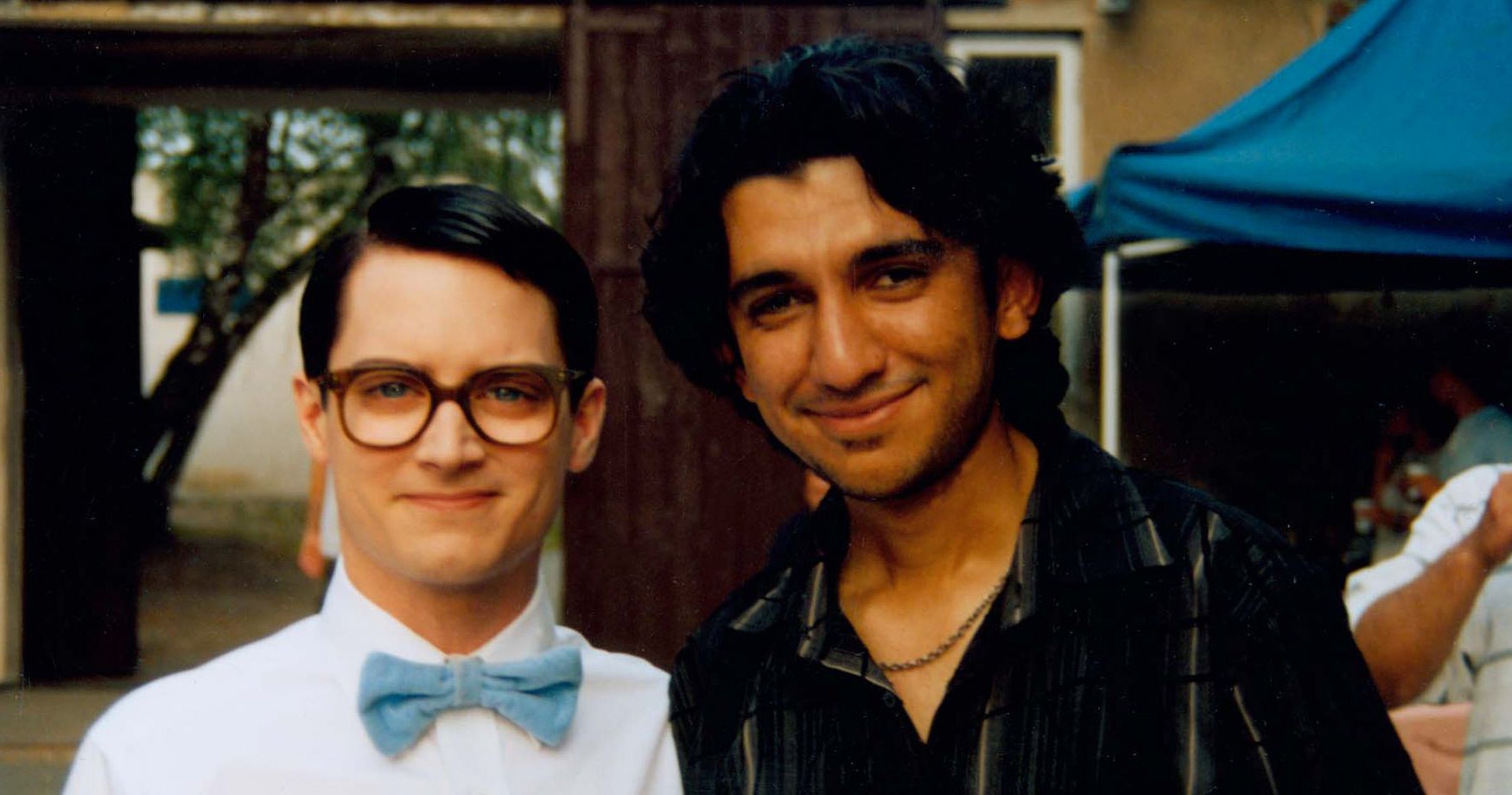
The film occasionally verges on damning its subject for being a cagey, arrogant, single-minded narcissist, but hey, that’s showbiz.