The album sees the singer-songwriter moving in a different direction.

The album sees the singer-songwriter moving in a different direction.
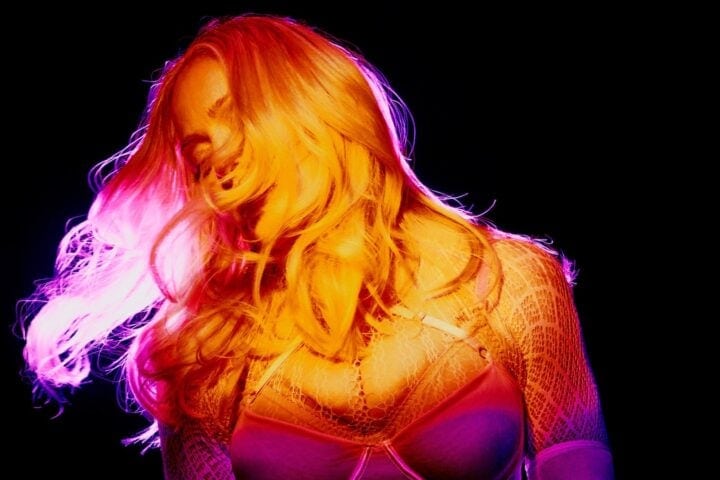
We weren’t sure if Madonna could surprise us anymore. Until she did.
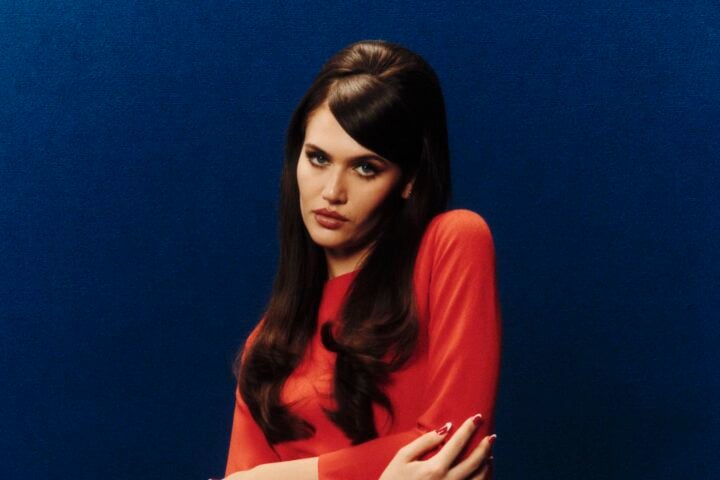
The album sounds beamed in from an earlier decade, but it runs deeper than nostalgia.
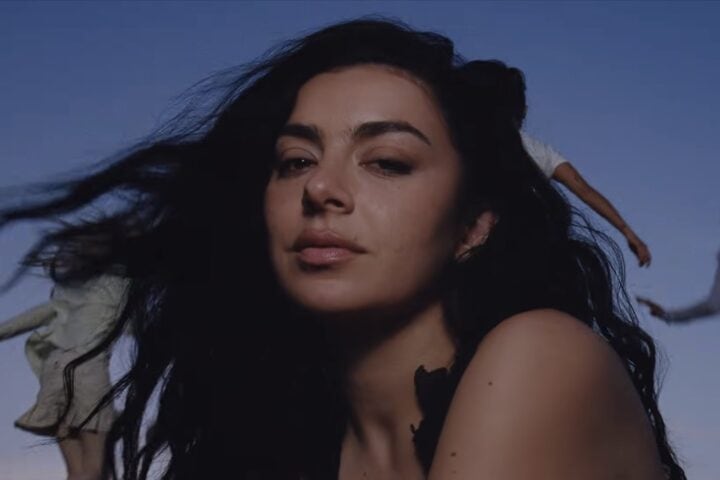
The track is a bustling pop-rock song bolstered by a clangy guitar riff and searing synth line.
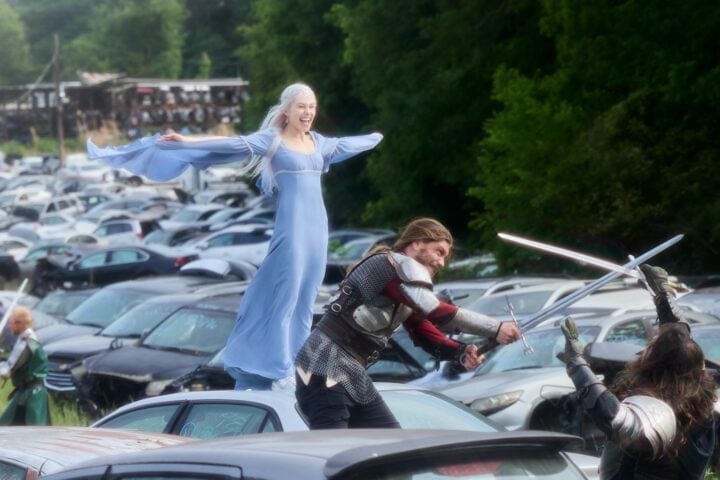
The new song serves as the lead single from the singer’s third studio album, Lost Weekend.

These are the 25 albums that we just can’t stop listening to.
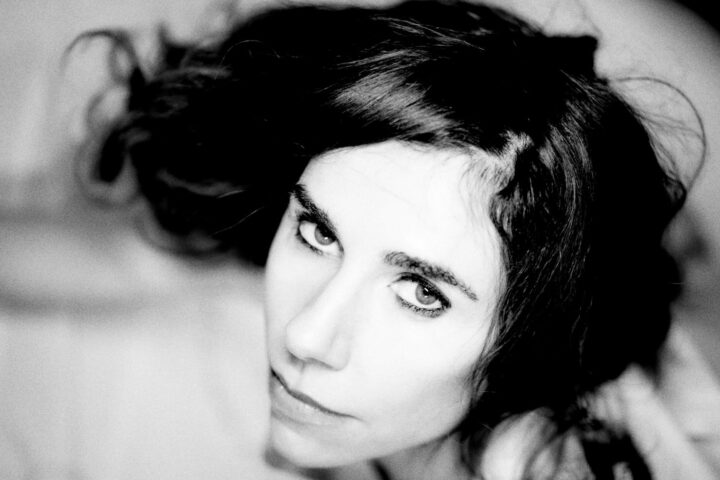
The track expands the singer’s sonic palette with oscillating synths and sweeping strings.
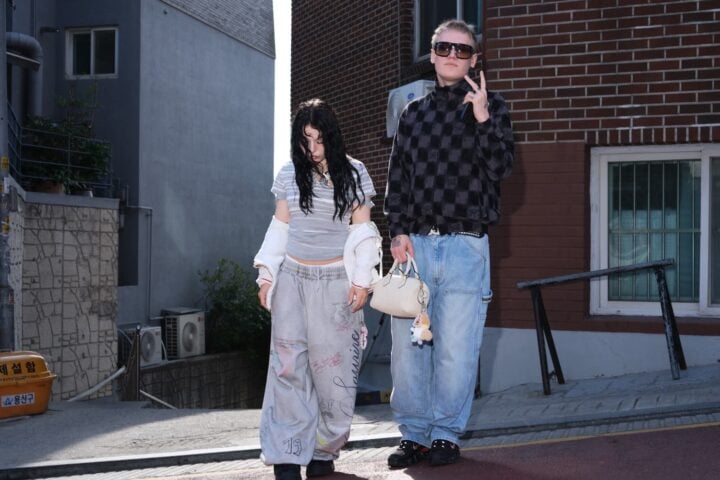
The album is acrid, elegiac, affecting, and a little ridiculous.
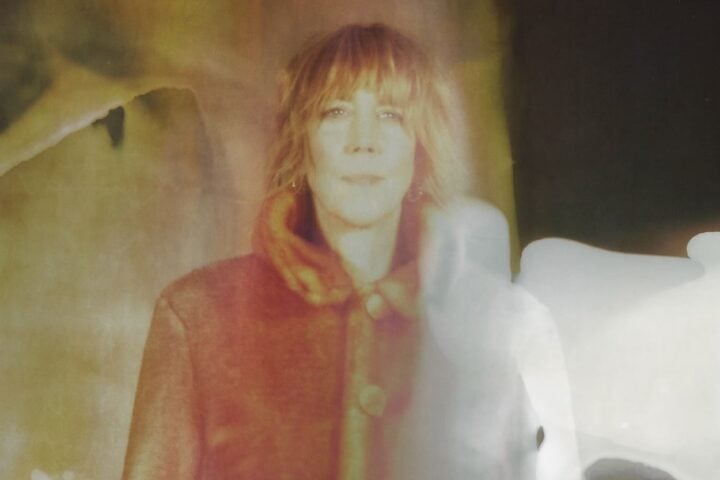
Most of the album proceeds unhurriedly, both immersive and atmospheric.
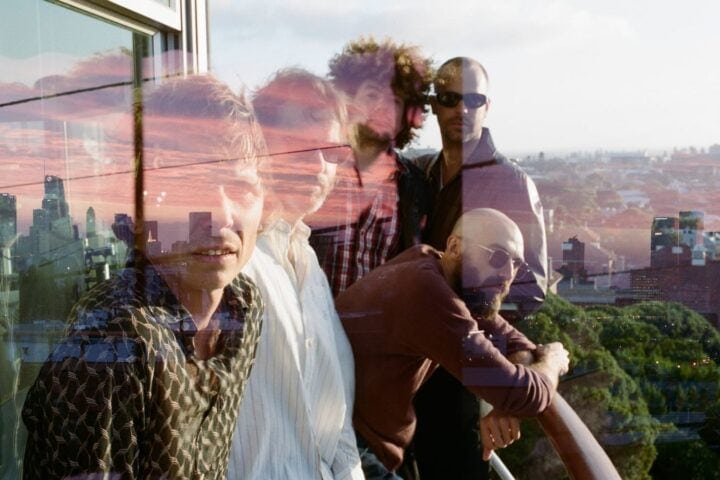
Australia’s psych-rock jesters fend off ecological doom with cosmic fury.

The album sees the singer taking her skillset to a new level.
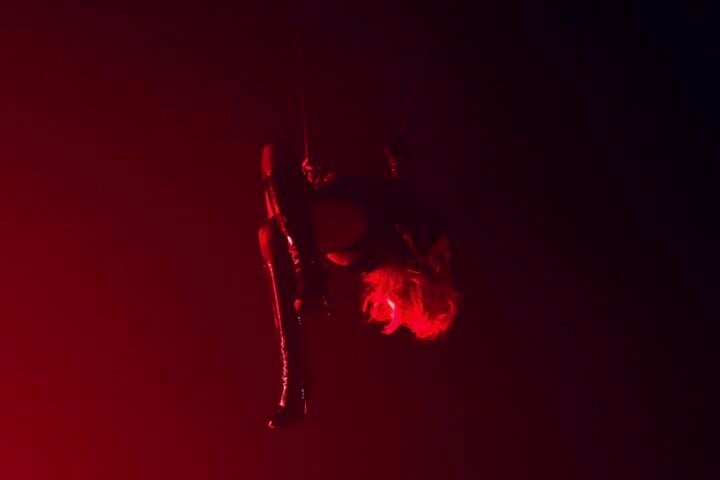
The star-studded “cinematic experience” made its debut at Tribeca Film Festival last week.
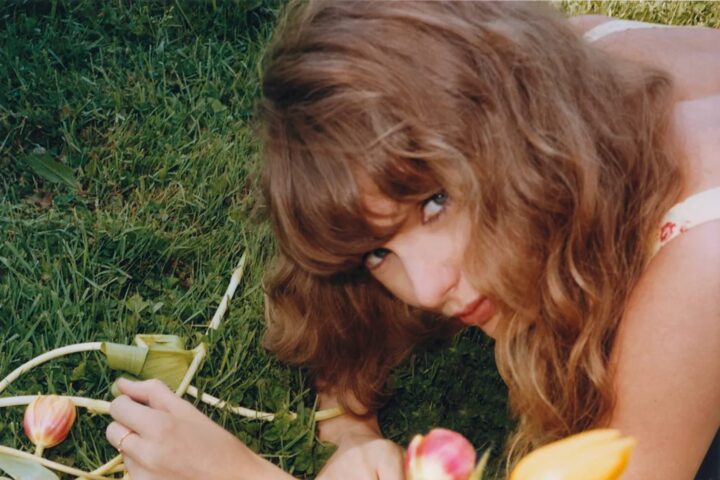
The song marks the singer’s return to the country music genre.
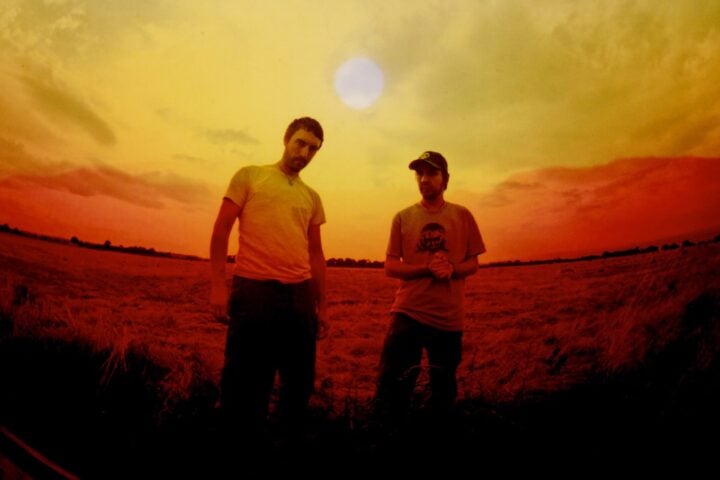
Though the album is consistent in its moody menace, it charts too-familiar territory.
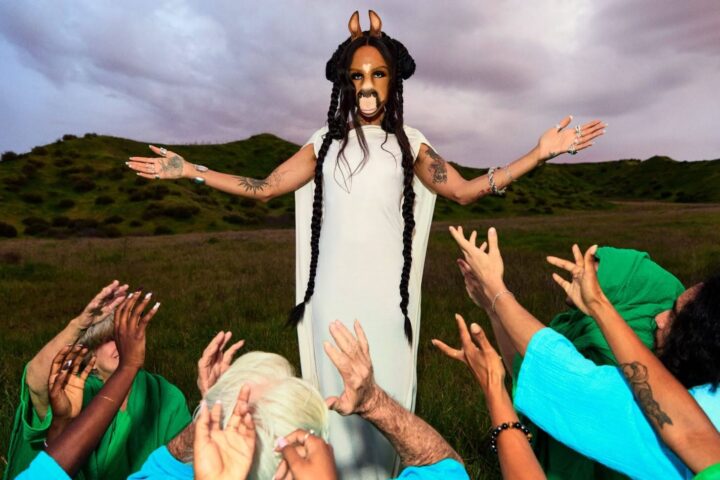
The album is a deliriously silly, sneakily sturdy blast of Euro-rave pop.
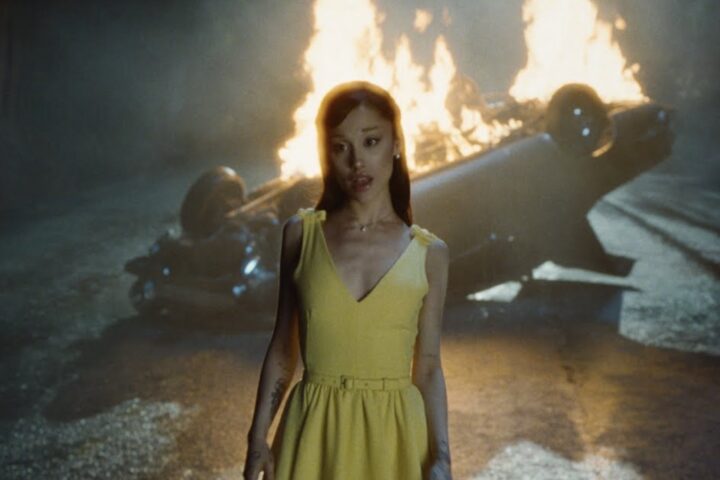
The clip was directed by Christian Breslauer and shot by Janusz Kamiński.
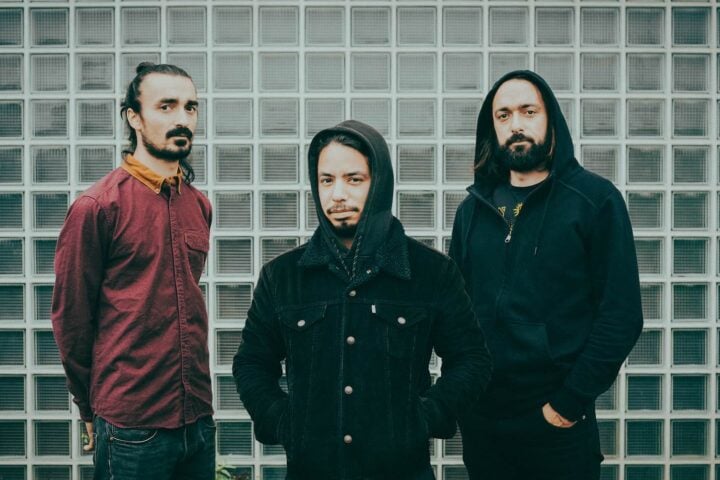
The album’s harrowing anger gestures toward the reality of our troubled moment.