
The Tribeca Film Festival has been making headlines for its embrace of a fully A.I.-generated feature film, Dream of Violets. At a pivotal inflection point both for film festivals and Hollywood at large, many view the inclusion of the Iranian docudrama, and the festival’s insistence on doubling down on its decision, as tone deaf. But it’s also arguably a savvy bit of media manipulation: If not for the controversy, would anyone even be talking about Tribeca, which, like many festivals, has struggled to remain relevant in an industry in flux?
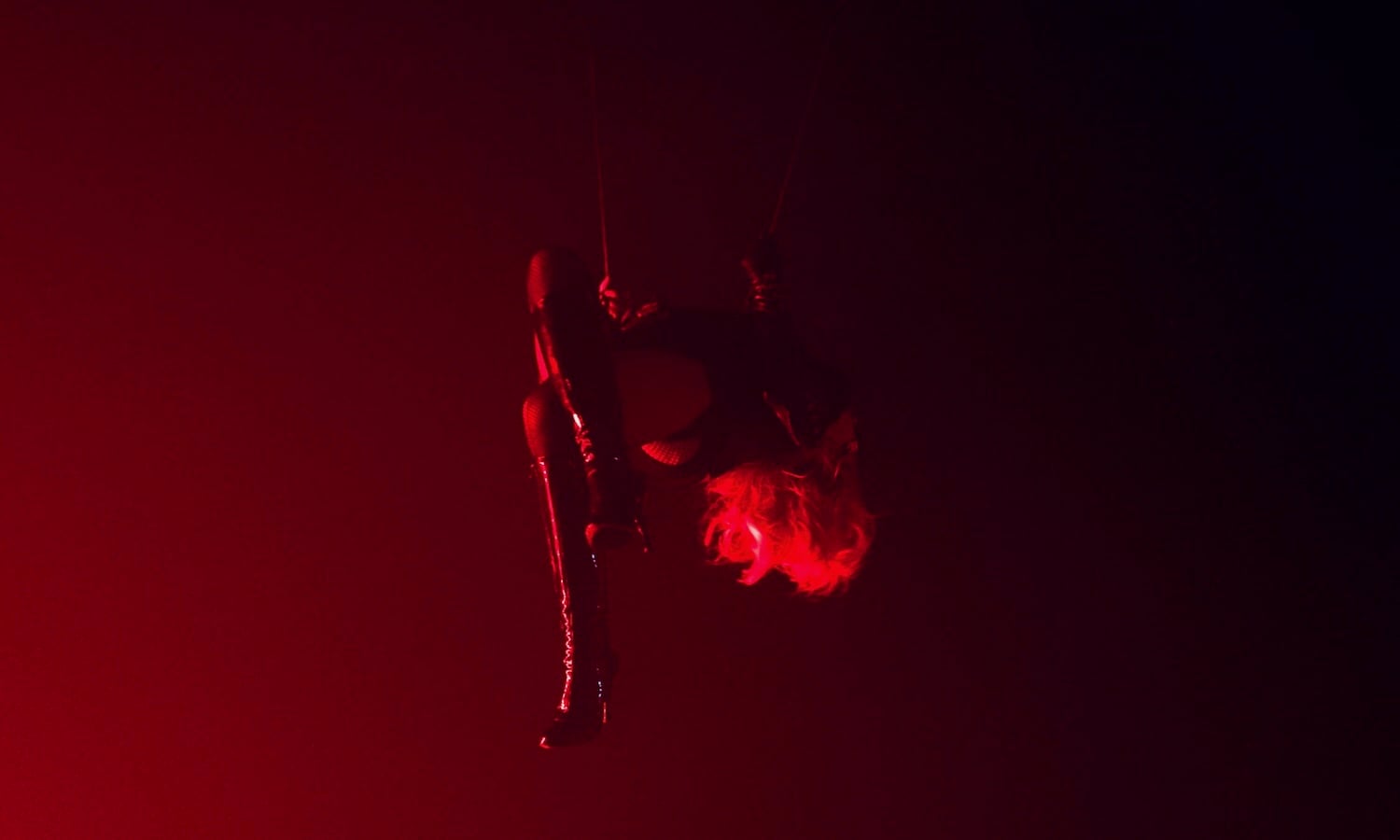
No stranger to spinning controversy into PR manna, Madonna premiered an immersive “cinematic presentation” for her upcoming album Confessions II, due July 3, at Tribeca on Friday night. The singer has always been at the cutting edge of the latest trends and innovations, and while it’s clear that the effects- and stunts-laden film employs the much-maligned digital technology at certain moments during its nearly 14-minute runtime, it also features appearances by notable humans Benedict Cumberbatch, Gwendoline Christie, and Odessa A’zion, among others.
Directed by Torso—filmmaker duo David Toro and Solomon Chase—“Confessions II – The Film” is a phantasmagoric disco dream that nods to the mythology surrounding Madonna’s rise to fame in post-Warhol New York City, following the queen of pop as she’s pursued by a gang of masked, camera-toting vamps—stand-ins for the paparazzi who’ve hounded her for decades. Scored to six songs from the new album, the film blurs the line between fantasy and reality. “Everything begins with consciousness,” Madonna declares early on, a reversal of the hook from 1994’s “Bedtime Story”: “Let’s get unconscious, honey.”
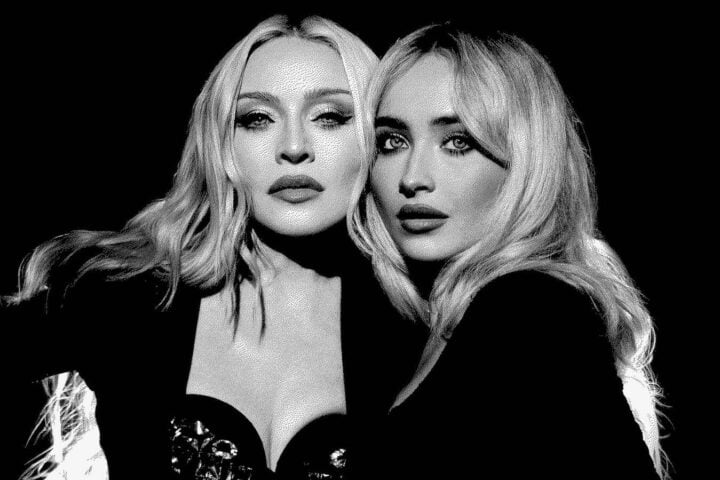
The surrealistic images here are much easier to decipher than the ones in Mark Romanek’s video for the earlier song. Laser beams shoot out of body orifices, crowds of sweaty dance-floor revelers are juxtaposed with the roving paps, and the presence of Julia Garner (who’s been hand-tapped to portray Madonna in a long-gestating biopic) and Sabrina Carpenter (who appears on the album’s lead single, “Bring Your Love”) could easily be interpreted as a passing of the torch.
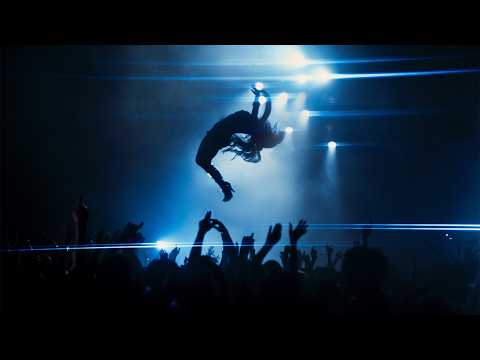
Nods to Madonna’s life and work abound, including sonic or visual references to “Lucky Star,” “Into the Groove,” “Deeper and Deeper,” and “Hung Up.” The segment for the new song “Danceteria”—the title of which references the Manhattan nightclub where Madonna befriended Debi Mazar, who appears in the film—is particularly loaded with Easter eggs and cameos: When Madonna mentions cocaine, the camera hilariously cuts to Kate Moss doing a hair-flip in the restroom mirror of the club.
By the time the song titles flash on screen, “Confessions II – The Film” starts to feel like little more than a highlight reel for the album, which is exactly what music videos were originally conceived to be. Madonna helped revolutionize the format during MTV’s nascent years, wielding it not just a marketing tool but an extension of the music itself. But interest in conventional videos has dwindled in recent years in favor of 30-second TikTok reels—even Taylor Swift’s latest video has only amassed six million views on YouTube in two months—so while each of the segments in “Confessions II – The Film” would make for a dazzling standalone video, Madonna seems to be asking, why bother anymore?
Since 2001, we've brought you uncompromising, candid takes on the world of film, music, television, video games, theater, and more. Independently owned and operated publications like Slant have been hit hard in recent years, but we’re committed to keeping our content free and accessible—meaning no paywalls or fees.
If you like what we do, please consider subscribing to our Patreon or making a donation.


You have got to be kidding me. She releases a masterpiece and all you get out of it is a marketing tool? Gurl, bye. This is Slant Magazine not the New Yorker. Get with it, Queen.