In places, McDonagh’s follow-up to In Bruges evokes Charlie Kaufmann’s more methodically thought-through structuralist exercises.
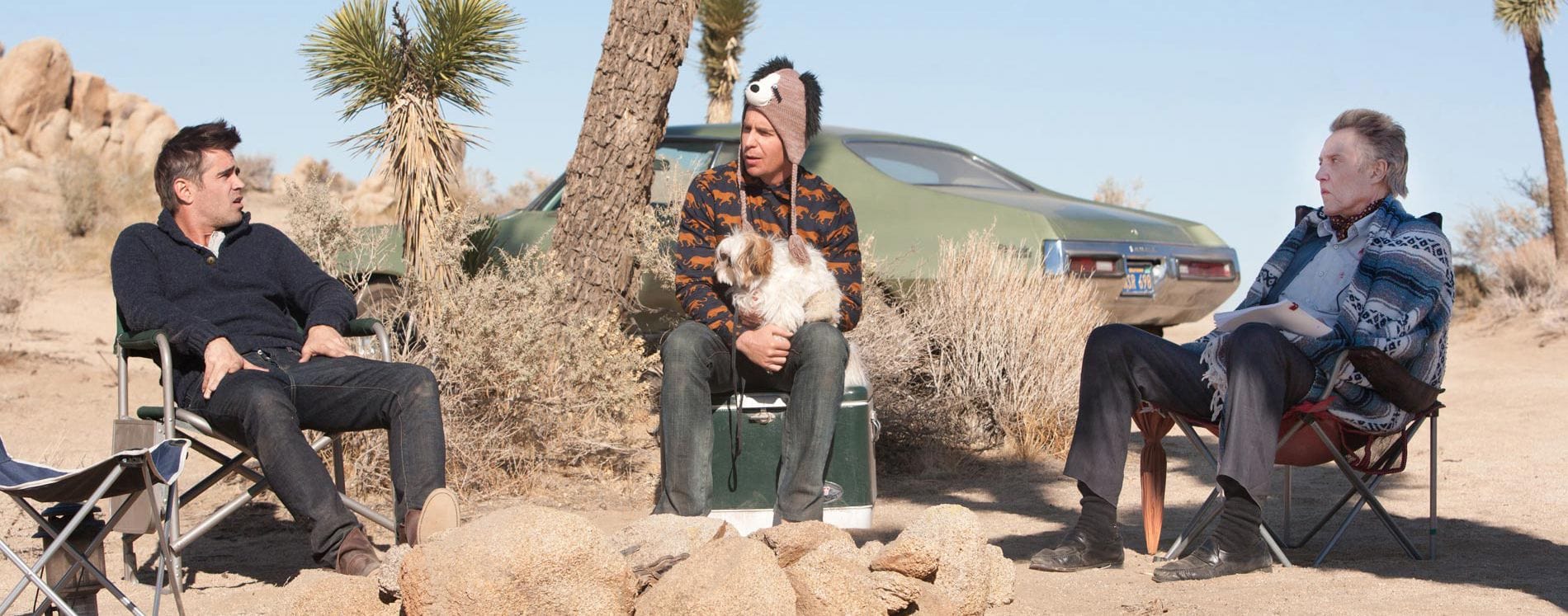

In places, McDonagh’s follow-up to In Bruges evokes Charlie Kaufmann’s more methodically thought-through structuralist exercises.

No, it’s not just you.

How do you distinguish a movie that’s one of the greatest of all time from one of your all-time favorites?

From a child murderer to a furry monster to two more Stone creations, they comprise a choice selection of scoundrels.

While Garry Ross’s efforts are quite commendable, there’s little that seems to boast a unique directorial stamp.

Game Change lives in the reaction shot: in capturing the eyes of mute staffers on the sidelines witnessing the clashes of personality.

It should come as no surprise that Game Change essentially unfolds as a backstage drama lightly peppered with some forgettable inside baseball.

Michael Fassbender appeared in almost as many movies this year as Oldman has throughout his career.

If Robert Altman had made a cop drama, it might have looked and sounded like Rampart.

Bunraku jumbles together elements with a self-consciousness that’s as turgid as its story proper.

Let’s dispense with the central question posed by Friends with Benefits right away.
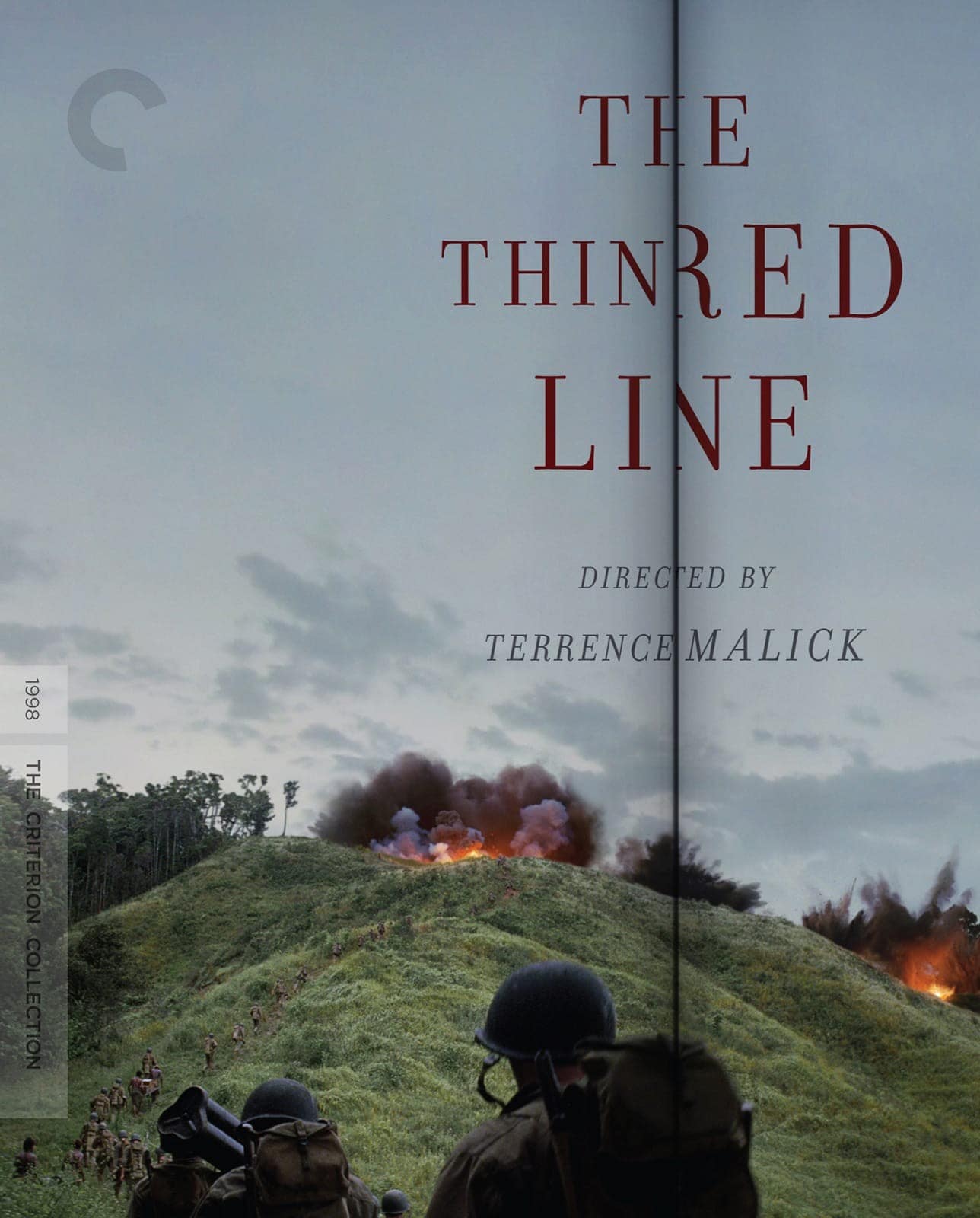
Director Terrence Malick recommends that The Thin Red Line be played loud.

Sometimes the key to an actor’s successful Oscar campaign is to let the performance speak entirely for itself.

Stanley Tucci’s two high-profile performances should have equaled one easy nomination.
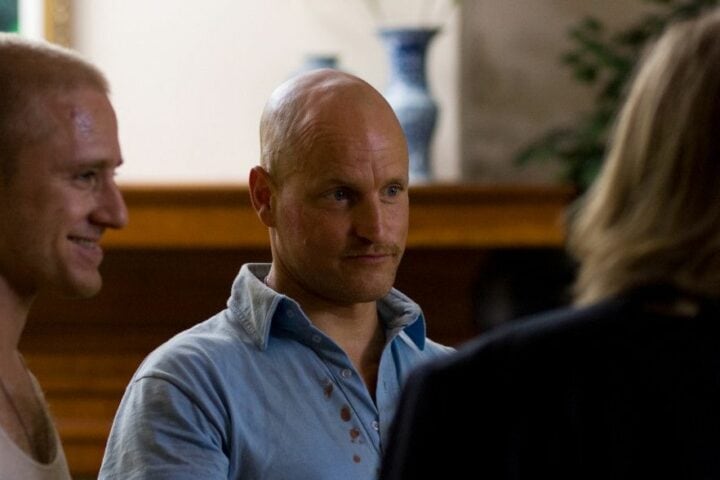
The cumulative effect of these episodes is undoubtedly a searing reminder of the most inevitable outcome of war.

2012 could be about any disaster, rendering moot the half-baked proclamations of the Mayan calendar that are so central to the film.

A solid DVD release of a terrible, terrible movie.

The film is a nasty, soulless celebration of everything cool and romantic about violence.

Call it Land of the Dull.
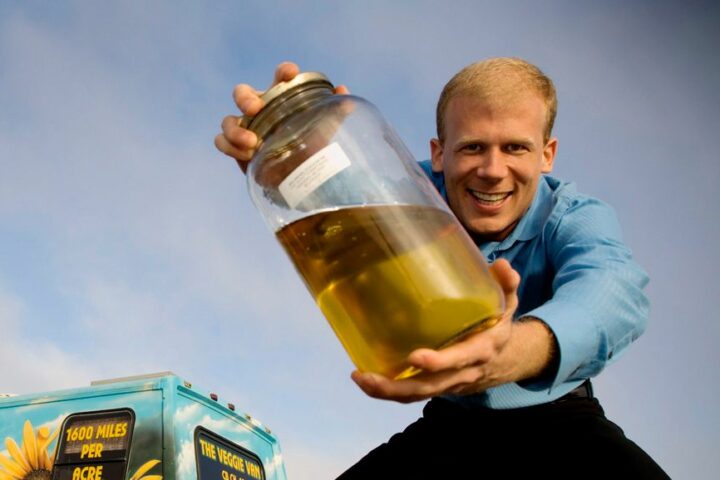
As in publishing, the alarmist polemic has become its own documentary subgenre, and Fuel is merely its latest entrant.