So to help us fight lame, we’ve got Grady Hendrix, he of the multi-headed New York Asian Film Festival hydra.


So to help us fight lame, we’ve got Grady Hendrix, he of the multi-headed New York Asian Film Festival hydra.

The softer they come, the softer they fall.

Digging further into the film raises many more questions than it answers.

Annyong Yumika is nothing if not thorough, often amusingly so.

The film may make you wonder how much Gus Van Sant was thinking about Vagabond when he made Last Days.
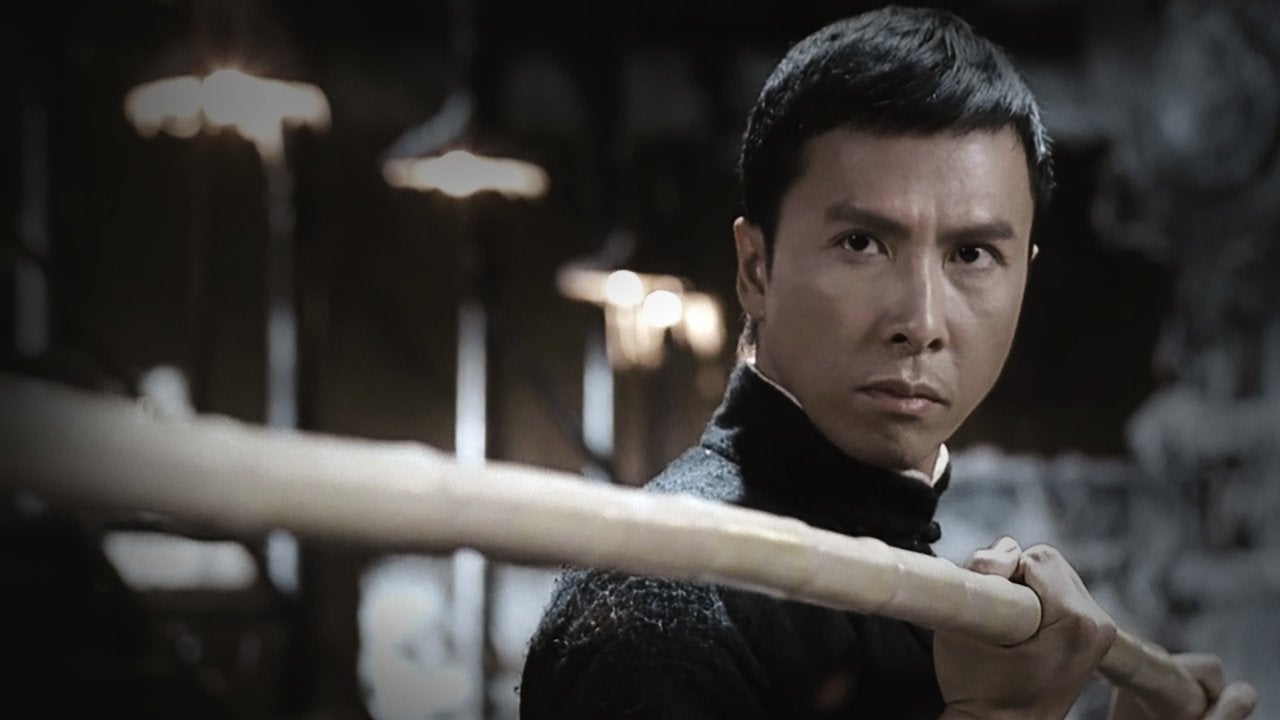
There’s a degree of expectation when it comes to this festival and its assortment of genre-bending films.

What Let It Rain illuminates best are the little pleasures and discomforts of middle-class life.

Whether the system works or not at this point is apparently irrelevant, a concept that totally undermines the film’s premise.

It delivers the message that was missing from the other film from this series that’s playing at the Human Rights Watch festival.
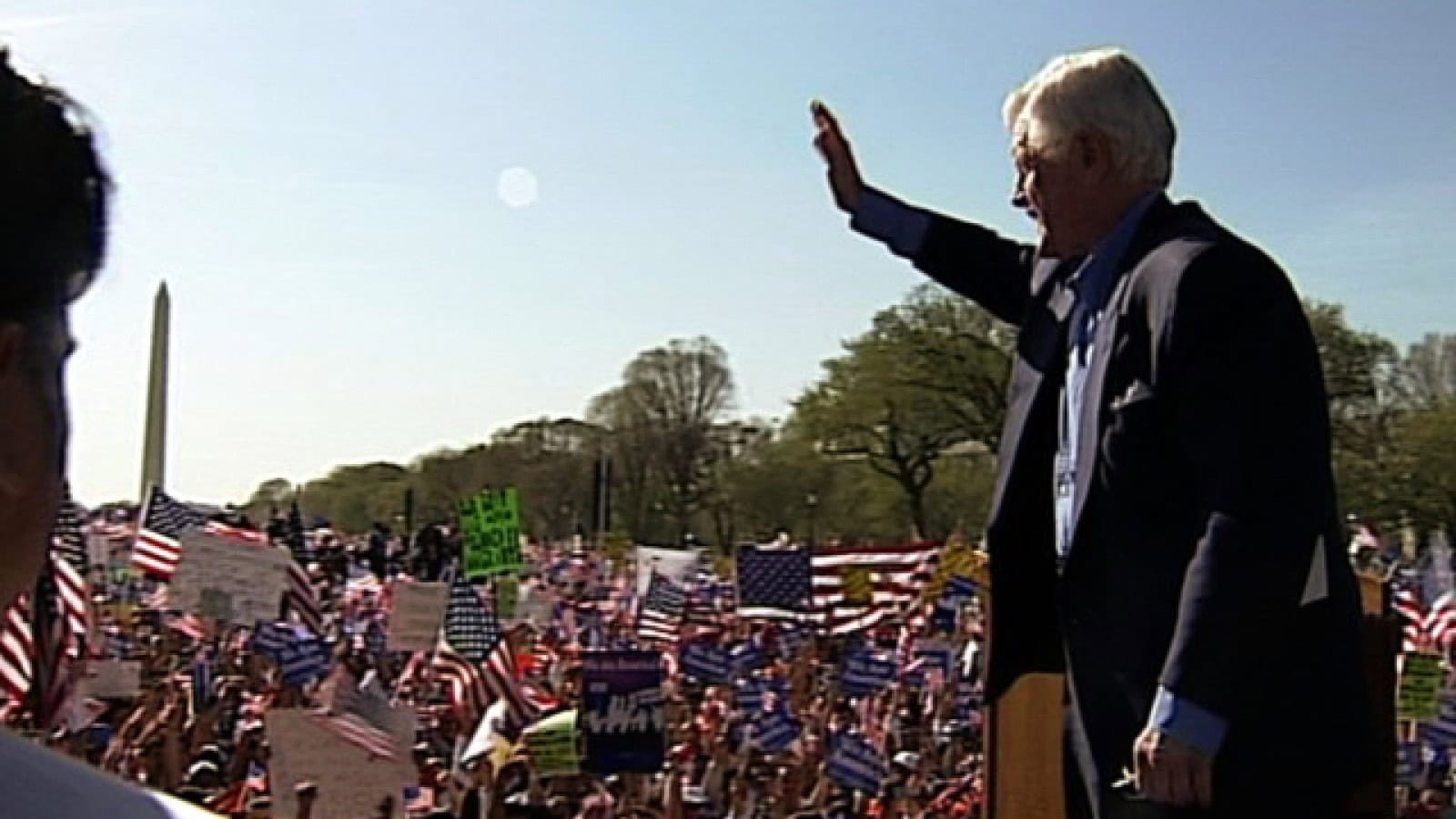
It delivers the message that was missing from the other film from this series that’s playing at the Human Rights Watch festival.
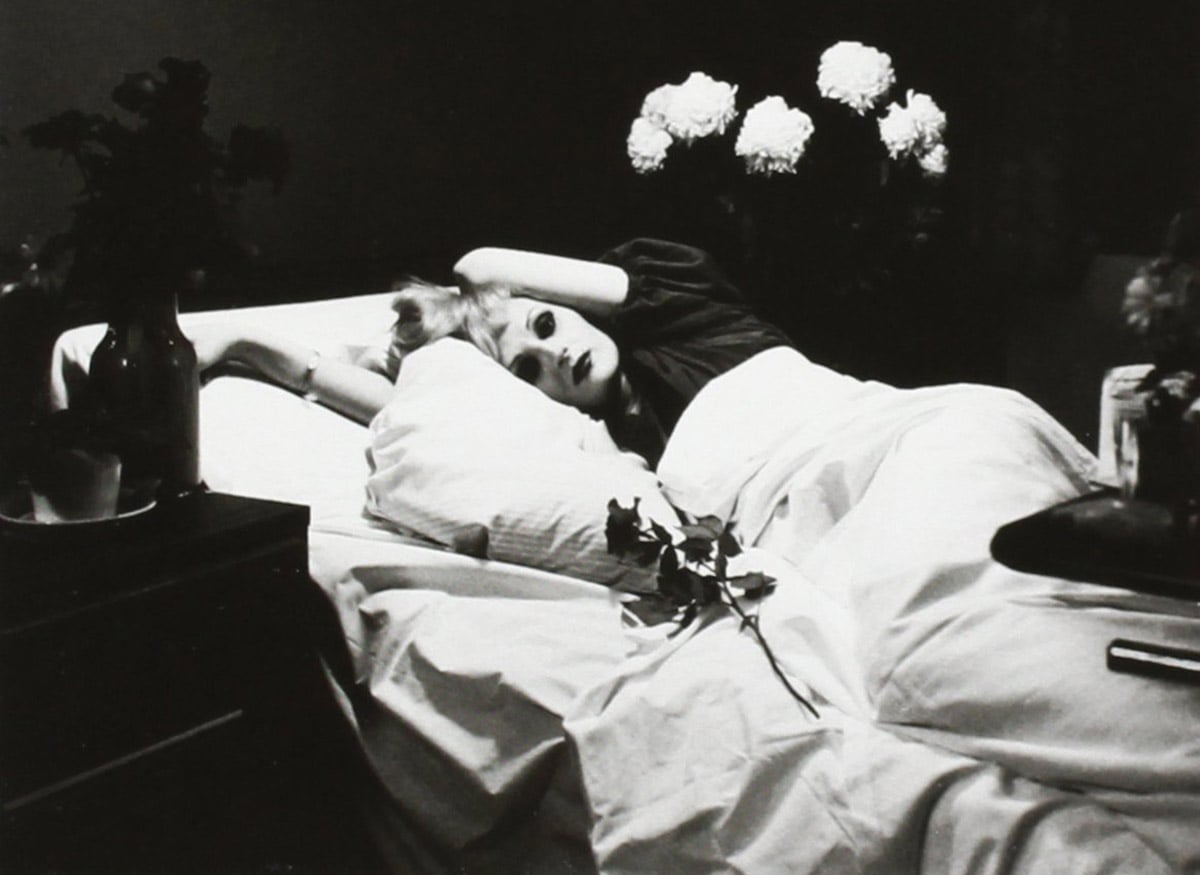
This is an attempt to capture the essence of the past decade in music, as I’ve experienced it.
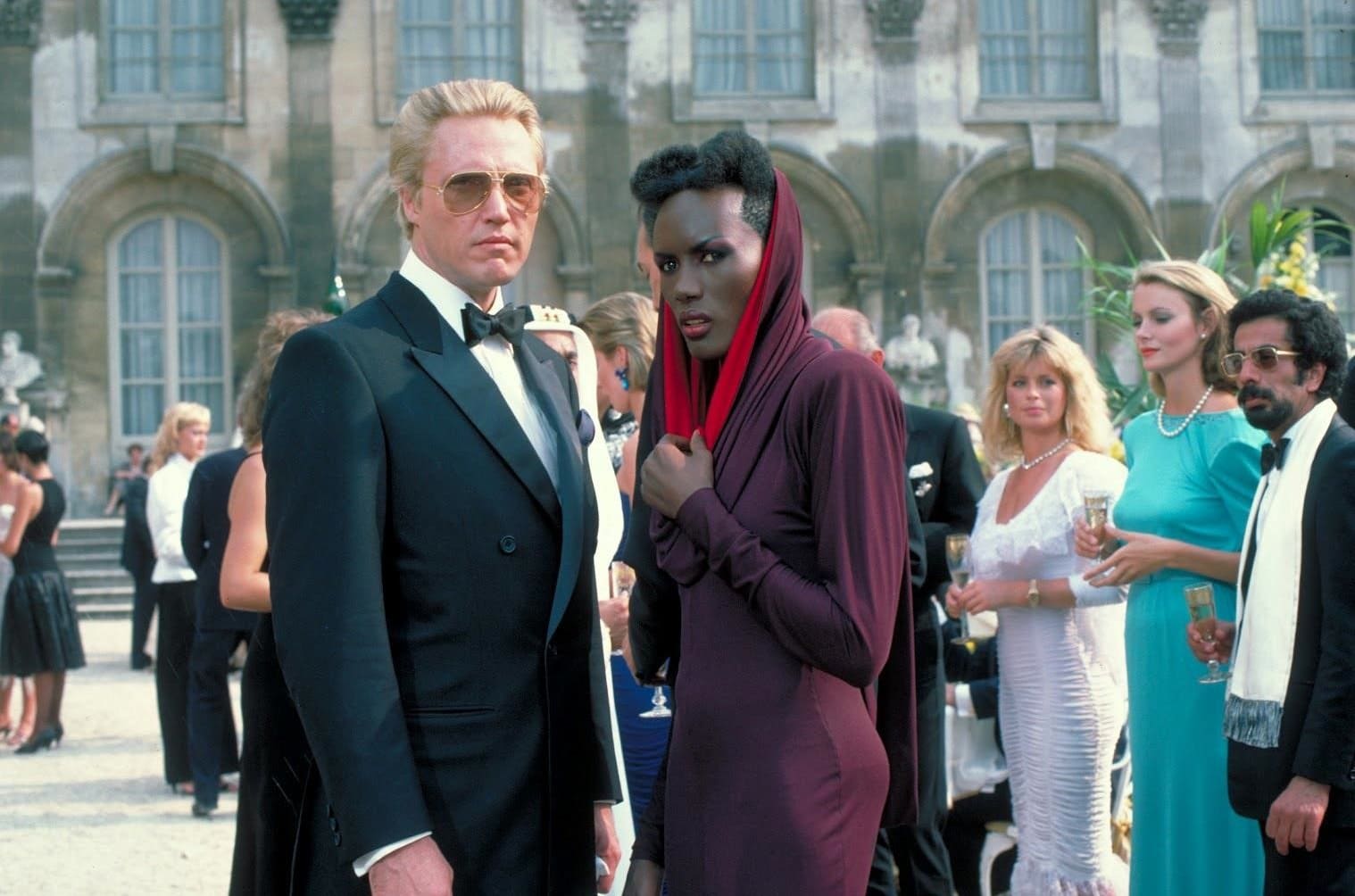
Prior entries had their fair share of dodgy moments. A View to a Kill is a cascade of them, a jumble of half-baked ideas.

We all draw the line somewhere different for movie violence.

The tension between the brain and the fist is kept alive by failure and hopelessness.
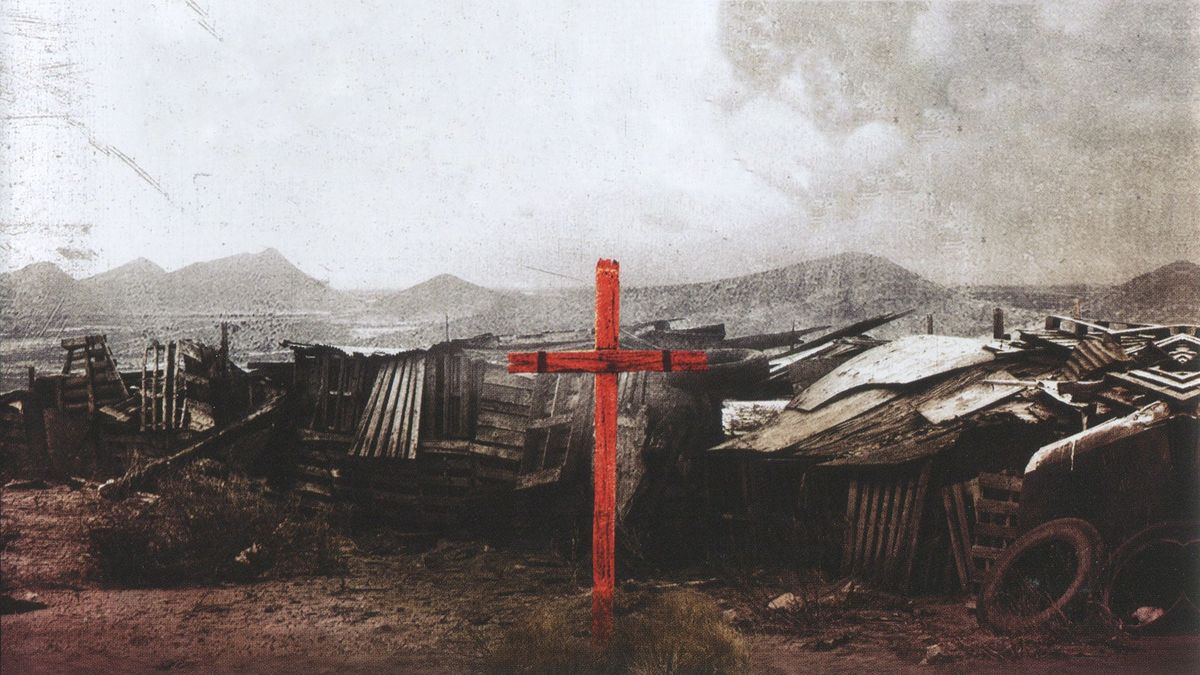
The Mexico of Backyard terrifyingly resembles an American funhouse nightmare of subaltern stereotypes.

The episode shows us that the Silurians and present-day humanity are unable to overcome their seemingly irreconcilable differences.

When two movies open a window onto the same little slice of life, it can change the way you experience both.
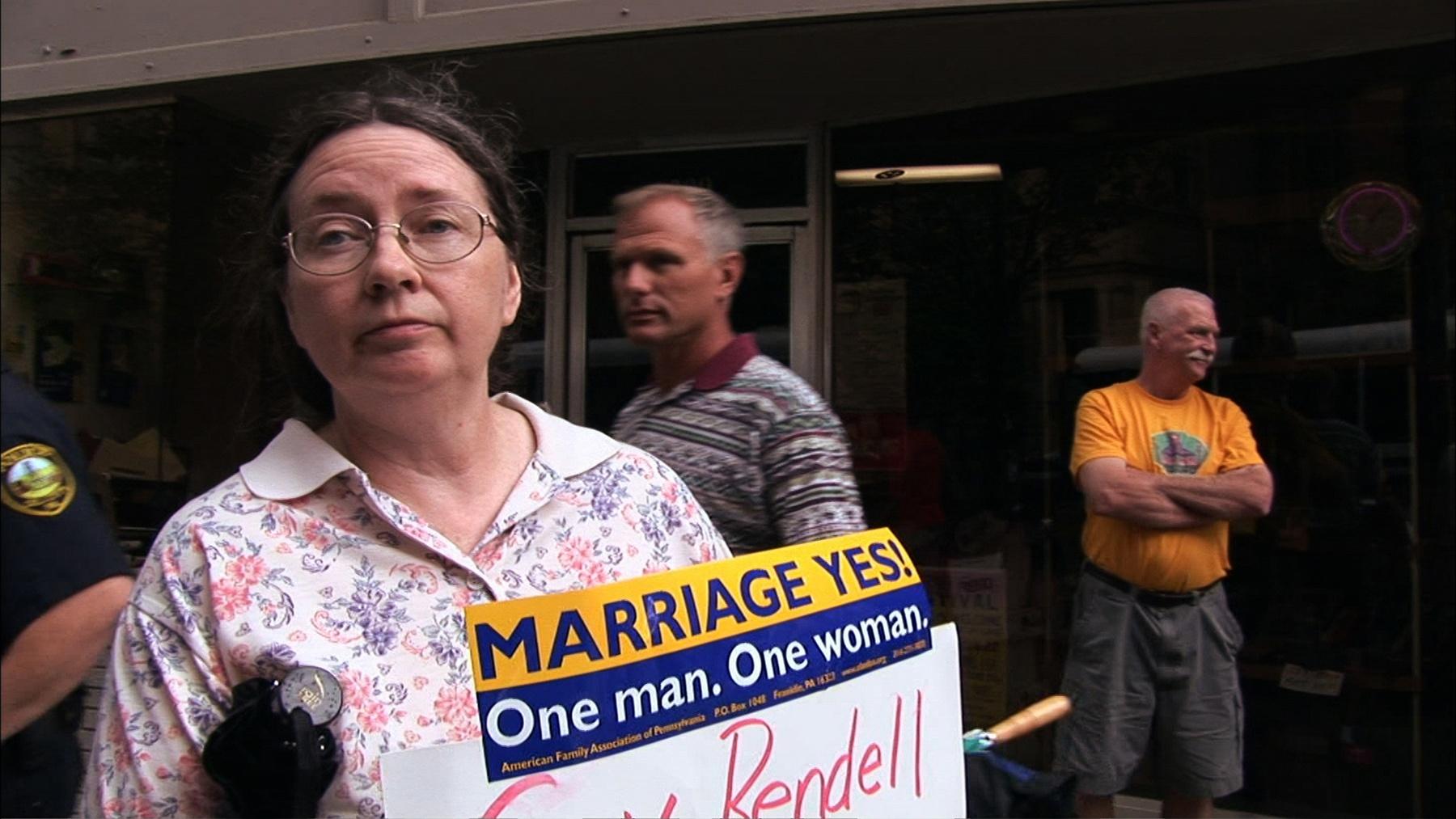
The film is a report from the middle-American front of the battle for LGBT citizens to lead uncloseted lives.

A busier and more densely populated film than either of George Miller’s first two pared-down, souped-up, post-apocalyptic road epics.

Mountains and Clouds is an IV injection of inside-baseball maneuvering for political junkies.