Some long overdue appreciation is due for the best American example of a cinematic tale of the undead from the 1980s.
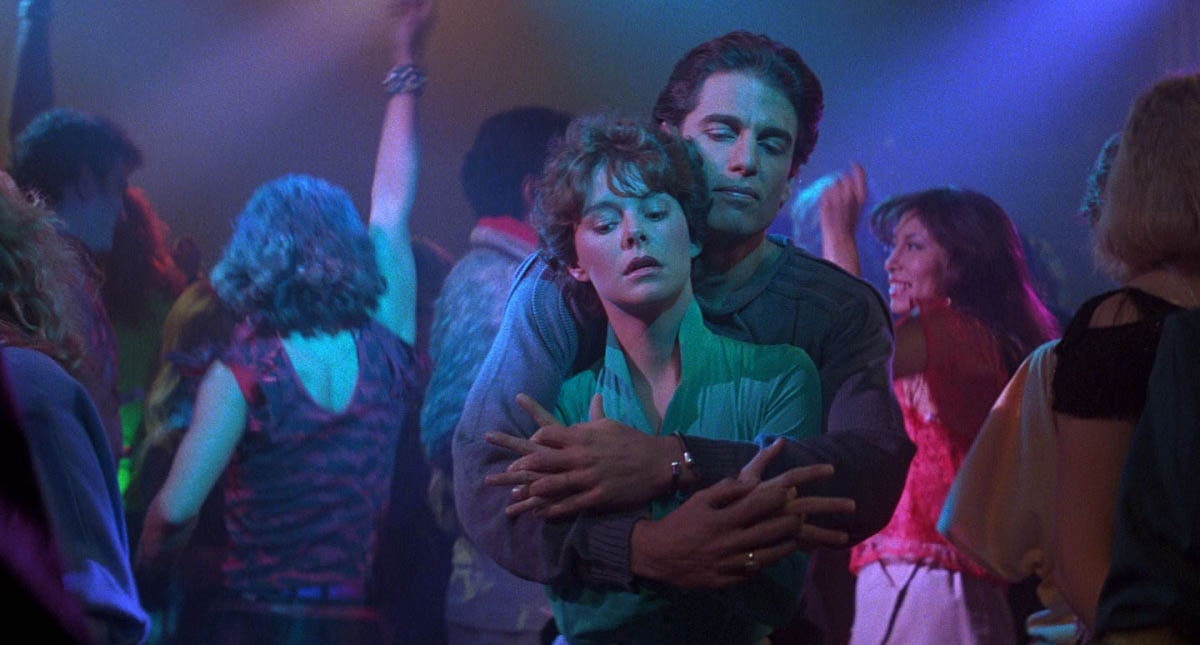

Some long overdue appreciation is due for the best American example of a cinematic tale of the undead from the 1980s.
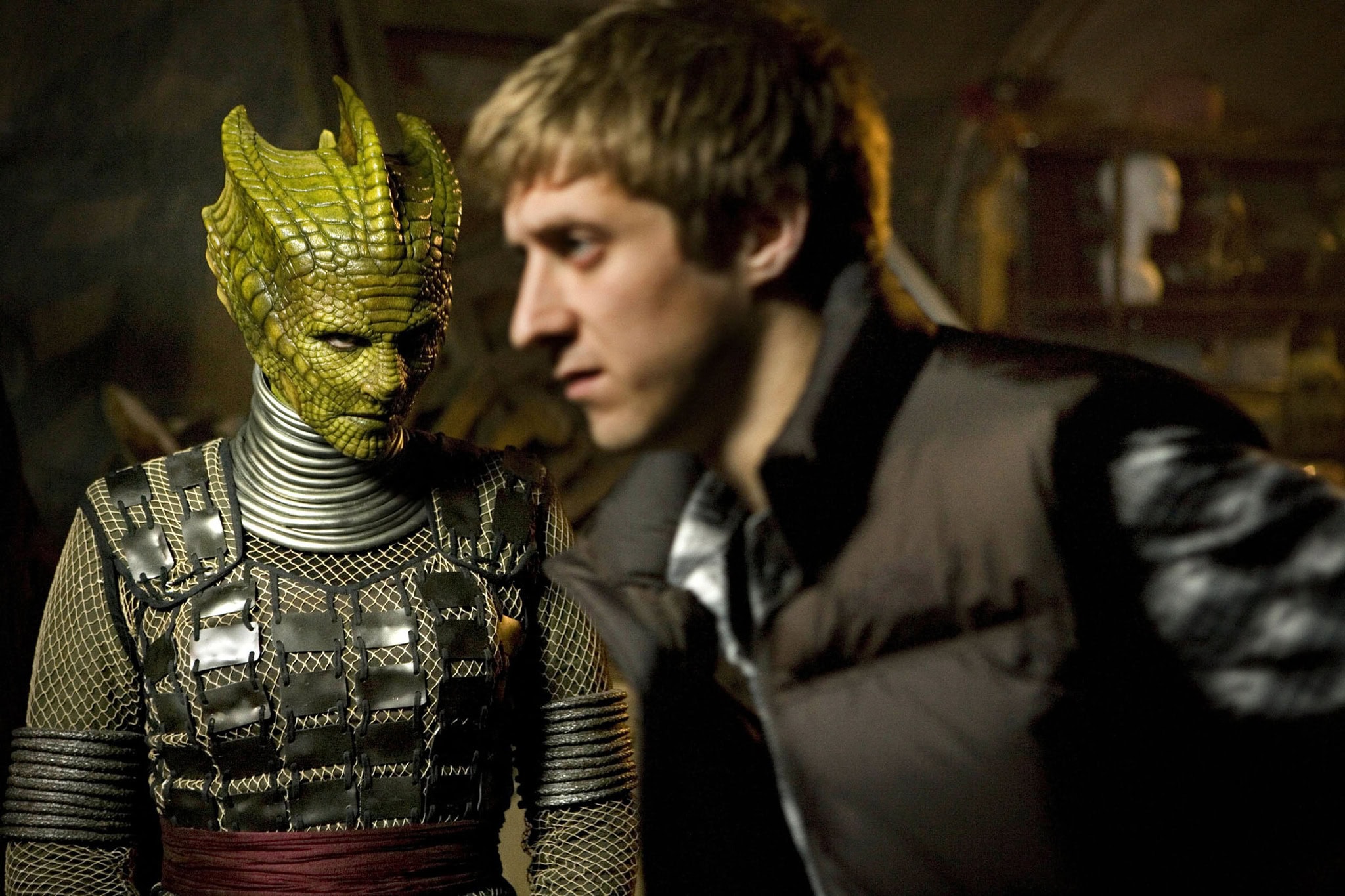
Many of the elements of this story have their roots in the Pertwee era.

As she keeps pointing out in this clear-eyed documentary, Joan Rivers is 75, but she’s as driven as ever.

Carol Dysinger’s documentary is clear-eyed and ultimately mournful.

Yesterday’s movie was another press screener of a documentary that will show soon at the Human Rights Watch film festival.

How does a nation cope when a civil war? How does it heal?
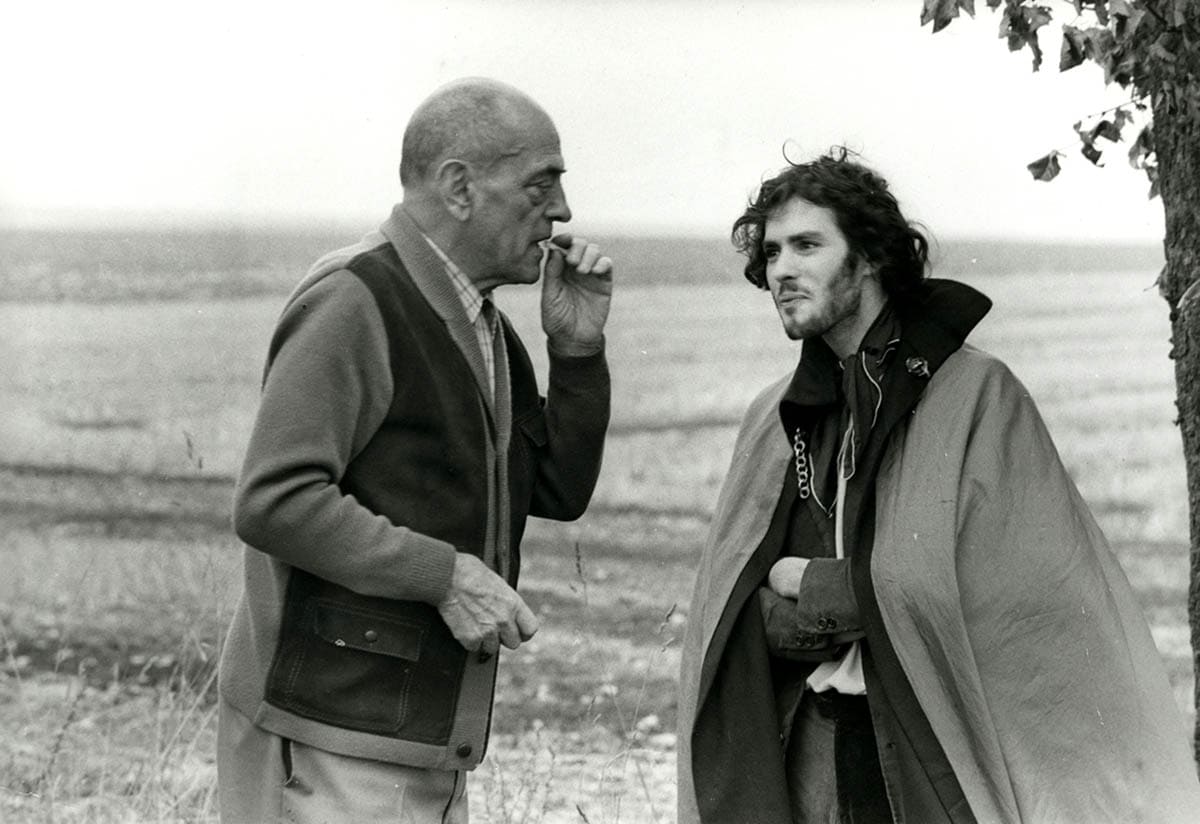
Clémenti’s cinema resists easy comprehension in much the same way its maker resisted society.
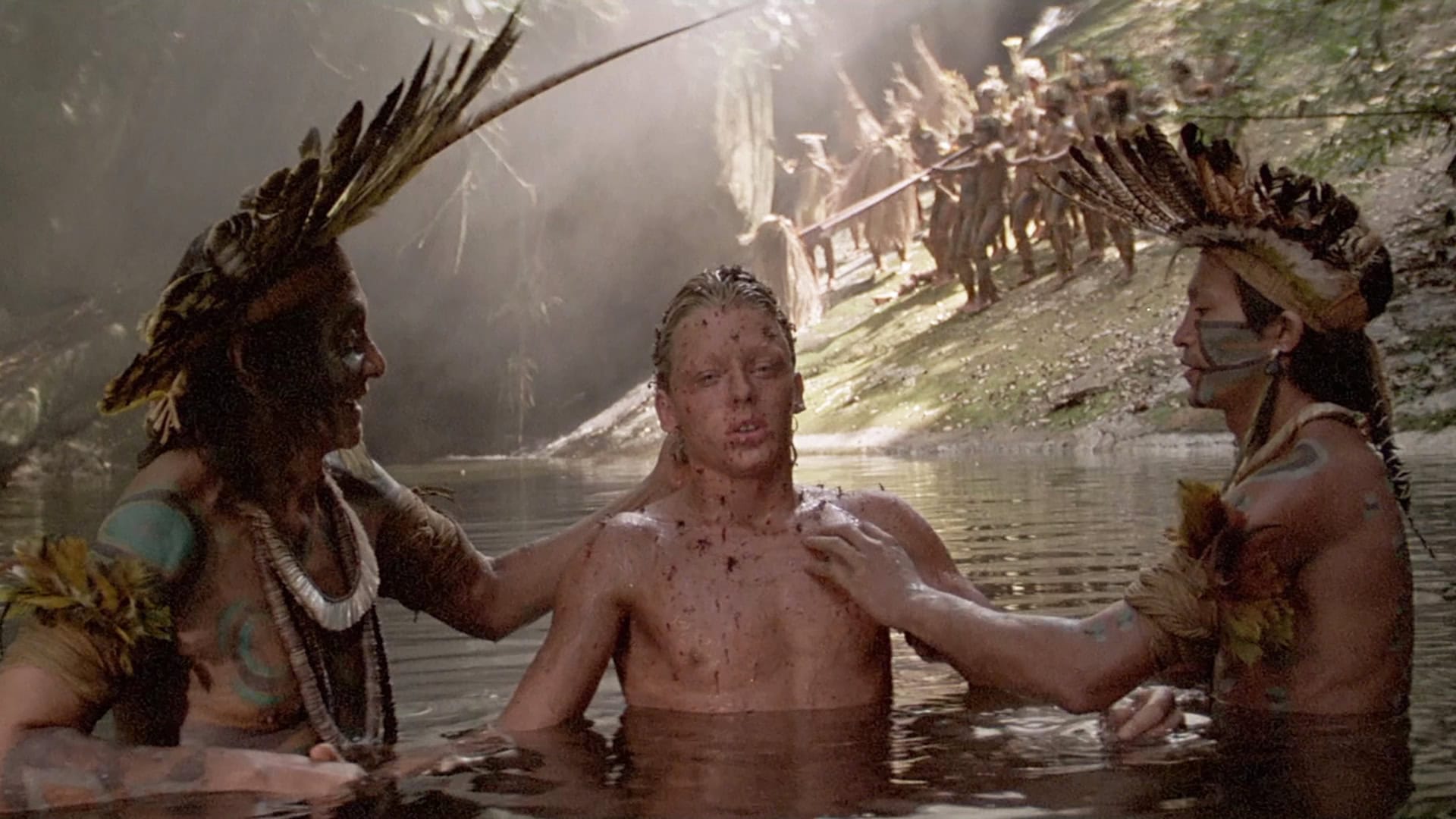
For John Boorman, the motif of environmental spoliation was never the message but the metaphoric medium for his continuing vision of the human being.

Mostly we just listen, to people on both sides of the divide and to women who are caught in the middle.

Today’s movie is a real-life horror story about a domestic terrorism movement that may have already won.
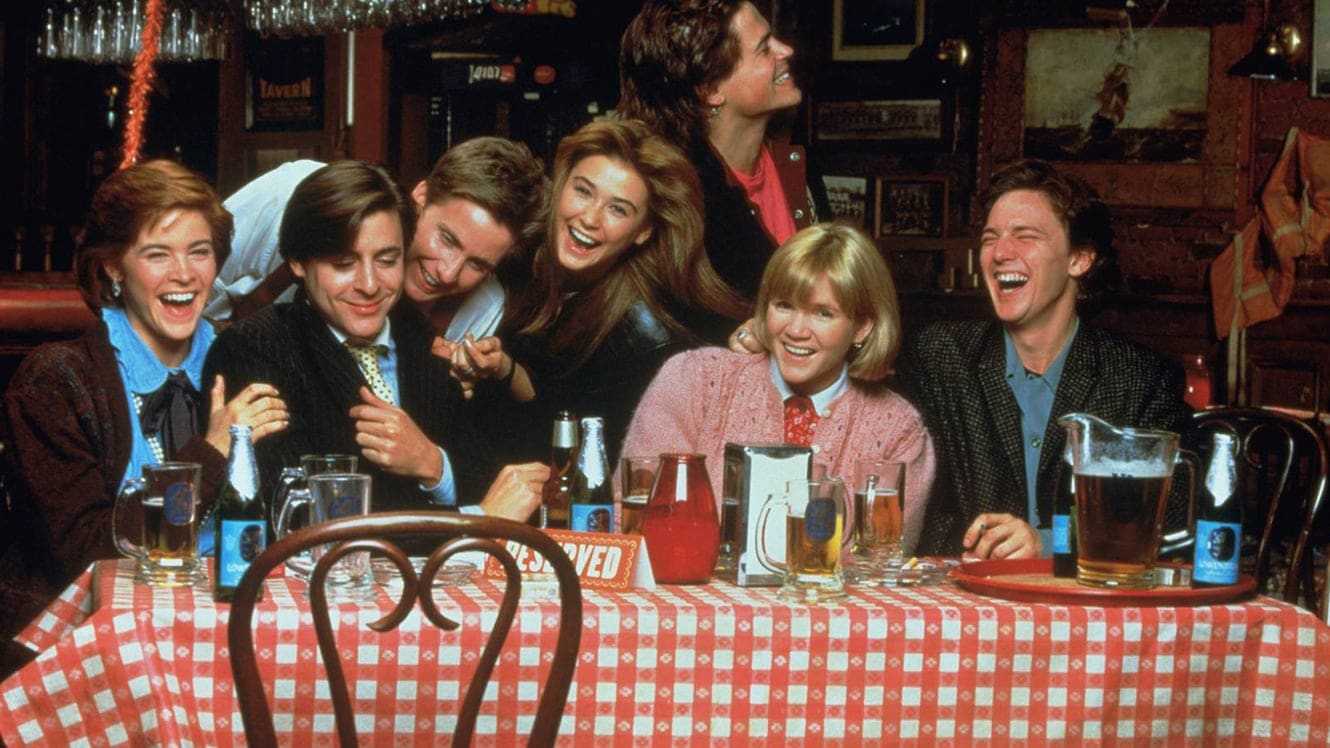
I think the only thing it validates is itself, and the decision to give the Brat Pack the celluloid equivalent of a Reykjavik summit.

When gorgeous close-ups of nature become just one more thing to consume, they also become impossible not to get numb to.

An initially naturalistic depiction of late medieval existence quickly becomes a larger-than-life mixing of history and fantasy.

Always talking about going somewhere else, the film’s understimulated overlords act like frustrated adolescents.
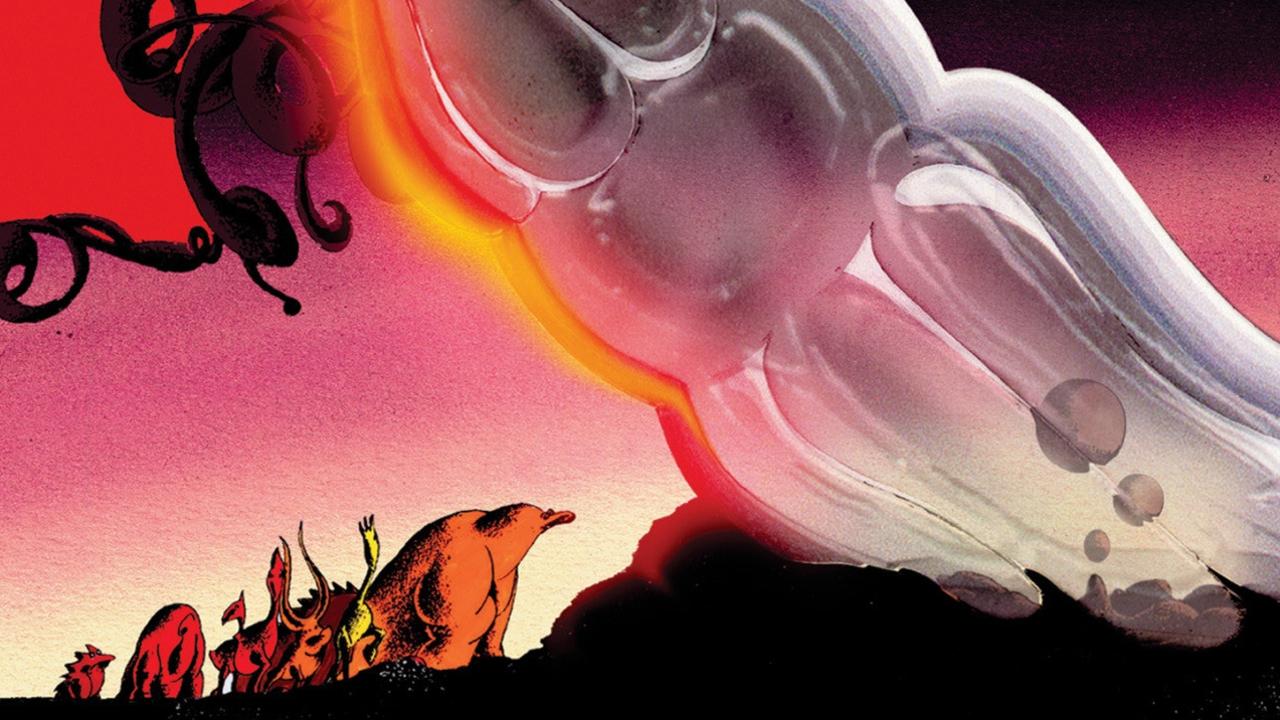
Bozzetto’s primary idiom is the animated short, and his métier is physical comedy.
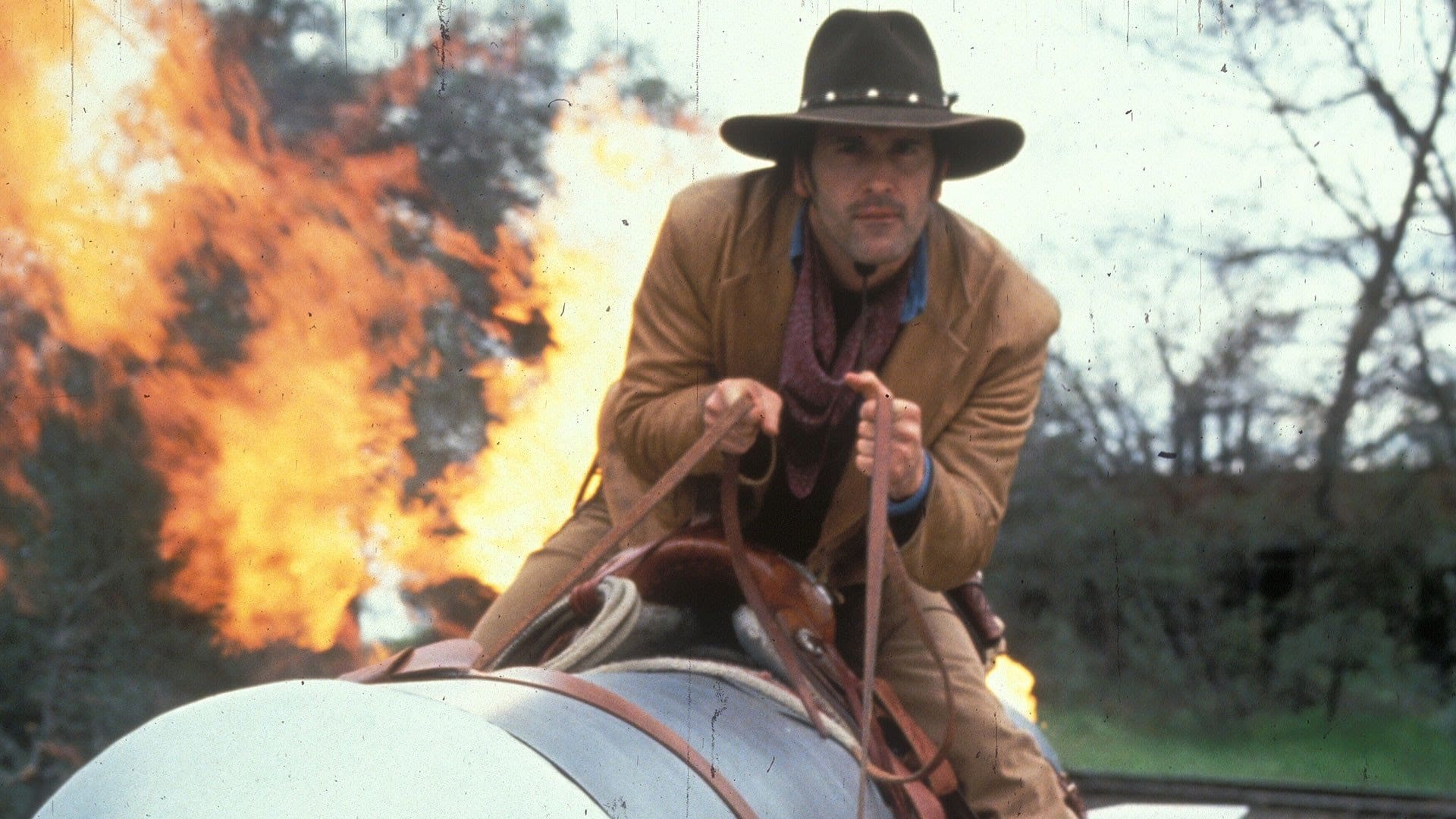
For Bruce Campbell, making the show was long and difficult, but ultimately rewarding, both creatively and personally.

Margherita Buy gives Francesca Comencini’s film its beating yet sunken heart.
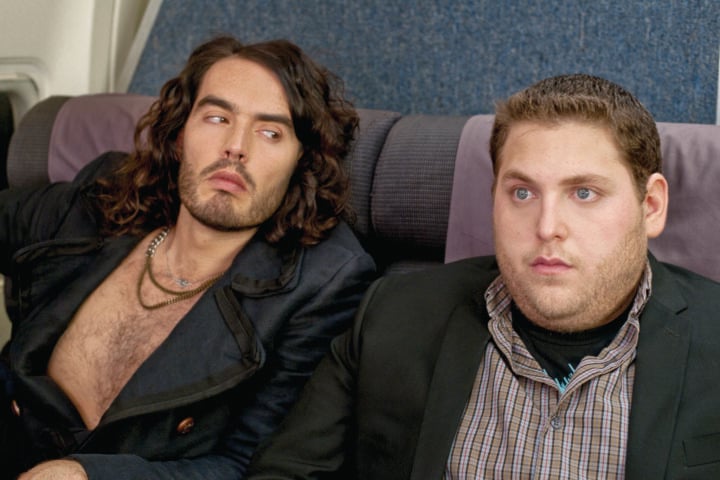
Get Him to the Greek gives us too much pleasure not to be forgiven for its sins.

Ten Winters captures a beautifully painful, reflective push and pull between two souls.
This might have been a better movie if it had gone deeper, but it’s still pretty entertaining.