Feeding the art world dreck just to prove that it will gobble up anything sounds like the kind of thing that Banksy would do.


Feeding the art world dreck just to prove that it will gobble up anything sounds like the kind of thing that Banksy would do.

The film suggests a game played by a seasoned director to entertain himself between features.

This two-part finale is directed by another of this season’s first-time directors, Toby Haynes.

This chapter is about damaged loners who stand outside the spotlight looking for a way in.
We hope this list helps direct readers to sites of note.
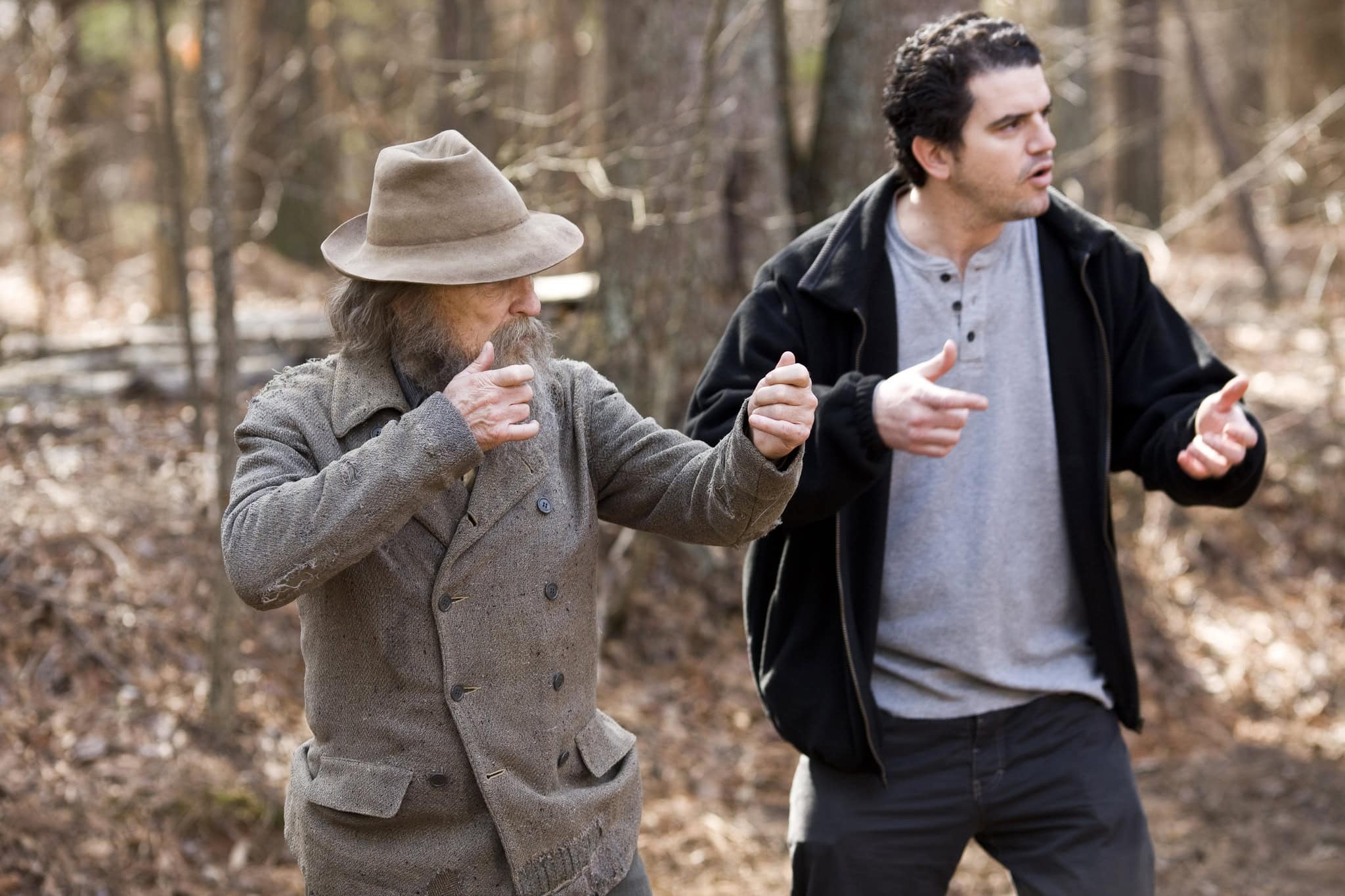
Movies like this are all about authenticity.

The film feels powerful and alive, capturing the vitality and significance of a politically engaged artist in her joyous prime.

The projects included here span a wide range of genres.

The makers of Mugabe and the White African, like their subjects, seem to have an almost touching faith in the European legal system.

Tilda Swinton carries the movie’s main message in her expression and body language.
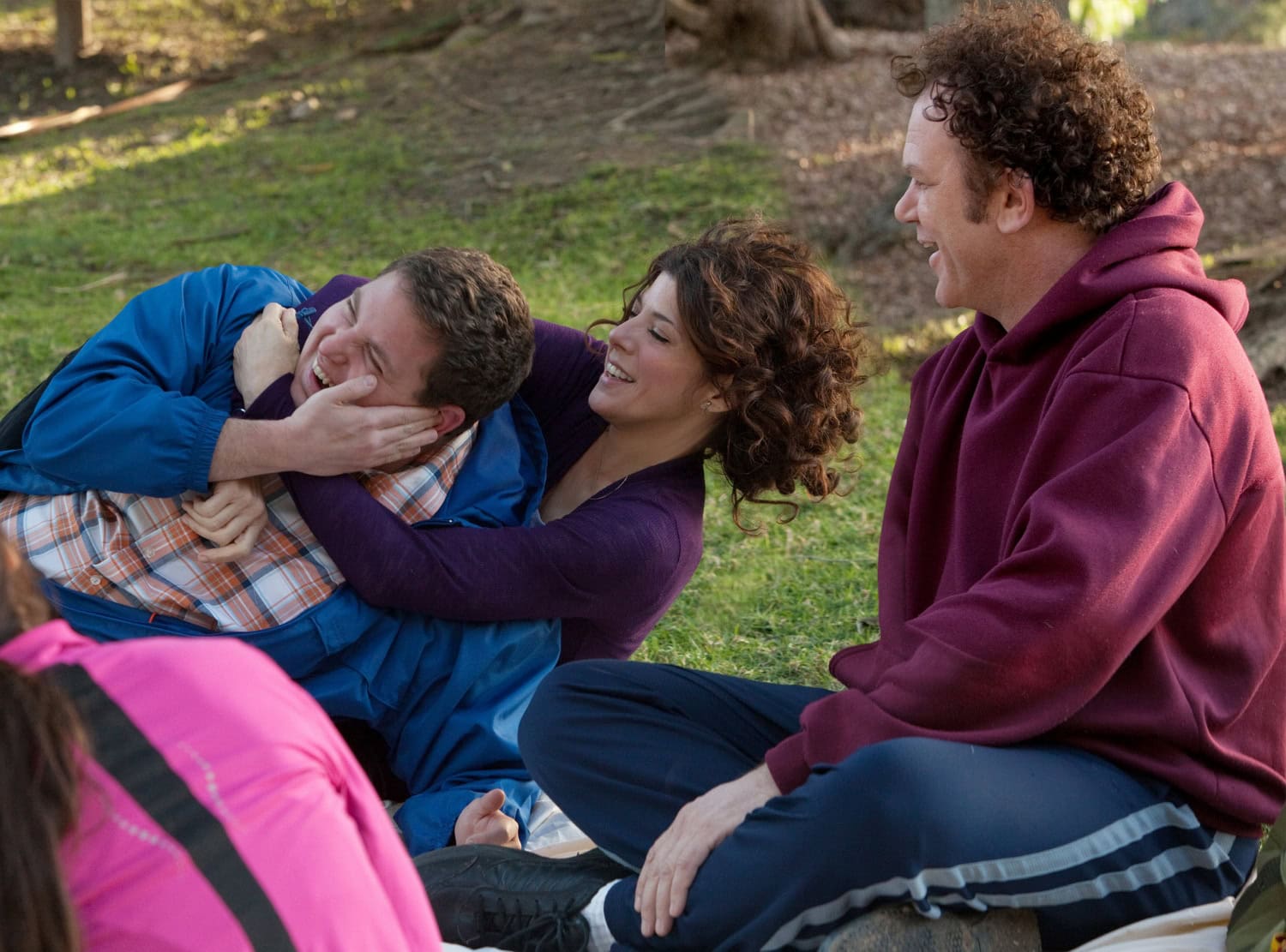
Other directors might have played the film as social satire, but the Duplass brothers want us to laugh with, not at, their characters.
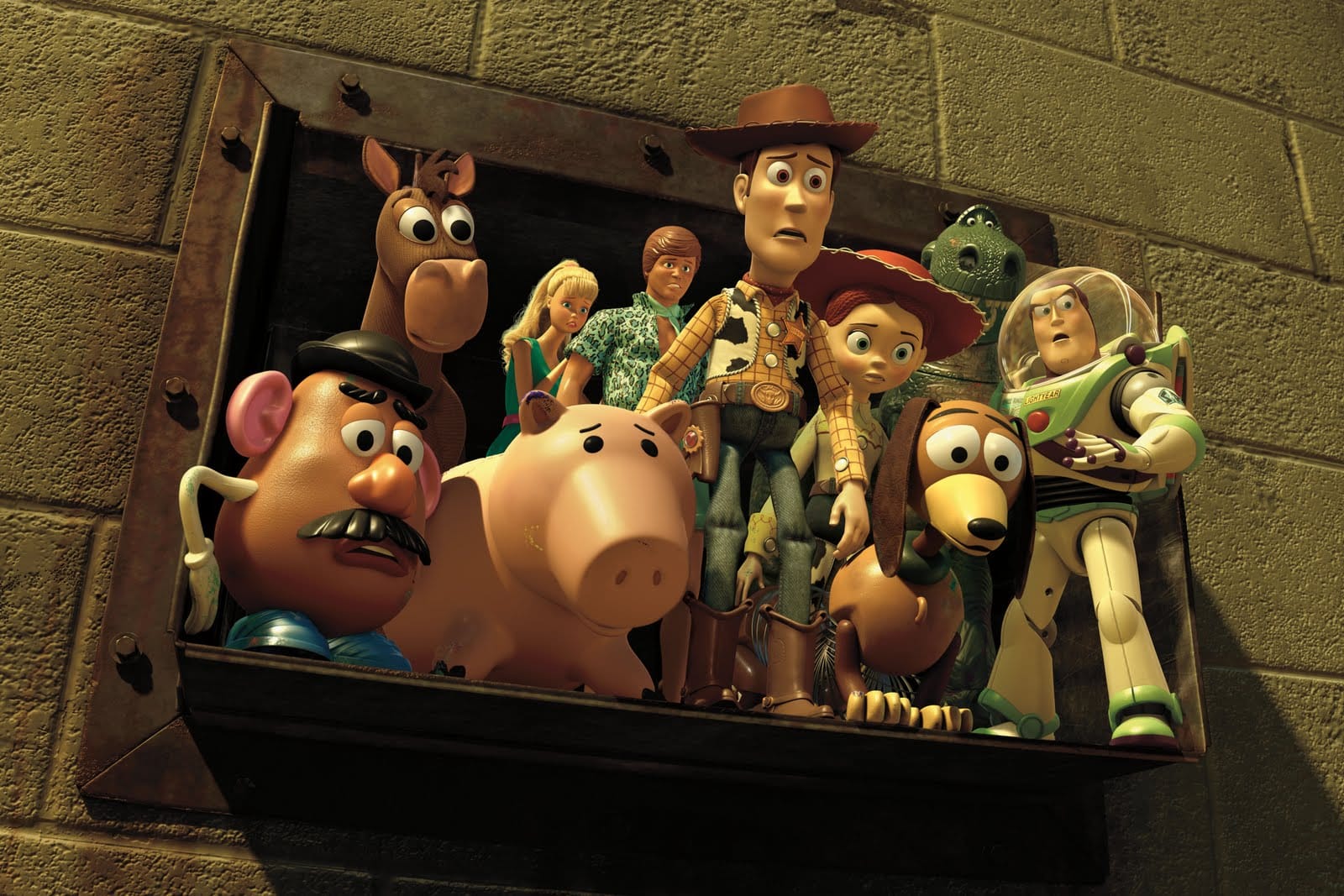
Toy Story 3 is a grand balancing act of character and story.

A Tale of Two Sisters takes the hostility and mutual mistrust that can keep “blended families” from blending and turns the dial up to 11.

If there were a cinematic equivalent of the Great American Novel, The Kids Are All Right would be a contender.

Over the last five seasons of Doctor Who, the week or two just before the big finale has tended to be where the oddball, envelope-pushing episodes turn up.
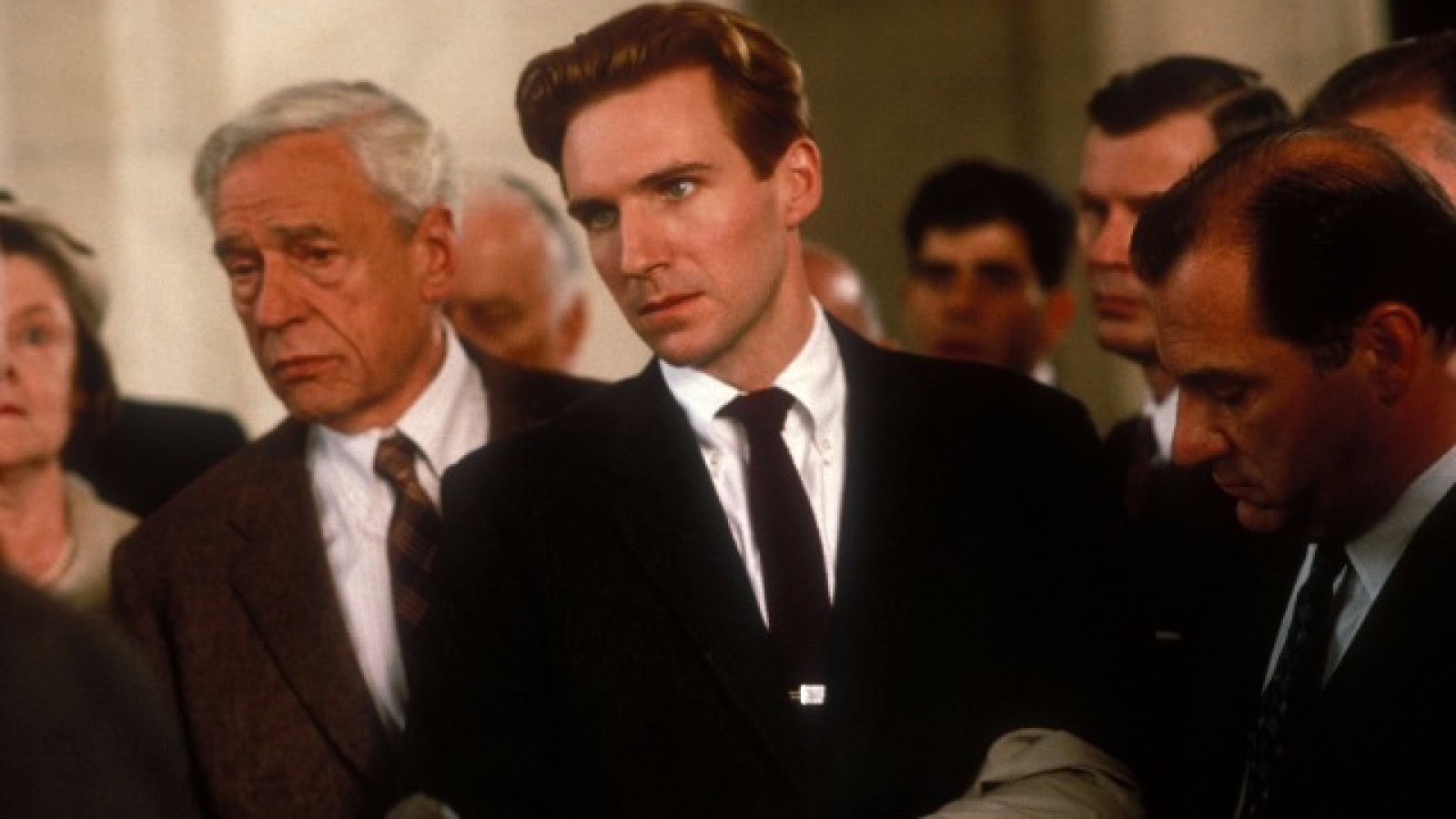
In part three of our six-part video essay, we examine the Hero’s doppelganger, the Fraud.

If the film can be vague about the political and economic forces changing Italy, it does make it clear that those forces are destroying lives.

Viewership is by nature bisexual.
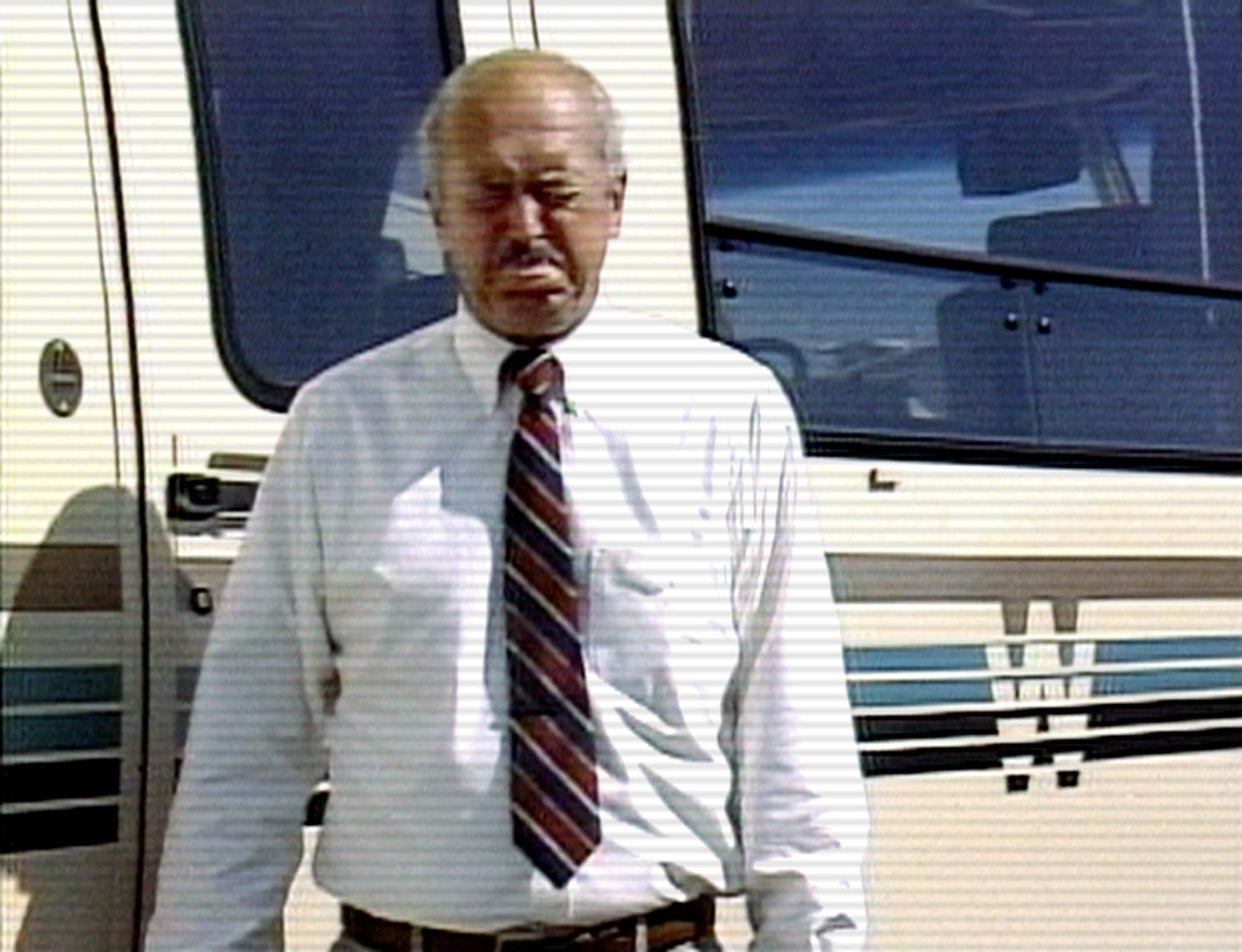
Winnebago Man is about a lot of things, though mostly it’s about the frustrations of fame in our savvy, superficial age.
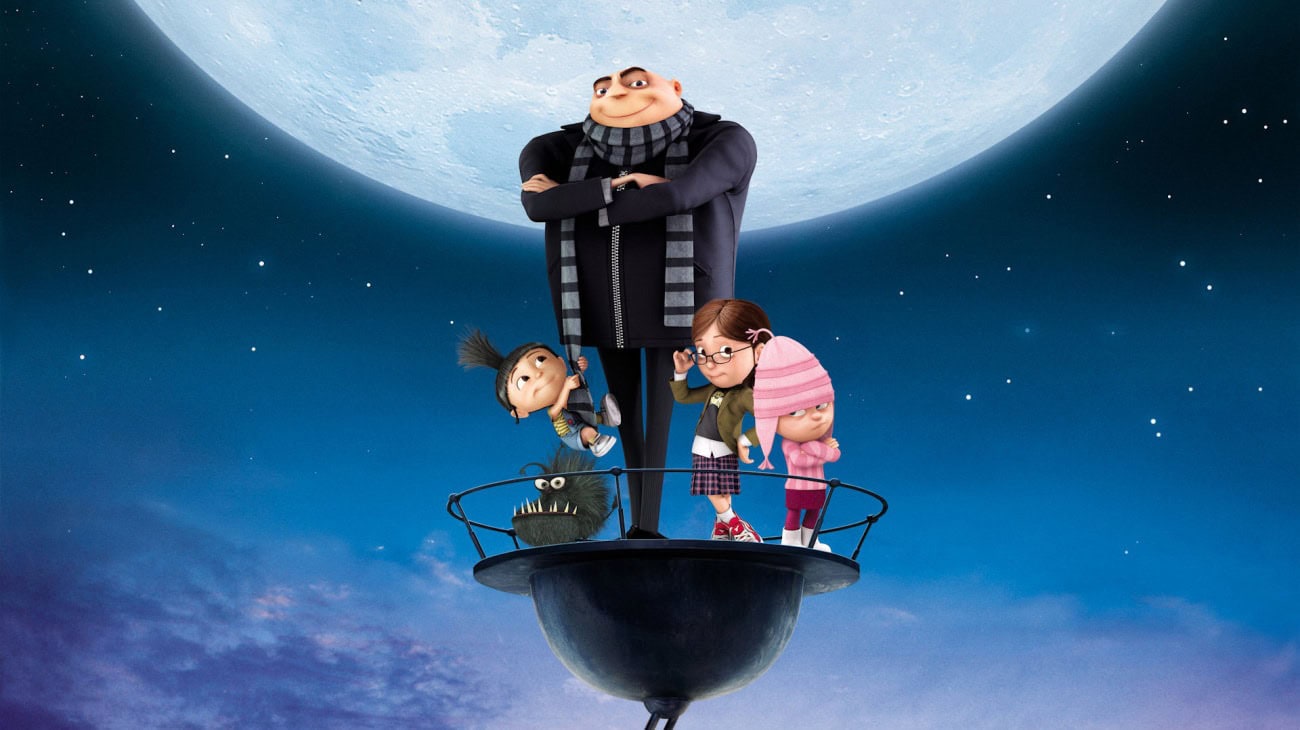
Like Sally Field, Despicable Me never risks enough to win our love, but it makes us really, really like it.