Both are war-is-hell movies, be-glad-you’re-not-here postcards about young men marooned in outposts at the outer edges of intractable wars.
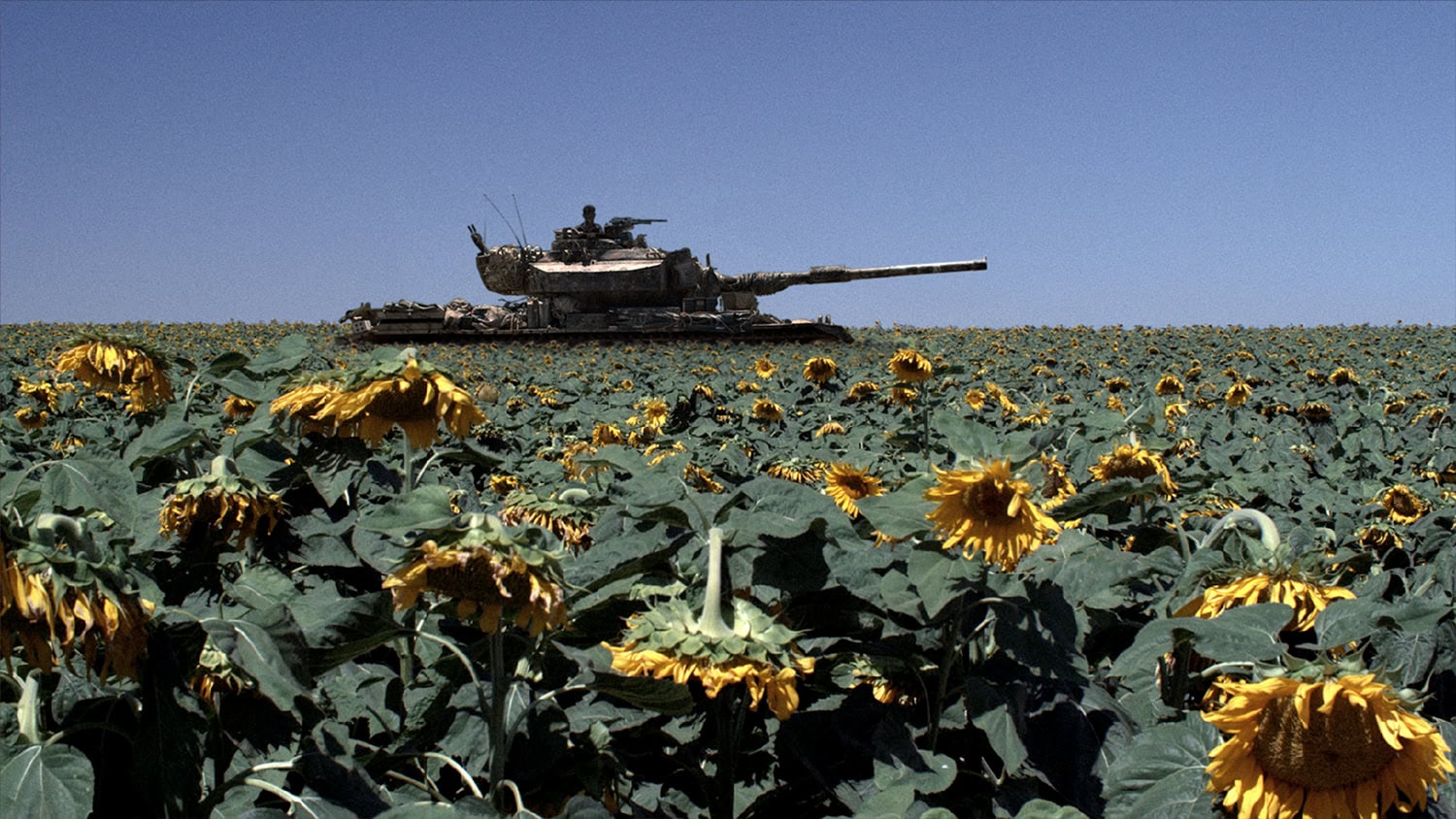

Both are war-is-hell movies, be-glad-you’re-not-here postcards about young men marooned in outposts at the outer edges of intractable wars.

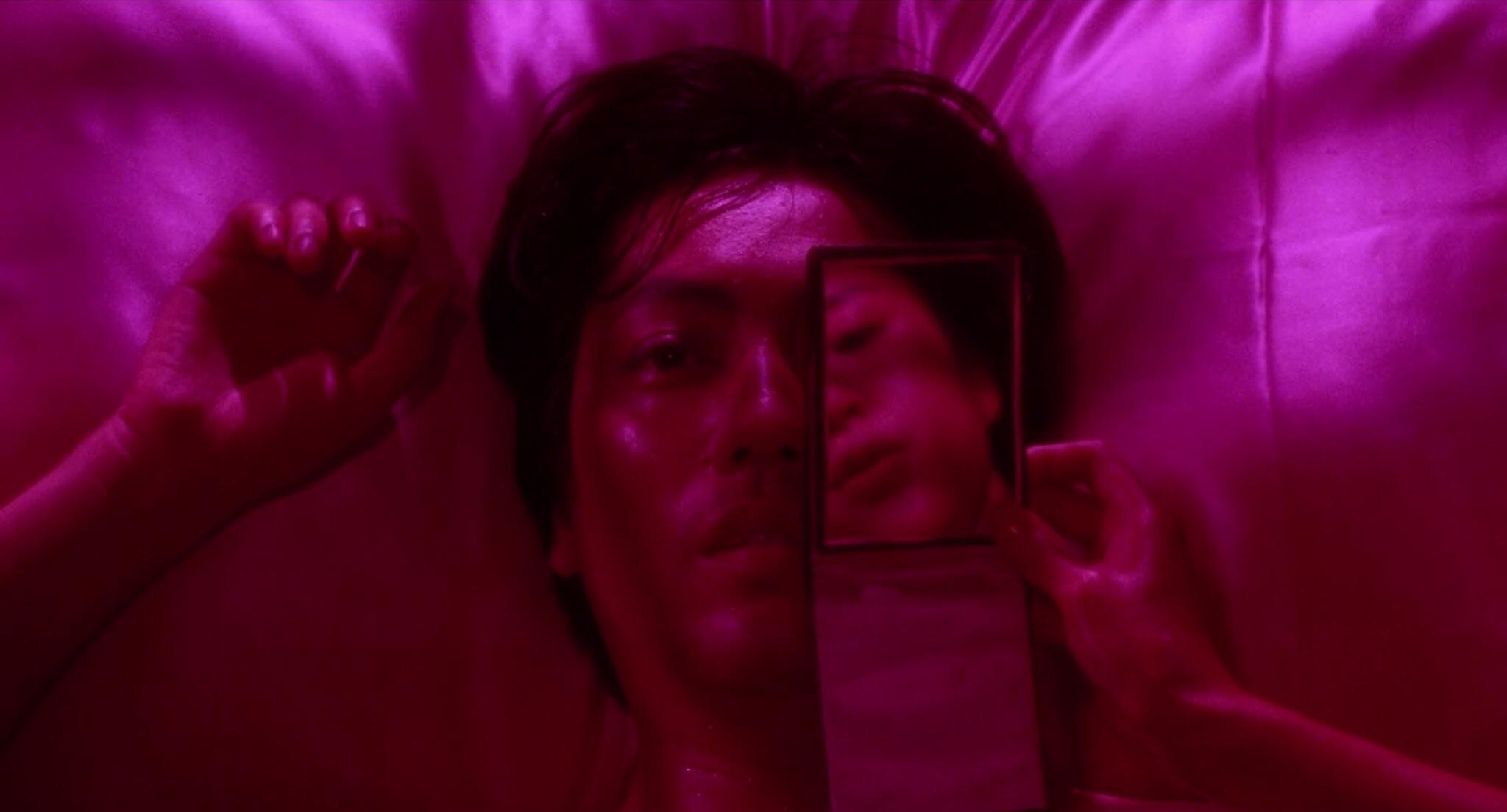
I didn’t even get that moral exploration I was hoping for, since the issues the box might have opened up are left unexamined.
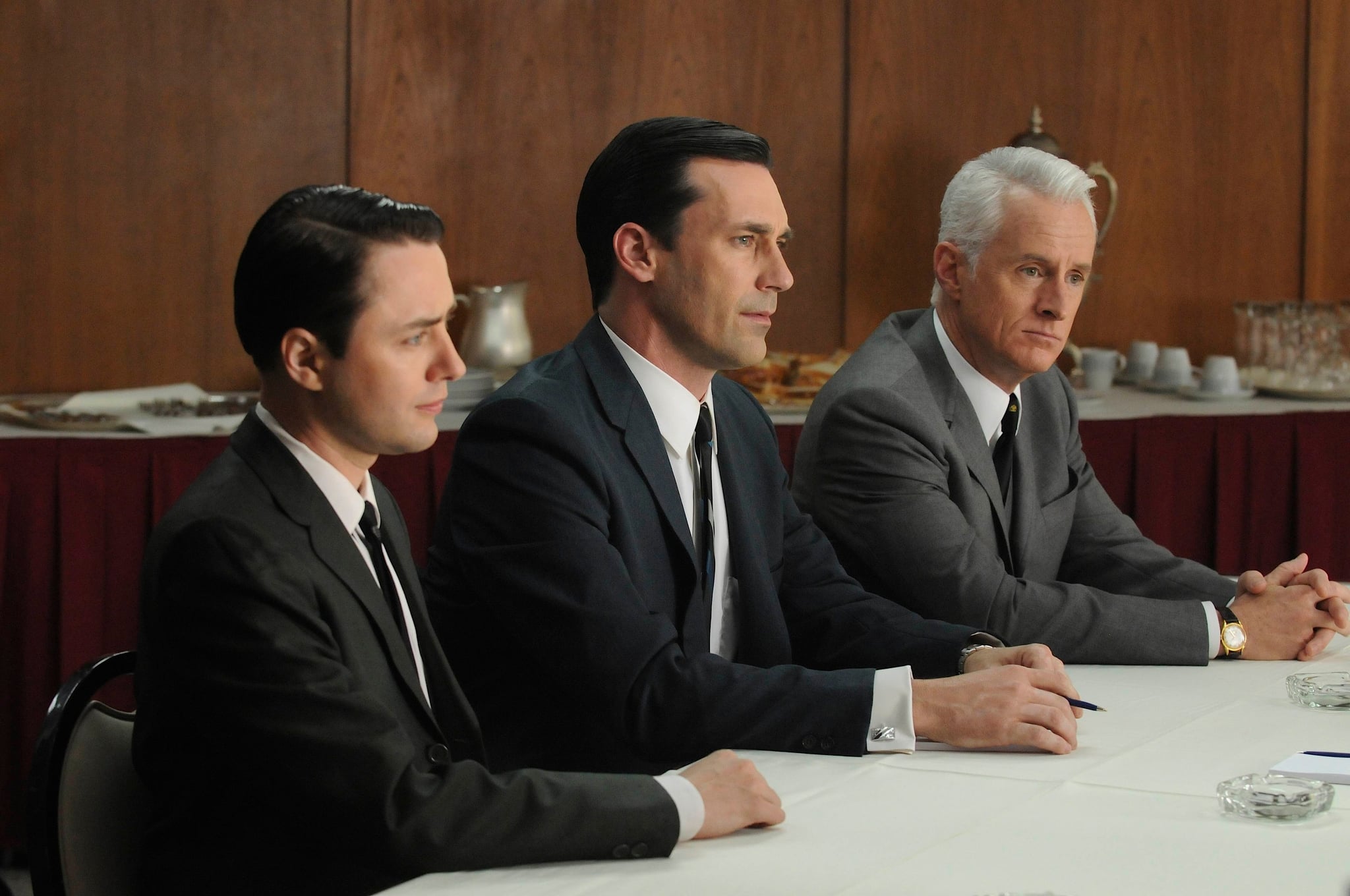
Season four of Mad Men begins by reminding us that the heart of the show will always remain the same.

This installment of our six-part series deals with a disreputable offshoot of the traditional hero.
The film never promises to deliver its subject to us neat, complete, and tidily explained.

Chris, meet Fred and Alain. Fred and Alain, meet Chris.

Angelina Jolie brings home the bacon and fries it up in a pan she could turn into a deadly weapon on a moment’s notice.

I meant to watch the 1933 version of Alice in Wonderland on the big screen at BAM last night, but the heat chased me inside instead and onto my computer.

Who expected the end of the universe to be so much fun?

Dersu is the ultimate natural man, understanding everything and everyone.
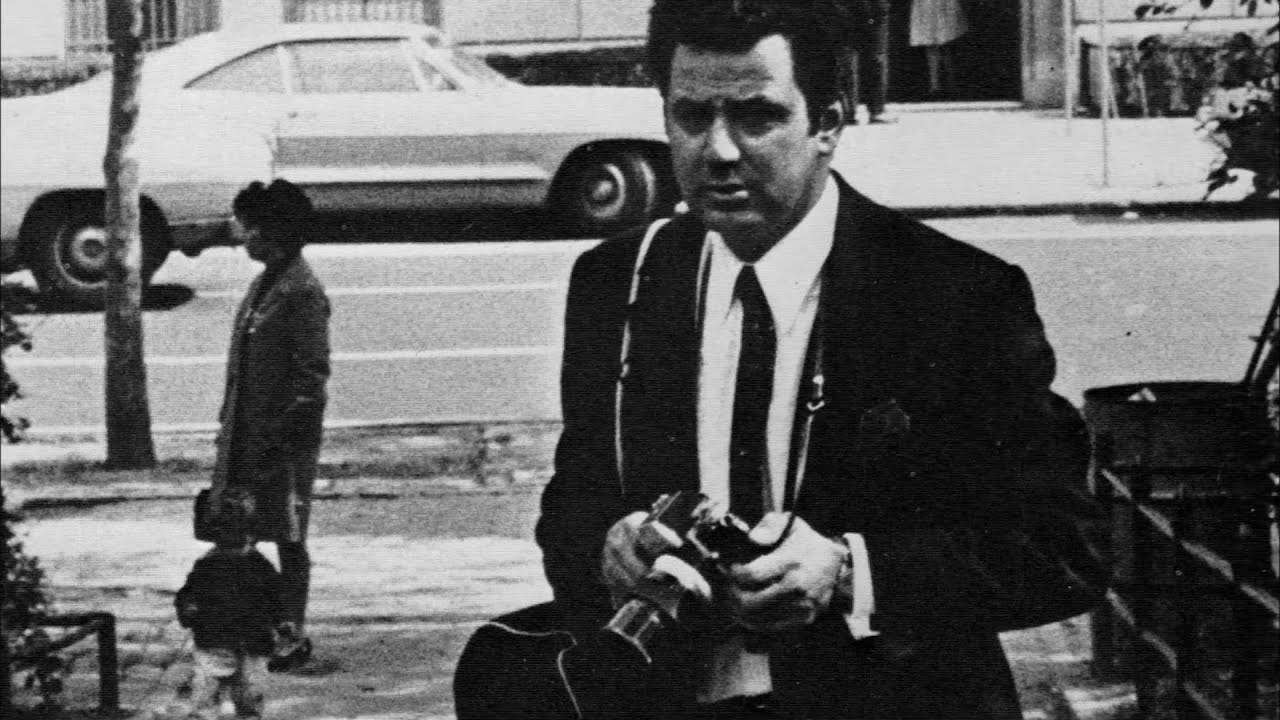
As this movie reminds us, we need galoots like Ron Galella to get us the info we crave, so we shouldn’t crucify him for our sins.

Bronson may make violence into a performance art, but he doesn’t seem fit for much of anything else.

This was recorded prior to the end of the World Cup (go #NE…oh wait) so excuse us.
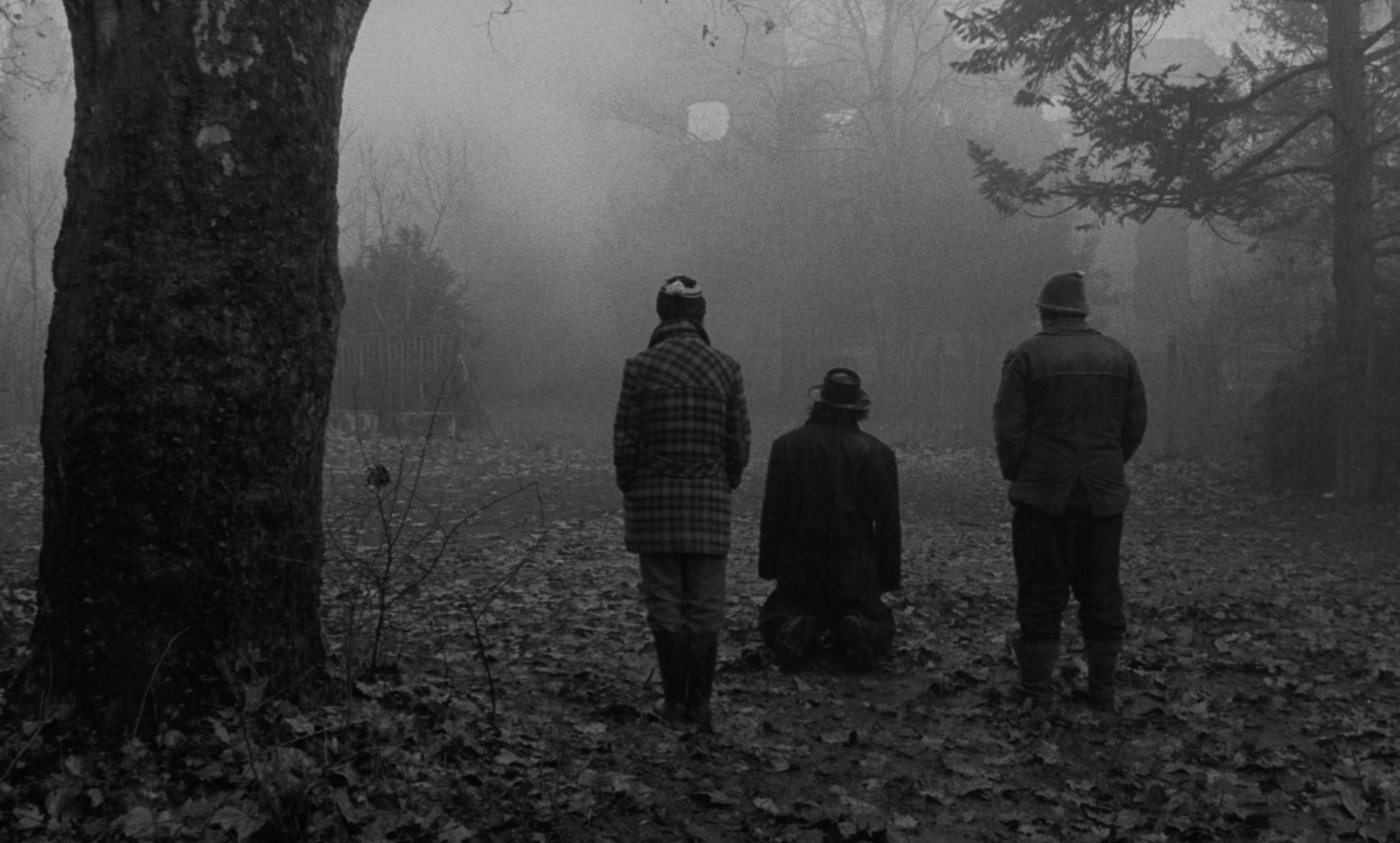
Tarr achieves an almost terrifying power but sometimes squanders it by hanging on too long.

Georges Lampin’s adaptation of Dostoyevsky’s classic is in many ways an archetypal Tradition of Quality French movie of the time.

A lot of the pleasure of watching this film comes from cinematographer Jørgen Johansson’s beautiful and expressive camerawork.

Claire Denis says the film is a tribute to Ozu, and I can see why.

Reed speaks about Prodigal Sons and its complexities, cinematic, familial, and otherwise.

Not a lot of film programs at the Academy, the American Cinematheque, UCLA Film Archive, etc focus on writers.
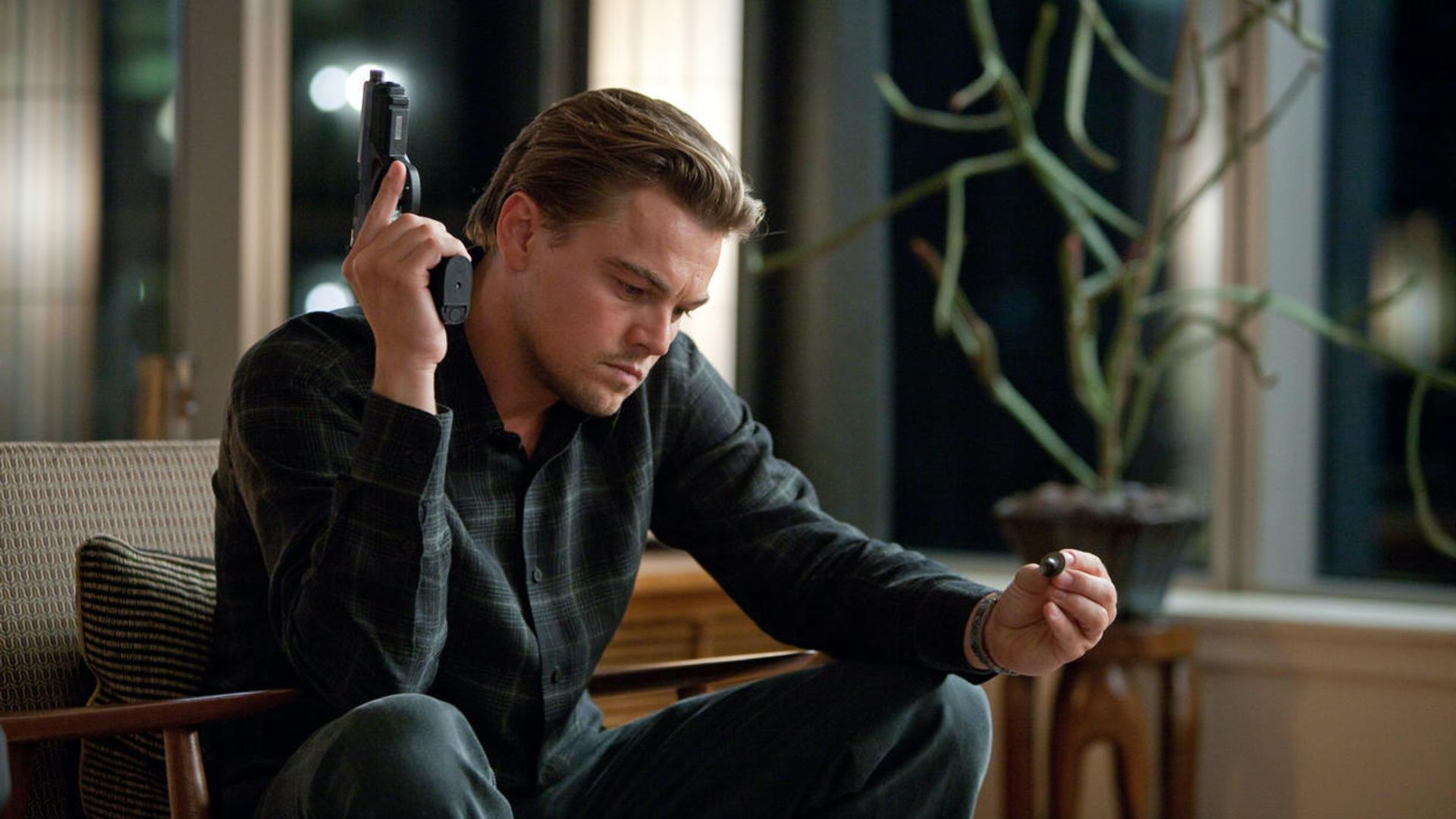
How can tell if we’re dreaming? Is “real” life more valid or meaningful than dreams? Can we control our subconscious minds? Should we?