Despite the beauty of those dead snakes, the message therein was a bit too on the nose for me.


Despite the beauty of those dead snakes, the message therein was a bit too on the nose for me.
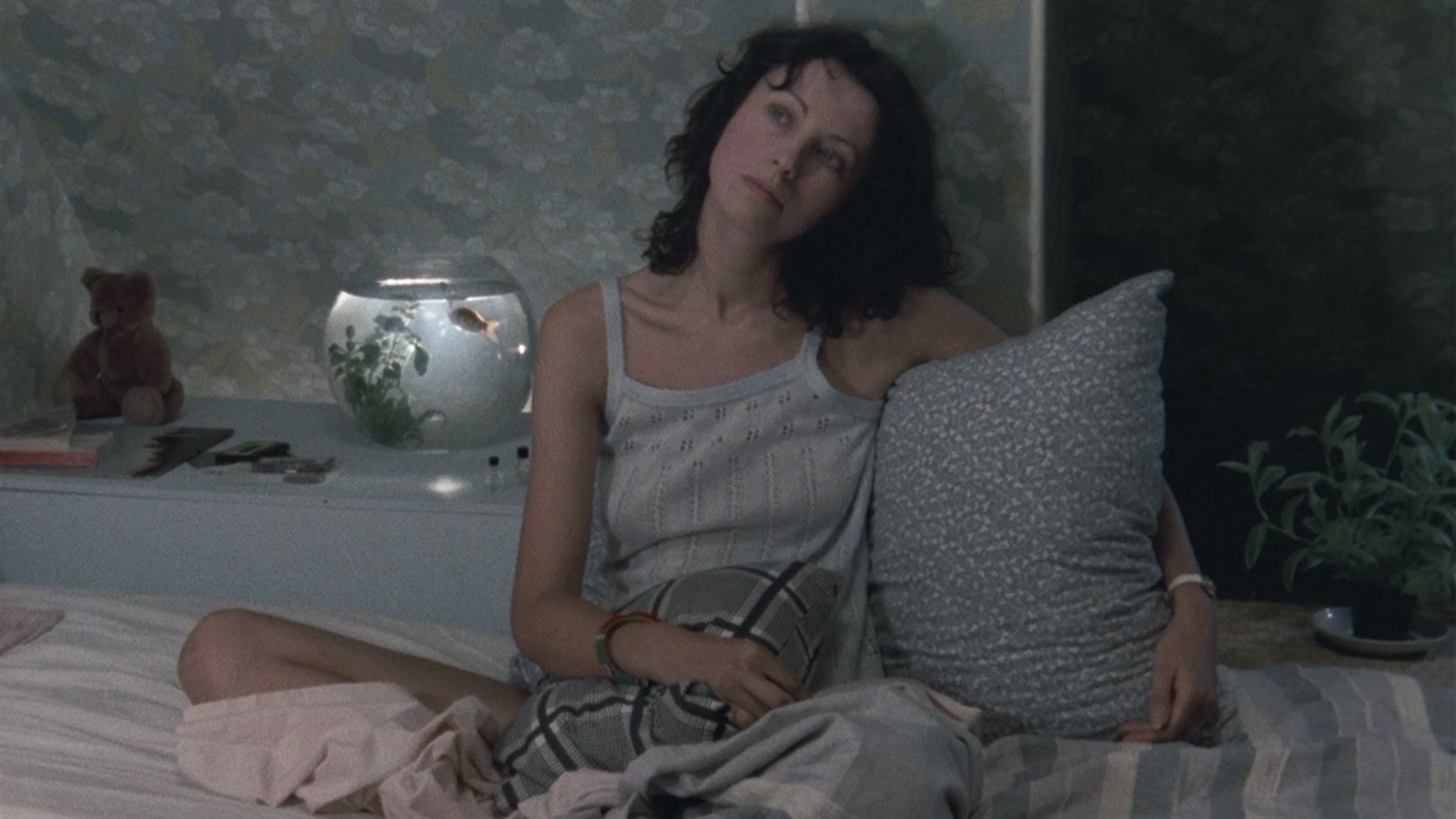
The Aviator’s Wife is valuable for being perhaps the most stifled movie that Rohmer ever made.

Despite its historical nature, The Temperamentals is anything but a dry history lesson.

Õunpuu manages to portray the deep anxieties inherent in “climbing the ladder of success.”

Apocalyptic amour fou corrupts the earth in Happy End, Arnaud and Jean-Marie Larrieu’s adaptation of Dominique Noguez’s 1991 novel about love, loss, and nuclear bombs over Moscow.

With startling and memorable beauty, Sun Spots blends HD imagery with a slow sense of creeping terror.

The Mirror is an affectionate tribute to a way of life I’m not necessarily inclined to celebrate.

Well, cool. There were some risks taken, some serious crazy, and some killings. Brutal fucking murders, even.

It’s awfully hard not to feel like you’re missing something throughout this Miracle Worker.

To Grandrieux, people are figures in landscapes, in fact parts of the landscape, so that the films literally become action painting.
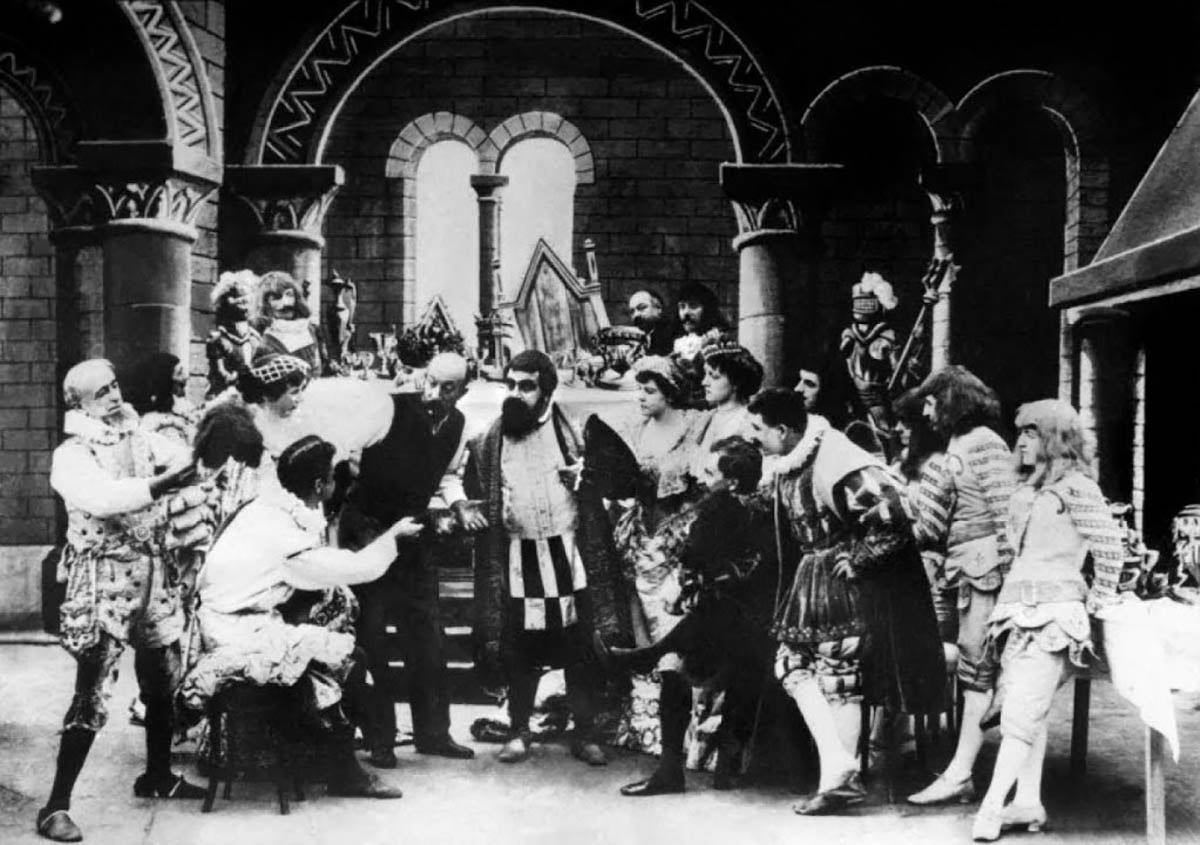
A mysterious, handsome man lures women to their doom.

The film brings a bleakly comic sensibility—as well as an insider’s perspective—to 60 turbulent years of Israeli-Palestinian conflict.

Like fellow French film essayists Chris Marker and Agnès Varda, Luc Moullet is extremely playful.
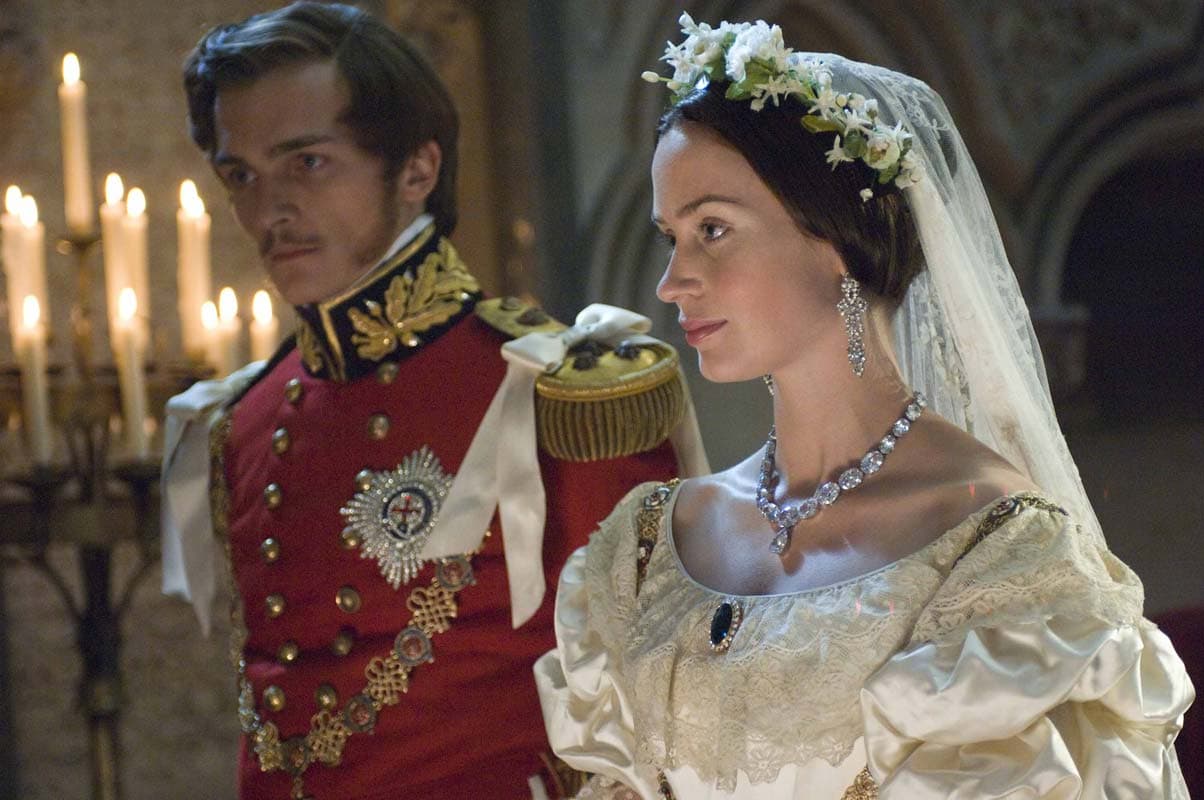
The Young Victoria is not particularly stodgy, but it is rather flat and literal.

The secret passion of the cinephile is to find a hidden treasure.
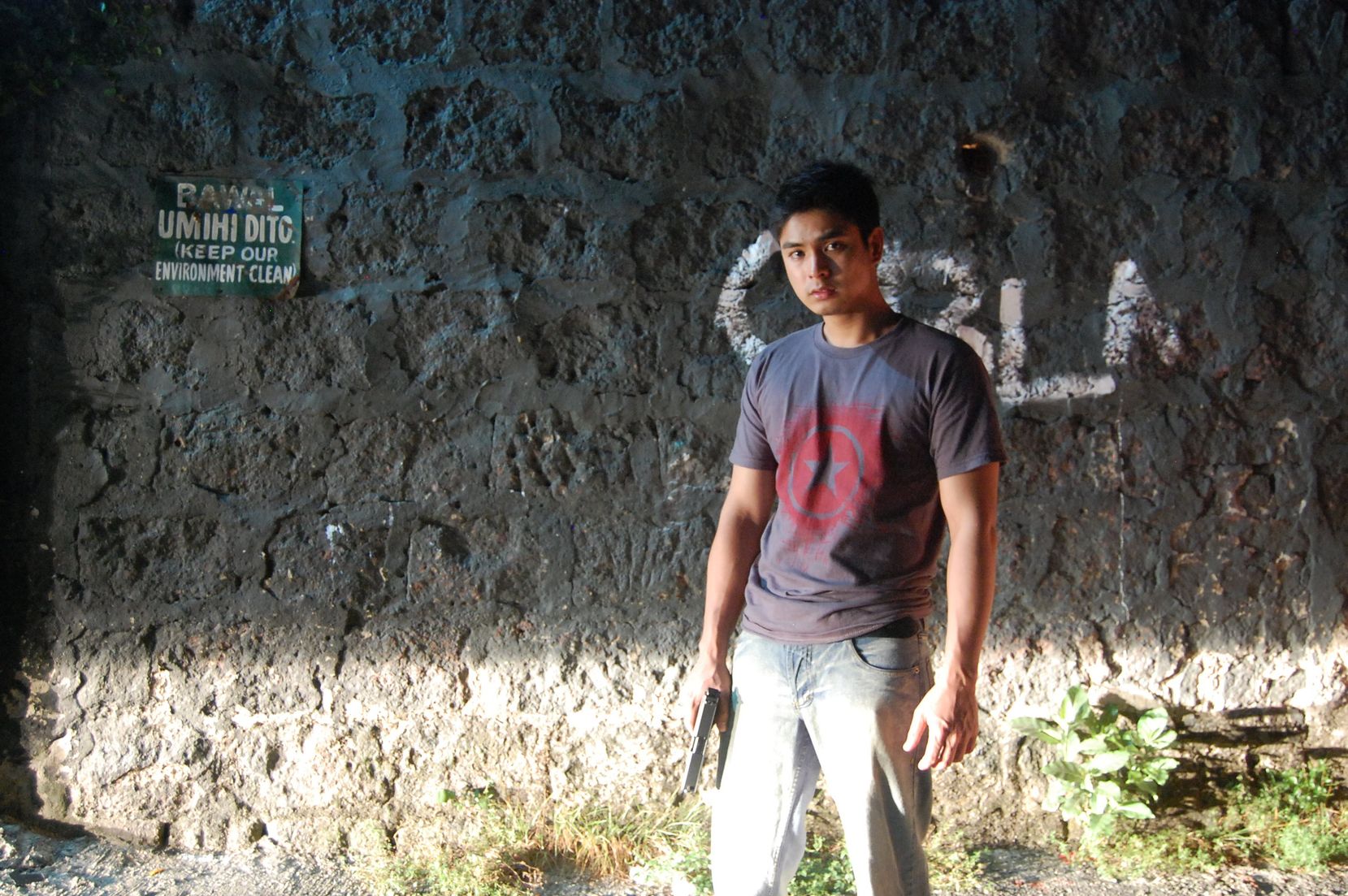
The extended car ride sequence in Kinatay represents the dizzying peak of Mendoza’s filmmaking.
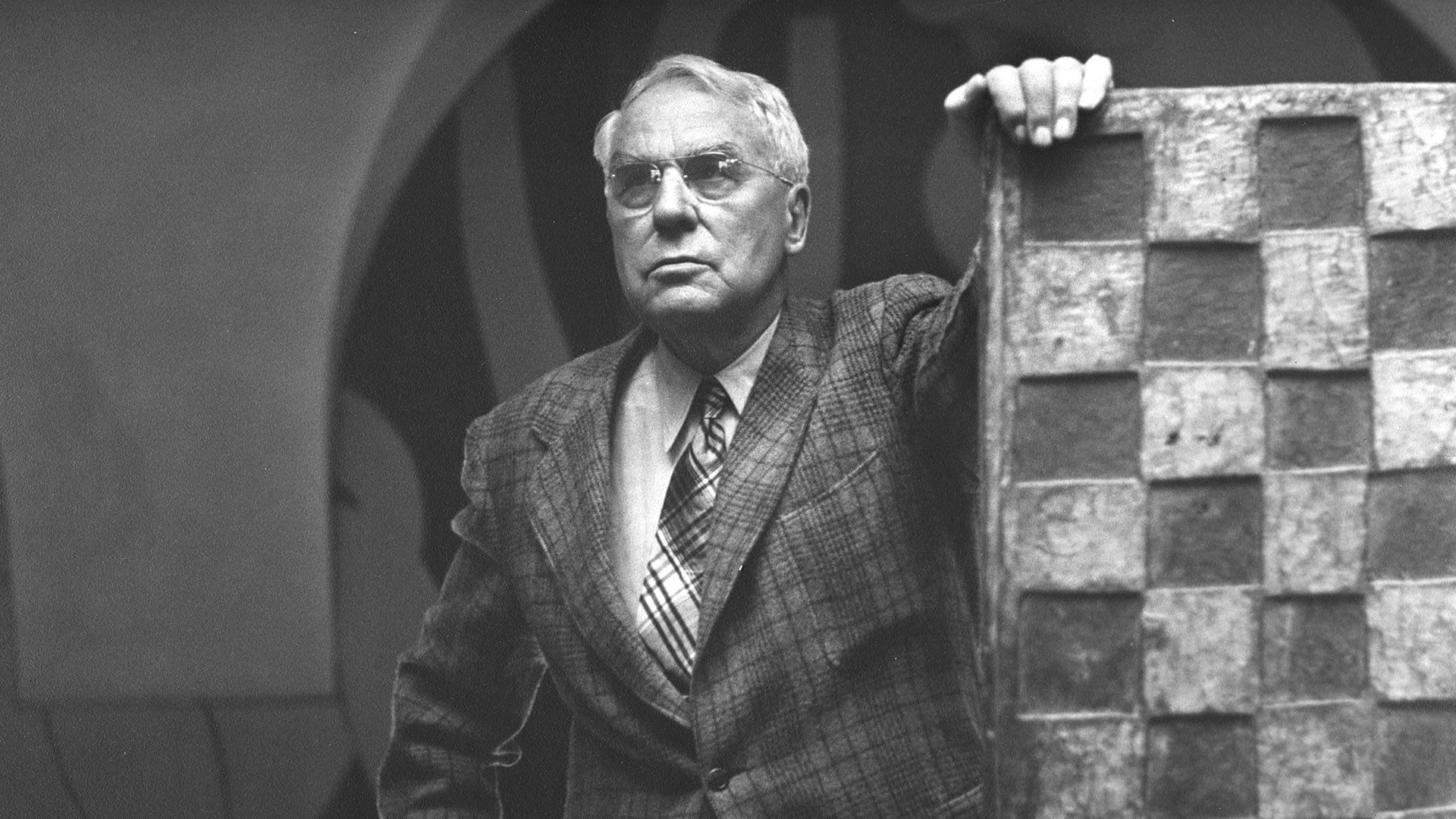
Don Argott’s suspenseful The Art of The Steal is propaganda at its finest.

Of course Jack wouldn’t hurt Hurley. Lindlelof and Cuse don’t want to lose even more good will with their audience.

The disappointment educed by Like You Know It All is of a qualified sort.

It has often been said that Ludlam had two modes for his plays: tight and sprawling, and these two films neatly fit that paradigm.