The typical cycle for Resident Evil as a series has been to reinvent the wheel once a stretch of similar games has run its course. But after the level of creative success that the series has achieved in the last decade, Resident Evil Requiem sees Capcom taking a well-earned victory lap instead, as the game is a dual-track rollercoaster ride representing the sum total of lessons learned since Resident Evil 7: Biohazard turned Resident Evil on its ear.
What has Capcom learned from this boom period, exactly? Balance. Requiem is scary without being traumatizing, silly without making its core threat feel less menacing, and inventive while still building on the principles that uphold the remakes and the Ethan Winters duology.
With Ethan out of the picture, Requiem follows up on Alyssa Ashcroft, a deep-cut Resident Evil protagonist from the Outbreak titles. Alyssa was murdered some years ago, and her now-grown F.B.I. agent daughter, Grace, is sent back to the hotel where she was killed to investigate the other half-dozen murders that occurred there, only to find out the victims all have a connection to the Raccoon City T-Virus incident. At the same time, franchise mainstay and government agent Leon Kennedy is hot on her trail, having followed a certified mad scientist named Victor Gideon to a medical facility that may be trying to follow up on the Umbrella Corporation’s work.
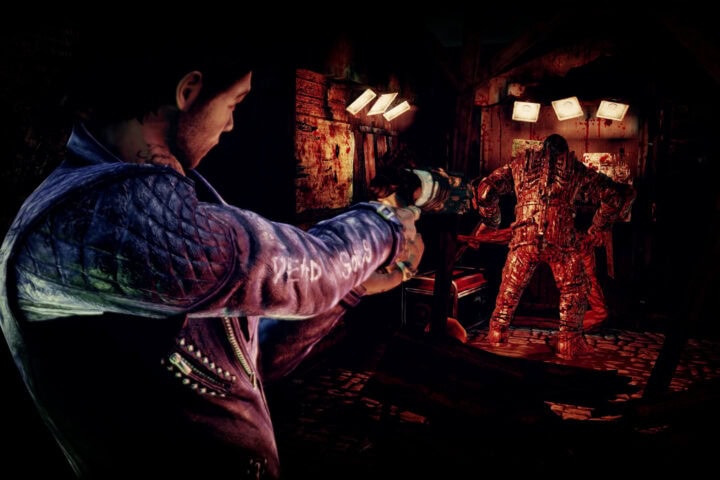
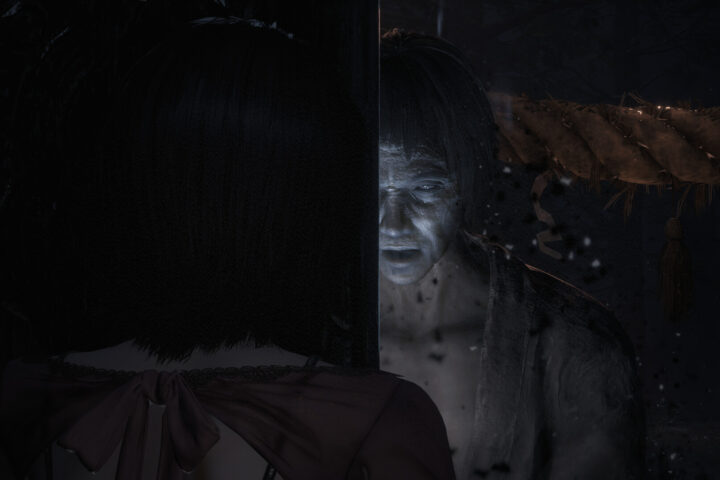
Mechanically, Grace and Leon represent the Resident Evil series’s main approaches to survival horror, with Grace’s slower, methodical sections operating more like Biohazard and Resident Evil Village, complete with a default first-person view and an emphasis on massive, terrifying threats roaming the halls that she can only avoid or stealth kill with care. When the terror reaches a crescendo in her story, that’s the exact moment the narrative switches to Leon, whose sections follow up on the hyperkinetic action of Resident Evil 4, including all the endearingly cheesy one-liners and the greater connections to Resident Evil’s labyrinthine lore.
Both have to contend with the usual array of odd puzzles and inventory management, but Requiem’s zombies, now able to hold onto some semblance of their humanity, play a greater part in it. Grace and Leon are able to use their simplemindedness to their advantage to solve problems, or put smaller zombies in the way of bigger one to create distractions or save bullets.
The few creative steps forward that the game takes come in the form of a blood-collection and crafting mechanic for Grace and a series of effective melee options for Leon. Also, corpse management is a major concern for both characters, made all the more grisly for the fact that compared to other Resident Evil titles, Requiem is so very, for lack of a better term, wet, with some of the most over-the-top splatter and splash physics this side of Splatoon.
It’s strange to want to call a game as pointedly grim and gory as Requiem a good time, but that’s exactly the vibe it delivers, bathed in blood and polished to a high scarlet shine. Despite the suspense and terror, there’s still a playfully self-aware spring in Requiem’s step.
This game was reviewed using a retail copy purchased by the reviewer.
Since 2001, we've brought you uncompromising, candid takes on the world of film, music, television, video games, theater, and more. Independently owned and operated publications like Slant have been hit hard in recent years, but we’re committed to keeping our content free and accessible—meaning no paywalls or fees.
If you like what we do, please consider subscribing to our Patreon or making a donation.