Director Tate Taylor’s Ma ends in a ludicrous, offensive orgy of cartoonish ultraviolence, awash in blood and blazing with fire. But for most of its 99 minutes, the latest from Blumhouse Productions plays less like the horror experience promised by its marketing campaign and something more like a small-town mystery, fostering a tension that doesn’t exactly seem like it’s going to be released in a Grand Guignol haze of violence.
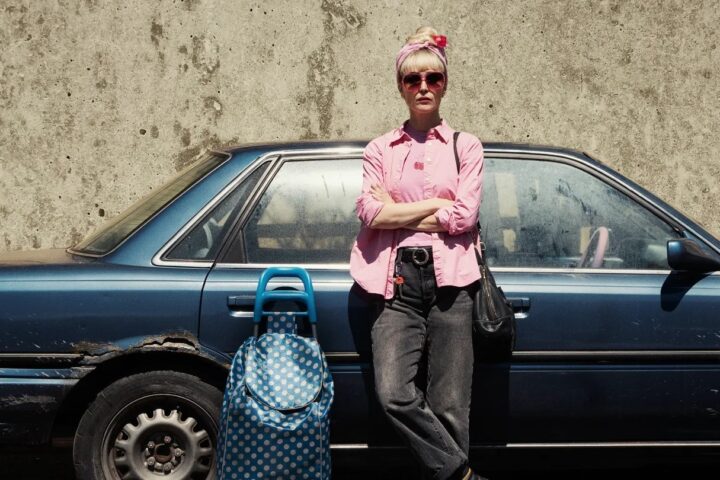
Maggie (Diana Silvers) and her recently single mother, Erica (Juliette Lewis), relocate to the latter’s hometown, an appealingly rustic place that’s lush with greenery and full of mom-and-pop shops, though their cul-de-sac is menacingly marked by a “Dead End” sign. Maggie quickly befriends a group of welcoming young townies who like to get their drink on. Standing outside the local liquor store, pleading with adults to buy them Fireball whiskey, they meet Sue Ann (Octavia Spencer). Soon rechristened Ma, she gets them what they want, but then anonymously narcs to the cops about their drinking spot—all the better to convince her new underage friends that it’d be safer just to party in her basement, which she tricks out to be a sick teen party pad. Her most important rule? Don’t go upstairs.
Ma isn’t hiding anything resembling Norman Bates’s mother up there. That plot point is basically a red herring, but Ma’s motives are ulterior, as she grew up in this town, with these kids’ parents, who humiliated her in the ’80s with a prank, in front of almost the entire school, that crossed the line into assault. She’s a bottled-up Carrie-type who’s been waiting 30 years to explode. When she recognizes one of Maggie’s new friends as the son of her chief bully, Ben (Luke Evans), she begins plotting a baroque revenge against her peers and their progeny. The film unfolds slowly, though, as a simmering character piece about the secrets of small towns.
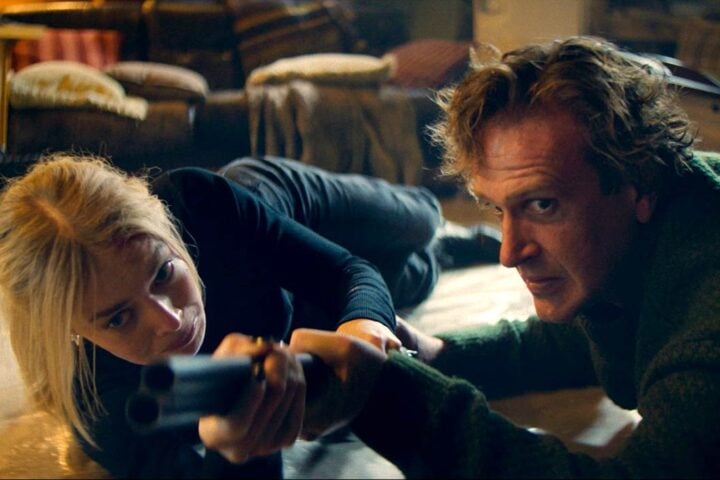
Spencer effectively captures the range of personas that Ma jumps between, sometimes several times in a single scene: the affable enabler, the calculated schemer, the weepy manipulator, the enraged self-defender. In flashbacks, we catch glimpses of the teenaged Sue Ann’s (Kyanna Simone Simpson) crush on Ben (Matthew Welch), the big man on campus, who uses and abuses her. Back in present, she eventually ties him up and threatens him with castration. Because Sue Ann is black, and the cool kids are predominantly white, you might suspect race plays a factor in their cruelty, but Taylor and screenwriter Scotty Landes don’t ever acknowledge that as an issue. Nor do they ever get around to coupling her abuse to the secret that’s caged up on her third floor, thus draining the film of coherent drama.
On the one hand, Ma acknowledges that the effects of abuse can be difficult to shake off. When Ben pleads that he was just a kid when he did a terrible thing to her, Sue Ann answers, painfully, that she was too. On the other hand, it turns its traumatized character into an unbalanced, maldeveloped crazy woman meting out disproportionate comeuppance—the sort of character whose violent death the audience should root for. You could credit the filmmakers, if you were being generous, with good intentions. But in the end, they just stigmatize victimhood, abusing Sue Ann almost as much as her former classmates.
Since 2001, we've brought you uncompromising, candid takes on the world of film, music, television, video games, theater, and more. Independently owned and operated publications like Slant have been hit hard in recent years, but we’re committed to keeping our content free and accessible—meaning no paywalls or fees.
If you like what we do, please consider subscribing to our Patreon or making a donation.