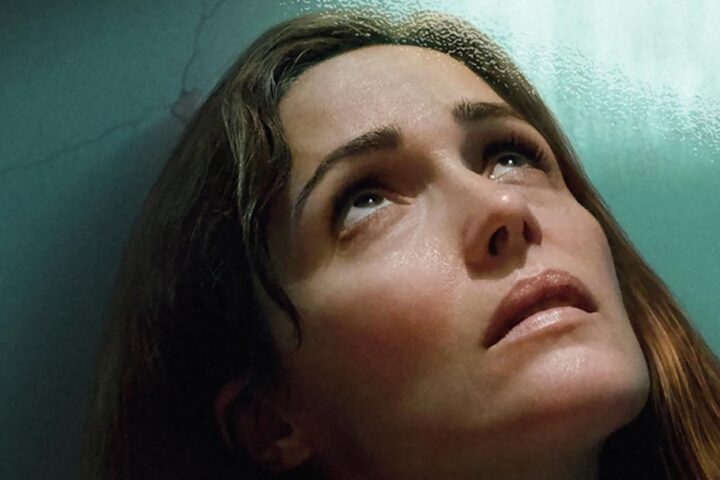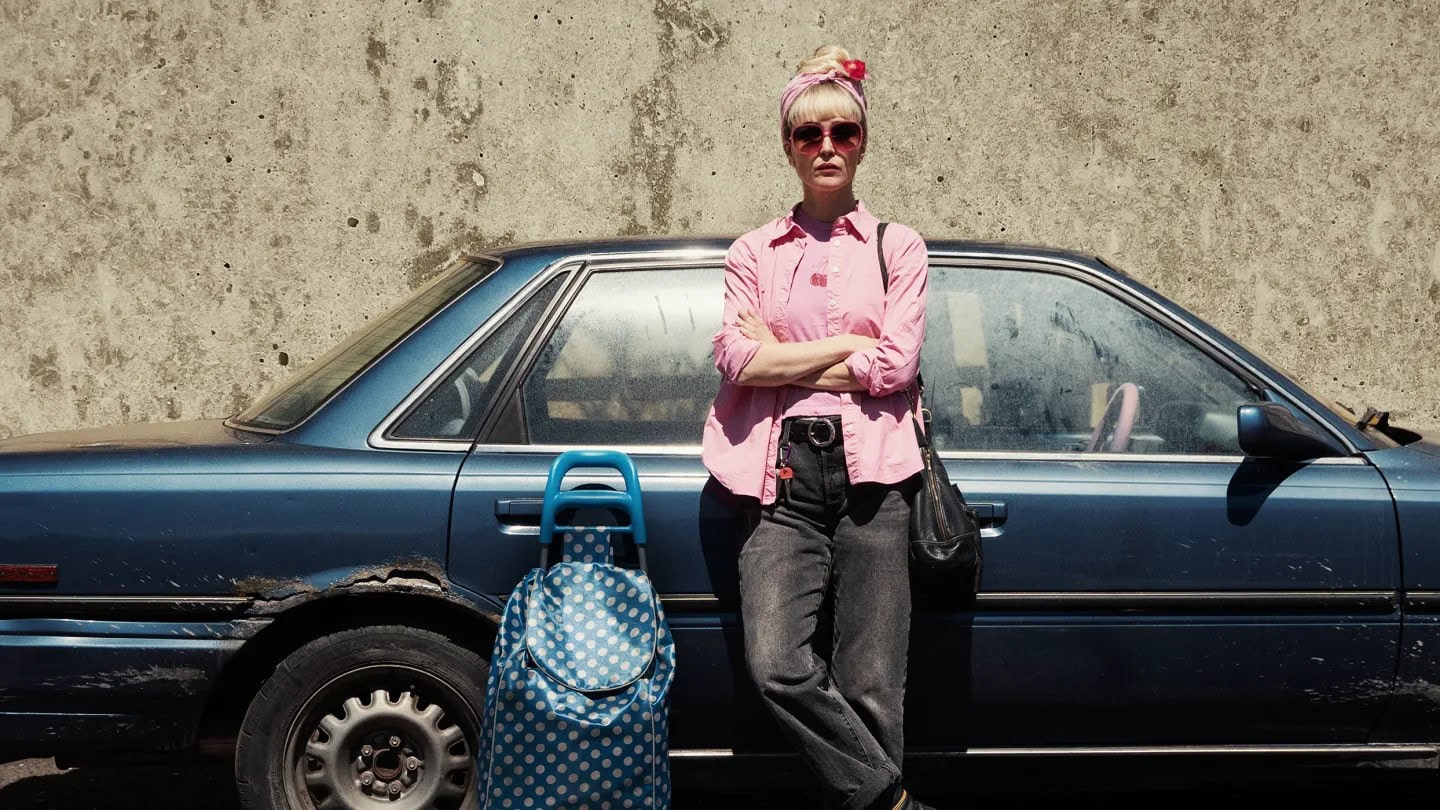
Stephanie Laing’s Tow overflows with sympathy for its protagonist, Amanda Ogle (Rose Byrne), a woman who takes a towing company to court for impounding the 1991 Toyota Camry she calls home. Throughout, we follow Amanda as she adjusts to life in a Seattle homeless shelter, all the while keeping her plight a secret from her estranged daughter (Elsie Fisher). But the film is hardly attuned to the dynamics of community-building, which may make you wish that it had taken the no less predictable but possibly more fruitful route of focusing on Amanda’s lawyer, Kevin (Dominic Sessa), as he learns a little something about himself.
Tow is flawed by a fundamental lack of authenticity. When Amanda sits down at a table next to women played by Ariana DeBose and Demi Lovato, the first thing you may notice is all of their thoughtfully contoured eyebrows. The characters, including the tough-love matriarch played by Octavia Spencer, are painfully circumscribed, prone to spewing homilies about how society treats “people like us.” Perhaps needless to say, we get a scene where Amanda opens up in group therapy, and one where Lovato’s Nova belts out a Christmas carol to show, I guess, that even someone who could probably score a hit on the Billboard chart isn’t immune from trauma.
If the legal proceedings are where the real story is, there’s still not much of one. Amanda’s case is so open-and-shut that the towing company deals exclusively in delay tactics. We glimpse their conniving litigator (Corbin Bernsen) at spas and golf courses more than we see him in a courtroom, and there simply isn’t much drama in watching this guy waste time. And like many films designed to highlight social issues, the intended indictment of systemic injustice is crowded out by the need to glibly tout one woman’s triumph of human resilience.
Since 2001, we've brought you uncompromising, candid takes on the world of film, music, television, video games, theater, and more. Independently owned and operated publications like Slant have been hit hard in recent years, but we’re committed to keeping our content free and accessible—meaning no paywalls or fees.
If you like what we do, please consider subscribing to our Patreon or making a donation.