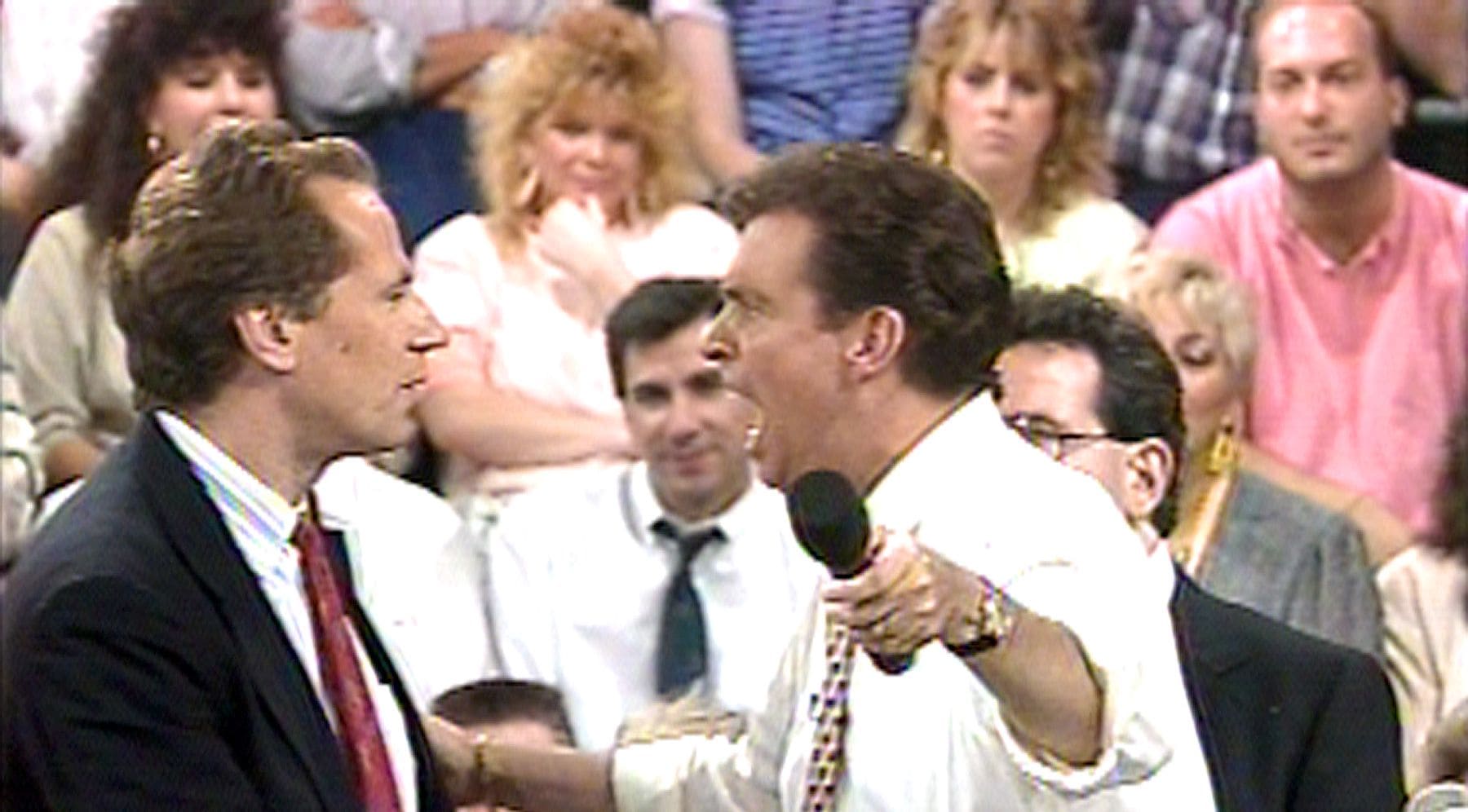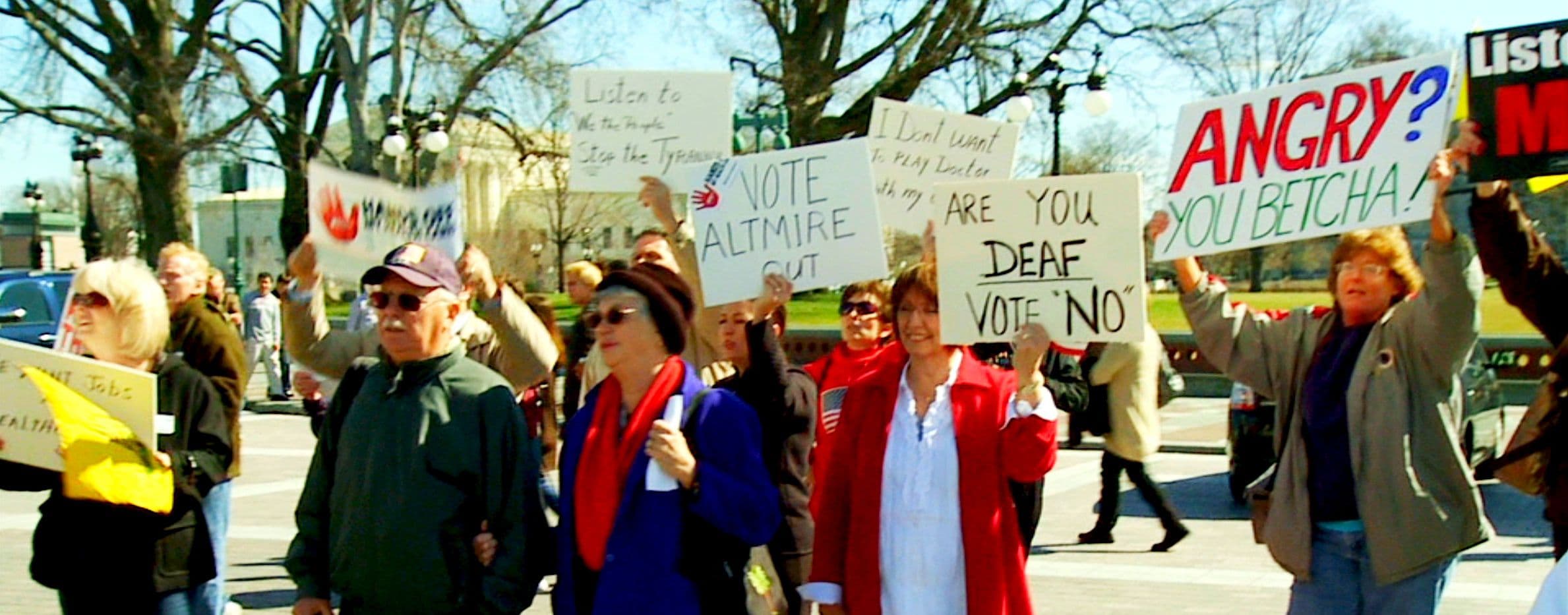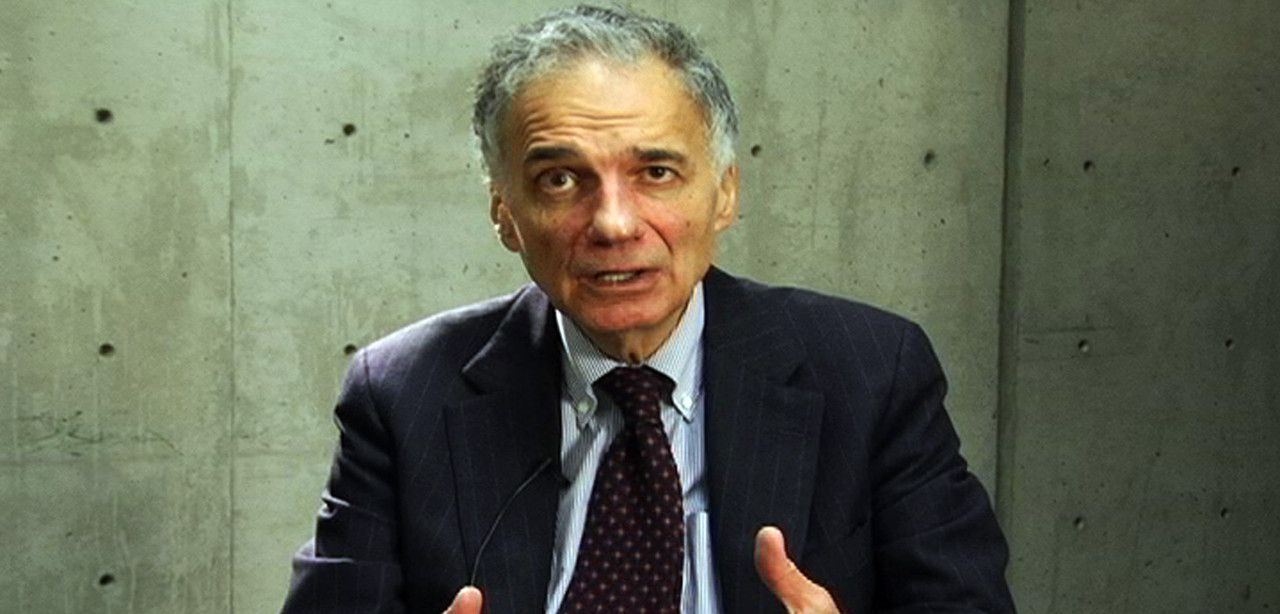
An Unreasonable Man offers a tribute to the career of Ralph Nader, whose dogged consumer advocacy efforts have led to a legislative record unparalleled in the country’s history. Seat belts, air bags, the Freedom of Information Act, and nuclear power safety measures (among many others) were all brought into being in large part through Nader’s efforts to fight governmental and corporate interests for the betterment of the citizenry, a legacy that Henriette Mantel and Steve Skrovan’s documentary elucidates with clarity and an appropriate measure of admiration. The directors’ no-frills, TV-ready approach results in a comprehensive recap of Nader’s achievements, highlighted by his stunning, career-making battle against GM that climaxed with the auto manufacturer trying to catch him in a compromising position (as part of a smear campaign) by sending a woman to seduce him at a grocery store. Yet their unbiased stance nonetheless frays when addressing—briefly at the start, and then for a disproportionately long stretch toward the end—their subject’s run for President in 2000 and 2004, the first of which continues to be blamed by many Democrats for Al Gore’s defeat.
Despite allowing The Nation’s Eric Alterman and Columbia University Journalism School professor Todd Gitlin to slam Nader as a megalomaniacal liar and idiot, Mantel and Skrovan (the former having once worked for the activist) largely take Nader’s own view of himself as a selfless workaholic whose campaigns were motivated by a noble and sensible desire to create a legitimate third political party. As Nader’s campaign staffers begin contending that the Green Party candidate had no effect on the 2000 election’s outcome, An Unreasonable Man’s allowance for differing viewpoints becomes a bit of a smokescreen, with the film revealing its true goal of reputation restoration. It’s an endeavor shot down by Nader critics—including former “Nader’s Raiders” colleagues—who convincingly eviscerate his claim that, because both are destructively beholden to special interests, there’s barely a shred of difference between the Democratic and Republican machines. If ultimately too rosy-eyed about his foray into presidential politics, however, Mantel and Skrovan’s doc does tap into the man’s steadfast, awe-inspiring (for better or worse) courage of conviction, a feature that liberal celebs like Michael Moore and Susan Sarandon—who are shown rallying for Nader in 2000, and then slandering and/or abandoning him in 2004—are shown to lack.
Since 2001, we've brought you uncompromising, candid takes on the world of film, music, television, video games, theater, and more. Independently owned and operated publications like Slant have been hit hard in recent years, but we’re committed to keeping our content free and accessible—meaning no paywalls or fees.
If you like what we do, please consider subscribing to our Patreon or making a donation.