With the ripples of the Covid-19 pandemic still reverberating through virtually every segment of society, including the music industry, it should come as no surprise that we may be witnessing the beginnings of a paradigm shift in pop music’s prevailing production styles. While our midyear roundup expectedly features some hip-hop and electronic-focused music, it also spotlights artists favoring a self-conscious guitar-centered approach that might have been chided as anachronistic only a few years ago.
Angel Olson and Big Thief, for one, both risked indie-crowd mockery by going country, in the process making some of their best work to date. But the newer artists on our list also favor organic approaches: Black Country, New Road made their woodwind-abetted post-rock opus just in time for their singer to leave the band; Ethel Cain debuted with dark, twisted heartland-meets-Southern gothic fare; and Wet Leg just want to fuck around with noisy guitars and saucy power-pop.
Whether or not this trend continues through the rest of the year and beyond, it seems clear that, like the rest of the world, pop music can’t just go back to what it was before. Jeremy Winograd

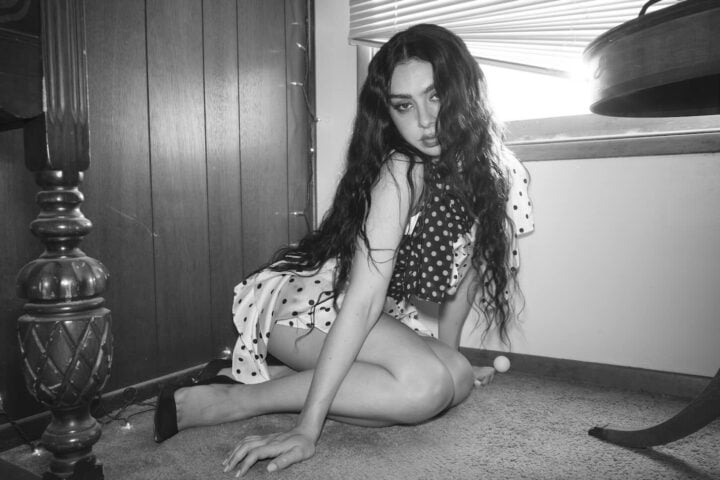
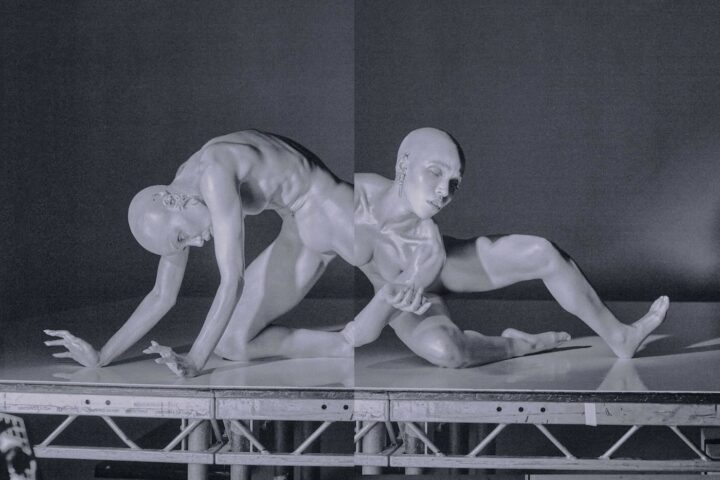
Charlotte Adigéry & Bolis Pupul, Topical Dancer
Belgium-based duo Charlotte Adigéry and Bolis Pupul’s debut album is a marvel that juggles several ambitious pursuits at once, accomplishing each with devastating ease. Topical Dancer is bursting with commentary about bigotry and feminism without ever feeling polemical or didactic, subverting its non-finger-wagging assertions with absurdism and non sequiturs. But most importantly, even while Adigéry is making memorable observations about consumerism, Topical Dancer never less than a delivery system for relentless dance-oriented grooves. Reminiscent of Lindstrøm and Christabelle’s Real Life Is No Cool—though the delineation between singer and producer isn’t as distinct here—the beats that Adigéry and Pupul cook up are elemental yet still deliciously percussive and bass-forward. Most of the songs utilize a charmingly rudimentary combination of guitar, drums, and bulging bass, with the occasional appearance of what sounds like a Moog analog synth on tracks like “Mantra.” Topical Dancer is a brainy, ethically conscious survey of modern cultural norms that both deconstructs and rejuvenates clichés, questions why we police other peoples’ behaviors in the first place, and Trojan Horses it all in the guise of a collection of bops. Charles Lyons-Burt

Bad Bunny, Un Verano Sin Ti
The scope of Bad Bunny’s 80-minute, 23-track Un Verano Sin Ti allows the Puerto Rican rapper-singer to explore the full breadth of his romantic and sexual proclivities. For the first several songs, the album immerses us in Benito Antonio Martínez Ocasio’s restless lust, his love of ass, and unabashedly dirty passion for the female form, which he conveys with an undeniably winning charisma over cheekily mournful reggaeton arrangements. Rather than play culture vulture and attempt to embody an ascendant style disingenuously, Bunny doubles down on his heritage and cultural identity. He pays tribute to the Afro-Caribbean communities of Puerto Rico with samba drumming on “El Apagón,” before declaring his love for the island’s women, closing the track with, “Esta es mi tierra, esta soy yo” (“This is my land, this is me”). Bunny’s paramours are, in fact, the protagonists of Un Verano Sin Ti, living lives that are, as he depicts with a melodramatic anguish, just outside of his reach. Lyons-Burt

Beach House, Once Twice Melody
Beach House’s music is defined by its crystalline production, melancholic lyrics, and singer Victoria Legrand’s smoky vocals. The Baltimore duo’s sound hasn’t changed drastically over their 15-year career, but their eighth studio album, Once Twice Melody, reflects their history while at the same time taking them in new directions. The album strikes a satisfying balance between Beach House’s melodic sensibilities and, though not as noisy as 2018’s 7, a willingness to take sonic risks. Whereas songs on the group’s past albums would often reach intensely emotional climaxes, the songwriting and performances on Once Twice Melody are more restrained and contemplative. Beach House’s hymn to the grandeur of relationships is, perhaps, the most musically diverse and thematically mature project the duo has released to date—an emphatic affirmation of life’s joys and sorrows. Thomas Bedenbaugh

Big Thief, Dragon New Warm Mountain I Believe in You
Over the course of Big Thief’s career, the indie-folk band has mostly relied on a simple musical palette. But on their fifth album, Dragon New Warm Mountain I Believe in You, they embrace a wider array of influences than ever before, including Americana and noise rock. The result is a sprawling double album that finds expressive power in its scope and experimentation. As is frequently the case with double albums, the question arises of whether the quality and scope of the songs justify the runtime. The answer here is a resounding yes. Bedenbaugh

Black Country, New Road, Ants from Up There
Black Country, New Road’s stunning sophomore effort, released just under a year after their debut, For the First Time, is an artfully constructed and emotionally charged rock album that compresses its Arcade Fire-style cinematic sensibilities into the quietness and repression of a post-Covid existence. Between its rich instrumentation and (now former) lead singer Isaac Wood’s guttural vocals and candid, wise-beyond-his-years lyrics, Ants from Up There is explosively creative. The album reaches its emotional apex on “The Place Where He Inserted the Blade,” with Wood singing, “I’ll praise the Lord, burn my house/I get lost, I freak out/You come home and hold me tight/As if it never happened at all.” Eric Mason

Ethel Cain, Preacher’s Daughter
Twenty-four-year-old Alabama-based singer-songwriter Ethel Cain’s debut album plays like a rock opera version of an A24 horror flick. You can practically see the whole thing play out in sepia tones: Southern gothic romance; religious trauma; a gruesomely tragic ending. The deep-dark-woods Americana music on Preacher’s Daughter is clearly indebted to Lana Del Rey and, in a couple of pop-country-inflected moments, like the splendorous “American Teenager,” Taylor Swift. But Cain’s twisted torment makes the former’s shtick sound like mere teen angst by comparison. These nearly 80 minutes of oppressively slow-moving, increasingly sinister-sounding power balladry certainly aren’t for the faint of heart. Winograd

Father John Misty, Chloë and the Next 20th Century
While sentimental traditional pop might not have been the most expected turn for a singer-songwriter best known for his sardonic worldview, Chloë and the Next 20th Century draws out Father John Misty’s longstanding romantic streak with some of his most playful and heartfelt songs to date. “Goodbye Mr. Blue,” which follows a bombastic big band opener, gracefully weaves together a breakup story, musings on mortality, and an elegy for a cat over a delicate country instrumental reminiscent of Glen Campbell. Elements like the aching warble of “Kiss Me (I Loved You)” and bossa nova of “Olvidado (Otro Momento)” flesh out the album’s retro palette and elevate what could have been a flat pastiche to a baroque and nuanced update of lounge music. Even with its measured pace and bittersweet nostalgia, the album is as gripping as I Love You, Honeybear, as incisive as God’s Favorite Customer, and as fun as any Father John Misty effort to date. Mason

FKA twigs, Caprisongs
A stylistic departure from her customary brand of smoldering electronica and vulnerable art pop, FKA twigs’s first mixtape is not just a platform for exploring her various genre influences, but a display of the defiant, flirtatious, and witty dimensions of her personality. Caprisongs is a mercurial compilation of slick, radio-ready collaborations, from the Weeknd to Shygirl, and teetering experimental pop that shows off the full range of her dynamic creative instincts. Much like Rosalía’s Motomami, Caprisongs often feels fanciful and freewheeling, qualities best exemplified by its opener, “Ride the Dragon.” The song begins with a self-referential spoken introduction before bursting into a tittering and sensual R&B jam replete with touches of twigs’s glimmering falsetto and slicing sound effects reminiscent of her practice of swordplay. Just as twigs has picked up and mastered a wide array of talents, she’s also proven that she can deliver a protean body of work that feels distinctly her own. Mason

Hurray for the Riff Raff, Life on Earth
Singer-songwriter Alynda Segarra (who uses both “she” and “they” pronouns) spends much of Hurray for the Riff Raff’s seventh album trying to outrun the past and embrace the present, admirably managing to find beauty in a fucked-up world. Segarra’s new perspective becomes glaringly apparent within the first 30 seconds of Life on Earth. “Go away from here, darling/The wolves have arrived at your door,” they sing on “Wolves,” as a silky midtempo electro-pop groove thrums around her. While there’s a lot to run from in the world today—some of which Segarra candidly confronts here—an entire album concerned with running away could quickly get exhausting. But Life on Earth is far from just doom and gloom. After the first few songs, Segarra seems to find themselves not just running from but running to some kind of spiritual enlightenment. Winograd
Jenny Hval, Classic Objects
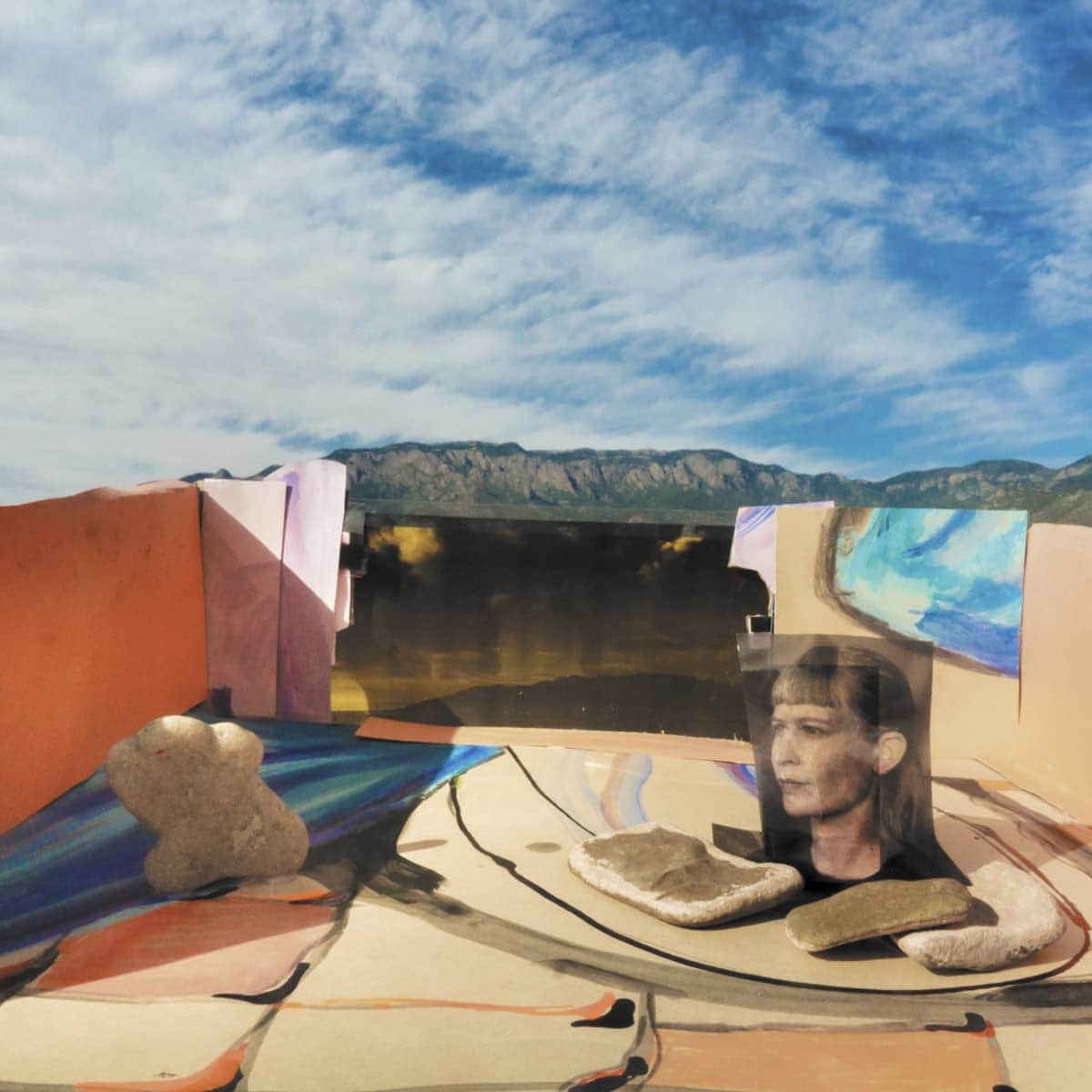
Jenny Hval’s music has always been subversive, with her borderline-clinical dissections of love and identity favoring highly literate, complex lyricism over pop immediacy. On Classic Objects, the Norwegian singer-songwriter steps outside of herself to consider her position as an object of the intertwining systems of capitalism and patriarchy. While Hval muses on “the industrial happiness complex” and envisions life after its collapse from a characteristically askew perspective, her song structures, which introduce ambient drones and textured percussion with measured pacing, surprise and captivate as often as her lyrics. Mason

Kendrick Lamar, Mr. Morale & the Big Steppers
Kendrick Lamar has long established a reputation for fearlessly confronting his inner demons, wielding his music as a tool to purge his doubts and insecurities. But the rapper has never been quite as bracingly self-interrogating as he is on his fifth studio album, Mr. Morale & the Big Steppers. Dotted with the alternately nurturing and combative feedback of his partner, Whitney Alford—who begins the album urging him to “tell ‘em the truth”—as well as snippets of advice from spiritual guide and self-help author Eckhart Tolle, the album is an at times uncomfortable balance of self-evaluation and social critique. Mr. Morale & the Big Steppers can be emotionally ugly, even unpleasant, but it never feels less than completely authentic. Though the album isn’t Lamar’s most incisive work, it’s a gripping treatise on the codependent relationship between his inner turmoil and an ever-evolving cultural landscape, its bluntness a risky externalization of deep-rooted confusion spurned by political upheaval. Lyons-Burt

Cate Le Bon, Pompeii
Diverging from the shaggy folk-rock stylings of her earlier work, Cate Le Bon’s Pompeii is new wave all the way. And while there are obvious classic touchstones here—Talking Heads, Berlin-era Bowie, John Cale—the album’s glassy synths, woozy grooves, and ethereal melodies build a dreamscape that’s all Le Bon’s own. It’s an album defined by dualism: music that’s as slick and poppy as it is arty and disorienting; lyrics that veer suddenly from the quotidian to the abstract; pandemic-inspired themes that can be understood simultaneously as deeply personal rumination and sweeping societal analysis. On the exquisite “Moderation,” she brings it all together: “Picture the party where you’re standing on a modern age/I was in trouble with a habit of years/And I try to relate.” Neither fully of the past nor the present, Le Bon exists in her own bewitching world. Winograd

Mitski, Laurel Hell
Much has been said about where Laurel Hell fits in Mitski’s oeuvre and whether it reaches the heights of her past releases, but in and of itself, Mitski’s sixth album is an emotionally charged look into her tumultuous relationship with her status as a public figure and yet another display of her adept songcraft. While “Valentine, Texas” will inevitably be compared to songs like “Geyser” and “Texas Reznikoff,” it’s not just a worthy successor but also a brooding and stirring start to an explosive and tortured album. Other highlights emulate the repetition and reckless abandon of ’80s synth-pop to channel the fervent yearning that Mitski has so elegantly conveyed through the rock and art pop of her previous albums. Laurel Hell is also the first Mitski release since her debut not to feature a deeply despondent outro. Instead, she closes the album with the cry-dancing “That’s Our Lamp,” which magnifies the small moments of a dying relationship, leaving us with a simple, devastating, classically Mitski mantra: “That’s where you loved me.” Mason

Angel Olsen, Big Time
Not unlike Kehlani’s Blue Water Road, Angel Olsen’s country-inflected Big Time was inspired by the singer-songwriter’s coming out and, as with Kehlani’s album, you can hear her newfound liberation in the airy and unencumbered sonics. Take the title track, with its blithe acoustic guitar strums and carefree pedal steel. Olsen marries these easygoing, wistful sounds with lyrics about sacrificing parts of yourself in order to reach new frontiers: “And I’m losin’, I’m losin’, I’ve left it behind/Guess I had to be losing to get here on time.” Shedding past selves and embracing an adult, come-what-may flexibility is a running theme throughout Big Time. Olsen arrives at a particularly resonant conclusion on “Go Home”—“Forget the old dream/I got a new thing”—and realizes it with her signature quiet power and sneakily walloping, just-short-of-melodramatic pathos. With Big Time, Olsen proves that she’s just as adept a country torch singer as she is a punky rapscallion, scruffy indie rocker, or chamber-pop chanteuse. Lyons-Burt
Pusha T, It’s Almost Dry
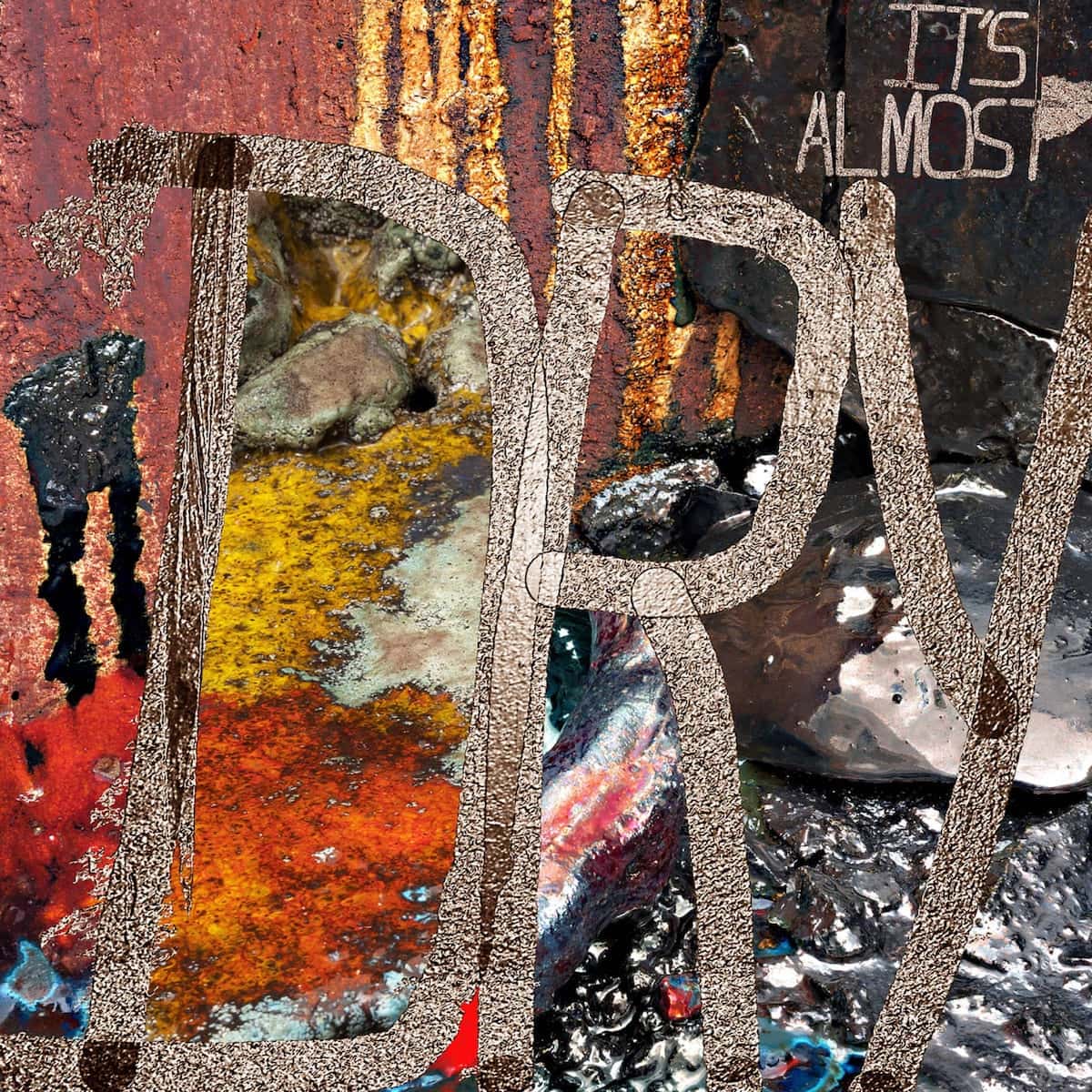
For his fourth album, It’s Almost Dry, Pusha once again enlists Kanye West along with fellow Virginia native Pharrell to create a paranoiac, vacuum-sealed atmosphere. The latter’s circular piano lines and hissing snares expand on Ye’s established palette, as Push offers his pun-filled verses with a measured, hypnotic confidence—never frantic or hurried, which is ironic given the effects of the powder he fixates on. These fable-like cartel yarns are treated by the MC as absolute, stone-faced realism (though there are wisecracks aplenty, like “Cocaine’s Dr. Seuess”), which fascinatingly heightens the sense that the posturing and tall tales are concealing a vulnerability that we’re never allowed to access through all of the perfectly composed artifice. “Tennis chains to hide all my blemishes,” Push spats on “Just You Remember.” Maybe one day he’ll reveal what those are, but the intricately constructed It’s Almost Dry is still part of a now decades-long roll-out attesting to his bravado—and we’re not complaining. Lyons-Burt
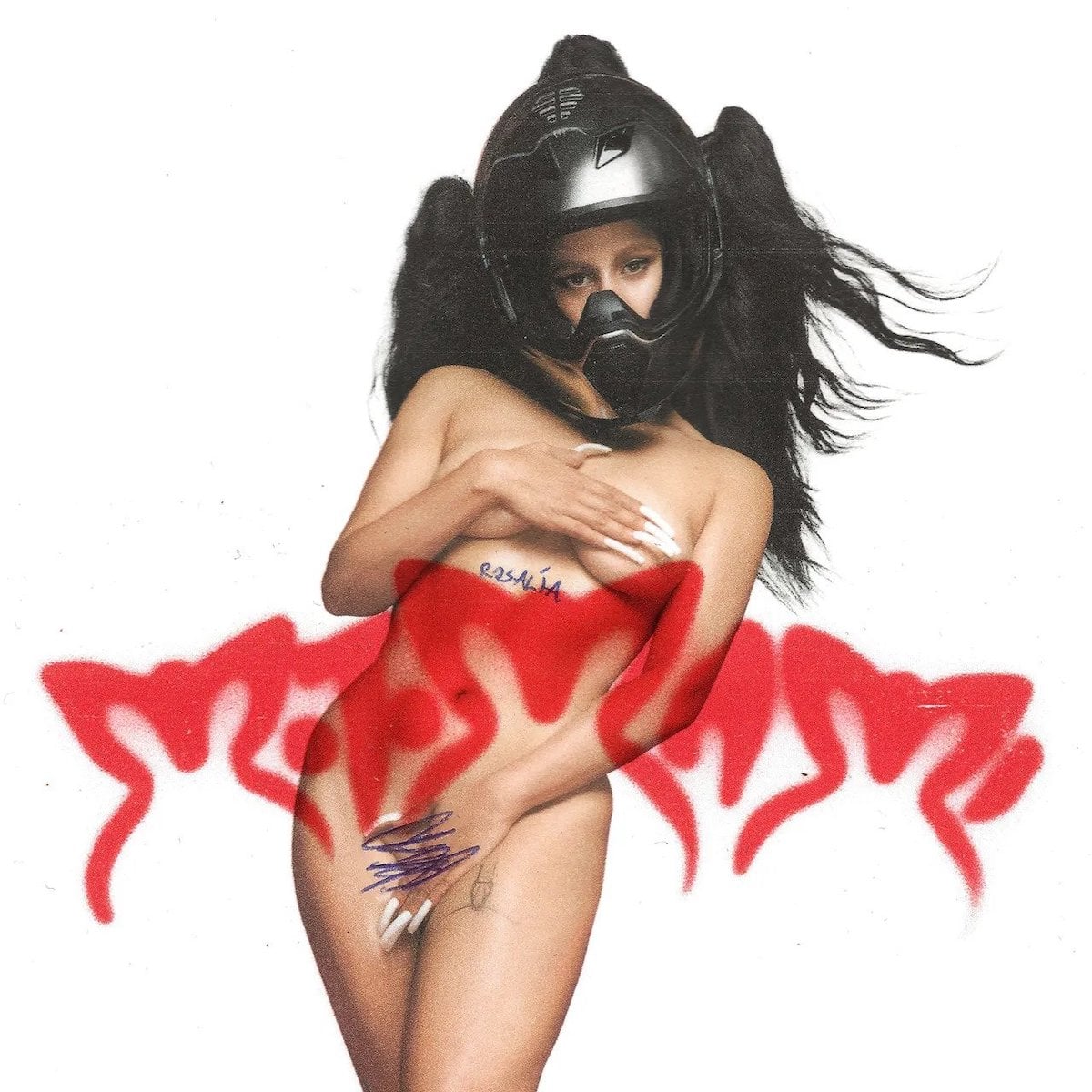
Rosalía, Motomami
Rosalía’s third album, Motomami, is a tour de force of genre hybridization. Throughout, the Spanish artist employs the sounds of reggaeton, R&B, flamenco, hyperpop, and hip-hop, among others, to create a collection of deeply personal songs in which she wrestles with questions of transformation, fame, and heartbreak. In taking bits and fragments from both her previous work and that of her contemporaries, Rosalía has fashioned an album rife with the contradictory sounds, lyrical themes, and artistic impulses of the past and present. Motomami’s cover art provides an apt visual summation of the album’s, and Rosalía’s, attitude toward its audience—acknowledging that she’s at once exposed yet enveloped by an air of mystery and danger that demands our attention. Bedenbaugh
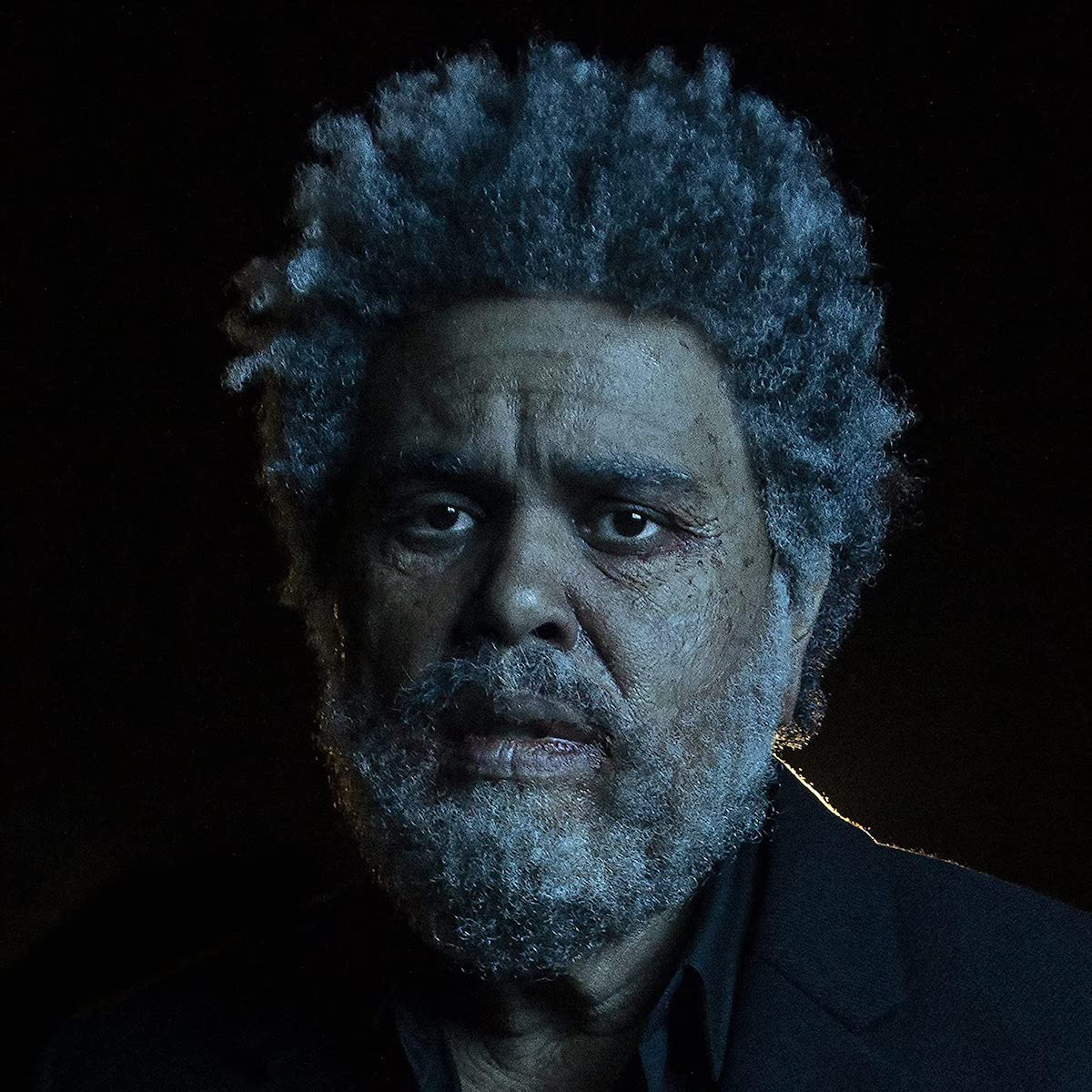
The Weeknd, Dawn FM
A sense of nihilistic dread permeates the Weeknd’s fifth album, Dawn FM: “I know there’s nothing after this/Obsessing over aftermaths/Apocalypse and hopelessness,” he sings on “Gasoline.” The artist’s music up to this point has been preoccupied with seeking escape from the harsh realities of life through sex, drugs, and other forms of debauchery—and, apparently, a fascination with the cosmos. Rather than looking outward or upward, though, Dawn FM is a woozy, psychedelic deep dive inside the artist’s famously twisted psyche. The album plays out like a series of radio transmissions from a transitory afterlife, with fellow Canadian Jim Carrey serving as disc-jockey-cum-spiritual-guide. Sal Cinquemani

Wet Leg, Wet Leg
On their self-titled debut album, Wet Leg quote Mean Girls and sophomorically chastise horny boys, all the while nicking directly from seemingly every strain of power pop from the last 50 years. Are we really supposed to take this seriously? In short, hell no. This is a hangout album in pure form, replete with silly sex jokes and acerbic, dorm room-style banter. But force of personality can only get you so far, and Wet Leg would probably grow tiresome if it weren’t bursting with lean, spiky guitar-pop that’s so simple yet so catchy. Winograd

Nilüfer Yanya, Painless
British-Turkish singer-songwriter Nilüfer Yanya’s Painless is composed of 12 pristine jams propelled by brisk, understated electric guitar riffs that are infectious and addictive in their unassuming low profile. The production fleetly balances polish—there’s a new-wave panache to the synth work on tracks like “L/R” and “Shameless”—with more handmade textures that result in pleasurably vibe-y music about being disaffected and burdened with a host of little problems. Yanya’s vocals compellingly oscillate between breathy high and smoky low registers, as if she’s expressing different parts of her psyche, a one-person choir of conflicting emotions. Sometimes she multi-tracks her voice to toss off asides in the background; during the outro of “The Mystic” she masterfully yet subtly mixes vocalizations, intonations, and moods. But the guitar is always working to complement her sensory state, as found in the dissonant wails and tumult it exudes during “Trouble” as the singer acutely, bluntly describes her pain. Lyons-Burt
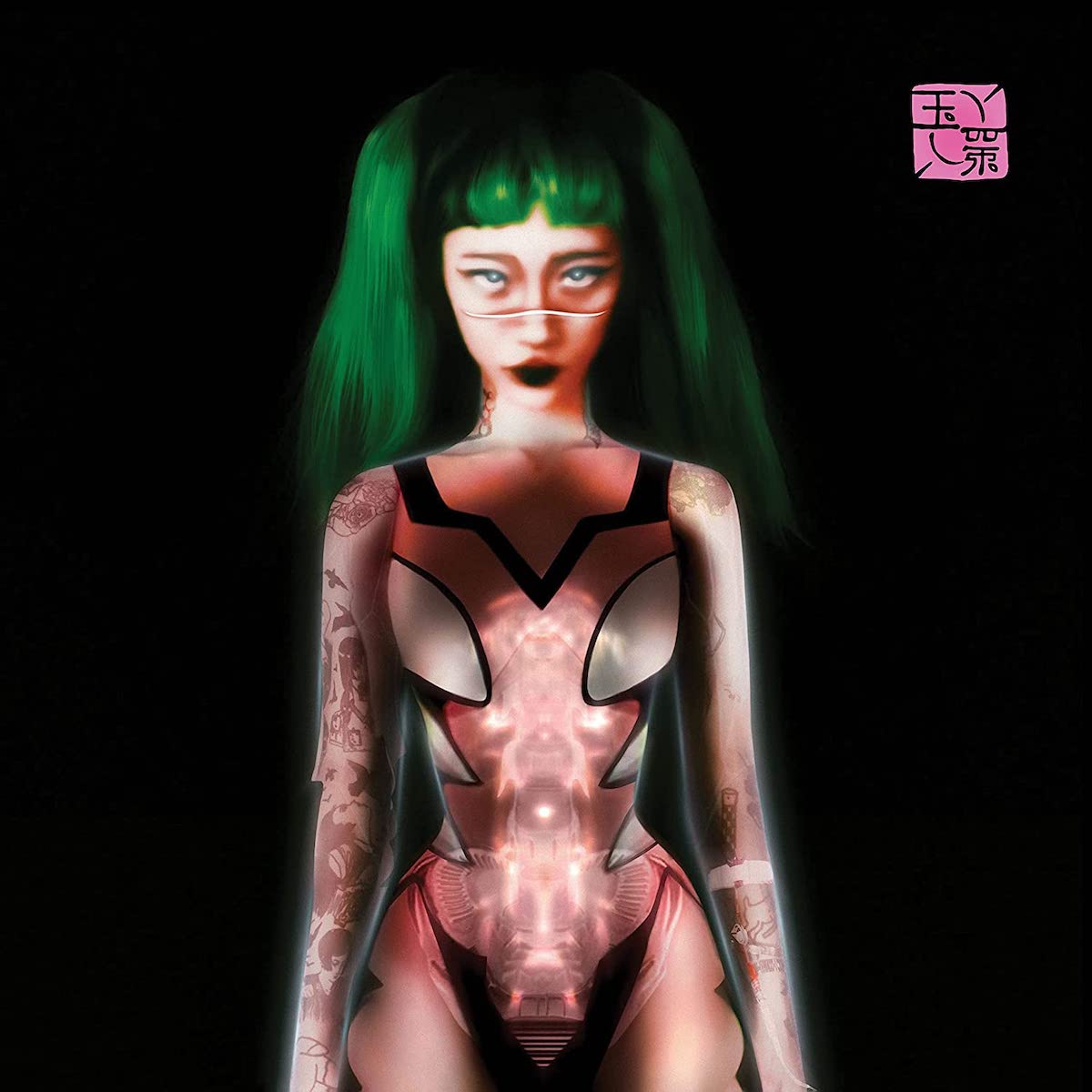
Yeule, Glitch Princess
Whereas Yeule’s debut, Seratonin II, was shrouded in metaphor, distortion, and melodramatically macabre imagery, Glitch Princess is an equally ethereal and excoriating self-examination. Working with producers including PC Music alumnus and Caroline Polachek collaborator Danny L Harle, Yeule lifted their signature veil of ambient fuzz to proudly display such standouts as the emo “Don’t Be So Hard on Your Own Beauty” and climactic “Bites on My Neck.” Much of the album comprises morose and predictably glitchy dirges for unhealthy body image and tainted love, proceeding with a wounded stagger through sounds that evoke split wires and malfunctioning androids. Its moments of magnificence, like the soaring “Electric” and Satoshi Kon-referencing “Perfect Blue,” are also undercut by noise and morbidity. On Glitch Princess, there’s no respite from the agony of inhabiting an imperfect self; rather, there’s catharsis in rejecting the limitations of that form and beauty in radical self-acceptance. Mason
Since 2001, we've brought you uncompromising, candid takes on the world of film, music, television, video games, theater, and more. Independently owned and operated publications like Slant have been hit hard in recent years, but we’re committed to keeping our content free and accessible—meaning no paywalls or fees.
If you like what we do, please consider subscribing to our Patreon or making a donation.