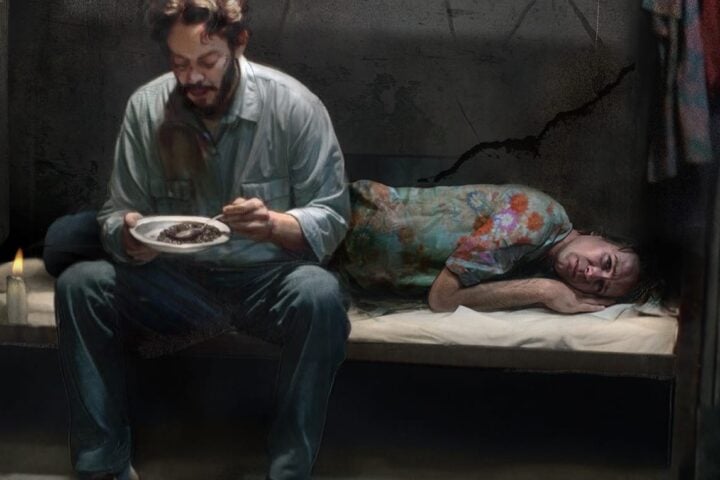
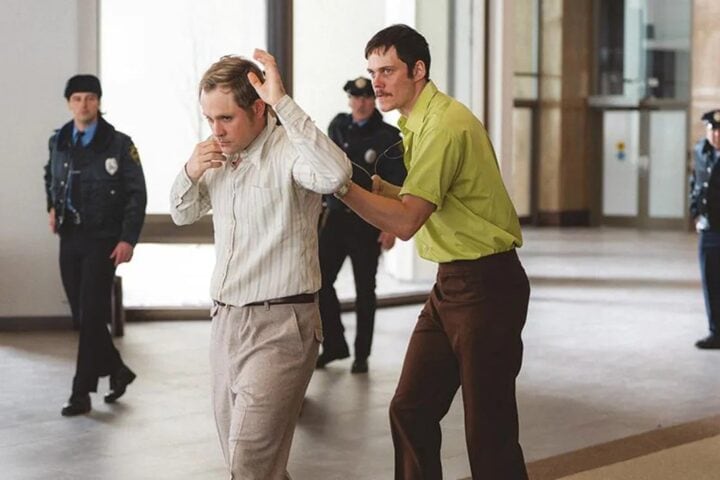
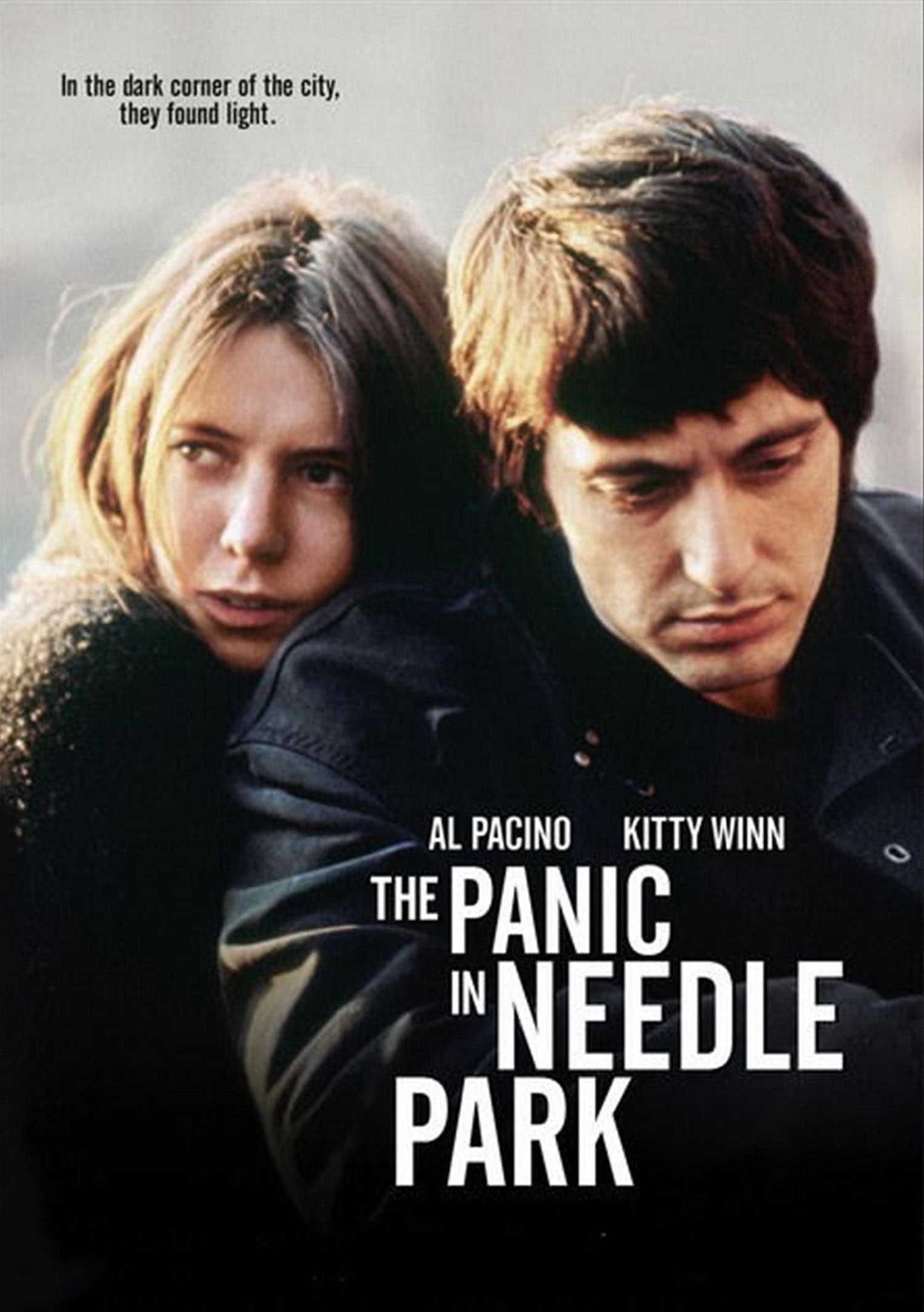
 In many ways the harsh hangover to the previous decade’s hope-filled high, American film in the ’70s extracted much of its power from documenting the fallout from the dreams of the ’60s. Bleak and intimate, The Panic in the Needle Park rolls up the drug culture’s sleeve and picks at the scabs underneath. The title of Jerry Schatzberg’s account of heroin abuse refers to the drug trade in New York City’s Sherman Square, which provided local addicts with an illusory feeling of community. Helen (Kitty Winn) is first spotted in a crowded subway car following a clandestine abortion, and the muted pain in her soft face sets the film’s tone of neurasthenic distress. Lost in the city, she falls for Bobby (a jittery, charismatic Al Pacino), a small-time smack pusher who introduces her to the world of strung-out junkies and tricks; the two self-deceivingly hope to keep their romance intact amid the squalor, but, as a narc (Alan Vint) puts it, no addict is above betrayal when their habit is put on the line. A relatively unsung chronicler of ’70s alienation, Schatzberg is scrupulously attuned to the telling movements of his wounded characters, and, having gotten fashion-mag sleekness out of his system in Puzzle of a Downfall Child, vividly embraces the uncomposed grime of their milieu. Shot in a loose, semi-improvised style, the film strains for physical details—the process of shooting up, from mapping out a usable vein to the rush of a needle hitting home, is graphically documented—yet it is the offhand emotional moments that linger, like the quietly devastating instant that Bobby hugs Helen and notices for the first time that she’s become a junkie like him. Remembered mainly as the neophyte Pacino’s launching pad into Godfather stardom, the modestly scaled, harrowing Panic in Needle Park has over the decades proven to be nearly as influential as Coppola’s blockbuster, setting a cinematic template later used by Drugstore Cowboy, Requiem for a Dream, and a good deal of Sundance Channel fodder.
Image/Sound
The rather crummy transfer perversely benefits the film’s gritty scheme, effectively highlighting sallow skin tones and the perpetual five-o’-clock shadow of the lighting. The same applies to the soundtrack’s mix of background noise and mumbled dialogue, with some unfortunate echo effects.
Extras
The only extra is the film’s theatrical trailer, which tries to foreground its doomed-romance aspects.
Overall
A sample of ’70s grit worth reviving, though anybody fiending for a fix of extras will be worse off than the film’s craven addicts.
Since 2001, we've brought you uncompromising, candid takes on the world of film, music, television, video games, theater, and more. Independently owned and operated publications like Slant have been hit hard in recent years, but we’re committed to keeping our content free and accessible—meaning no paywalls or fees.
If you like what we do, please consider subscribing to our Patreon or making a donation.