These shows prove the marathon-watching juggernaut’s concern for both quantity and quality.


These shows prove the marathon-watching juggernaut’s concern for both quantity and quality.
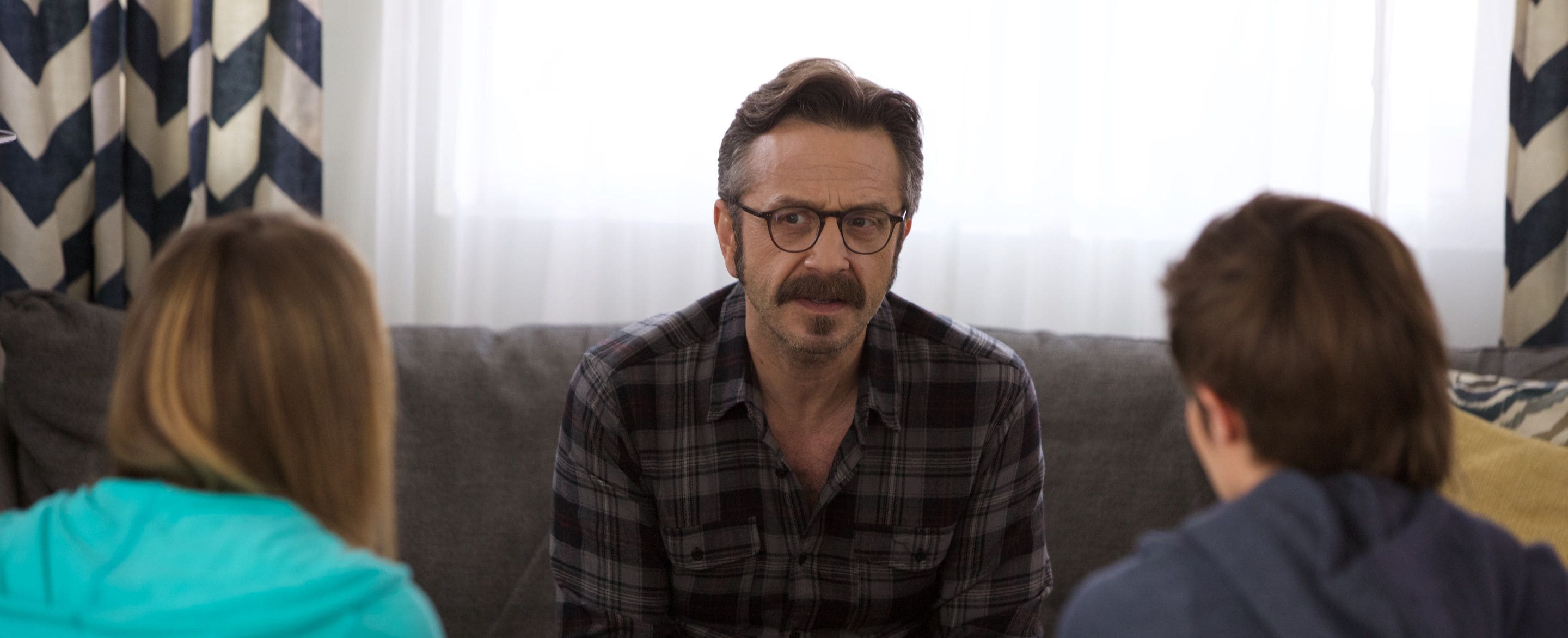
The first couple of episodes of season three of Maron are slight to the point of near nonexistence.

Last night’s episode of Mad Men is all about life as a series of entrances and exits.

Considering how many people are neither feared nor loved in “Sons of the Harpy,” respect is all that matters.

Perhaps the clever conceit of plumbing scientific texts for episode titles and structuring themes has run its course.
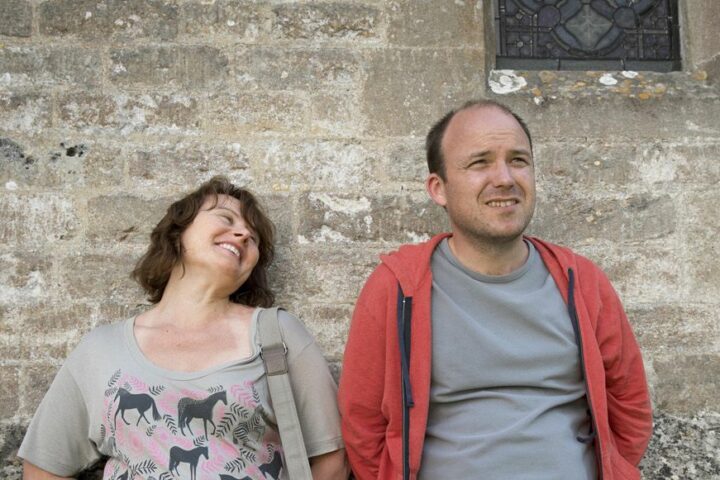
Like J.K. Rowling’s Harry Potter books, The Casual Vacancy is informed with a Dickensian outrage with class inequality.

The dark truth at the center of the episode is that business is always personal.

Despite being home to the Faceless, the House of Black and White is filled with a variety of visages: statues to the various gods of Westeros.

Tonight’s episode of Orphan Black comes all too close to the grievous error of which its title warns.

The show understands that in the wrong hands, belief, whether ideological or supernatural, may be no more than a kissing cousin to the violence it justifies.

Happyish is the TV equivalent of a rich, materialistic smartass who’s obnoxiously insisting that they’re sensitive inside.

The writers also confront the dangers of not staying in the present.

It’s fitting that the titular House of Black and White is home to No One, for if there’s anything true of Westeros, it’s that nothing is ever black and white.

More evidence that Maslany’s is the best performance on TV, but it’s unclear if the show can keep pace.
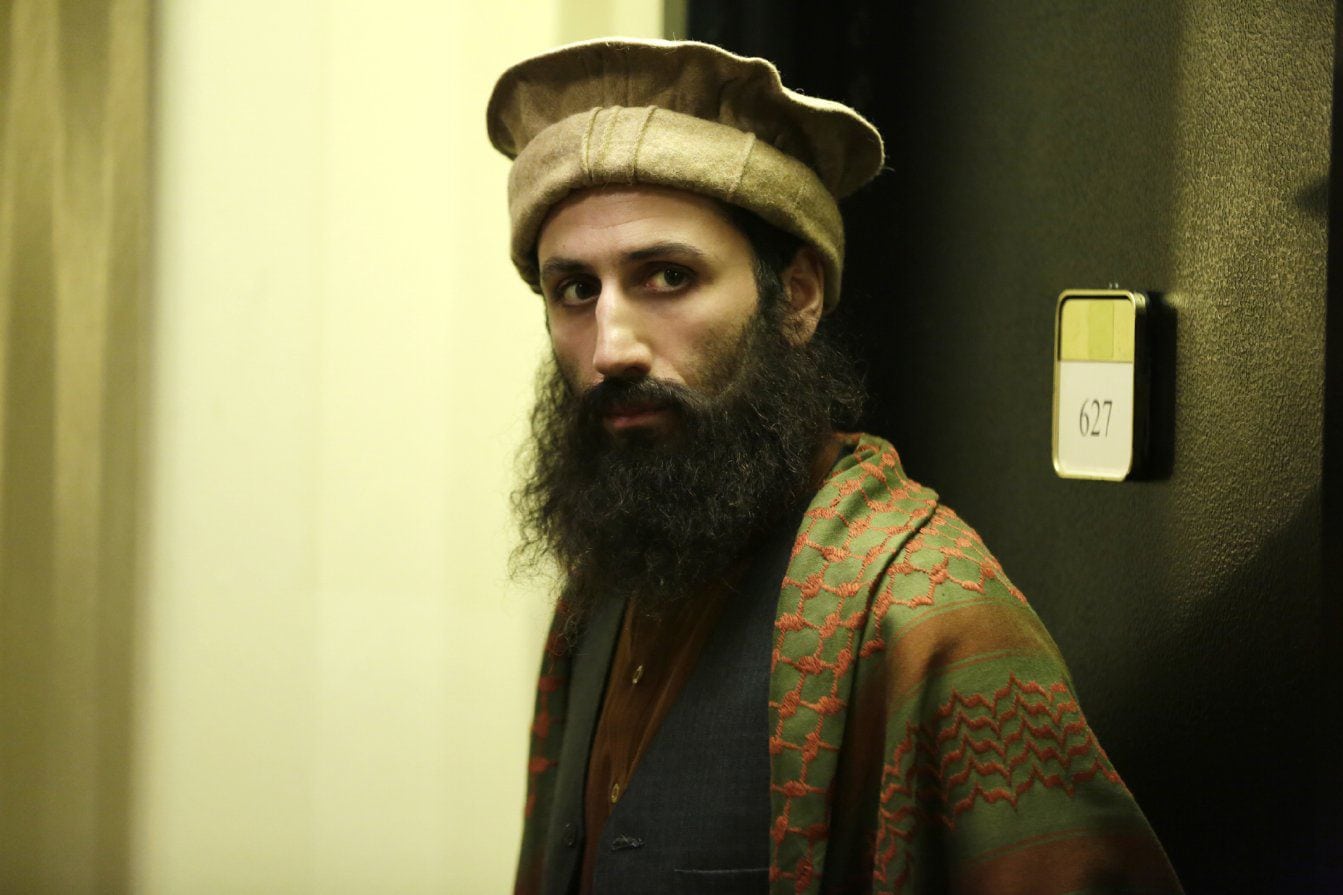
Indeed, it’s another faintly electronic rhythm, this one a music cue, that sends this dazzling season of The Americans hurtling toward its conclusion.

Before one can start new business, one must settle old business.

Once upon a time, two girls walk through a forest, muddying up their fancy clothes in search of a fortune-telling witch.

In the show, even the most progressive form of capitalism hinges on a want to sublimate personal feelings, desires, and opinions.

Daredevil’s fight scenes are infused with the struggle of the poor and lower-middle class, and choreographed with thrilling uncertainty.
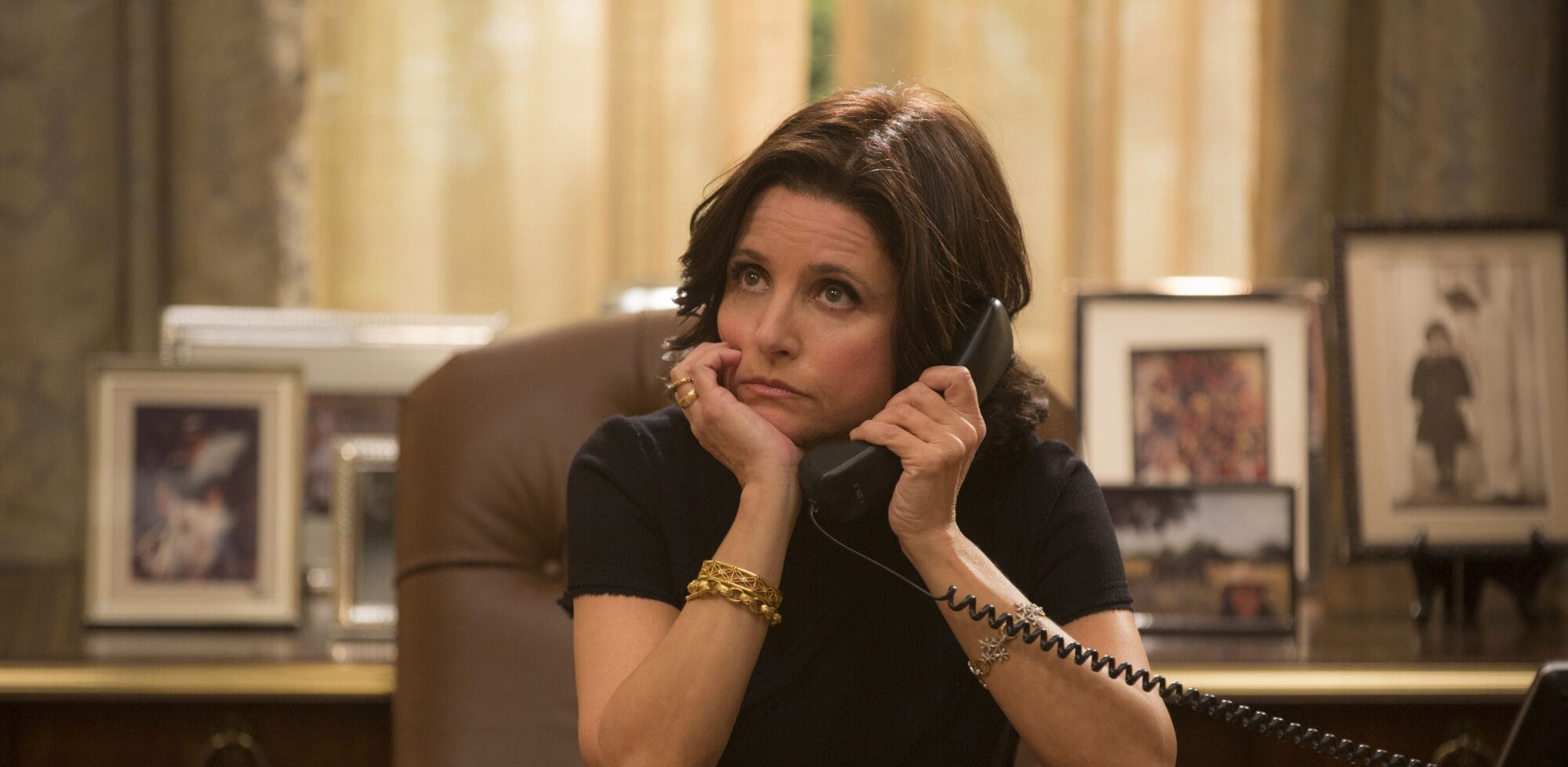
Veep has become a vulgar, merciless satire of the emptiness of power itself, as funny as a knife in the side.

It prepares the characters to reel in the big fish they’ve been tracking lately, yet never quite assuages the niggling feeling that these efforts will become a tangled mess.