The singer has yet to discover a sound or sensibility that truly distinguishes her.


The singer has yet to discover a sound or sensibility that truly distinguishes her.

Dunes is essentially a disillusioned adult’s perspective on the idealism of their halcyon days.

The album contains only a few songs that withstand repeated listens.

Ghettoville is a 70-minute high-wire act, equal parts musique concrète and concrete jungle.
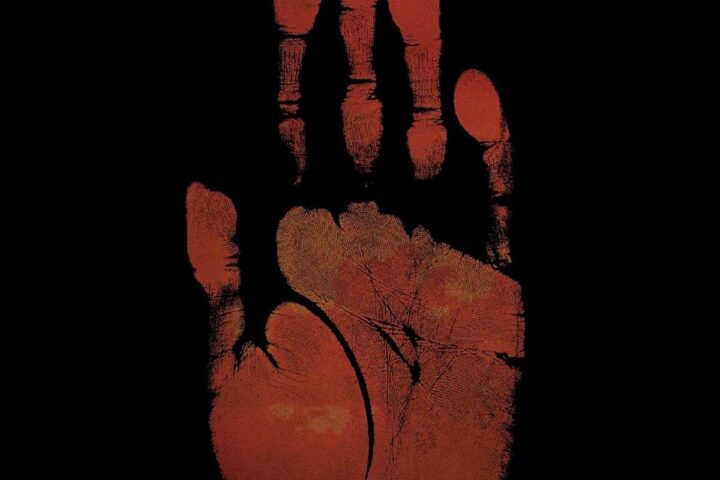
Bad Debt is utterly ageless, like a surviving relic from time immemorial.

Dum Dum Girls’ Dee Dee Penny has settled into a groove as a reliable source of hip, guitar-driven garage-pop.

Last year I made the mistake of second-guessing the Academy’s recent trend of awarding the biggest selling album in this category.

Few Grammy categories are as easily derided as Best New Artist, which with each passing year continues to push the word “new” to the absolute limits of its meaning.

NARAS’s manifesto says the Academy will choose Record of the Year based on artistry alone, “without regard to sales or chart position.”

Patterns, history, tradition. These are often the only tools that showbiz awards prognosticators have at their disposal.
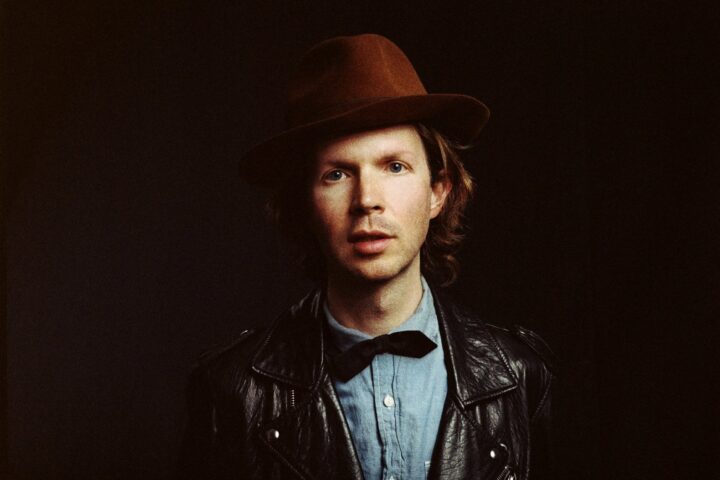
Beck has unveiled the first single from the long-awaited Morning Phase.

Have Fun with God is a featureless expanse of echoing congas, with Callahan occasionally rising from the depths to sing something.

Starting tomorrow, we’ll predict the winners in all four General Field categories of the 56th Annual Grammy Awards.

Warpaint’s self-titled sophomore effort finds the Los Angeles quartet moving toward a more subdued, ethereal sound.

The sound of Fading West is all too familiar.

Angel Guts is yet another example that the world needs a guy like Jamie Stewart treating music the way Jamie Stewart does.

This morning Colombian singer-songwriter Shakira premiered her new duet with Rihanna.

Give the People What They Want finds Sharon Jones at her most vocally ferocious, lending a self-assured voice to the down and out.

High Hopes covers a fair bit of ground while remaining generally consistent in quality.

Post Tropical succeeds in proving that music is often at its most compelling when it can’t be compared or reduced to much of anything at all.

If the quest for the self amid rugged terrain and religious- and drug-tinged language is a time-honored American one, Jurado chronicles it guardedly, if not impersonally.