The songs rarely cohere into anything greater than the sum of their individual parts.
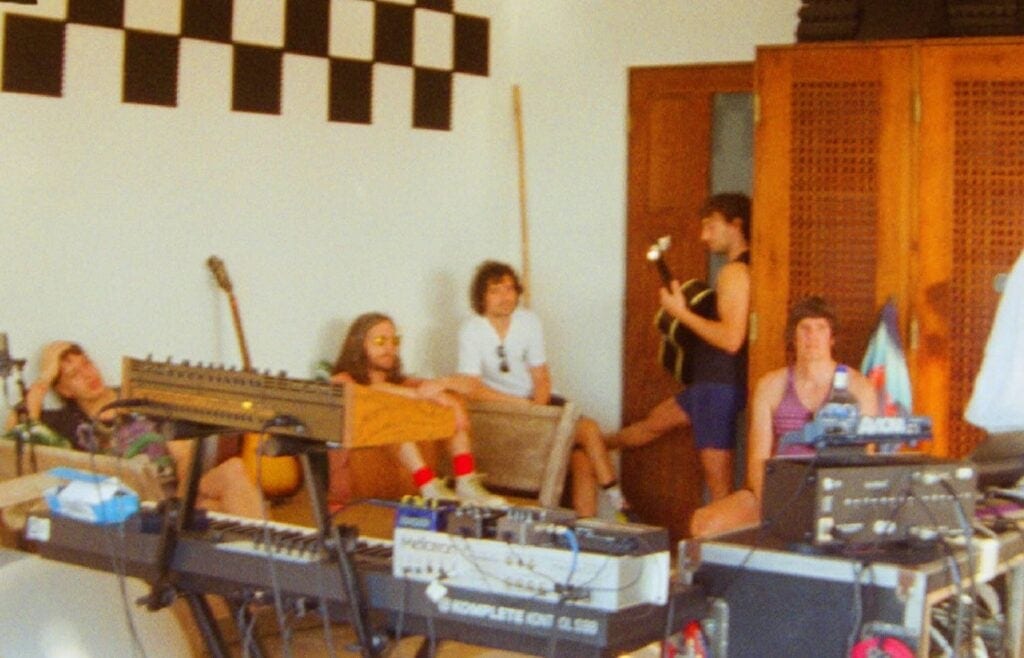

The songs rarely cohere into anything greater than the sum of their individual parts.

The group’s first domestic release, the album was a drastically-revised version of their 1989 classic.

The album is a savory mix of borderline-cheesy filtered loops and super-simple drum machine beats and basslines.

A collection of minimalist house more refined than anything that has come before or since.

Leftism eschews mainstream categorization and manages to reside in the leftfield of almost all the electronic genres it propagates.
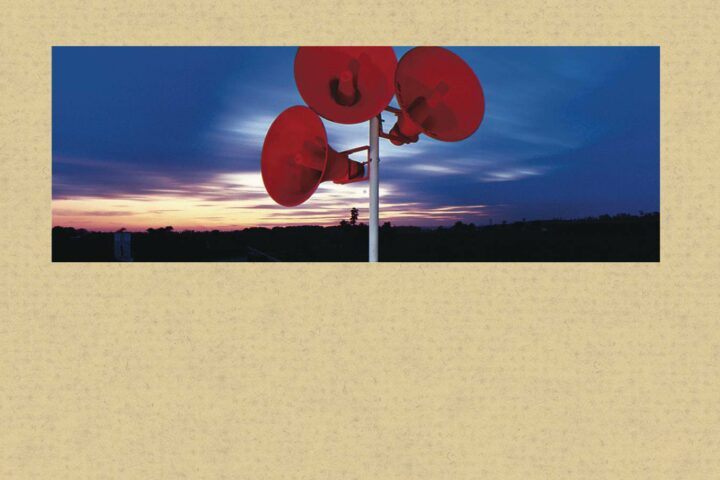
Depeche Mode’s Music for the Masses is steeped in high drama, each track spilling into the next like a pop-rock opera.

The album sounds just as groundbreaking today as it did eight years ago.

Maxinquaye takes the glistening electronic soul of Blue Lines and smothers it in far-grittier textures.

More than just spatial white noise, Music for Airports is the sonic equivalent of visual art.

Happy cycling—depending on your drug of choice.

It seems former Mousekateer Christina Aguilera has finally popped right out of her bottle.

DJ Shadow’s Endtroducing… so constantly changes pace that definitions are rendered insufficient.

Bytes was a watershed in what has become known in the U.K. as IDM or “intelligent techno.”
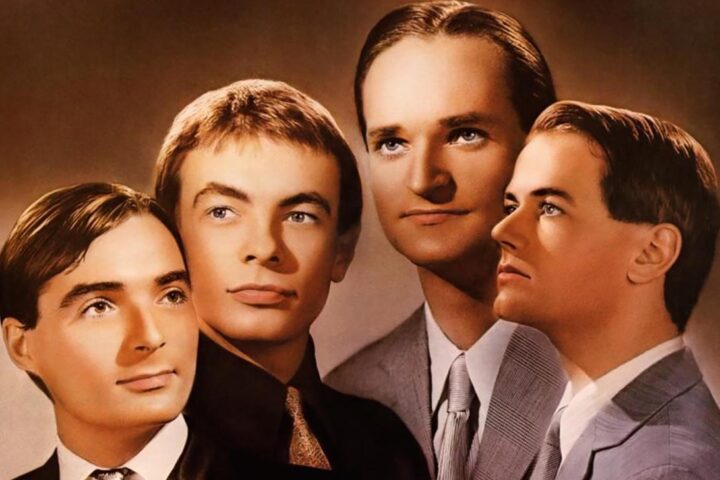
Kraftwerk’s meditative album is a sonic poem to Europe.

Señor Moby’s albums have always been a bit schizophrenic and his 1995 masterpiece, Everything Is Wrong, is no exception.

Massive Attack are the undisputed godfathers of trip-hop and Blue Lines remains the genre’s most influential masterpiece.

The White Room is an album that helped bring rave culture to the fore.

The album is a testament to the singer-songwriter’s enduring strength and mission.

It was anyone’s guess as to how Gwen Stefani and the gang would fare amid teen-poppers like ‘NSync and Britney Spears.
Essence is a concept album that traces the biological and spiritual steps of a life span.
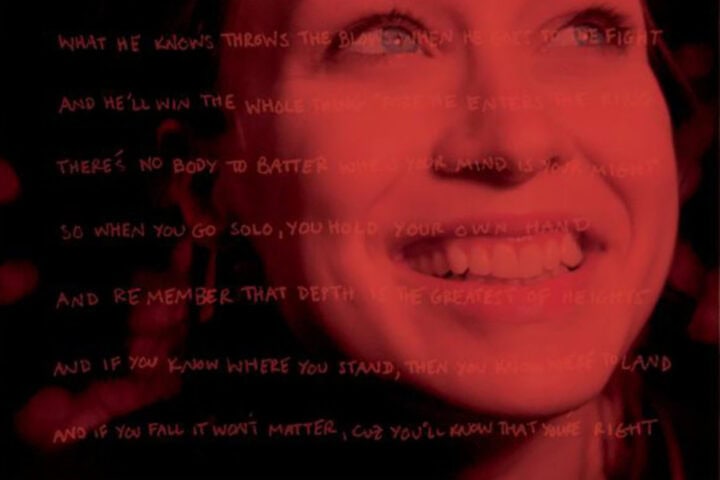
Fiona’s pissed and it’s captivating, but it also demonstrates the limits of the singer’s self-loathing.