The album sees the singer-songwriter moving in a different direction.

The album sees the singer-songwriter moving in a different direction.

Leftism eschews mainstream categorization and manages to reside in the leftfield of almost all the electronic genres it propagates.
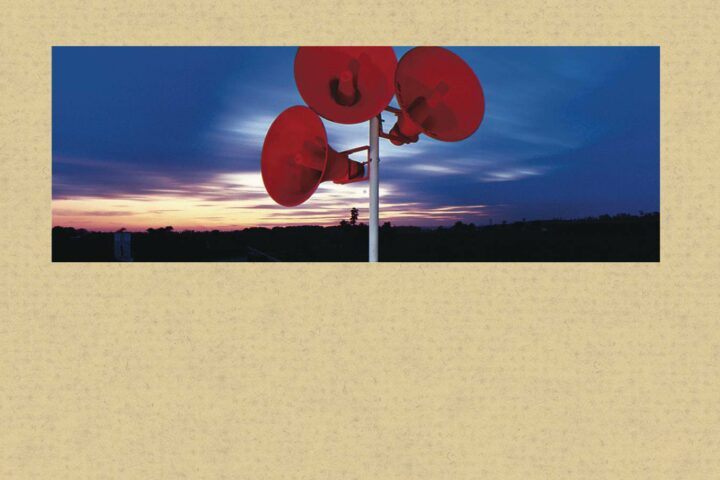
Depeche Mode’s Music for the Masses is steeped in high drama, each track spilling into the next like a pop-rock opera.

The album sounds just as groundbreaking today as it did eight years ago.

Maxinquaye takes the glistening electronic soul of Blue Lines and smothers it in far-grittier textures.

More than just spatial white noise, Music for Airports is the sonic equivalent of visual art.

Happy cycling—depending on your drug of choice.

It seems former Mousekateer Christina Aguilera has finally popped right out of her bottle.

DJ Shadow’s Endtroducing… so constantly changes pace that definitions are rendered insufficient.

Bytes was a watershed in what has become known in the U.K. as IDM or “intelligent techno.”

The album is a testament to the singer-songwriter’s enduring strength and mission.

Jeff Buckley’s first posthumous release is a sad reminder of the singer’s talent and unrealized potential.

It was anyone’s guess as to how Gwen Stefani and the gang would fare amid teen-poppers like ‘NSync and Britney Spears.
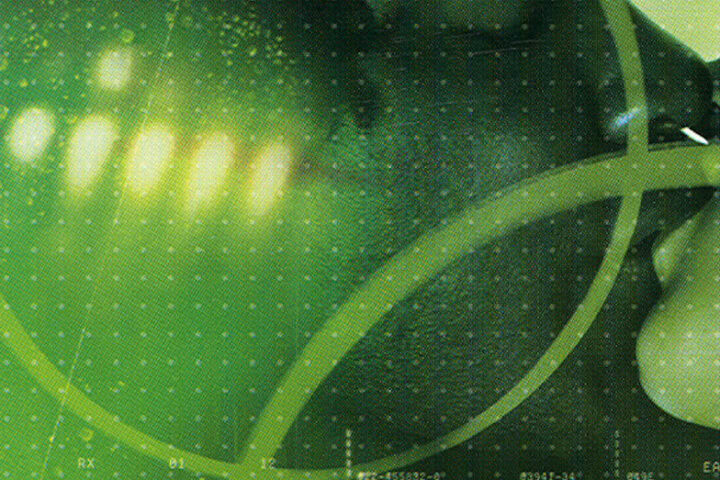
Essence is a concept album that traces the biological and spiritual steps of a life span.
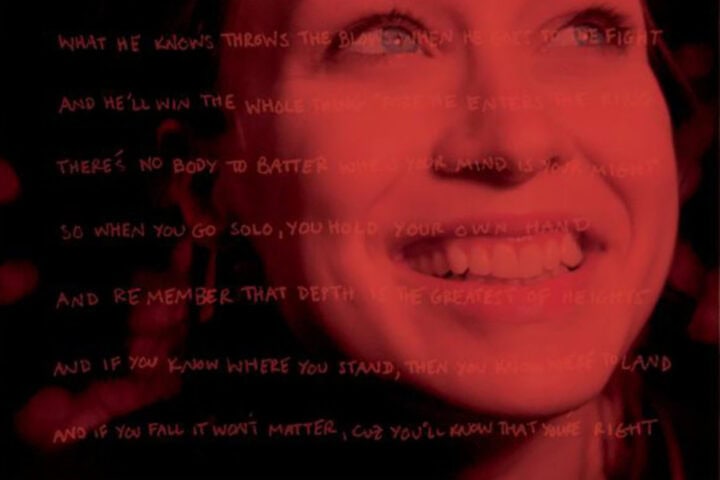
Fiona’s pissed and it’s captivating, but it also demonstrates the limits of the singer’s self-loathing.

While it might be free of meaning (and irony), it’s chock-full of pretense.
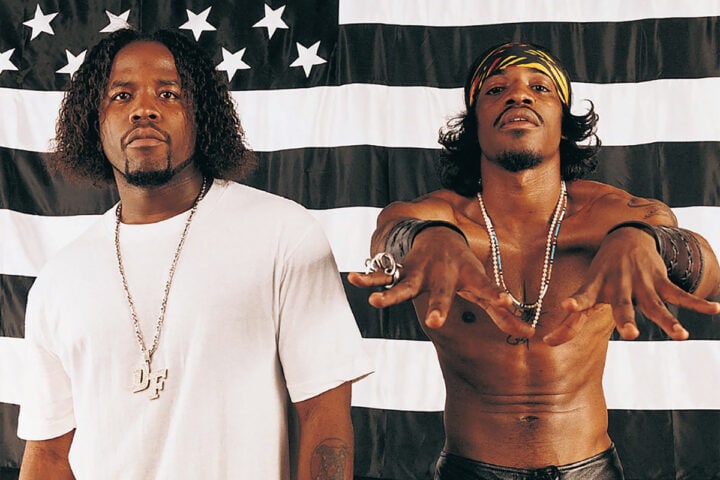
Stankonia continues André 3000 and Big Boi’s progressive blend of hip-hop, funk, rock, and soul.

The Foo Fighters have effectively transcended the myth of Nirvana.

Hooverphonic steers away from the ethereal, lush sounds of their previous work, opting instead for a more mainstream pop/rock style.

The first member of Destiny’s Child to release her own mainstream pop album, Rowland enters solo with a hit already in hand.

With his fifth album, the Manchester-born singer-songwriter delivers more of his new millennium folk.