The Leeds junglist tells a story in the wrong order, in the right way.


The Leeds junglist tells a story in the wrong order, in the right way.

Don’t let the facts fool you.
So much for the afterglow.
Marching Band plies inoffensively rudimentary tunes that remain persistently anonymous.
Streetlights will fit comfortably alongside the Spice 1 and D.O.C. records in your collection.
Sea of Cowards is something of a jumble, but it’s an entirely ecstatic one.

Steve Ellison may be all kinds of intellectual, but on Cosmogramma he never loses sight of the less reflective pleasures of his craft.
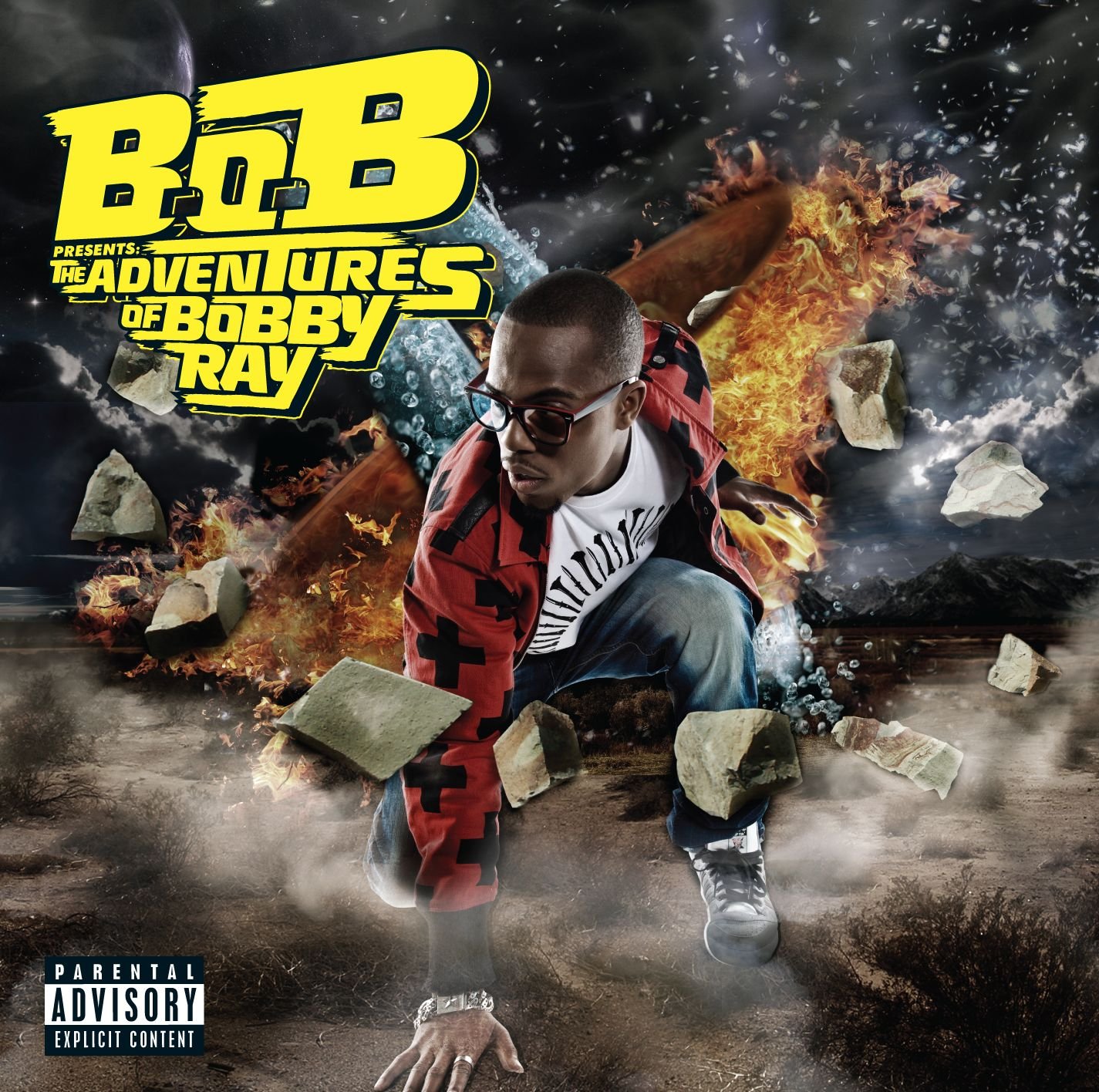
B.o.B. is a vigorous young MC who throws a lot at you, and a sufficient amount of the album works.

The record comes across as less of a change in direction than a full-on identity crisis.

Lauderdale’s inspired choices of collaborators and calculated risks make the record one of his most rewarding.

Male Bonding is definitely not the first band to crank out waterlogged surf-garage jams in minute-and-a-half morsels.

The Electric Factory is perhaps the perfect venue for an artist like Jónsi.
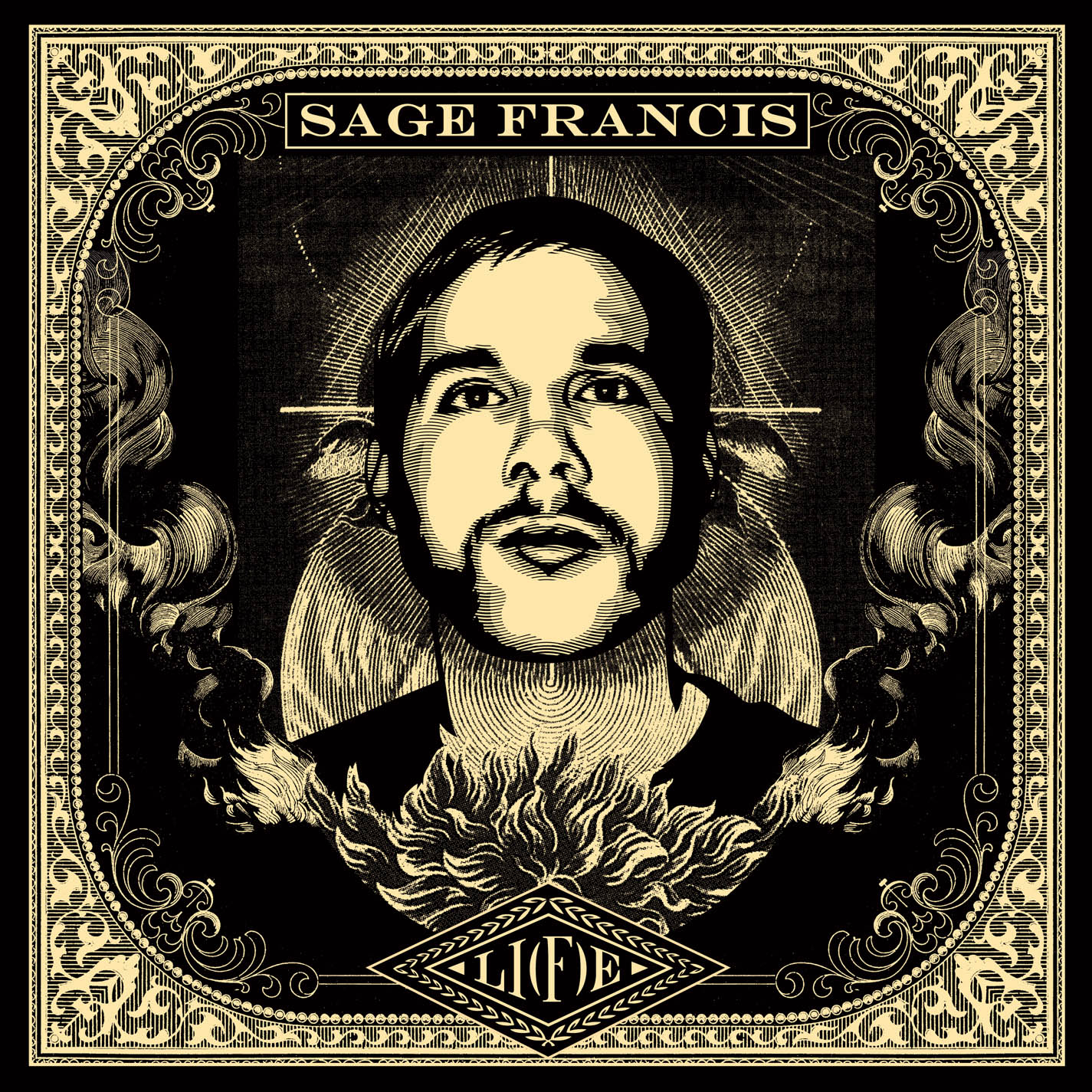
Sage Francis spends a lot of time talking on Li(f)e, a troubled album whose strange production choices expose his biggest weaknesses.

Too often these songs appear as wasted canyons of distended nothingness.
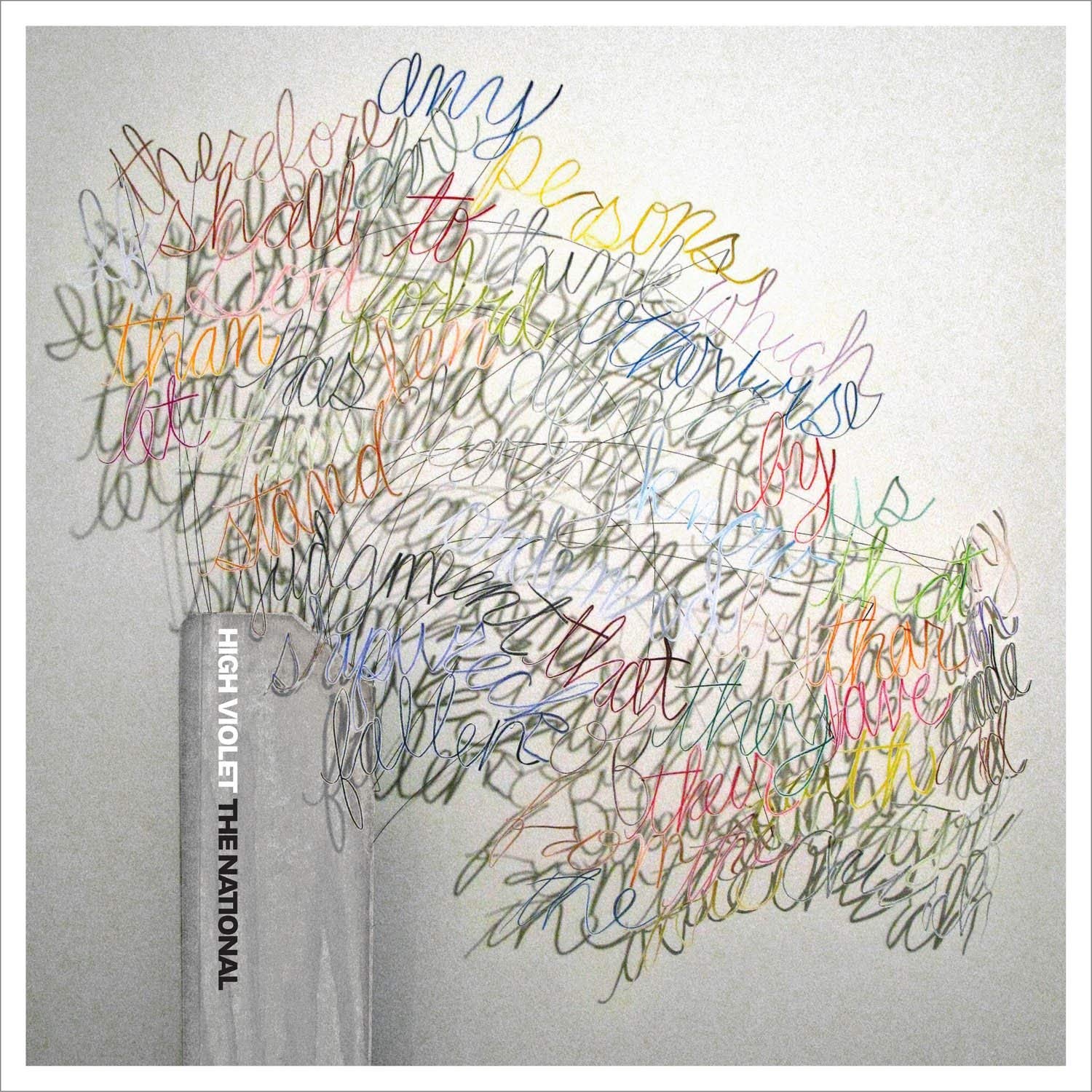
Brooklyn quintet the National has found a balance on their fifth album, High Violet.

When Diamond Eyes isn’t trying quite so hard to be a great record, it ends up being a pretty good one.
The biggest problem with Dark Side is just how little of a Flaming Lips album it is.

Forgiveness, Broken Social Scene doesn’t have many reasons to apologize.

As long as Mark E. Smith keeps that up, he’ll continue to challenge the idea of what a band as old as the Fall is supposed to sound like.

Ritter stands out as a devoted classicist whose repurposing of buried objects feels tinged with lifelessness.
On each successive album, the New Pornographers have become less off-the-cuff and more cerebral.