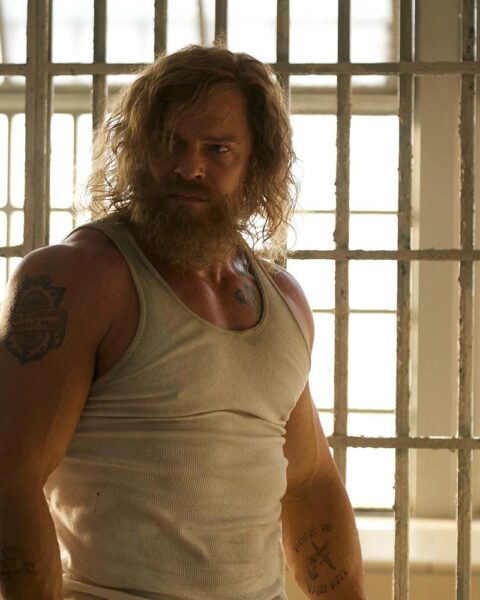
Refn discusses his love of fairy tales, falling through the rabbit hole of streaming, and more.


Refn discusses his love of fairy tales, falling through the rabbit hole of streaming, and more.

The film is a stirring affirmation of cinema’s ability to enact social change and reform.
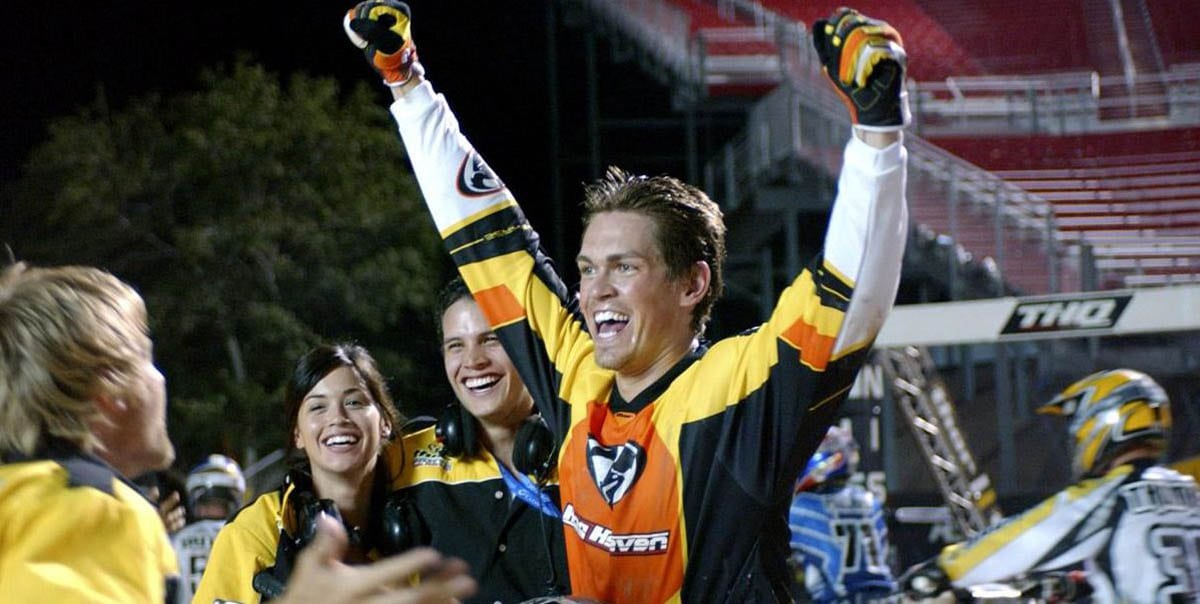
The film is nothing but a Clear Channel shill.
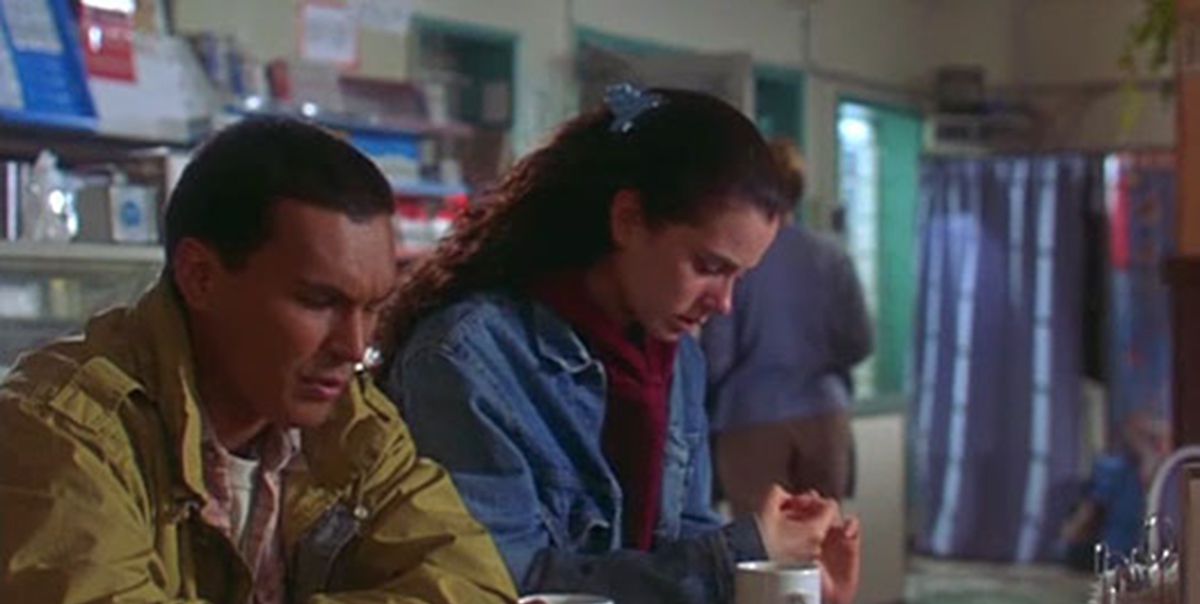
Like a ghost, Bob Clark’s film is impossible to pin down.
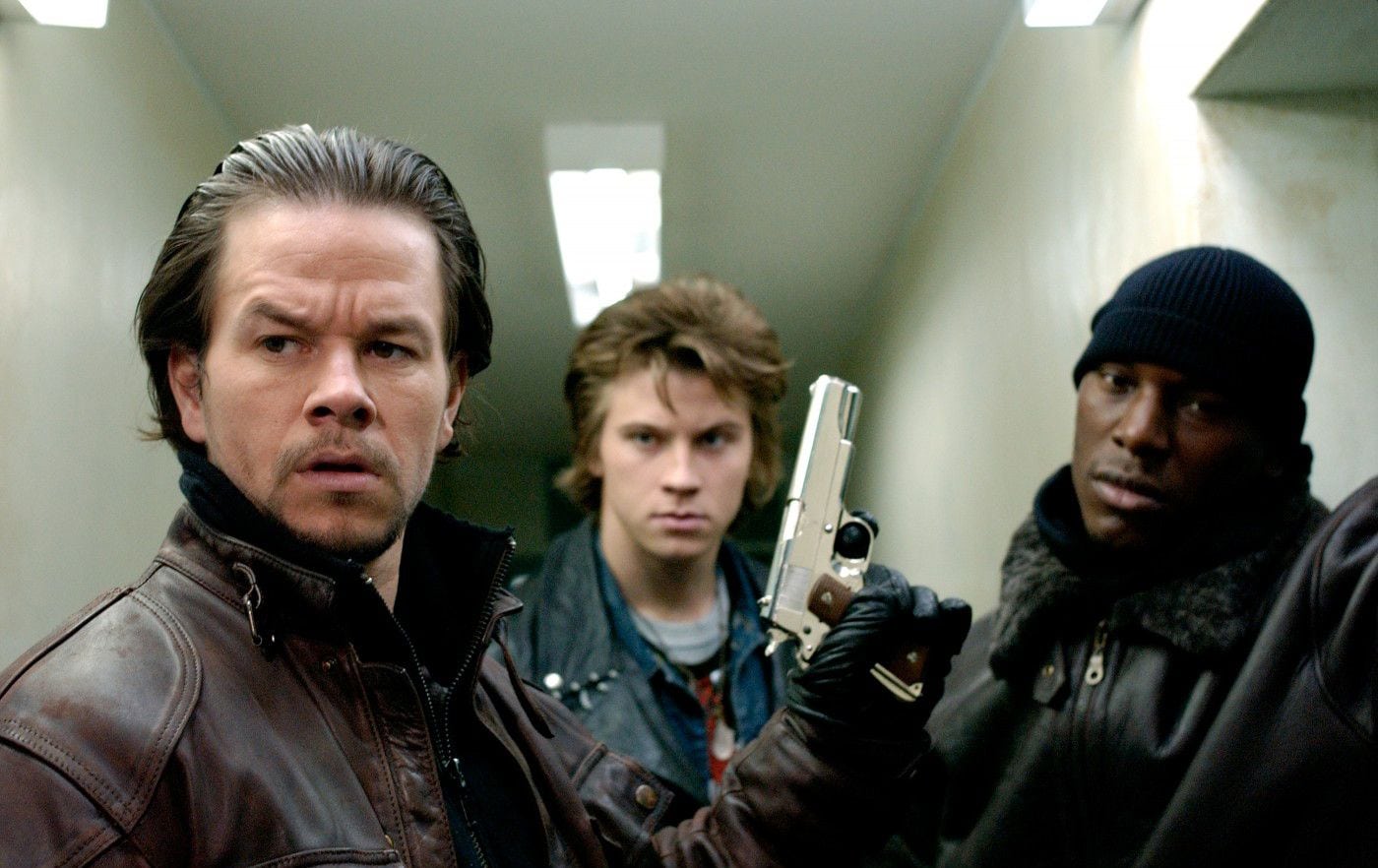
The setup for John Singleton’s latest urban drama is pure western-movie lore.

It’s sure to play in film courses as an example of how the Guru of Independent Film sadly came to bow before the altar of the Hollywood blockbuster.

Daniel Gordon’s State of Mind is certainly an eye-opener.

It’s only a matter of time before the woman with the penis for a nose ends up penetrating the woman with the hole in her trachea.

The film’s theme is less the simplicity of religion than the religiosity of simplicity.

It almost demands to be watched with the sound turned off and set to a Philip Glass score.

Robert Aldrich’s work on Baby Jane was already a study in hysteria, and his style for Charlotte is, if anything, even more ornate.

There’s a lot of plot surrounding the main characters, even in the non-padded, non-epic-length 94-minute cut.

Save for its silly doozy of an ending, it’s all very boring and ridiculous.

Ousmane Sembène is clearly at his best when trusting in cinema’s powers of observation.

The film is perhaps best epitomized by an early carnival set piece in which the camera twirls round and round on a whirligig.

Jay Chandrasekhar’s film is at least a loyal dog.

Hell, I’ve seen better period detail on Oliver Beene.

Even as the casting goes against convention, Don and Jarmusch never sufficiently look past the clichés of these roles .

Follow the Fleet is a problematic but rewarding Fred Astaire/Ginger Rogers film.

The pain of Swing Time lies in the apotheosis of its dances.

Viewed objectively, the partnership of Fred Astaire and Ginger Rogers shouldn’t have worked.