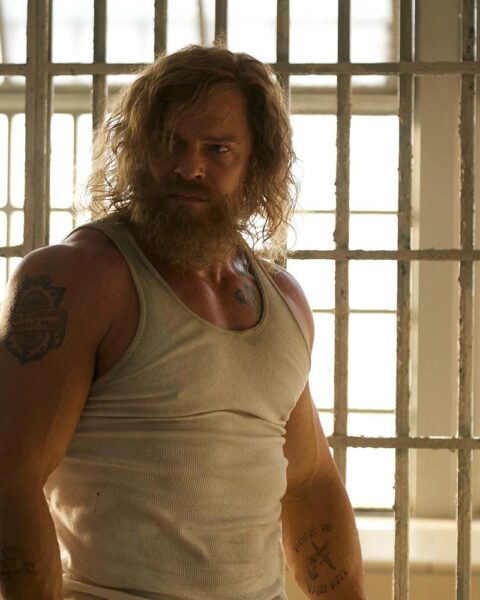
Refn discusses his love of fairy tales, falling through the rabbit hole of streaming, and more.


Refn discusses his love of fairy tales, falling through the rabbit hole of streaming, and more.
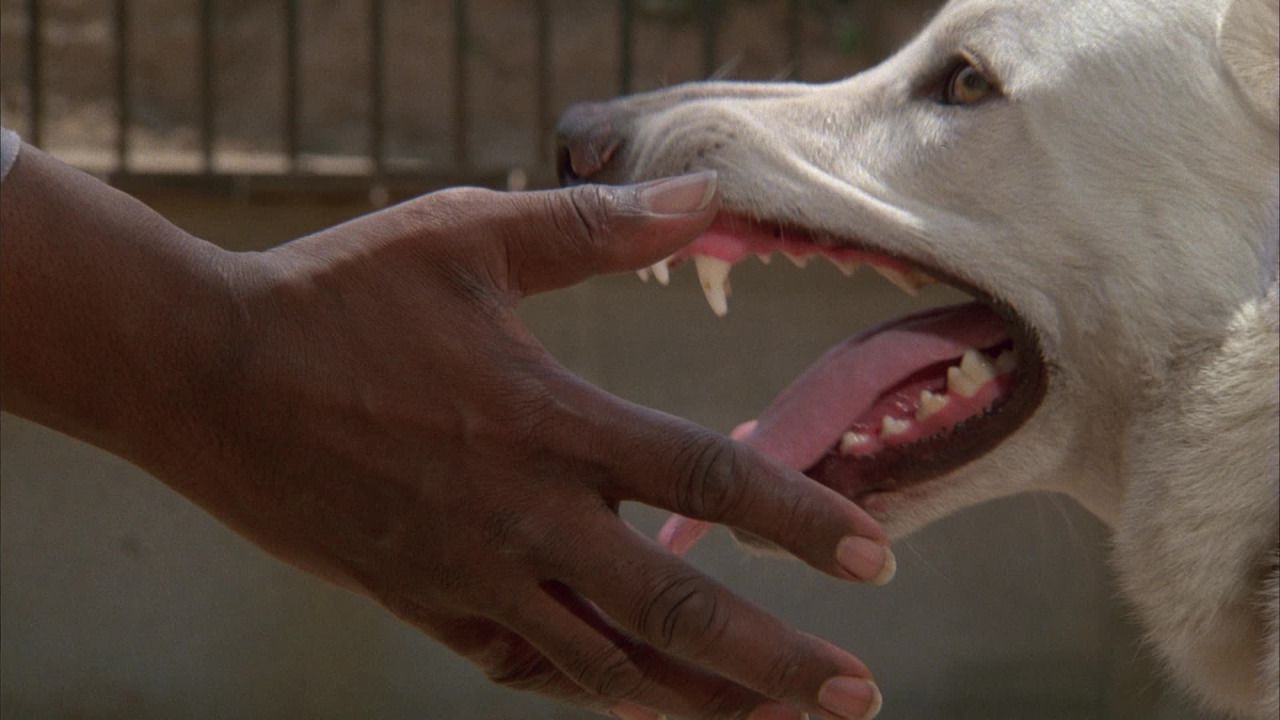
Hate is a dog from hell in White Dog, Samuel Fuller’s abused and abandoned late-career masterpiece about homegrown racism.
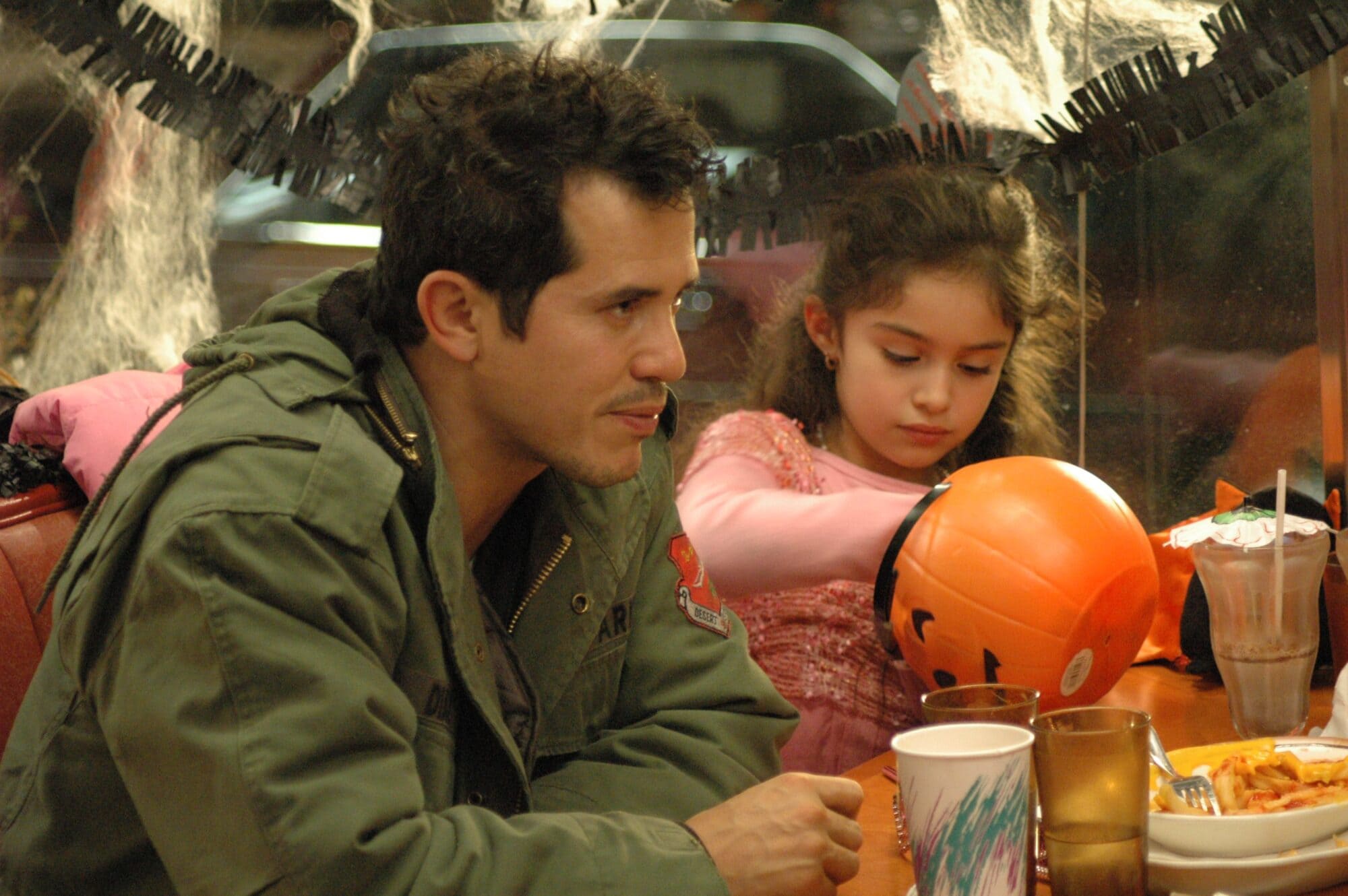
If you could cut all the music from Where God Left His Shoes, you might actually have a solid family drama.
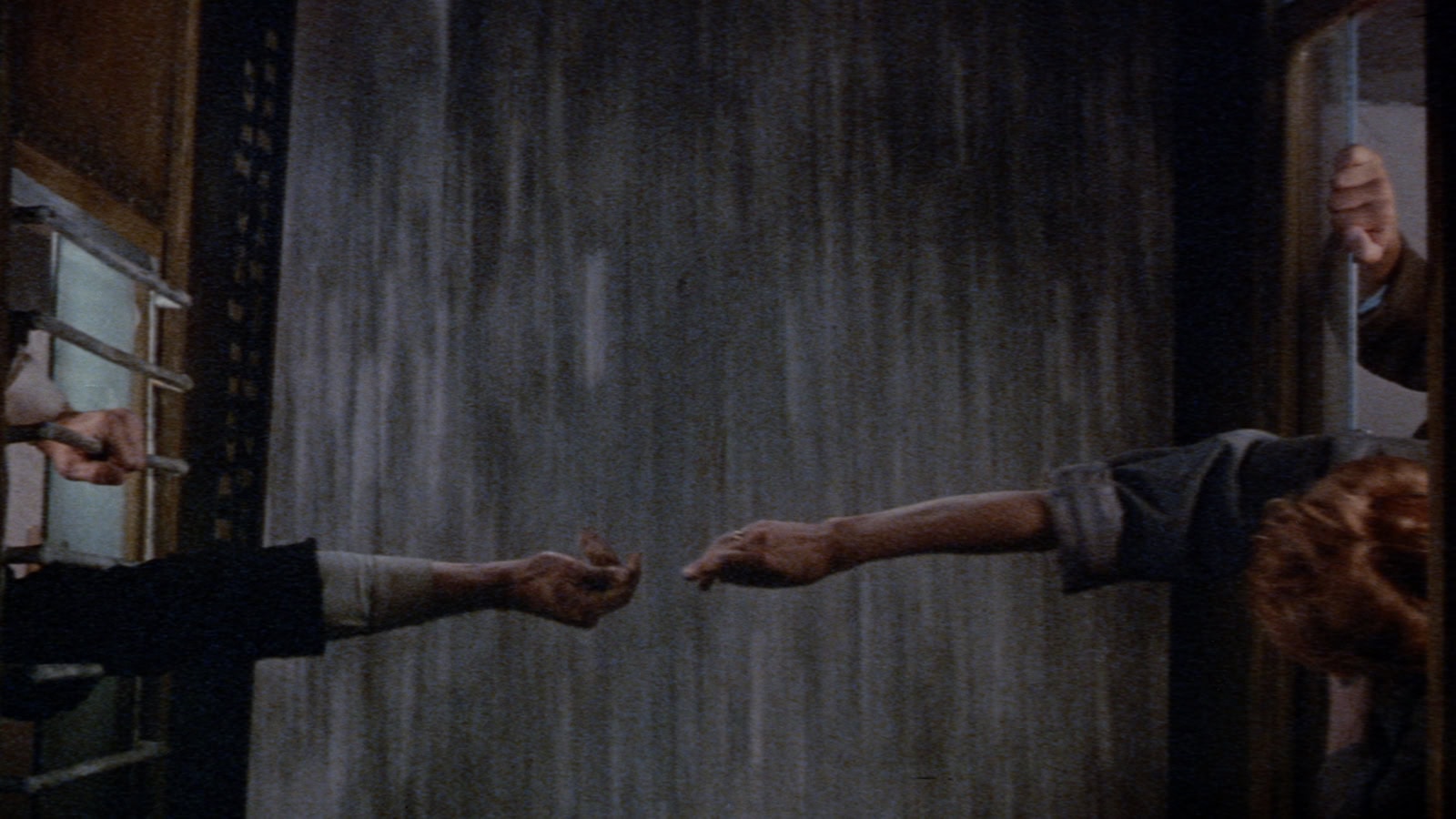
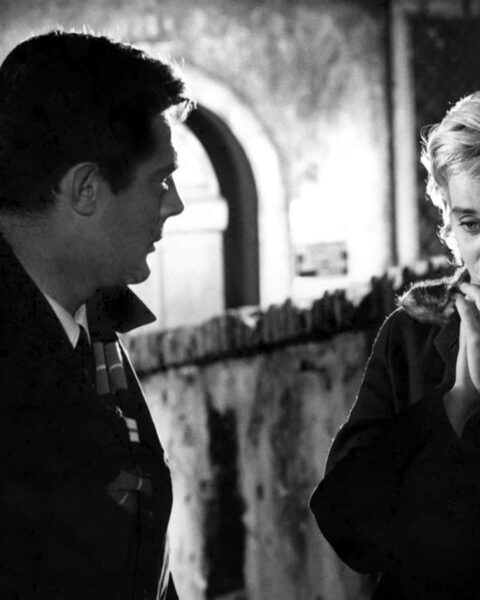
Europa’s total effect is one of prettified, hollowed-out Kafka.
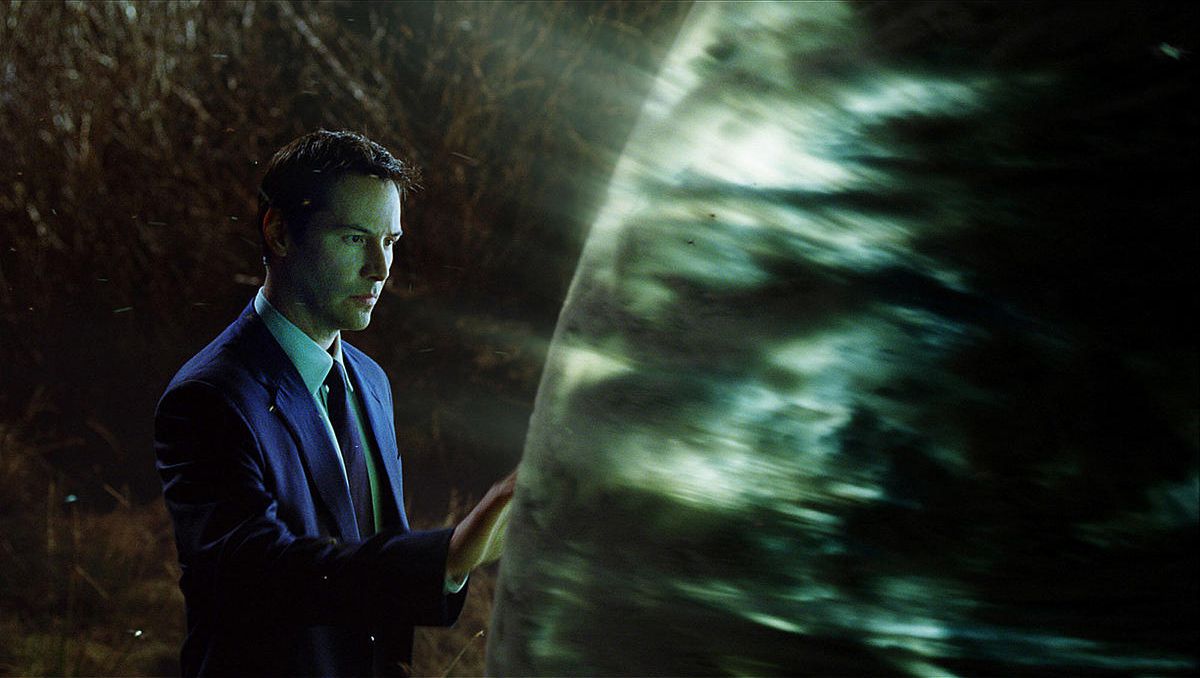
The tossed-off quality of this central moral at least minimizes the preaching, perhaps the only way in which this new version trumps its creakily sermonizing predecessor.

As good as Michelle Williams is here, the true star of Wendy and Lucy is Kelly Reichardt’s exquisite filmmaking.
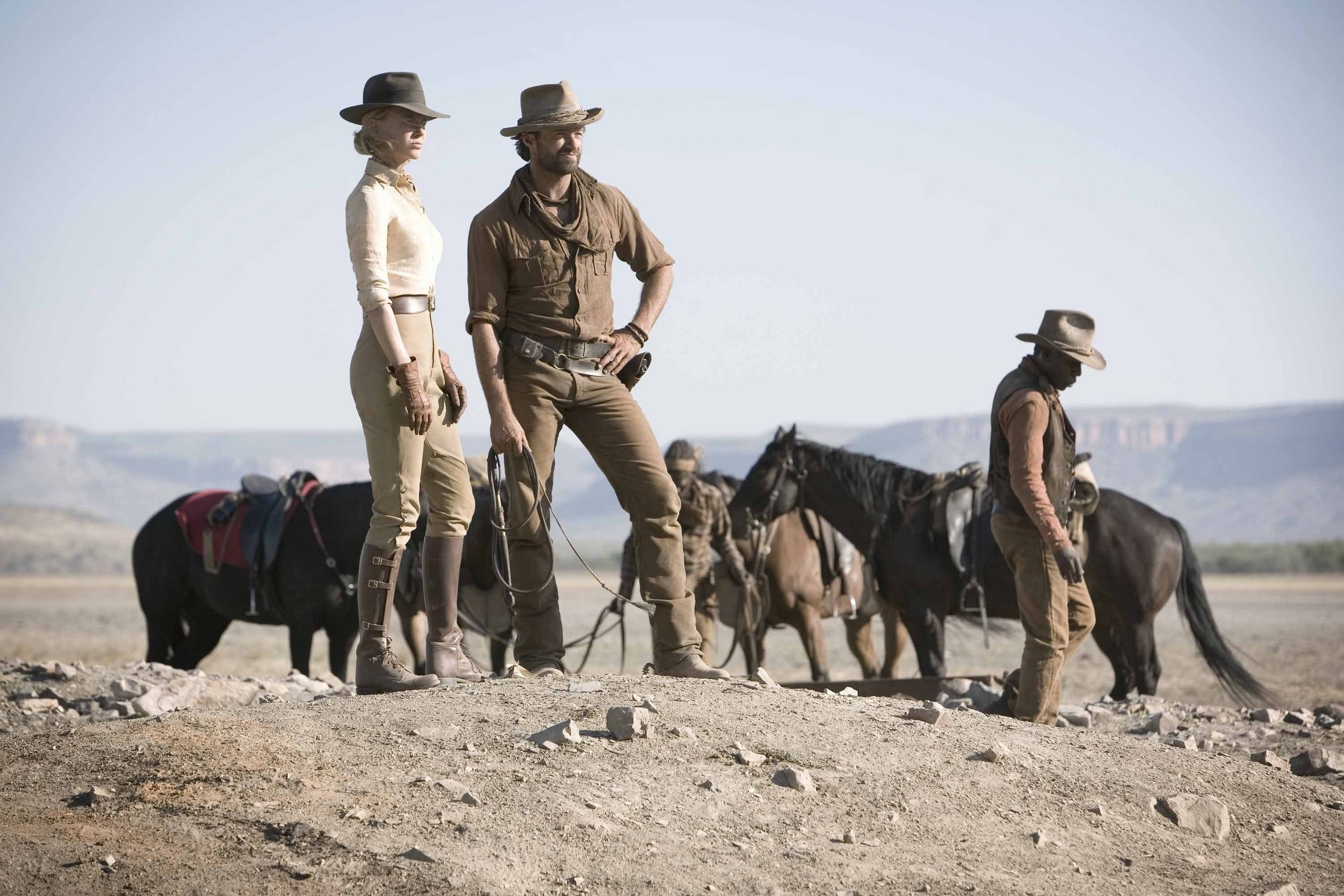
For about a minute or so, Australia promises to be some psychedelic version of The New World.
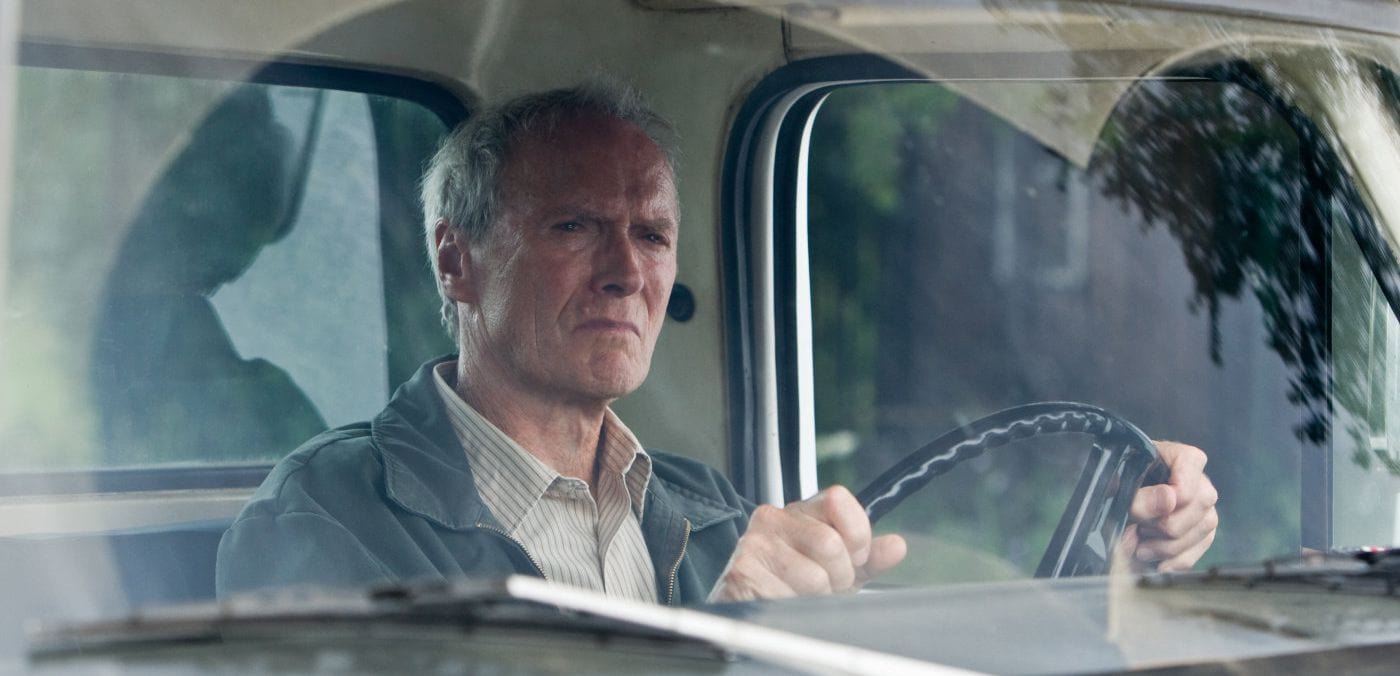
What it loses in some of its labored comedy of invective it gains in its refusal to make Walt as cuddly as late-era Archie Bunker.

The film does little more than dress up sloppy Yuletide family reunion clichés in Puerto Rican garbs.
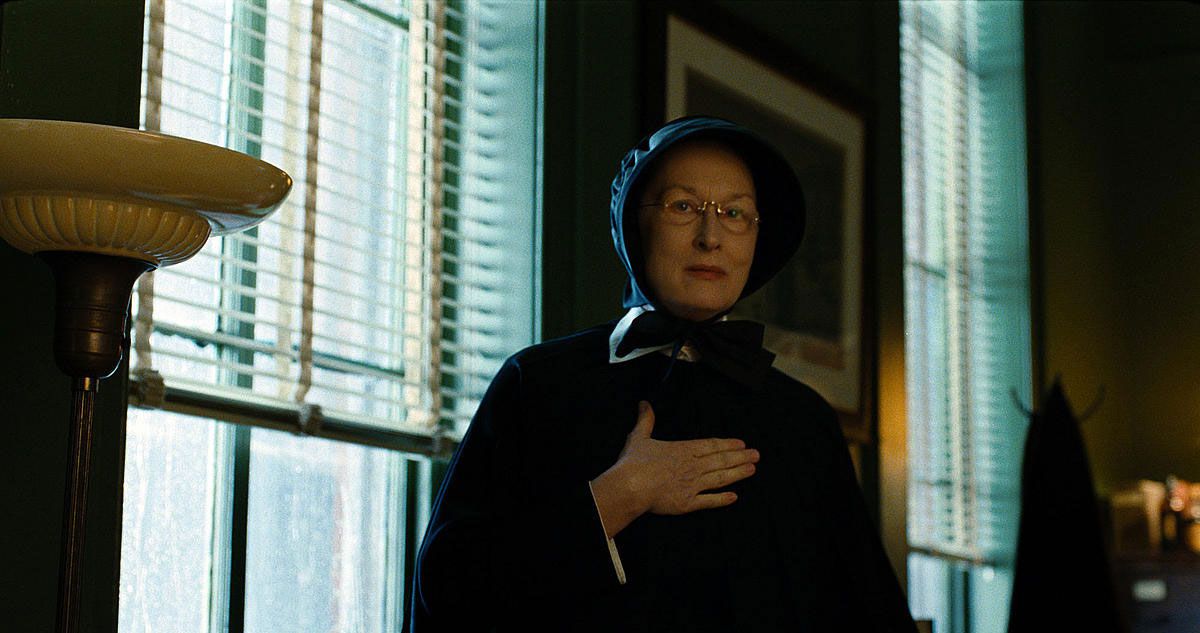
Doubt doesn’t work fully on screen as it did on stage, but it’s worth seeing for Meryl Streep’s grace notes.
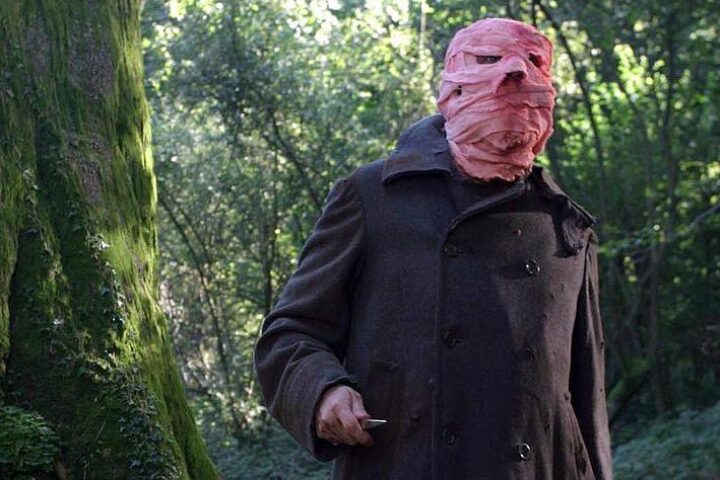
Nacho Vigalondo’s film wastes little time in foregrounding the act of seeing.
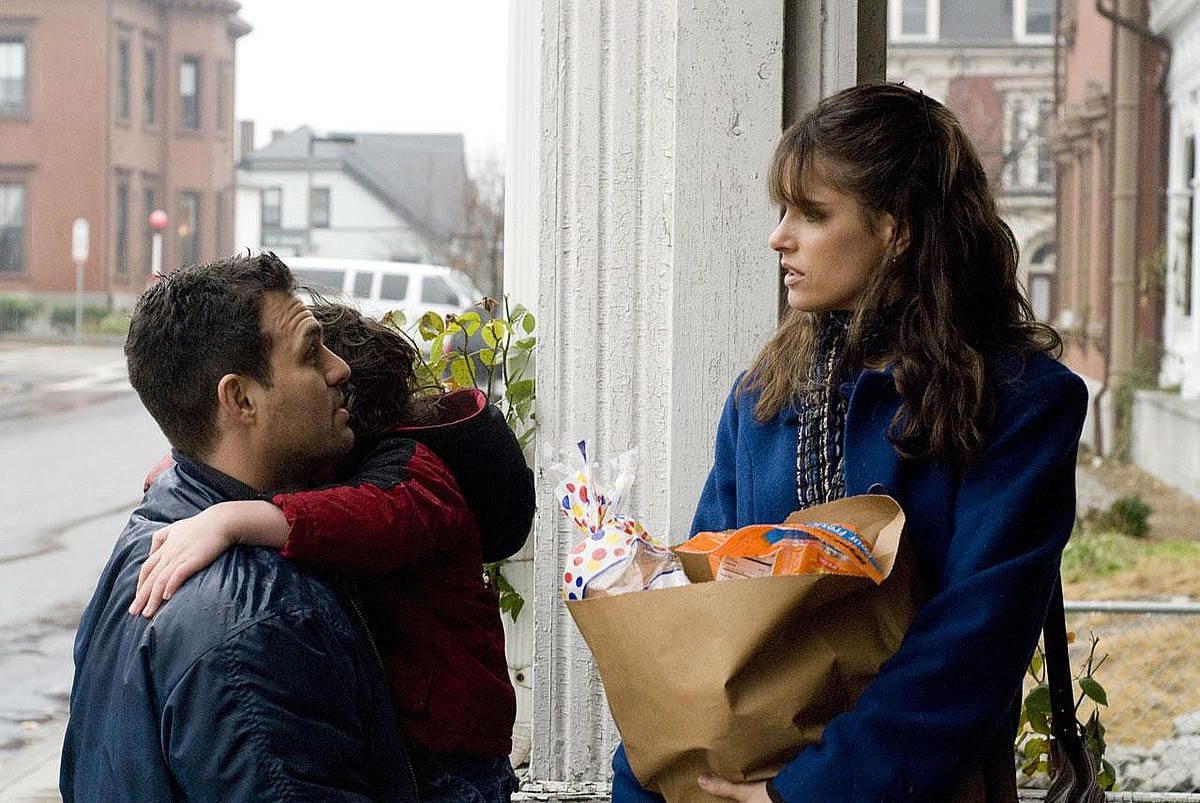
The film never musters the requisite momentum or intrigue to separate itself from the burgeoning Boston-crime-saga pack.

Stephen Daldry is once again drawn to a tale that alternates between (and often parallels) intrinsically connected pasts and presents.

If nothing else, the legacy of the Holocaust feels very much alive in Paul Schrader’s picture.
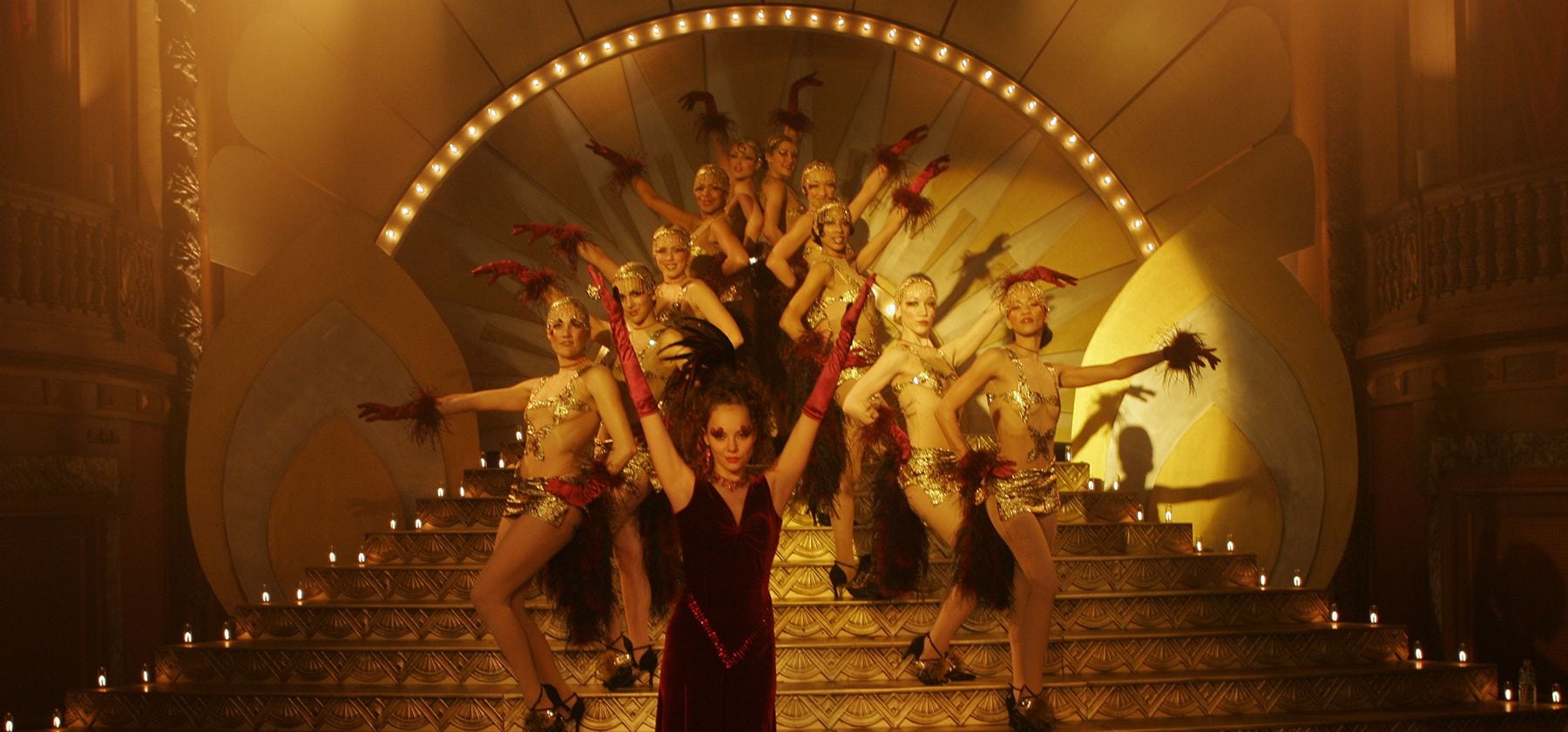
Dark Streets may only be a quasi-noir and quasi-musical, but that doesn’t stop it from being a wholesale slog.
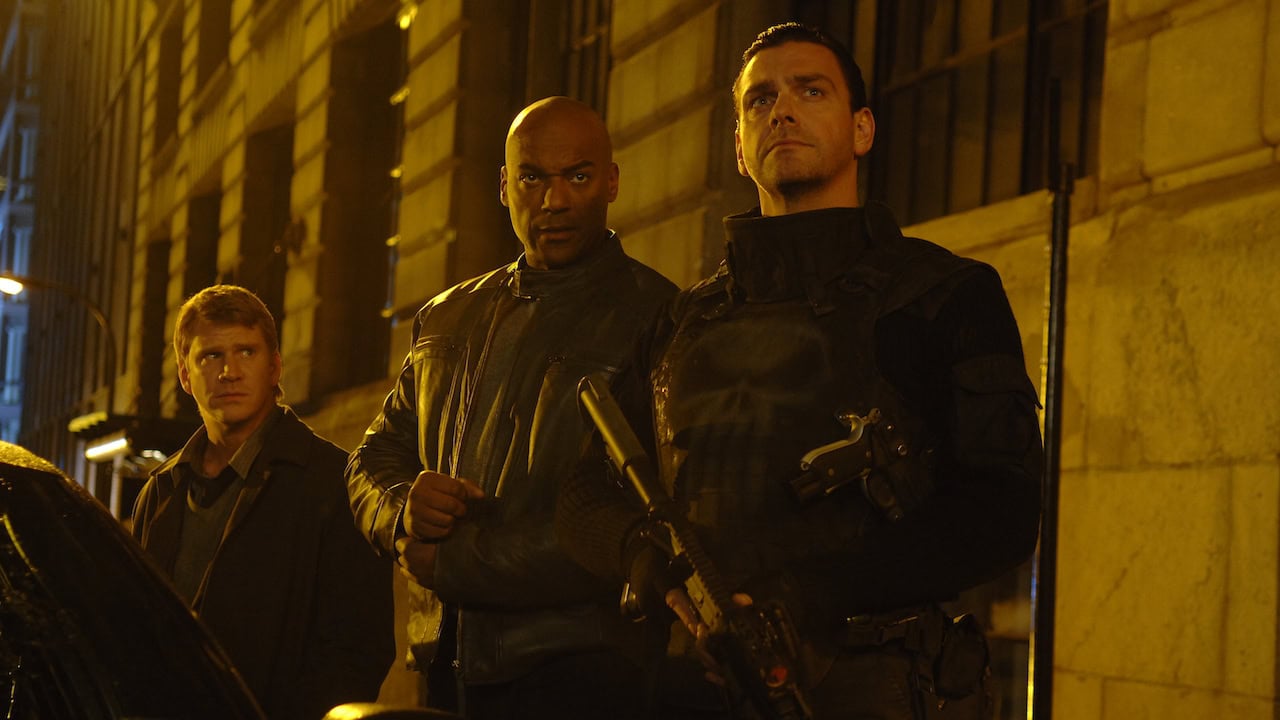
Even in the comic universe, the Punisher struggles to fit in with super-heroes and regular villains.

The film operates under the wretchedly false assumption that it can cover up its derivativeness with flashy sound and fury.
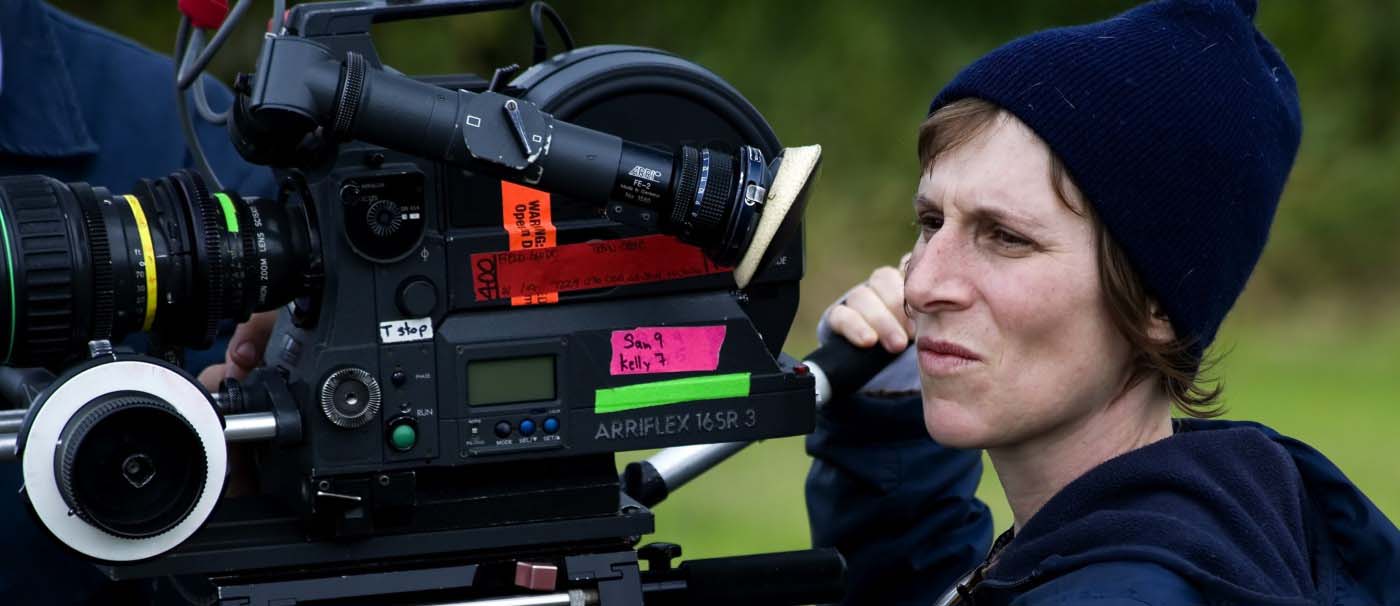
She spoke with Slant about Wendy and Lucy and its political bearings, and what success means for an ultra low-budget filmmaker.
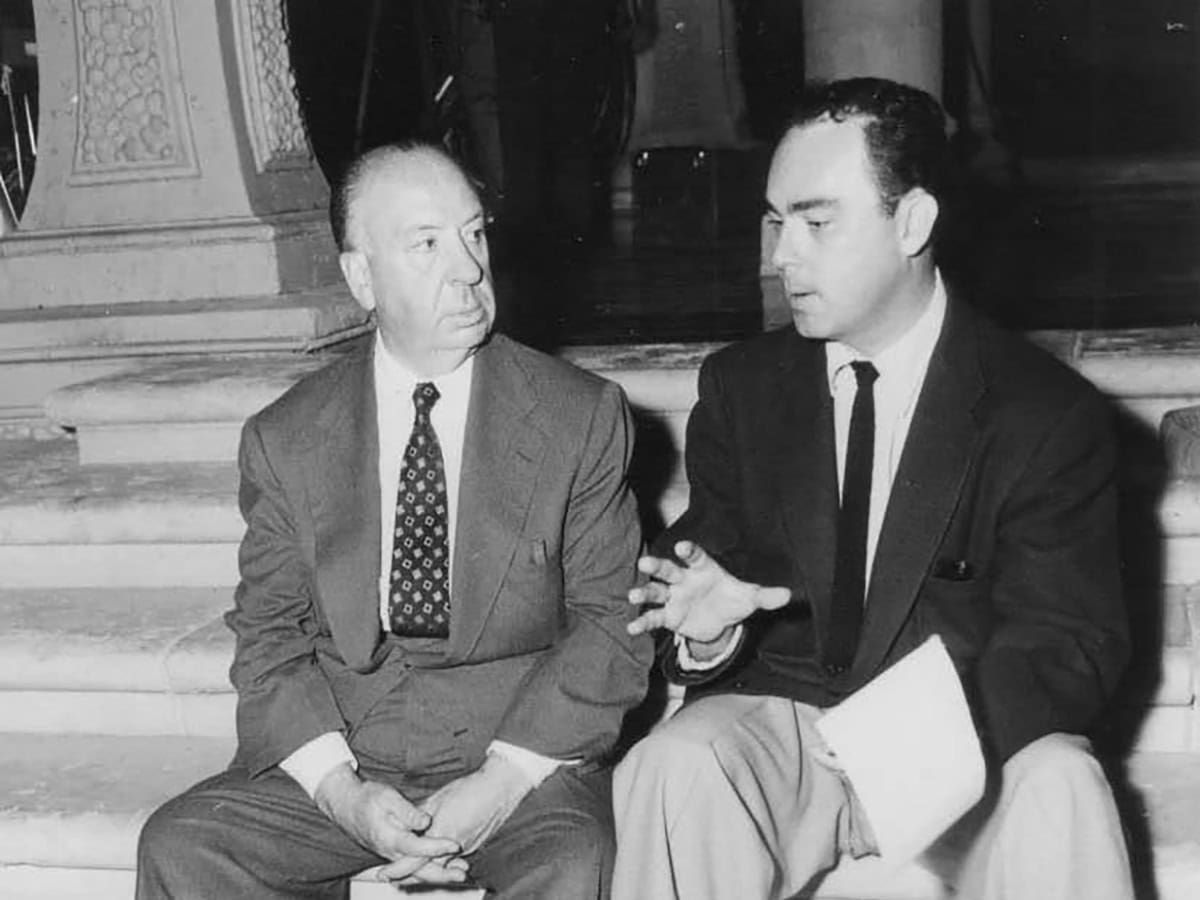
John Michael Hayes was one of the best screenwriters of the 1950s and ’60s.

How much further do we have to go to find ways to eradicate terror without abdicating our shared values?
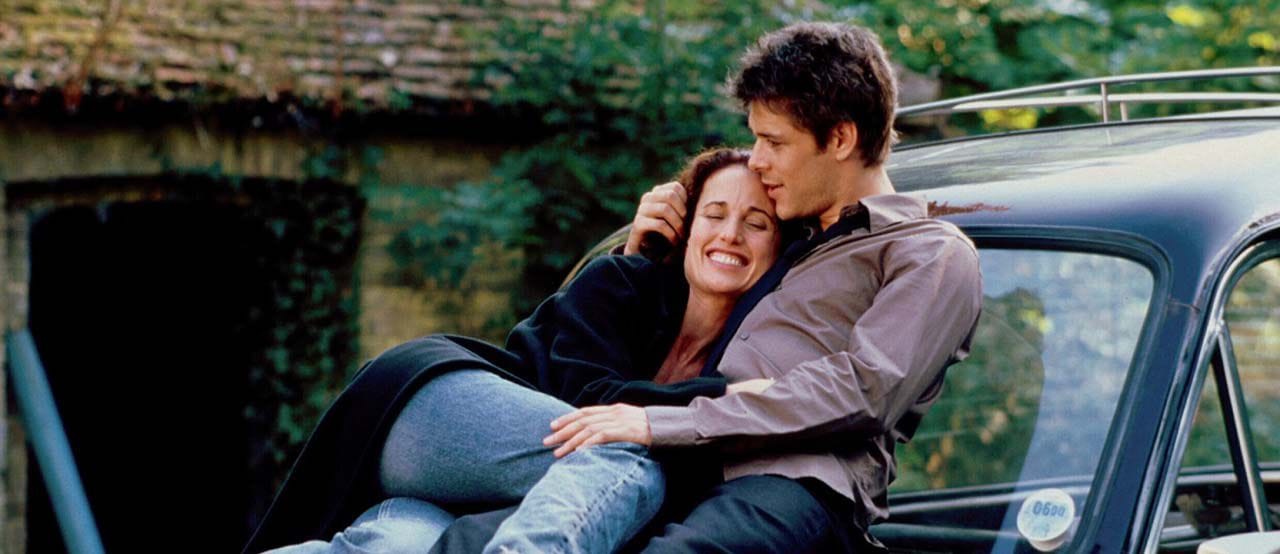
This semi-autobiographical film always manages to counter its indie clichés with a sober sense of the volatility.