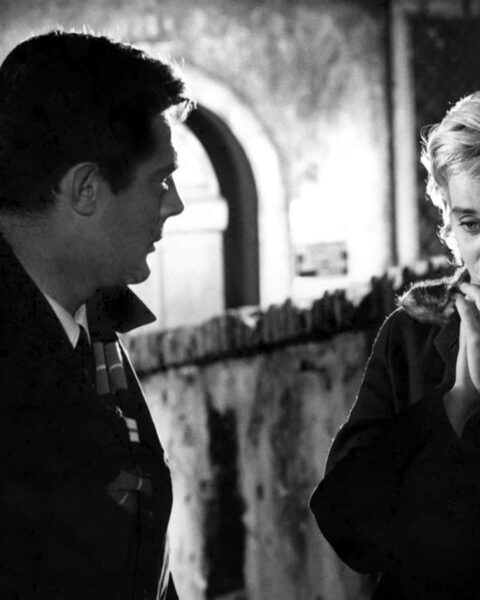
Refn discusses his love of fairy tales, falling through the rabbit hole of streaming, and more.


Refn discusses his love of fairy tales, falling through the rabbit hole of streaming, and more.
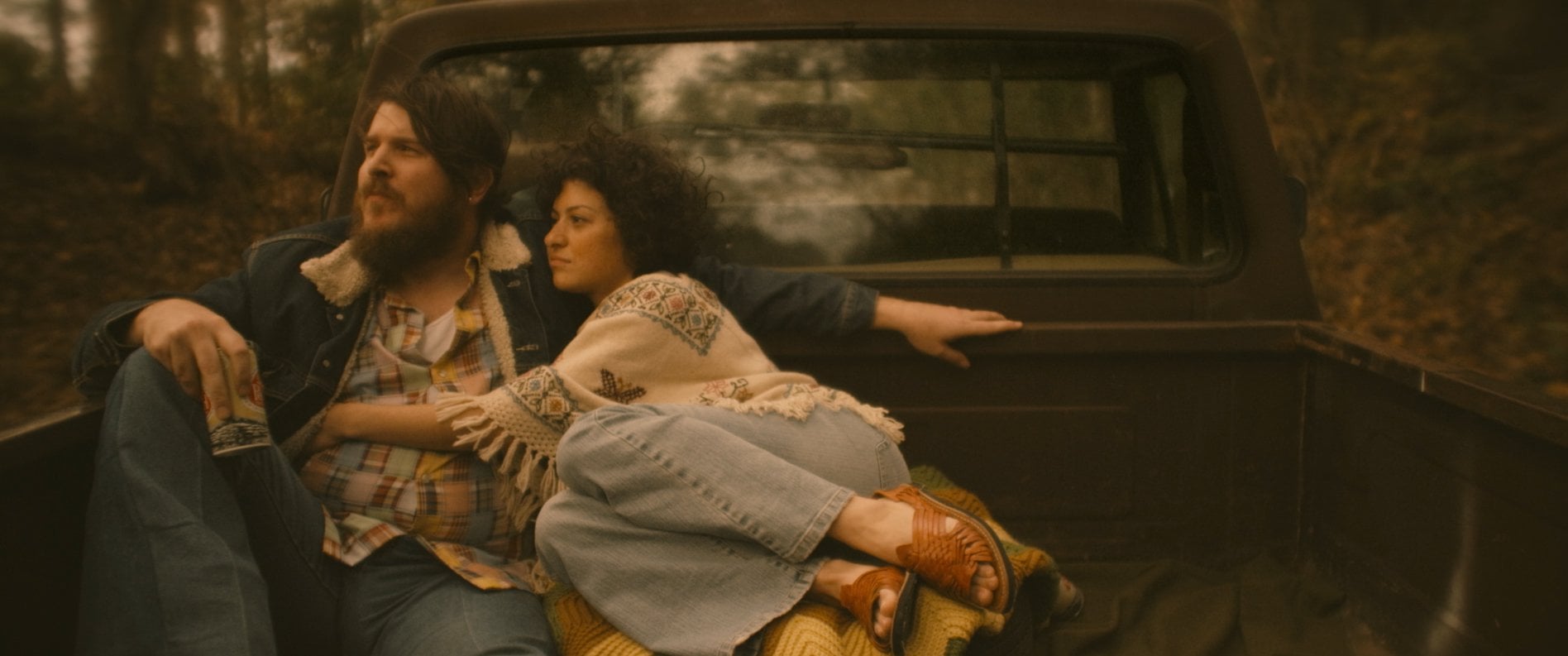
With this fractured story of singer-songwriter Blaze Foley, Ethan Hawke battles the clichés of the musical biopic.
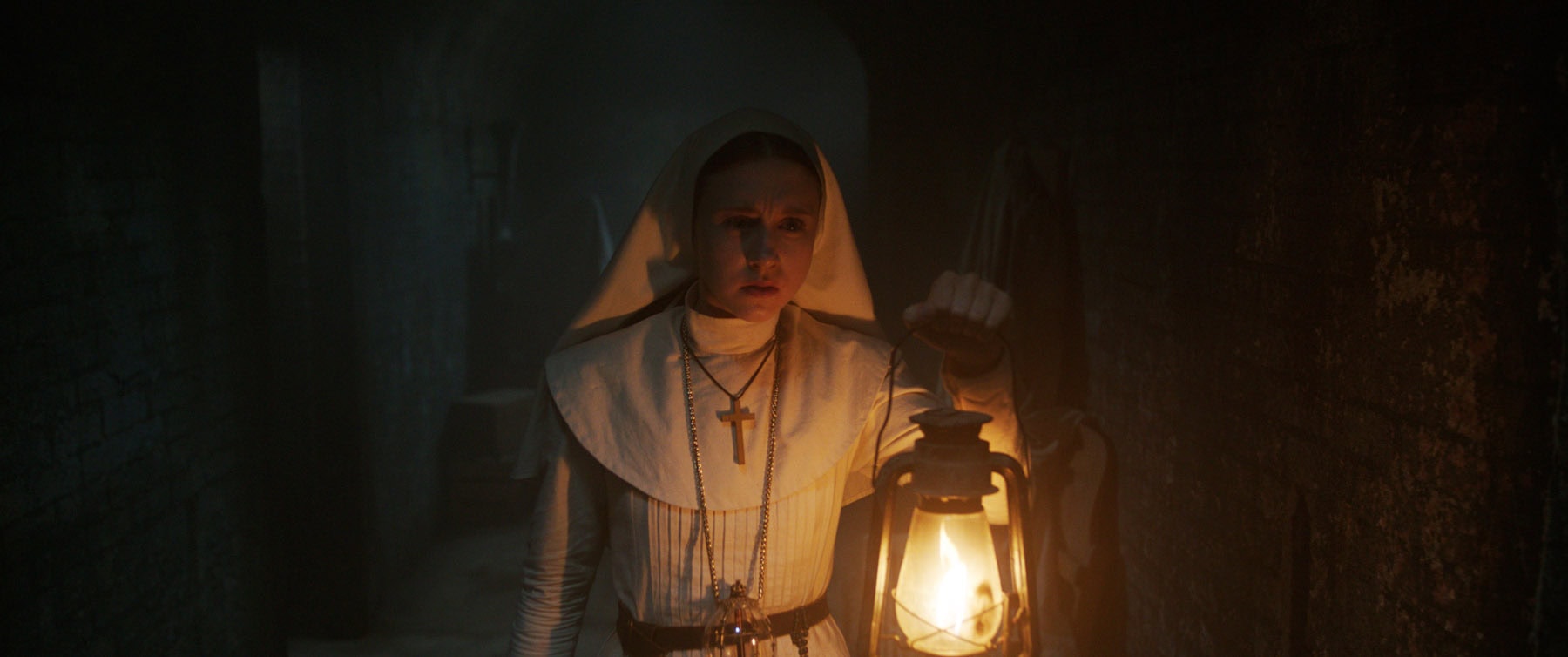
The Nun is the cinematic equivalent of a Conjuring-inspired maze at Halloween Horror Nights at Universal Studios.

Wash Westmoreland’s acutely told film relishes the messy details and ambivalences of Colette’s life.
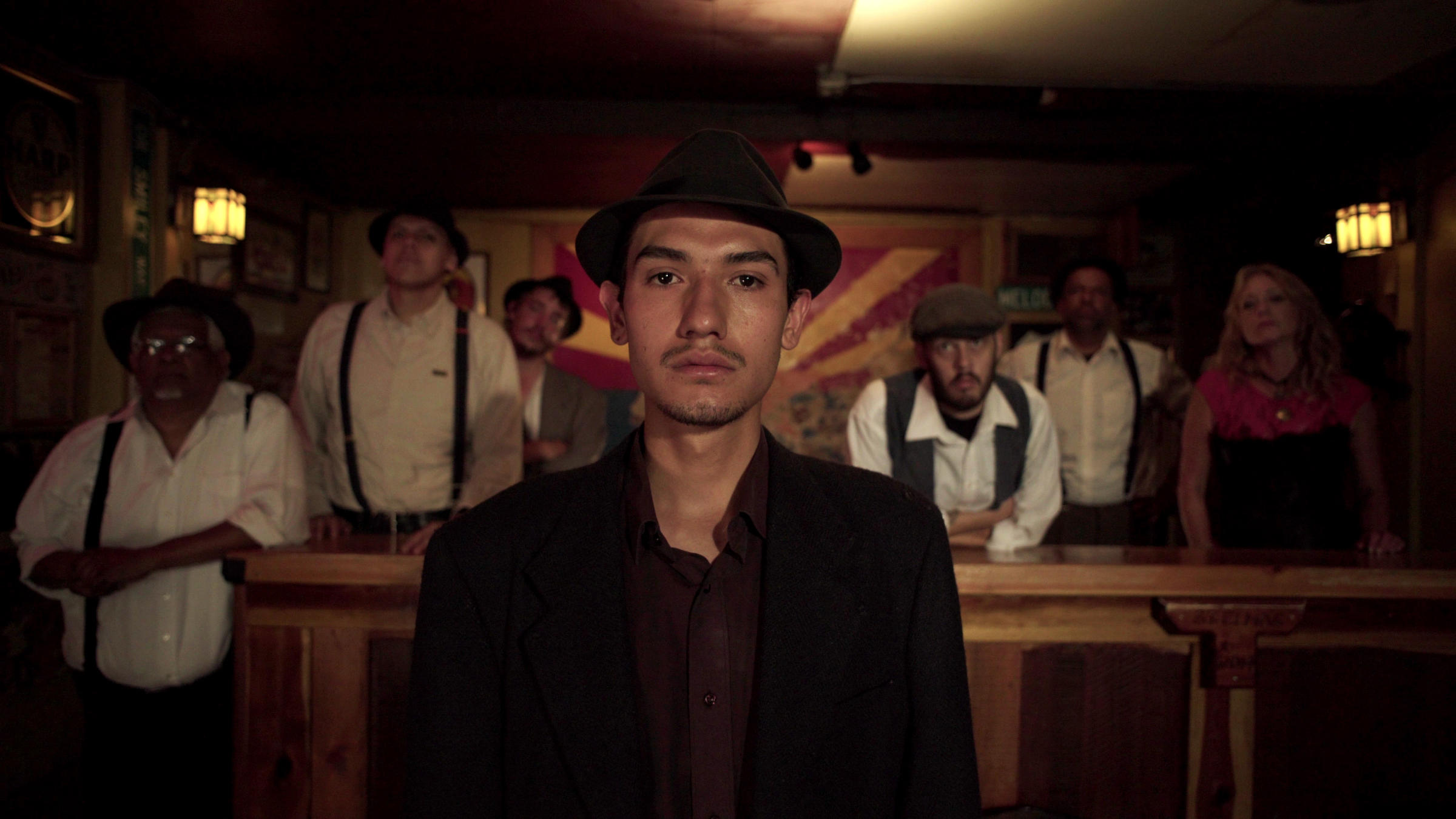
Robert Greene obliterates notions of objectivity to find the manna of a town’s emotional identity.
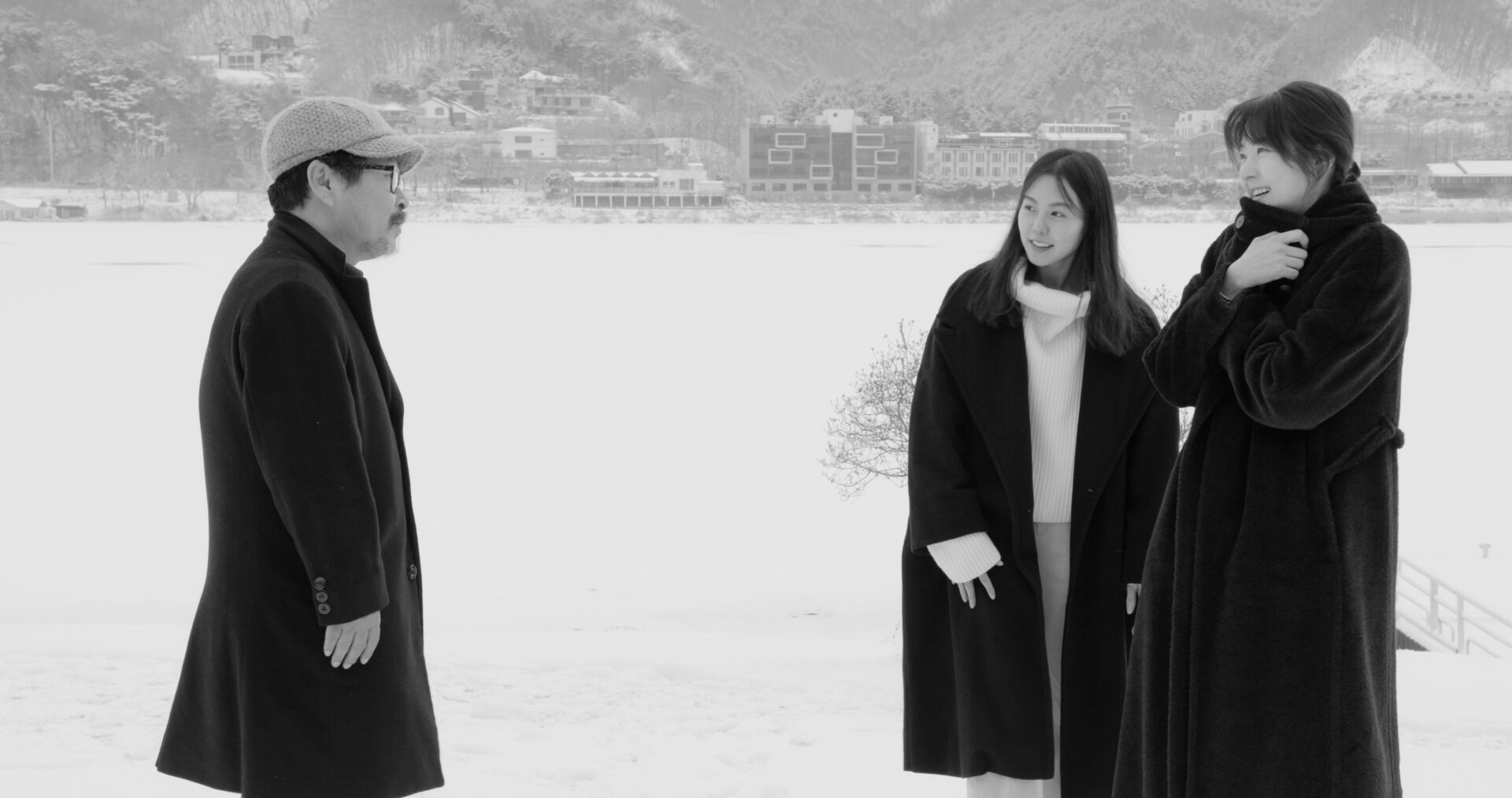
The film exudes a casualness that starkly contrasts with Hong Sang-soo’s enraged and almost abstract Grass.

What happens here isn’t dictated by the tried and true themes of classic westerns but by the films themselves.

Its documentary approach is scarcely exuberant, but Yayoi Kusama’s resilience still commands our attention.

The camera captures every freak-out, recrimination, stolen kiss, and betrayal in what is a miracle of synchronicity.

The film underlines the absurdity of a terrible situation without demeaning those who have been harmed by it.

AIDS is everywhere in Christophe Honoré’s film, though not as a looming monster sneakily picking its next victim.

The film’s satisfyingly tactile action set pieces serve to hammer home just how perilous the space race really was.

Like Ryûsuke Hamaguchi’s prior Happy Hour, the film is a parable of the grace that can spring from resignation.
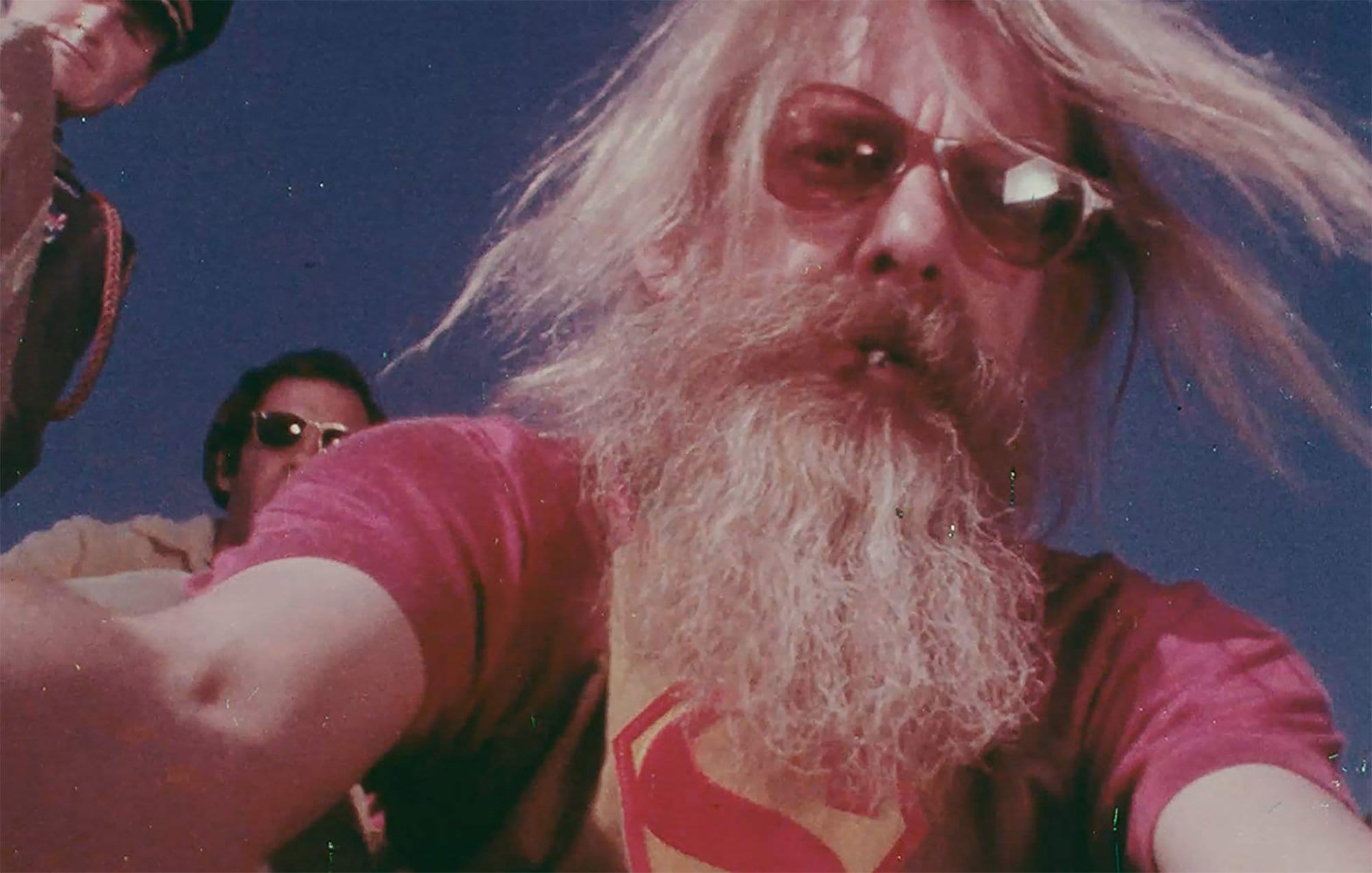
Amy Scott pries beneath the calm surface of her bearded and bespectacled subject to reveal the silent rage that fueled his work.
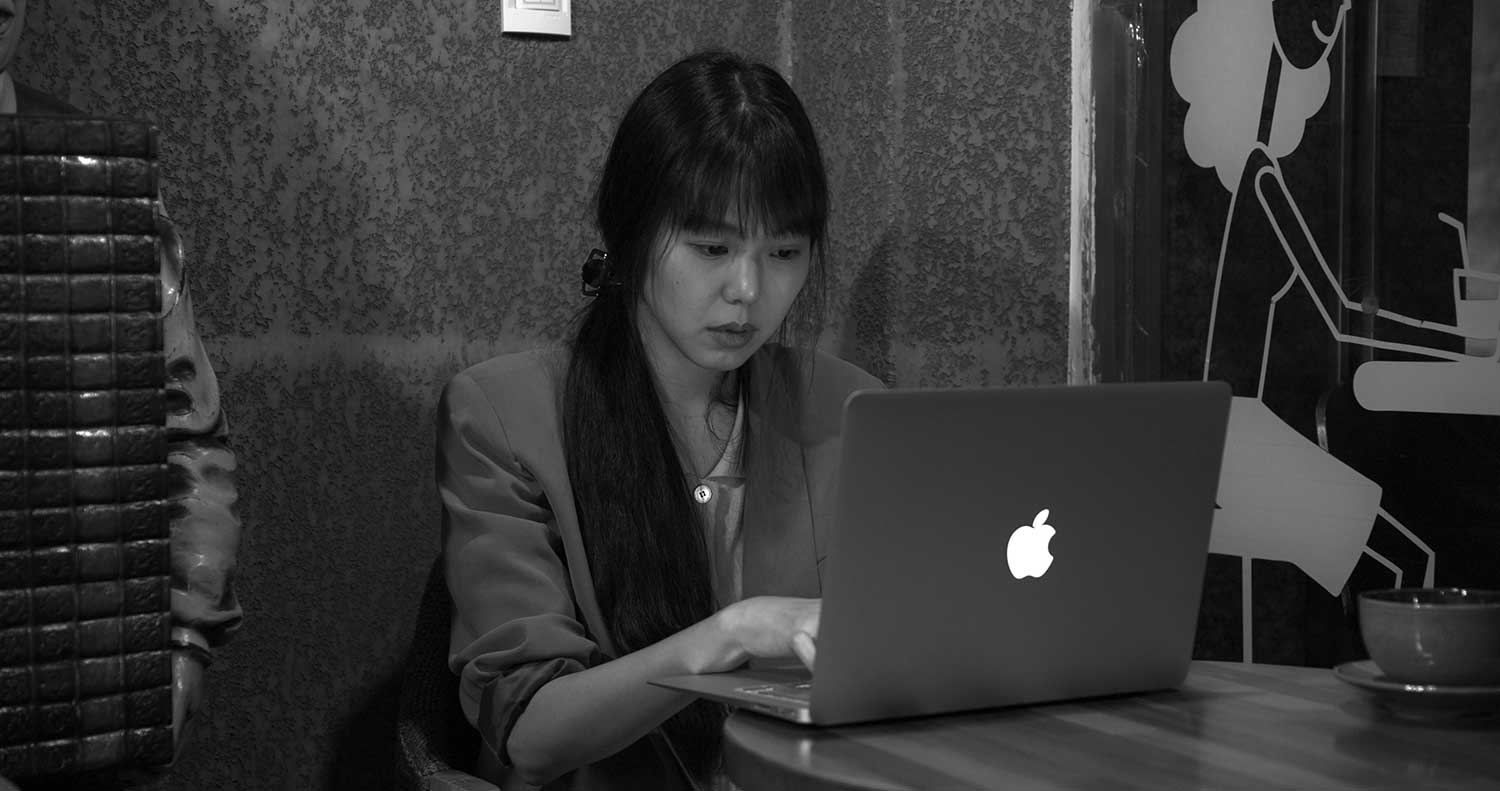
Grass has a thorniness that starkly resists the cutesy self-pity that can sometimes seep into Hong’s films.

The married filmmakers discuss their creative process, style versus substance, and more.

The film steers clear of bad-faith miserabilism by virtue of Richard Billingham’s from-the-gut specificity.

In Shoplifters, Hirokazu Kore-eda dramatizes the insidious and relativistic ordinariness of poverty.

The film is a leaden adaptation of Sarah Waters’s quiet yet distressing novel about an aristocratic family’s downfall.
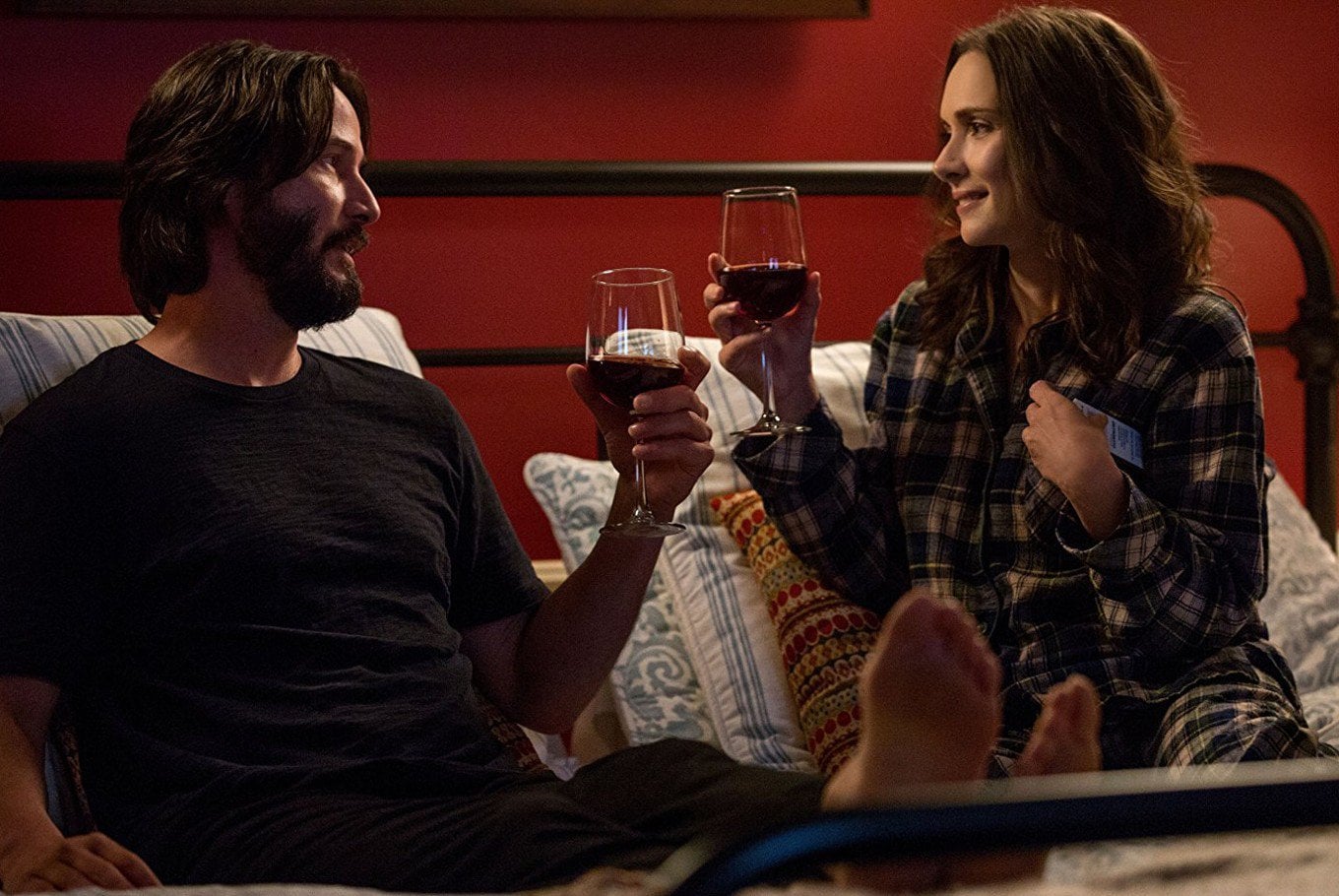
The way Destination Wedding uses misanthropy to augment screwball tropes ends up being its undoing.

Jonathan and Josh Baker’s Kin resembles a TV pilot that’s been released into theaters as a standalone property.