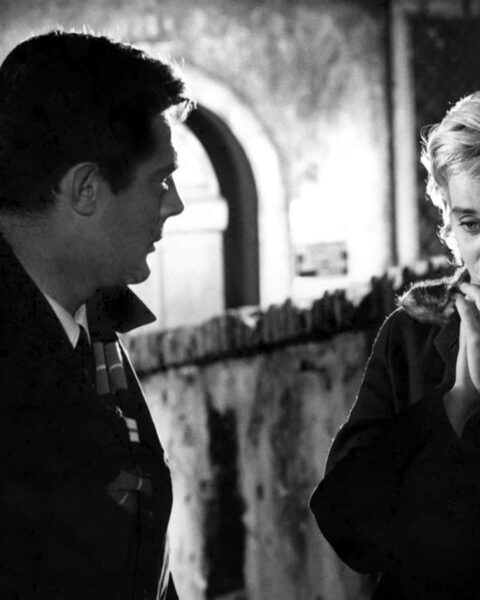
Refn discusses his love of fairy tales, falling through the rabbit hole of streaming, and more.


Refn discusses his love of fairy tales, falling through the rabbit hole of streaming, and more.

Luke Fowler allows us to access some of the intimate details of Bartlett’s life in intriguingly indirect ways.
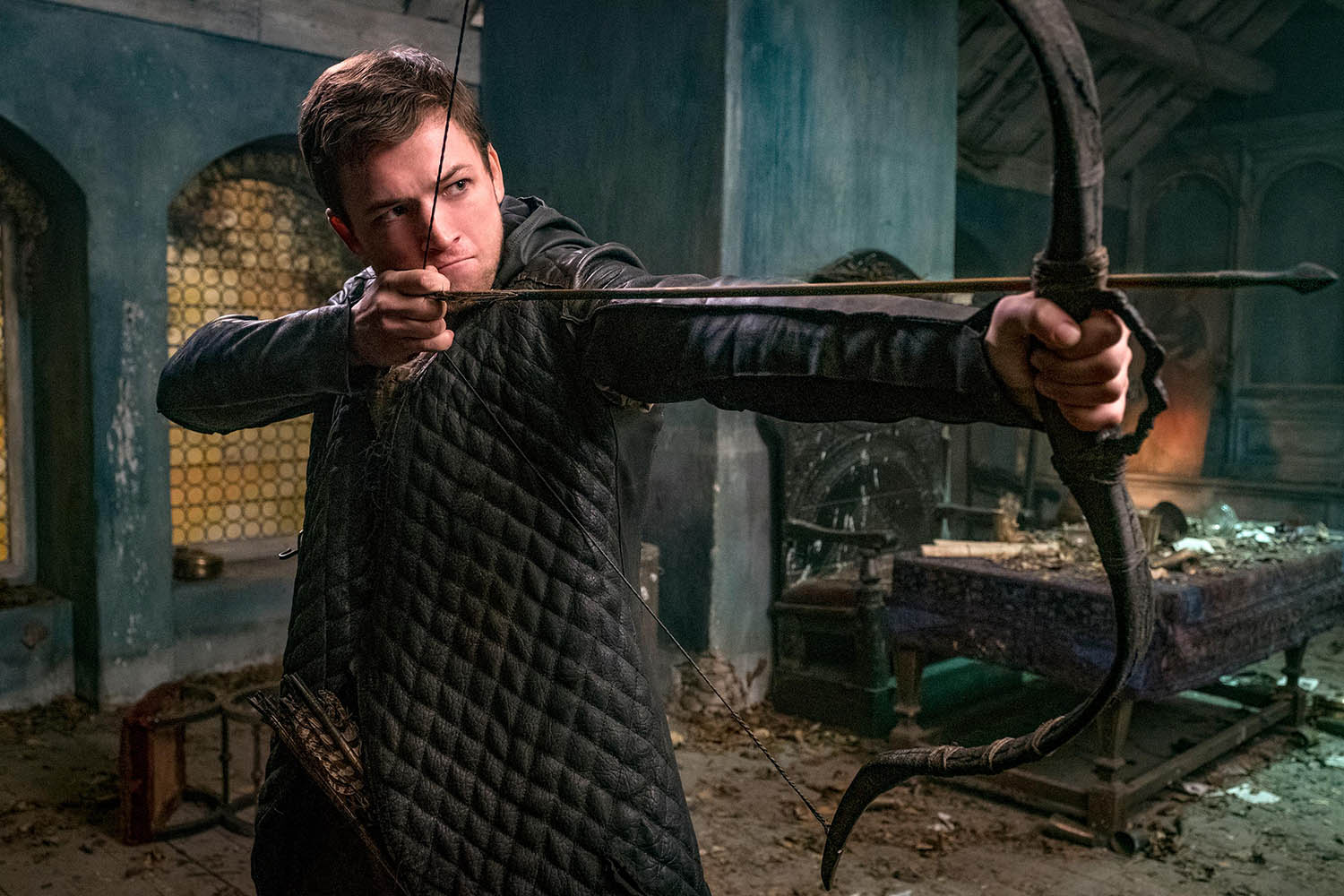
Robin Hood’s shameless silliness only takes it so far, as the film is frequently undermined by Otto Bathurst’s wobbly direction.

Sicilian Ghost Story is determinedly unclassifiable, blurring genres with a fervor that grows tedious.

Kore-eda Hirokazu discusses what motivated him to make his Palme d’Or-winning triumph.

The documentary offers a profound glimpse of one of the greatest and most influential voices in modern music.

Despite convincing performances, the film is hampered by its stylistic and moral conventionality.

Creed II is absent of both the topically political atmosphere of Rocky IV and the bravura action of Ryan Coogler’s Creed.

The festival doesn’t try to keep glamour at a pronounced distance from anything that might be considered unsightly.

In the end, the film succumbs to the tropes and emotional contrivances of the family melodrama at its core.

The fun but more predictable Fantastic Beasts: The Crimes of Grindelwald moves the new series forward, but only incrementally.

When Ralph Breaks the Internet ignores the glittering marvels of the internet and focuses on the rapport between its two leads, it’s deeply moving.

The filmmakers clearly love Laurel and Hardy, and this love is both Stan & Ollie’s great liability and chief strength.

The film isn’t really concerned with Lara’s journey to find peace and balance, as its interested only in her downward spiral of crisis.

The dichotomy represented by Jonathan and John is too clean for the film’s exploration of a divided psyche to ever feel particularly complex.

Claude Lanzmann’s film reminds us that the past isn’t an object behind us but a presence that’s always with us.

Think of Julius Avery’s Overlord as a reminder from a major Hollywood studio that Nazis are really bad.
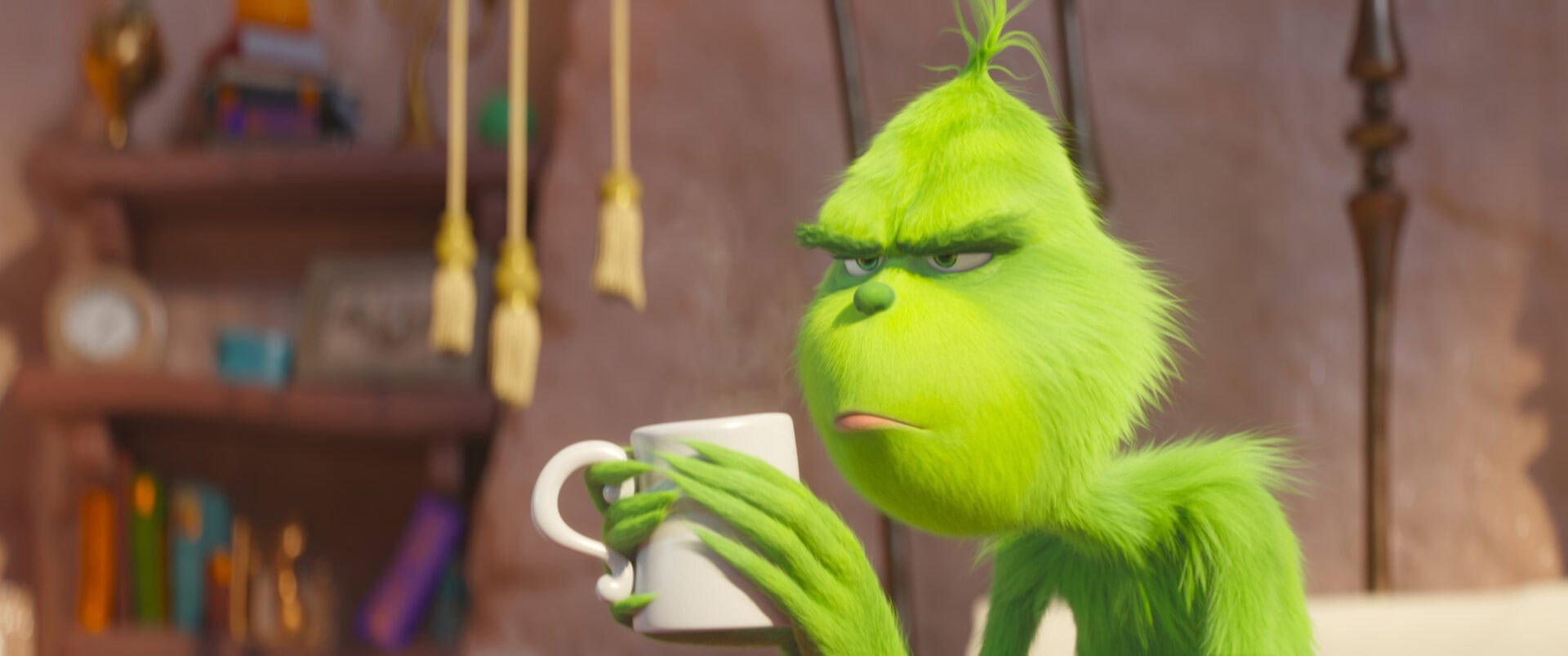
The Grinch’s vision of Christmas is so insipid and lifeless, it’s hard to see why the Grinch would even bother to steal it.
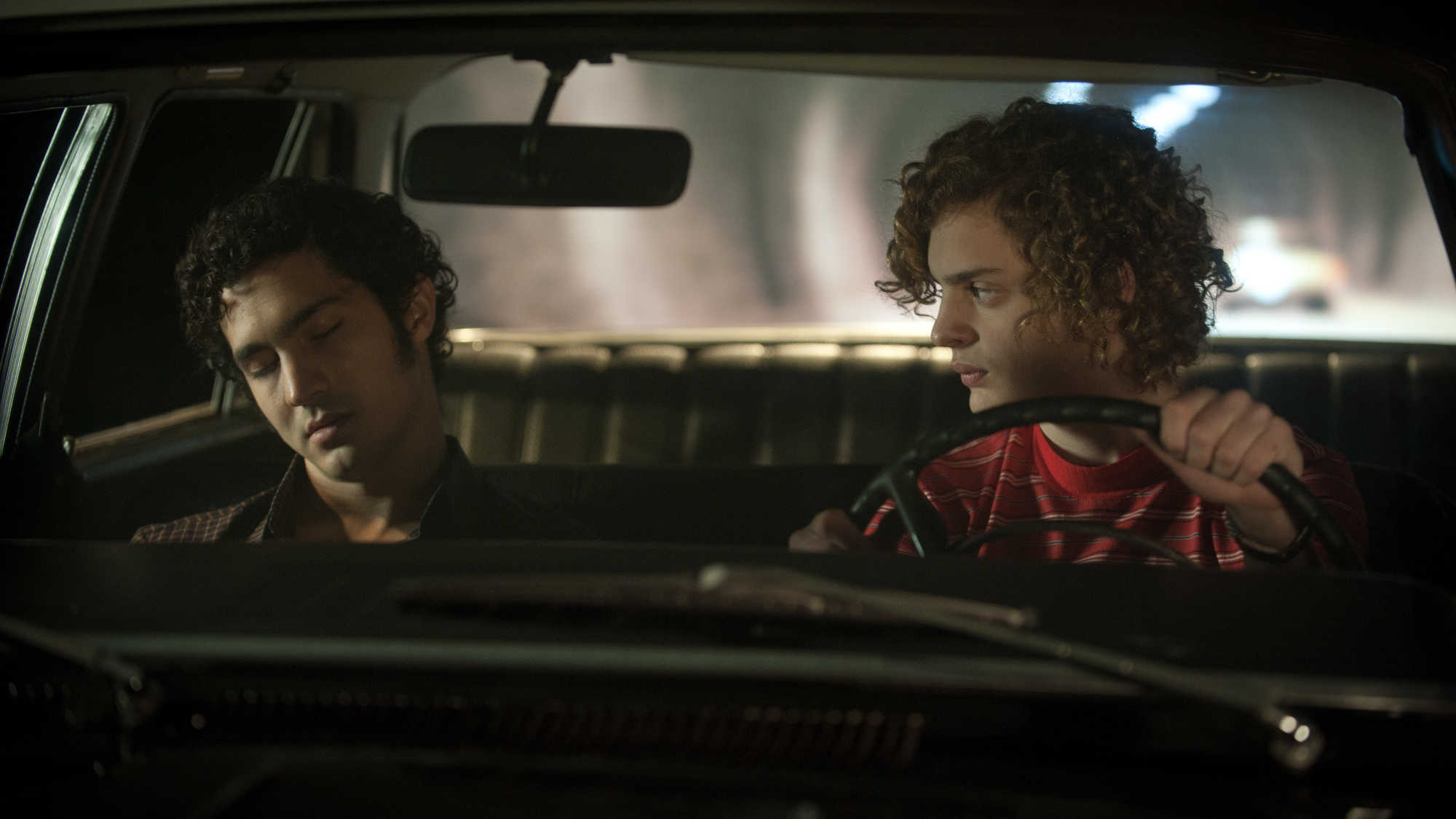
The film is an impressive aesthetic experiment, throughout which sexual desire is everywhere but never acted on.

The film quickly reveals that the only angle it’s interested in is the one that most sympathizes Gary Hart.

At times, Cameron Yates appears to be too protective of his subjects, which somewhat neuters the drama of the narrative.